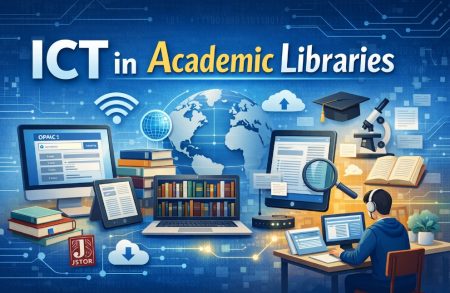
Information and Communication Technology (ICT) has revolutionized the way modern libraries operate, transforming them into dynamic, user-centric spaces that provide access to a vast array of resources and services. The integration of ICT in libraries has not only enhanced the efficiency of library management systems but also expanded the scope of services available to users. For example, digital catalogues such as the Integrated Library System (ILS) have streamlined the management of books and other resources, making it easier for users to search, borrow, and return materials. Online databases like JSTOR, ProQuest, and Google Scholar have made academic journals and research papers readily accessible from anywhere, significantly reducing the need for physical visits to the library.
ICT has also revolutionized the way library materials are accessed. With the availability of e-books, audiobooks, and digital journals, users can borrow or read books remotely using platforms like OverDrive or Kindle, offering flexibility and convenience. Moreover, virtual reference services, such as those provided by chatbots and email consultations, allow library users to get assistance and recommendations without leaving their homes, enhancing user engagement.
Administrative functions such as acquisitions, cataloguing, and circulation have been significantly streamlined with ICT. Systems like Koha and Alma enable automated processes, improving the speed and accuracy of library operations. Furthermore, ICT has facilitated the preservation and digitization of rare and fragile materials. Libraries like the Library of Congress and the British Library have digitized millions of historical texts, allowing them to be accessed by global users without jeopardizing the physical integrity of the originals.
As libraries evolve into digital hubs of learning and collaboration, ICT continues to play a crucial role in supporting educational institutions. For instance, universities now offer digital library access to students and faculty through platforms like OpenAthens, which provides seamless access to e-resources from anywhere. Libraries also contribute to lifelong learning by offering e-learning platforms and webinars that provide training on various skills, such as digital literacy and research techniques. However, despite its numerous benefits, the adoption of ICT in libraries presents challenges. For example, ensuring that staff are properly trained to use new systems is an ongoing need, and infrastructure upgrades are often costly. Additionally, cybersecurity concerns regarding the protection of user data and intellectual property require constant attention. Nevertheless, the impact of ICT on modern libraries is undeniable, shaping their future trajectory as integral components of the digital information ecosystem.
Impact of ICT on Modern Library
The impact of Information and Communication Technology (ICT) on modern libraries has been transformative, fundamentally changing the way libraries operate, manage resources, and engage with users. Libraries have shifted from being traditional spaces focused primarily on physical collections to becoming dynamic, user-centric hubs that provide access to a wealth of digital resources and innovative services. The integration of ICT has revolutionized library management systems, with systems such as Koha, Alma, and SirsiDynix streamlining cataloguing, circulation, and acquisitions. These systems automate many processes, reducing human error and improving operational efficiency. Libraries can now offer advanced services like self-checkout kiosks, RFID tracking, and online catalogues, making it easier for users to search for materials, place holds, and manage their accounts from any location.
ICT has also expanded access to resources in ways that were previously unimaginable. With the rise of digital platforms, libraries are now able to offer e-books, digital journals, online databases, and multimedia resources that can be accessed remotely. Platforms such as JSTOR, ProQuest, and Google Scholar provide academic resources, enabling users to conduct research without needing to visit the library physically. Public libraries, too, have embraced digital lending systems like OverDrive and Libby, allowing users to borrow and read e-books and audiobooks from the comfort of their homes. Furthermore, ICT has enabled the digitization of rare and fragile materials, making them accessible online for research and preservation purposes. Libraries such as the Library of Congress and the British Library have digitized millions of valuable texts, ensuring that these materials are preserved and accessible for future generations.
Beyond access to resources, ICT has enhanced user engagement by providing new ways for patrons to interact with library services. Virtual reference services, including chatbots and real-time librarian assistance, allow users to get support without having to visit the library in person. Social media platforms, such as Facebook and Twitter, have become essential tools for libraries to communicate with their communities, promote events, and provide updates on new resources and services. Additionally, libraries have become more inclusive by offering assistive technologies, such as screen readers and text-to-speech software, to support users with disabilities. Many libraries now offer online courses and webinars on digital literacy and research skills, empowering users to develop essential competencies in the digital age.
ICT has also played a crucial role in the digital preservation and archiving of rare and valuable materials. Through digital repositories and cloud storage, libraries are able to safeguard cultural and academic heritage in digital formats, ensuring these resources remain accessible for future generations. Digital preservation technologies, such as blockchain and cloud storage systems, have made it easier to manage and protect digital content, allowing libraries to continue their role as custodians of knowledge. This has been especially important for rare manuscripts, photographs, and other historical documents that would otherwise be at risk of deterioration.
However, the integration of ICT into libraries has also introduced several challenges. One of the key concerns is the need for continuous training for library staff, as technology evolves rapidly. Libraries must invest in ongoing professional development to ensure that staff are proficient in using new tools and systems. Another challenge is the digital divide—while access to ICT has grown globally, not all users have the necessary resources, such as high-speed internet or digital devices, to access library services. This has led to disparities in access, particularly for underserved or rural communities. Libraries must address this issue by offering alternative access options and providing training programs to help bridge the digital divide. Cybersecurity is also a pressing concern, as libraries store vast amounts of personal and sensitive user data. Ensuring the protection of this data from security breaches requires robust cybersecurity measures and continuous monitoring.
Looking toward the future, the role of ICT in libraries is expected to grow even further. Emerging technologies such as artificial intelligence (AI), augmented reality (AR), and the Internet of Things (IoT) offer new possibilities for improving user experience and library services. AI can be used to provide personalized recommendations and enhance resource discovery, while AR could be employed to create interactive learning experiences and virtual tours of collections. Additionally, the rise of open access publishing and greater collaboration between libraries and digital platforms will likely continue to reshape the way information is shared and accessed. Libraries will remain at the forefront of knowledge-sharing, playing an essential role in supporting research, education, and lifelong learning.
How the Integration of ICT Has Transformed Library Services and Operations
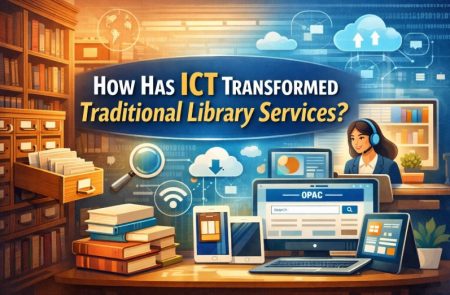
The integration of Information and Communication Technology (ICT) has brought about a profound transformation in library services and operations, making libraries more accessible, efficient, and user-friendly than ever before. Once traditional institutions focused primarily on managing physical collections, modern libraries have evolved into dynamic, digitally-driven environments that offer a diverse range of services to meet the needs of a technologically savvy and diverse user base. The influence of ICT on libraries spans across every aspect of their operation, from resource management and accessibility to user engagement and service delivery, ushering in a new era of library services.
- Streamlining Library Management: One of the most significant impacts of ICT on libraries is in the realm of library management. Traditional manual systems for cataloguing, circulation, and acquisitions have been replaced with sophisticated Integrated Library Systems (ILS) like Koha, Alma, and SirsiDynix. These systems have streamlined the processes involved in managing library collections by automating routine tasks, thus minimizing errors, saving time, and improving overall operational efficiency. Library staff can now easily catalogue new resources, track inventory, and manage loans, returns, and reservations with just a few clicks.
Furthermore, these systems have enabled libraries to implement advanced features such as self-service checkouts, RFID tagging for faster resource tracking, and online catalogues that patrons can access remotely. This digital infrastructure has allowed libraries to shift from being solely physical spaces to becoming hybrid environments that bridge the gap between the digital and the physical world, making library services more accessible and responsive. - Enhanced Access to Resources: Perhaps one of the most visible changes that ICT has brought to libraries is the vast improvement in access to library resources. Libraries are no longer limited to physical collections that users must browse on-site; instead, they now offer a wealth of digital content that can be accessed remotely. E-books, online journals, research databases, and multimedia resources are now just a few clicks away. Academic platforms like JSTOR, ProQuest, and Google Scholar have made scholarly research more accessible than ever before, allowing students, researchers, and professionals to access high-quality content without needing to visit the library in person.
Public libraries have similarly embraced digital content, offering users the ability to borrow e-books and audiobooks through platforms like OverDrive and Libby. Patrons can now check out books directly from their smartphones, tablets, or computers, eliminating the need to visit the library in person. Furthermore, the rise of digital archives has allowed libraries to preserve rare and fragile materials in digital formats. Institutions like the Library of Congress and the British Library have digitized millions of rare books, manuscripts, and documents, making them available to a global audience. This shift towards digital content has greatly increased the accessibility of knowledge, enabling users from all over the world to access library resources at their convenience. - Expanding User Engagement: ICT has also revolutionized the way libraries interact with their users. Libraries have become much more than places to borrow books; they are now digital hubs of information and learning. Virtual reference services, such as online chat and email consultations, have made it easier for users to get help from librarians without having to visit the library in person. Chatbots and automated systems are increasingly being used to answer frequently asked questions and assist with basic inquiries, allowing libraries to serve users more efficiently and effectively.
Social media platforms, including Facebook, Twitter, and Instagram, have become essential tools for libraries to connect with their communities. Libraries now use these platforms not only to announce new services, events, or collections but also to foster engagement with their users, create a sense of community, and build online relationships. This shift in communication channels reflects a broader trend of libraries embracing digital platforms to keep up with changing user expectations. Additionally, ICT has made libraries more inclusive by offering assistive technologies to support patrons with disabilities. Tools such as screen readers, speech-to-text software, and adaptive devices have enabled users with visual or physical impairments to access resources more easily. Many libraries have also launched online learning programs, webinars, and digital literacy workshops, helping patrons develop essential skills for the modern, technology-driven world. - Improving Administrative Efficiency: Another notable effect of ICT integration is the significant improvement in administrative operations within libraries. In the past, library staff had to manually track acquisitions, budget management, and resource allocation, which often led to inefficiencies and delays. Today, library management software has automated these processes, allowing staff to track budgets, maintain accurate records, and make data-driven decisions regarding resource management and acquisitions. For example, library staff can now quickly analyze circulation trends and user behavior, helping them make more informed decisions about collection development and resource allocation.
Moreover, ICT has enabled libraries to improve their outreach and marketing efforts. By using email newsletters, online catalogues, and library apps, libraries can proactively inform users about new acquisitions, upcoming events, and changes to services. This digital approach has enabled libraries to expand their reach beyond their physical locations and engage with a broader audience, including those who may not have previously visited the library in person. - Supporting Digital Preservation and Archiving: The integration of ICT has also had a transformative impact on the preservation and archiving of library materials. Libraries are increasingly focusing on the digital preservation of rare books, manuscripts, and other historically significant materials. Digitization allows libraries to preserve the original items while making them accessible to a wider audience through online archives and digital repositories. This shift has been especially important for libraries that house fragile or deteriorating materials, as digitization helps protect the integrity of these materials while ensuring their continued availability to researchers, students, and the public.
Institutions such as the Smithsonian Institution and the National Archives are leading the way in digital preservation, using cloud storage, blockchain, and other technologies to safeguard important cultural and historical records. This digital preservation effort ensures that future generations will have access to vital historical documents, even if the physical versions of these materials are no longer available. - Overcoming Challenges: While the integration of ICT in libraries has brought numerous benefits, it has also introduced several challenges. One of the main obstacles is the need for continuous training for library staff to ensure they remain proficient in using new technologies and systems. As ICT continues to evolve, libraries must invest in professional development to ensure their staff can effectively manage digital resources and assist users.
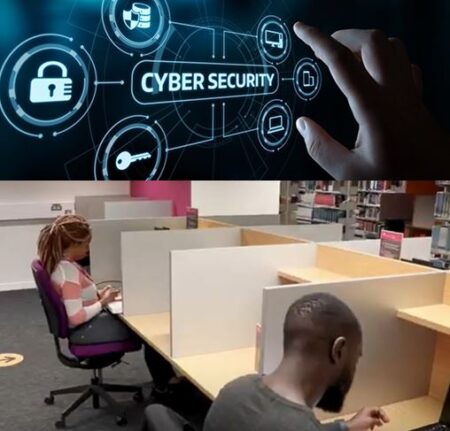
Additionally, the increasing reliance on digital platforms has raised concerns about cybersecurity. Libraries store sensitive user data, such as personal information and borrowing histories, which makes them attractive targets for cybercriminals. Ensuring the security of this data is crucial, and libraries must implement robust cybersecurity measures to protect user privacy and prevent data breaches.
Lastly, the digital divide remains a significant challenge. Not all users have equal access to high-speed internet or digital devices, which can limit their ability to access library services. Libraries must find ways to address this disparity by offering alternative access options, such as providing public computers, mobile library services, or even offering offline resources for users with limited access to technology.
The integration of ICT has transformed library services and operations, enhancing the efficiency of management systems, expanding access to resources, and fostering deeper engagement with users. The benefits of ICT in libraries are evident in the increased accessibility of resources, the improved efficiency of administrative functions, and the enhanced user experience. While challenges such as staff training, cybersecurity, and the digital divide remain, the overall impact of ICT on libraries has been overwhelmingly positive, propelling them into the digital age. As technology continues to advance, libraries will undoubtedly evolve further, continuing to serve as invaluable resources for education, research, and community engagement.
The Role of ICT in Enhancing the Accessibility and Availability of Library Resources
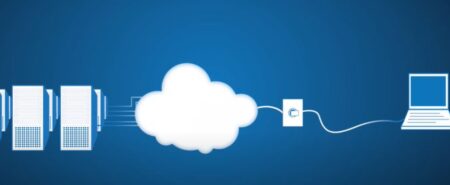
Information and Communication Technology (ICT) plays a pivotal role in enhancing the accessibility and availability of library resources, transforming libraries into digital hubs that offer seamless access to information and materials. Traditional libraries, which were primarily reliant on physical collections and in-person visits, have been revolutionized by the integration of ICT, enabling users to access a vast array of resources online and remotely. Through the use of digital catalogues, libraries can provide users with easy access to a comprehensive inventory of books, journals, and other resources, allowing them to search and retrieve materials from anywhere at any time. This shift has significantly improved convenience for patrons, reducing the need for physical visits to the library and making it easier for users to find and borrow resources with just a few clicks.
The digitization of resources, such as e-books, online journals, and multimedia, has further expanded the reach of library collections. Platforms like JSTOR, ProQuest, and Google Scholar allow users to access academic articles, research papers, and other scholarly materials from anywhere in the world. Public libraries have also embraced digital lending systems, offering e-books and audiobooks through platforms like OverDrive and Libby, ensuring that patrons can borrow and read books remotely. Moreover, ICT enables libraries to overcome geographical limitations, allowing users in remote or underserved areas to access the same resources as those in urban centers, promoting equality of access.
Beyond improving access to digital resources, ICT has also facilitated the preservation and accessibility of rare and fragile materials. Libraries such as the Library of Congress and the British Library have digitized rare books, manuscripts, and historical documents, making them accessible to global audiences while ensuring their long-term preservation. This process not only safeguards these materials from deterioration but also allows scholars, researchers, and the general public to explore materials that would otherwise be inaccessible due to their fragile condition.
Ultimately, ICT has played a transformative role in making library resources more accessible and available than ever before, empowering users to explore, learn, and conduct research with greater ease and flexibility. Through digital access, libraries are no longer confined by physical space, and users are no longer limited by time or location when seeking information. This accessibility has significantly enhanced the value and impact of libraries, reinforcing their role as vital centers of learning, knowledge, and community engagement.
How ICT Has Improved the Management and Organization of Library Collections
The integration of Information and Communication Technology (ICT) into library operations has brought about a significant transformation in the management and organization of library collections. With the traditional methods of cataloguing and organizing resources becoming increasingly inefficient and outdated, ICT has introduced systems and tools that streamline and automate various aspects of library management. From organizing materials to tracking usage and improving resource discovery, ICT has made library collections more accessible, manageable, and efficient. This article explores the various ways ICT has enhanced the management and organization of library collections, highlighting the advantages of digital systems and automated processes.
- Automation of Cataloguing and Classification Systems: One of the key areas where ICT has improved library management is in the automation of cataloguing and classification. Traditional manual systems were often labor-intensive, prone to errors, and difficult to maintain over time. With the introduction of Integrated Library Systems (ILS) such as Koha, Alma, and SirsiDynix, libraries now have powerful digital platforms that allow them to automate the cataloguing process. These systems enable libraries to efficiently record and manage metadata related to books, journals, multimedia resources, and digital assets.
ILS platforms provide an automated way of classifying materials according to standard library classification schemes such as Dewey Decimal Classification (DDC) or Library of Congress Classification (LCC). This ensures consistency and accuracy in organizing materials and allows library users to easily search for and retrieve items based on subject, title, author, or other criteria. Automated cataloguing not only reduces the risk of human error but also saves significant time and effort for library staff, who can focus on more strategic tasks. - Improved Resource Discovery and Search Capabilities: ICT has greatly enhanced the way library collections are organized, enabling more sophisticated and user-friendly search capabilities. With digital catalogues and online databases, library users can quickly and efficiently search for resources across a wide range of materials. Users can access the library’s online catalogue from anywhere, using keywords, authors, or subject matter to locate books, journals, and other materials. This ease of access is particularly important in academic libraries, where users often need to find specific research materials quickly.
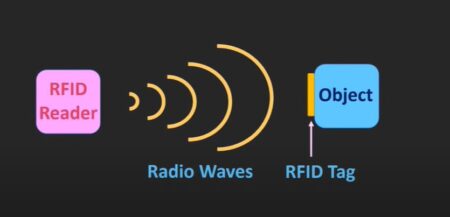
Moreover, advanced search functionalities provided by ICT systems allow users to filter search results based on a variety of factors such as resource type, publication date, or language, making it easier to pinpoint relevant resources. Many libraries now provide a unified search interface that pulls results from multiple databases, digital repositories, and online resources, giving users a comprehensive view of available materials. These enhanced search capabilities improve resource discovery and make it easier for library users to access information relevant to their needs. - Efficient Tracking and Management of Library Resources: ICT has also revolutionized the way libraries track and manage their collections. Through the use of RFID (Radio Frequency Identification) technology, libraries can easily track the movement and location of resources within their collections. RFID tags attached to books and other items allow for faster checkouts, inventory management, and real-time monitoring of resource availability. This system helps prevent loss or misplacement of materials and provides accurate data about the circulation and usage of resources.
Additionally, ICT systems provide libraries with detailed usage statistics that can be used for collection development and management. Libraries can track which resources are most frequently borrowed, which subjects are in high demand, and which materials may need to be replaced or updated. This data-driven approach enables libraries to make informed decisions about their collections, ensuring that they are meeting the needs of their users and maintaining relevant, up-to-date resources. - Enhanced Digital Resource Management: The management of digital resources, such as e-books, online journals, and digital archives, has become an integral part of modern library collections. ICT systems allow libraries to manage a wide range of digital assets in addition to traditional print materials. Digital Library Management Systems (DLMS) help libraries organize and store digital content, making it easily accessible to users. These systems allow libraries to maintain and provide access to e-books, articles, and other digital publications through platforms such as OverDrive, Libby, and JSTOR.
ICT also enables libraries to provide access to digital repositories and institutional archives, which house collections of research papers, theses, and other scholarly works. By digitizing rare and fragile materials, libraries not only ensure their preservation but also make them accessible to users worldwide. Digital resources are searchable, making it easier for users to locate specific content, and can be accessed from anywhere with an internet connection, further enhancing the availability and accessibility of library collections. - Facilitating Resource Sharing and Collaboration: ICT has also improved the way libraries collaborate and share resources. Through systems such as Interlibrary Loan (ILL) networks and consortia agreements, libraries can share materials with one another more efficiently. ICT platforms allow libraries to request and lend materials to users in other institutions, broadening the availability of resources and enhancing access to specialized collections. This collaborative approach ensures that users have access to a broader range of materials that may not be available in their home library, promoting resource sharing and reducing redundancy in collection development.
Furthermore, the development of open access platforms and digital repositories has allowed libraries to share their collections with the global community. Many libraries now contribute to and access open digital archives, making scholarly work available to a wider audience. This has democratized access to knowledge and provided opportunities for research collaboration across institutions, countries, and disciplines. - Collection Maintenance and Updating: ICT has also made it easier for libraries to maintain and update their collections. Through automated systems, libraries can quickly identify outdated or underused materials, enabling them to make more informed decisions about deaccessioning or replacing items. Collection development can be informed by real-time data on circulation and usage patterns, allowing libraries to make adjustments to their holdings based on user demand and trends in academic research.
Moreover, ICT systems allow libraries to manage digital licenses, subscriptions, and rights for e-resources more effectively. Digital asset management tools ensure that libraries are adhering to copyright and licensing agreements while providing seamless access to digital materials for their users. This capability is particularly crucial in managing subscription-based resources such as academic journals, which require regular renewal and monitoring.
In conclusion, the integration of ICT into the management and organization of library collections has brought about significant improvements in efficiency, accessibility, and resource discovery. From automating cataloguing processes to enhancing the tracking of physical and digital resources, ICT has streamlined library operations, making it easier for both staff and users to manage and access materials. The ability to provide real-time data on usage, facilitate resource sharing, and improve the management of digital content has made libraries more responsive to the needs of their users. As technology continues to evolve, libraries will continue to benefit from these innovations, ensuring that they remain vital institutions for learning, research, and community engagement in the digital age.
The Impact of ICT on Library User Engagement and Participation in Educational and Informational Activities
The integration of Information and Communication Technology (ICT) has significantly impacted library user engagement and participation in educational and informational activities, transforming libraries into dynamic, interactive environments. By leveraging digital tools, libraries have enhanced their ability to engage users in more personalized and accessible ways. ICT has expanded the scope of services available to library patrons, allowing them to interact with resources, access information, and participate in educational opportunities from anywhere and at any time. Online catalogues, digital repositories, and e-learning platforms have made it easier for users to discover and engage with materials that meet their academic, professional, and personal interests.
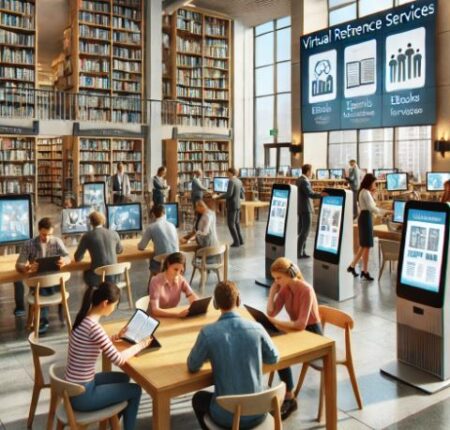
One of the key ways ICT has improved user engagement is through the provision of virtual reference services. With tools like live chat, email support, and virtual consultations, users can now access library assistance remotely, eliminating the need for in-person visits. These services enhance the user experience by providing immediate access to expert advice, guidance, and recommendations. Furthermore, libraries have embraced social media platforms, such as Facebook, Twitter, and Instagram, to interact with users, promote events, and share information about new resources. This digital engagement helps foster a sense of community and connection between the library and its patrons.
ICT has also played a significant role in increasing user participation in educational activities. Many libraries now offer online courses, webinars, and workshops on a range of topics, including research methods, digital literacy, and academic writing. These resources provide users with valuable learning opportunities that they can access at their convenience, enabling them to acquire new skills and knowledge. Additionally, libraries often host collaborative learning spaces and forums for users to engage in discussions, share insights, and work on group projects, further promoting active participation in educational activities. Moreover, the digitization of library resources has allowed users to engage with a broader range of materials, including rare books, historical documents, and multimedia content. Libraries such as the British Library and the Library of Congress have made millions of rare items available online, allowing users to explore and learn from collections that were previously inaccessible. This opens up new opportunities for research and learning, particularly for students, researchers, and educators who may be unable to physically visit these institutions.
In conclusion, ICT has transformed how users engage with libraries, offering them more convenient and interactive ways to access resources, participate in learning activities, and connect with the library community. By embracing digital technologies, libraries have become more than just repositories of information; they are now active participants in the educational journeys of their users, fostering a more inclusive and engaging learning environment for all.
The Implications of ICT on Library Staff Roles and Responsibilities
The integration of Information and Communication Technology (ICT) into library operations has brought about significant changes in the roles and responsibilities of library staff. As libraries evolve from traditional spaces focused on physical collections to dynamic, digital environments, the skills, tasks, and expectations of library professionals have shifted. While ICT has undoubtedly enhanced the efficiency and accessibility of library services, it has also reshaped how staff interact with resources, manage operations, and engage with users. Let’s explore the key implications of ICT on library staff roles, highlighting the new challenges and opportunities it has created.
- Shift from Traditional Tasks to Digital Management: One of the most evident changes resulting from the integration of ICT is the shift from traditional, manual tasks to more complex digital management responsibilities. In the past, library staff were primarily responsible for tasks such as cataloguing physical materials, shelving books, and assisting patrons with manual searches through card catalogues. With the implementation of automated systems like Integrated Library Systems (ILS), RFID technologies, and digital catalogues, staff roles have evolved. Librarians and support staff now focus on managing digital collections, updating electronic databases, and ensuring the smooth operation of digital access systems.
This shift has required library staff to adapt to new technologies and digital workflows. The traditional knowledge of physical materials is no longer sufficient; staff must now acquire expertise in managing digital assets, metadata, and electronic resources. This has led to an increased demand for technical skills, such as proficiency in data management, digital preservation techniques, and online content management systems. - Increased Focus on User Support and Engagement: As libraries become more digitally oriented, the role of library staff in supporting and engaging users has become increasingly important. Library staff are no longer just providers of information but also facilitators of user learning and engagement. With the rise of digital services, such as online catalogues, virtual reference desks, and digital repositories, staff now spend a significant portion of their time assisting users in navigating these resources. This shift has prompted libraries to rethink staff roles, with many institutions now employing staff in specialized positions such as digital literacy trainers, research support specialists, and online engagement coordinators.
Furthermore, ICT has led to the expansion of user support services, as library staff are now expected to assist patrons with issues related to technology, such as troubleshooting access to online resources, guiding users on how to use e-books, and teaching information literacy skills. This evolving role requires library staff to be equipped with advanced communication and instructional skills, as well as a deep understanding of the technologies and tools available to library users. - Emergence of New Specializations and Expertise: As libraries embrace ICT, new specialized roles have emerged, and library staff are increasingly required to develop expertise in areas such as digital preservation, data management, and information technology. Digital preservation, for example, involves ensuring the long-term accessibility of digital resources, including the maintenance of databases, e-books, and multimedia collections. Library staff must now be knowledgeable in digital preservation tools and techniques to prevent data loss and ensure that digital resources remain accessible and usable over time.
Additionally, the management of digital resources and e-lending systems has created new responsibilities in managing licensing agreements, subscriptions, and copyright compliance. Staff members may also be involved in curating and managing institutional repositories, overseeing the collection of research papers and academic publications produced by faculty, staff, and students. As digital collections grow, library staff must balance the need for preservation with the desire for open access, creating a complex dynamic in managing digital content. - Impact on Collaboration and Teamwork: The integration of ICT has also led to changes in how library staff collaborate both within their institutions and with external partners. Digital tools have made it easier for libraries to share resources, collaborate on research projects, and engage in interlibrary lending. Staff members may now work closely with colleagues from other libraries, universities, and research institutions to share digital content, coordinate collection development efforts, or participate in joint digital initiatives.
ICT has also facilitated communication within library teams, with staff members using internal collaboration tools, cloud-based document sharing, and project management software to coordinate tasks, share information, and track progress. This increased level of collaboration has required library staff to become more adept at working in digital teams and using technology to enhance productivity and efficiency. - Adoption of New Administrative Responsibilities: The implementation of ICT in libraries has also affected the administrative roles of library staff. Library directors, managers, and other administrative staff now face additional responsibilities related to overseeing the implementation and maintenance of new technologies. This includes budgeting for ICT infrastructure, ensuring the security of digital systems, managing vendor relationships for digital resources, and overseeing staff training on new technologies. Administrators must now balance the demands of maintaining physical collections with the growing need for digital systems and infrastructure.
Furthermore, library leaders are tasked with making strategic decisions regarding the adoption of emerging technologies such as artificial intelligence (AI), augmented reality (AR), and virtual reality (VR). As these technologies continue to evolve, library administrators must anticipate their potential impact on library services and plan accordingly, ensuring that staff are equipped with the necessary skills to support these innovations. - Continuous Professional Development: With the rapid pace of technological change, continuous professional development has become a critical aspect of library staff roles. Library staff must stay current with the latest technological trends, tools, and best practices in order to effectively manage digital collections, provide user support, and engage in digital preservation efforts. This requires ongoing training in areas such as data analytics, digital content management, and emerging technologies.
As libraries adopt new ICT tools, training programs have become increasingly important for library staff to develop the necessary technical expertise. Many libraries now offer regular workshops, online courses, and professional development opportunities to help staff stay updated with advancements in library technology. These opportunities are essential for staff to maintain their ability to effectively perform their roles and ensure that libraries continue to meet the needs of users in a digital world.
In conclusion, the integration of ICT into library operations has significantly impacted the roles and responsibilities of library staff, introducing both new challenges and opportunities. Library staff are now expected to possess a broad range of technical, instructional, and collaborative skills to manage digital collections, support users, and adapt to rapidly changing technologies. The shift from traditional to digital library services has created new specialized roles and required ongoing professional development. As libraries continue to evolve in the digital age, the role of the library staff will remain crucial in ensuring that these institutions continue to serve as vibrant, user-centric centers of knowledge and learning.