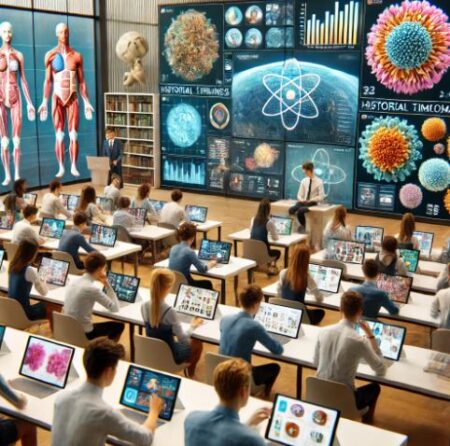
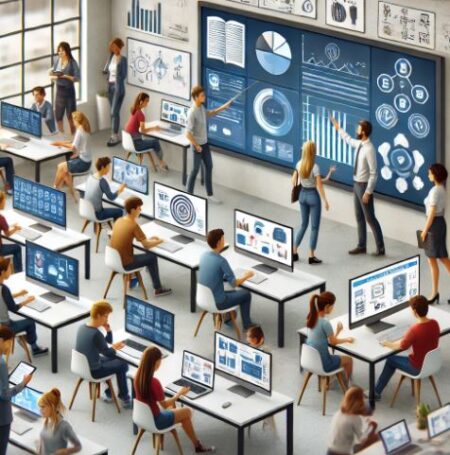
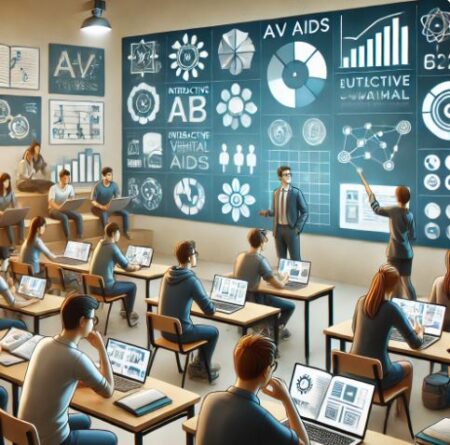
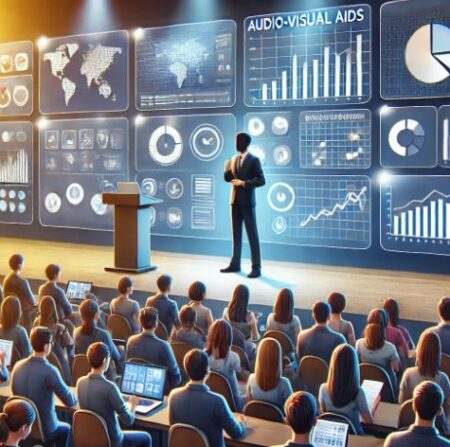
Audio-visual (AV) materials have become invaluable educational tools, bringing a dynamic approach to teaching and learning. In essence, AV materials such as videos, animations, slideshows, interactive simulations, and graphics engage both sight and sound. By appealing to multiple senses, these materials capture attention and enhance understanding in ways that traditional textbooks or lectures often cannot. Their versatility makes them suitable for teaching a wide range of subjects—from complex scientific concepts to language acquisition—and they’re adaptable across different educational levels. How Do Audio-Visual Materials Help Overcome Language and Cultural Barriers in Learning?
In an educational context, AV materials are particularly effective because they present information in digestible, engaging formats. Instead of relying solely on text, these resources offer visual aids, auditory cues, and interactive elements that support different learning styles. For instance, visual learners benefit from diagrams and infographics, auditory learners from narrated videos, and kinesthetic learners from interactive simulations. This multimodal approach to instruction is especially valuable when teaching abstract or complex topics, as it allows students to grasp concepts more intuitively. Moreover, AV materials support inclusivity by transcending language barriers, enabling students from diverse linguistic backgrounds to access and engage with content easily. By simplifying difficult ideas and providing real-world context, these resources help bridge gaps in understanding, making them indispensable in today’s multicultural classrooms. As digital technology continues to advance, the role of AV materials in education will likely expand, offering new opportunities to enrich the learning experience for all students.
How Audio-Visual Materials Overcome Language Barriers
In an increasingly globalized world, classrooms are more diverse than ever, with students from various linguistic backgrounds coming together to learn. While this diversity enriches the learning experience, it also brings challenges, especially in overcoming language barriers that hinder students’ understanding and engagement. Traditional teaching methods, heavily reliant on language, may leave some students struggling to grasp complex concepts fully. This is where audio-visual (AV) materials become invaluable tools.
Audio-visual materials—from videos and animations to interactive simulations and infographics—provide alternative ways to convey information beyond language. Combining visual and auditory elements simplifies complex ideas, allowing students to understand content without needing complete proficiency in the instructional language. For example, a science concept that might be difficult to explain in words can be illustrated through animations, making it accessible to students regardless of their language skills. AV materials offer non-verbal cues, such as body language and contextual visuals, which aid in comprehension. Subtitles and multilingual captions add flexibility, enabling students to engage with content in their preferred language. AV materials break down language barriers through these methods, creating an inclusive learning environment where all students can participate and succeed, regardless of their linguistic background. Here’s how they achieve this:
- Visual Learning and Simplified Comprehension: One of the most powerful aspects of AV materials is their ability to convey information visually, simplifying complex ideas that might otherwise be hard to understand through text alone. Visual aids such as diagrams, illustrations, and animations break down complex subjects into easy-to-follow steps, reducing the dependency on language. For instance, in a biology lesson about cell division, an animation showing the stages of mitosis can visually guide students through each phase, helping them understand without needing to read or listen to extensive explanations.
This method benefits students who may struggle with the instructional language by providing a clear, visual representation of the concept. Visual learning tools create mental images that are easier to remember, supporting both comprehension and retention. When students can visualize what they are learning, they are better able to grasp and recall the information, even if language proficiency is still developing. - Use of Subtitles, Multilingual Captions, and Voiceover Options: AV materials are often enhanced with subtitles and captions, which offer an accessible way for students to understand spoken content by reading along. Many educational platforms now provide subtitles in multiple languages, enabling non-native speakers to follow the audio in their preferred language. This feature is particularly beneficial in multilingual classrooms, where students may be at different levels of language proficiency.
In addition to subtitles, some AV resources also offer voiceovers in various languages. This allows students to hear explanations in their native language while observing visuals, reinforcing their understanding without struggling with an unfamiliar language. The flexibility to switch between languages makes AV materials inclusive and adaptable, meeting the needs of diverse learners and allowing them to engage more deeply with the material. - Body Language, Contextual Cues, and Environmental Contexts: One significant advantage of AV materials over traditional text-based resources is the presence of non-verbal cues. In videos, animations, and simulations, elements such as body language, facial expressions, and environmental context provide additional layers of meaning that help students interpret the message without relying on language alone. For example, a video illustrating a social interaction can convey emotions like happiness, surprise, or concern through facial expressions and gestures, helping students understand the situation even if they don’t catch every word.
Contextual clues from settings or backgrounds also play a key role in AV materials. For example, a science video about habitats might depict the natural environments of various animals, allowing students to see firsthand the characteristics of each habitat. This visual context helps them make connections and draw conclusions without needing detailed verbal explanations, making complex concepts more intuitive and accessible. - Interactive Learning Tools and Gamified Elements: Interactive AV materials—such as educational games, apps, and digital simulations—provide a hands-on approach that minimizes language dependence while maximizing engagement. Many of these tools offer intuitive, visually guided instructions that lead students step-by-step through exercises. In science simulations, for instance, students might manipulate digital representations of lab equipment to explore chemistry concepts, learning by doing rather than by reading extensive instructions.
Language-learning apps like Duolingo and Rosetta Stone also harness AV resources to teach vocabulary and grammar, using simple images, sounds, and gamified activities to create an immersive learning experience. These tools reinforce language skills without overwhelming students with dense text, making language acquisition feel natural and intuitive. By combining auditory cues with interactive visuals, AV-based learning tools cater to students with different levels of language proficiency, allowing them to progress at their own pace. - Universal Symbols and Imagery for Clarity: AV materials often incorporate universal symbols, color coding, and icons that convey meaning without needing words. Symbols such as arrows, check marks, and color-coded visuals are universally understood, making it easier for students to interpret instructions or identify important points. For example, a green check mark may signify a correct answer, while a red X indicates an error, providing immediate feedback in a way that transcends language.
Real-life imagery and culturally relevant visuals further enhance comprehension. Photographs and real-life scenes, especially in subjects like geography or social studies, provide relatable context that students from various backgrounds can understand. In this way, AV materials make learning feel approachable and relevant, supporting a diverse array of students in their educational journeys. - Reducing Cognitive Load for More Focused Learning: Students can concentrate better on core concepts When they don’t have to decode unfamiliar language structures. AV materials help reduce this cognitive load by presenting information in a format that feels natural and accessible. Rather than interpreting complex sentences, students can watch demonstrations, view images, and listen to concise explanations. This allows students to focus their mental energy on understanding the subject matter, making the learning process smoother and more efficient.
With reduced cognitive load, students also retain information better. For example, a video showing the process of photosynthesis with clear visual aids allows students to visualize each step, reinforcing their understanding without having to grapple with unfamiliar terms. In the long run, this leads to better academic performance and a more positive learning experience. - Indirect Language Acquisition Through Repeated Exposure: A lesser-known benefit of AV materials is that they support language acquisition, even for those not actively focused on learning the language. Through repeated exposure to educational videos, students become familiar with vocabulary and sentence structures in context, gradually improving their comprehension. For instance, a science video in English with subtitles introduces students to key terms like “evaporation,” “condensation,” and “precipitation.” With each viewing, they become more comfortable with the language, building both subject knowledge and language skills.
By hearing accurate pronunciation and listening to natural speech patterns, students also develop listening and speaking skills, which helps them communicate more confidently. This exposure to language in a contextual, educational setting gives students a head start in language acquisition without adding additional study time.
Audio-visual materials offer invaluable support in breaking down language barriers in education and creating an inclusive and accessible learning environment for students from diverse linguistic backgrounds. By relying on visual aids, subtitles, interactive tools, and universal symbols, AV resources minimize language dependence while maximizing comprehension. They support non-native speakers in understanding core concepts, offer indirect language learning opportunities, and foster an inclusive educational experience that embraces cultural diversity.
As technology evolves, AV materials will likely become even more integrated into educational systems worldwide. Their ability to simplify complex topics, engage multiple senses, and reduce the cognitive load on students makes them an ideal tool for bridging language gaps. By thoughtfully incorporating AV resources, educators can create a more inclusive classroom where every student has the opportunity to succeed, regardless of their language background.
Breaking Cultural Barriers through Audio-Visual Materials
Audio-visual (AV) materials are powerful tools for overcoming language barriers and breaking down cultural barriers in education. By incorporating visual and auditory elements, they convey complex ideas in ways that transcend cultural differences, fostering a more inclusive and empathetic learning environment. Here’s a detailed look at how AV materials help overcome cultural barriers:
- Exposure to Diverse Perspectives and Experiences: AV materials offer an immersive experience that exposes students to cultural practices, traditions, and lifestyles worldwide, promoting respect for and appreciation of diversity.
- Showcasing Global Traditions and Customs: Videos and documentaries provide a visual window into the customs and practices of various cultures, allowing students to witness unique traditions firsthand. For example, a documentary on global festivals can show how different communities celebrate similar events, such as harvest festivals or New Year celebrations, while highlighting distinct customs. By observing these celebrations, students learn that, despite cultural differences, shared human values often unite us.
- Learning Through Real-Life Stories: AV materials often use storytelling to connect students emotionally with people from other cultures. Documentaries that follow the lives of individuals or families in different parts of the world help students see the universality of human experiences, from daily routines to challenges and joys. These personal narratives foster empathy and break down cultural stereotypes, helping students understand and respect the diversity around them.
- Creating a Sense of Shared Humanity: By presenting common experiences, AV materials allow students to see that people everywhere face similar challenges, such as education, family responsibilities, and community participation. This perspective fosters inclusivity by highlighting commonalities that transcend cultural barriers, creating a classroom environment grounded in respect and unity.
- Using Culturally Relevant Examples and Narratives: AV materials help create an inclusive learning environment by incorporating culturally relevant examples and narratives, making content more relatable and accessible for students from diverse backgrounds.
- Representation Matters: Students feel validated and respected when AV materials feature characters or real people from various backgrounds. For instance, a video explaining mathematical concepts through culturally diverse scenarios—such as using traditional foods, clothing, or festivals—can help students relate to the content and understand it in a familiar context.
- Challenging Stereotypes Through Authentic Portrayals: Well-designed AV materials present cultures in their richness and complexity, moving beyond stereotypes. A series of videos on different countries, for example, might showcase regional variations, historical developments, and social structures, illustrating that each culture is multifaceted. This nuanced portrayal teaches students that cultural identity is diverse and ever-evolving.
- Affirming Cultural Identity: When students see their culture positively represented in AV content, it reinforces their sense of self-worth and belonging. This can be particularly meaningful for students from underrepresented backgrounds who might feel marginalized. By affirming students’ cultural identities, AV materials encourage engagement and active participation in the learning process.
- Non-Verbal Communication and Contextual Learning: Non-verbal communication, such as body language, gestures, and environmental context, is a crucial part of culture, and AV materials bring these elements to life, helping students understand social norms beyond words.
- Observing Cultural Etiquette: AV materials show cultural nuances in real-life contexts, helping students understand non-verbal cues that differ between cultures. For instance, a video on greetings worldwide might show the differences in physical greetings—bowing, handshakes, and cheek kissing—giving students insight into the cultural significance of each gesture. This understanding helps students navigate diverse social interactions respectfully.
- Learning Through Environmental Contexts: Students can understand the meaning behind specific traditions by observing cultural practices in their natural environments. For example, A video showing a family’s daily life in a rural community might highlight practices common in rural settings, helping urban students understand the cultural and practical significance of these routines.
- Seeing Beyond Language: AV materials communicate cultural messages visually, which can be particularly valuable for students who may not fully understand the instructional language. For instance, watching a video that shows a traditional ceremony allows students to grasp the importance of the event through visuals alone, breaking down language barriers and promoting cultural understanding.
- Overcoming Bias and Promoting Inclusivity: By representing a range of cultural voices and perspectives, AV materials can help reduce cultural biases and promote inclusivity in the classroom.
- Highlighting Contributions from Diverse Cultures: AV materials can feature the contributions of various cultural groups to fields such as science, art, literature, and technology. For example, a documentary on historical inventions might showcase advancements from the Middle East, Asia, and Africa, countering the Western-centric view often seen in traditional curricula. This inclusive representation fosters a balanced view of history and achievements.
- Celebrating Diversity in the Classroom: Educators create a welcoming classroom environment that celebrates diversity by incorporating AV materials that showcase multiple cultures. When students see their own and others’ cultures reflected in the materials, it encourages a sense of belonging. This inclusivity is essential for building a classroom where students feel respected and are more likely to participate actively.
- Teaching Critical Thinking and Cultural Literacy: AV materials encourage students to analyze and question the portrayals they see, helping them build cultural literacy and critical thinking skills. When students are exposed to multiple perspectives through documentaries or storytelling videos, they learn to approach cultural representations critically, understanding that no single portrayal can represent an entire culture.
- Interactive AV Tools for Cultural Exchange and Dialogue: Interactive AV tools, such as virtual exchange programs and collaborative platforms, provide students with direct engagement opportunities, helping to foster cross-cultural understanding and dialogue.
- Virtual Exchange Programs: Virtual exchange platforms allow students from different countries to connect, communicate, and learn about each other’s cultures. Programs like PenPal Schools or virtual field trips enable students to discuss topics with peers worldwide, gaining firsthand insight into diverse cultural backgrounds. This real-time interaction helps break down stereotypes and build authentic connections across cultural lines.
- Group Projects Featuring Cultural Content: Collaborative projects incorporating AV content encourage students to work together while exploring cultural themes. For example, students might watch videos on global environmental issues and then collaborate on a project, sharing cultural insights and strategies. These activities encourage students to learn about each other’s perspectives, fostering mutual respect and understanding.
- Creating Inclusive Digital Spaces: AV platforms with global reach, like virtual museum tours or interactive cultural sites, allow students to explore and learn about various cultures independently. For instance, a digital tour of the Louvre or the Smithsonian Museum might have exhibits worldwide, offering students a broad view of cultural artifacts and their significance. These resources create an inclusive digital space where students can learn independently, encouraging curiosity and openness.
- Real-Life Cultural Immersion through VR and Simulations: Virtual reality (VR) and simulations offer immersive cultural experiences that traditional learning methods cannot match, allowing students to “visit” places and experience cultural practices firsthand.
- Virtual Reality Tours of Cultural Landmarks: VR experiences enable students to “visit” significant cultural and historical sites, such as the Taj Mahal, the Great Wall of China, or the Egyptian pyramids. By virtually exploring these landmarks, students gain an understanding of each site’s cultural importance and historical context, deepening their appreciation for global heritage.
- Experiencing Cultural Events and Festivals in VR: VR allows students to participate in events, such as traditional festivals or ceremonies, providing an immersive learning experience that fosters a genuine appreciation of the culture. For instance, students can experience a virtual Chinese New Year celebration, witnessing the vibrant decorations, food, and dances, creating a strong emotional connection with the culture.
- Simulating Social Scenarios for Cultural Learning: Simulations can recreate social environments, allowing students to practice cultural etiquette in a safe, controlled setting. For example, a simulation of a traditional market in another country might allow students to learn about local customs, from bargaining practices to respectful interactions. These simulated experiences equip students with cultural competency and practical skills for real-world interactions.
- Reducing Stereotypes and Encouraging Critical Thinking: AV materials that present diverse perspectives encourage students to think critically about culture, challenging stereotypes and fostering a deeper understanding.
- Analyzing Cultural Representation in AV Content: By engaging with documentaries, interviews, and stories from different cultures, students are encouraged to think critically about how cultures are represented. They learn to recognize oversimplifications and stereotypes, fostering a more respectful and informed view of cultural diversity.
- Promoting Cross-Cultural Empathy through Personal Narratives: AV content that includes personal stories and testimonials helps students see the humanity behind each culture. For example, a documentary following a young student from a different culture provides insight into their daily experiences, aspirations, and challenges, allowing viewers to see their common ground.
- Encouraging Reflection on Stereotypes: AV materials explicitly address stereotypes or cultural biases and prompt students to reflect on their perceptions and biases. For instance, documentaries that focus on debunking myths about specific cultural groups encourage students to examine their assumptions, ultimately promoting empathy and open-mindedness.
Audio-visual materials are indispensable tools for breaking down cultural barriers in education. Through exposure to diverse perspectives, interactive engagement, real-life simulations, and critical examination, AV resources create a classroom environment that celebrates diversity, reduces prejudice, and fosters inclusivity. They offer a dynamic way to build empathy, encourage open-mindedness, and help students appreciate the complex tapestry of global cultures.
In a multicultural classroom, AV materials serve as a bridge, connecting students from different backgrounds and promoting mutual understanding. As technology advances, the potential for AV materials to create meaningful cross-cultural connections continues to expand, providing educators with powerful resources to prepare students to become respectful, informed, and compassionate global citizens. With AV materials as allies, education becomes a journey of discovery, empathy, and unity, equipping students to thrive in an interconnected world.