
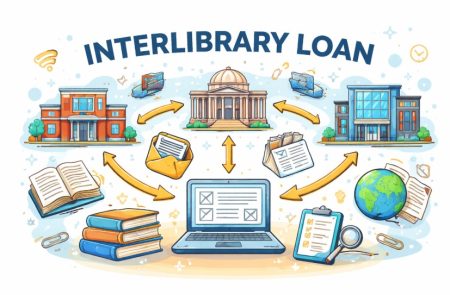
Interlibrary Loan (ILL) is a service that enables libraries to borrow books, articles, and other resources from other libraries on behalf of their users. This cooperative system is designed to expand access to a wider range of materials beyond what is available within a single library’s collection. Through ILL, patrons can request items such as books, journal articles, theses, and multimedia from libraries worldwide, bridging the gap between resource limitations and users’ information needs. The service exemplifies the collaborative nature of libraries, working together to enhance knowledge access, support research, and foster learning across communities.
What is the Interlibrary Loan?
Interlibrary Loan (ILL) is a service offered by libraries to facilitate the borrowing and lending of materials between different library systems. The primary goal of Interlibrary Loan is to provide library patrons with access to resources that are not available in their local library’s collection. This service enables individuals to request books, articles, multimedia materials, and other items from libraries outside their network, expanding the range of materials they can access for research, study, or personal enrichment.
The process typically involves a patron submitting a request for a specific item unavailable at their home library. The library staff then works to locate a library that possesses the requested item and is willing to lend it. Once a lending library is identified, the requested material is sent to the patron’s home library, where they can borrow and use it for a specified period. Interlibrary Loan is not limited to physical materials; many libraries also participate in electronic Interlibrary Loan programs, allowing patrons to access digital resources like journal articles and e-books from libraries worldwide.
Interlibrary Loan is crucial in creating a collaborative network among libraries, fostering resource-sharing, and ensuring users access a broader and more diverse range of materials. This service is precious for academic researchers, students, and anyone seeking information that may be rare, out of print, or unavailable locally.
How Does the Interlibrary Loan Process Work?
Interlibrary Loan (ILL) is an invaluable service that allows libraries to expand their collection reach and support users by borrowing materials from other libraries. Whether for academic, research, or personal purposes, ILL is vital in ensuring access to resources that may not be immediately available in a user’s home library. Here’s an overview of how it works:
- User Initiates the Request
The ILL process begins when users need a book, article, or other resource unavailable in their home library’s collection. To initiate a request, the user fills out an online form through the library’s catalog system, a specialized ILL platform, or by visiting the library in person. Providing accurate details about the item, such as the title, author, and publication date, helps streamline the process. - Verification by the Home Library
Once a request is submitted, the home library verifies its own holdings to ensure that the item is not part of its collection. The user is informed if the item is available within their resources, and the request does not move to the next stage. If not, the library staff moves forward with locating the item through external means. - Locating a Lending Library
The next step involves searching for a partner library that owns the requested item. This search is conducted using shared library networks and databases, such as OCLC WorldShare, ILLiad, or other national and regional interlibrary loan systems. These platforms connect libraries across a vast network, making it possible to locate materials efficiently. - Submitting the Loan Request
Once a lending library is identified, the home library sends a formal request. This request includes detailed information about the material and is sent through an interlibrary loan platform. The lending library reviews the request, checks availability, and decides whether to approve the loan based on their policies, lending capacity, and current demand. - Lending Library Response and Preparation
If the lending library approves the request, they prepare the material for shipping. Physical items like books or multimedia resources are carefully packed and sent via mail or courier services. Digital items, such as electronic journal articles or scanned book chapters, are shared electronically through secure delivery systems. - Delivery and Notification
Once the requested item reaches the home library, the user is promptly notified. Depending on the type of material, the user may need to pick it up in person or receive it electronically. The delivery time can vary based on the distance between libraries and the method of transport. - Borrowing Period and Usage
The user can borrow the item for a predetermined period, typically ranging from two to four weeks, though this depends on the policies of the lending library. Certain conditions may apply, such as restrictions on copying or in-library use only. Users must adhere to these guidelines to maintain good standing within the ILL system and foster continued partnerships between libraries. - Return Process
Once the user has finished using the material, it must be returned to the home library by the due date. The home library then returns the item to the lending library to complete the process. Ensuring timely returns is crucial to maintain trust and cooperation between libraries and to prevent potential late fees. - Fees and Associated Costs
While many libraries offer ILL services at no charge, some may have a nominal fee to cover shipping or processing costs. The fee structure varies depending on the type of material, the distance between libraries, and the policies of the lending library. Users are informed in advance if there are any costs associated with their request.
Interlibrary Loan is an essential service that breaks down barriers to information access, fostering a collaborative network that extends well beyond the walls of individual libraries. By understanding how the ILL process works—from the initial user request to the return of the material—users can better appreciate the effort and coordination involved in providing this service. ILL ensures that knowledge remains widely accessible, supporting educational growth and intellectual exploration across communities and regions.
Who is Eligible to Use Interlibrary Loan Services?
Interlibrary Loan (ILL) services are a testament to the collaborative spirit within the library community, providing users with access to materials not available within their home libraries. Whether for academic, professional, or personal needs, ILL expands resource access by allowing libraries to borrow items from a network of partner libraries. But who can actually take advantage of these services? Here, we explore the various groups eligible for ILL and discuss important considerations for accessing this service.
- Registered Library Members: The most common requirement for using ILL services is having a membership or active account with a library that offers the service. This includes public libraries, academic libraries, and certain special libraries. Library membership ensures that the library can keep track of borrowed items and maintain accountability.
- Public Libraries: Patrons who have a valid library card with their local public library are typically eligible for ILL services. Public libraries often have their own regional or state-level partnerships that facilitate borrowing across a network of libraries.
- Membership in Good Standing: Libraries usually require that members have a good borrowing history, free from significant overdue materials or unpaid fines, to be eligible for ILL services.
- Students: Students at educational institutions are prime beneficiaries of ILL services, as access to diverse materials is crucial for coursework, research, and academic growth.
- University and College Students: Academic libraries at universities and colleges offer ILL services to both undergraduate and graduate students. This is essential for accessing scholarly articles, specialized books, and conference papers that may not be available in the institution’s own collection.
- Different Levels of Access: While all students may be eligible, graduate and doctoral students often have more comprehensive access to ILL services, particularly for rare or specialized materials needed for advanced research projects.
- Faculty and Academic Staff: In higher education, faculty members and academic staff rely on ILL services for their teaching and research needs. Access to a broad range of materials allows professors and instructors to create in-depth course content and stay updated with current developments in their fields.
- Research and Publication Support: Faculty often use ILL to obtain books, articles, and other resources needed for publishing papers and conducting research.
- Library Policies for Staff: Academic institutions typically extend ILL privileges to teaching and non-teaching staff to support their professional development and workplace projects.
- Independent Researchers: Individuals conducting personal or professional research without formal academic affiliation can often utilize ILL services through public libraries or research-focused institutions.
- Public Library Access: Independent researchers may access ILL through public library membership. This is especially useful for writers, historians, or scientists who need specialized resources but do not have direct access to university libraries.
- Library Membership: Eligibility is usually contingent on having a valid library account, and some libraries may charge fees for processing or handling certain requests.
- Professionals and Corporate Users: Professionals in various industries can benefit from ILL services, particularly when they require specialized materials for their work.
- Industry-Specific Libraries: Special libraries, such as those focusing on law, medicine, or engineering, may offer ILL services tailored to industry professionals. For example, a lawyer may need access to legal journals or case studies not available in their primary library.
- Collaborative Agreements: Some corporations have partnerships with libraries that enable employees to use ILL services as part of their professional development or research initiatives.
- General Public Library Patrons: Public libraries often extend ILL services to any library member within their community, supporting various needs from educational projects to leisure reading.
- Community Access: Public library patrons can use ILL to borrow books, articles, and other resources that might not be part of the local collection, such as rare titles or older publications.
- Interstate and Regional Constraints: Depending on the library’s participation in regional or state-wide networks, ILL services may be limited to patrons who reside within a certain geographic area.
Considerations for Eligibility:
Eligibility for ILL services can vary based on the specific library’s policies and resources. Here are some key factors to keep in mind:
- Age Restrictions: Some libraries may have age restrictions for ILL use, often limiting it to adult patrons or older teenagers.
- Fees and Costs: While many libraries offer ILL services for free, some may require a small fee to cover shipping or processing, especially for international loans or specialized materials.
- Loan Periods and Renewals: The lending library sets the loan period, and users must comply with those timeframes. Not all items are eligible for renewal, so borrowers need to return materials promptly to avoid fines and maintain good standing within the ILL system.
- High-Demand and Special Materials: Certain items, like new bestsellers, textbooks, or rare archival documents, may have restrictions or limited availability for ILL.
Interlibrary Loan services bridge the gap between the resources a single library holds and the vast amount of knowledge available worldwide. By understanding the different user groups eligible for ILL—ranging from public library members and students to professionals and independent researchers—individuals can better leverage these services to fulfill their informational and research needs. Each library’s specific policies dictate the exact eligibility and access levels, so it is important for potential users to familiarize themselves with their home library’s rules and any associated costs.
How do libraries decide which requests to fulfill through ILL?
Libraries use a combination of policies, resource availability, and strategic considerations to decide which Interlibrary Loan (ILL) requests to fulfill. Here’s a breakdown of the factors that libraries consider when determining which requests to process:
- Lending Policies of Partner Libraries: Each library that participates in ILL sets its own policies regarding which materials it is willing to lend. These policies can vary widely and may include restrictions on:
- New Releases: Many libraries choose not to lend recently published or highly popular books to ensure their availability for local patrons.
- Rare or Special Collections: Fragile, valuable, or rare items are often excluded from ILL to prevent potential damage or loss.
- Reference Materials: Items typically kept in the reference section, such as encyclopedias, dictionaries, and other non-circulating resources, are usually not lent through ILL.
- Availability of Materials: Libraries check the availability of requested items within their own collection and among partner libraries. If an item is rare or in high demand, it may be harder to secure. Libraries often rely on shared catalogs and networks, such as OCLC WorldCat, to determine which partner libraries hold the requested item and whether it is available for loan.
- Budget and Cost Considerations: The cost of fulfilling ILL requests can be a deciding factor. Libraries may need to cover shipping fees, handling costs, and copyright fees for certain materials. If a requested item is particularly costly to obtain, the library may need to evaluate whether the expense aligns with its budget or inform the user of potential fees before proceeding.
- Purpose and Type of Request: Some libraries prioritize fulfilling requests that support academic, professional, or educational purposes over those for recreational reading. For instance, a university library might prioritize requests that help faculty, researchers, or students complete assignments or projects. Public libraries, on the other hand, may have more flexible policies that support a wide range of user needs.
- Borrower’s Status: Libraries may prioritize ILL requests based on the status of the borrower. For example, faculty members, graduate students, and researchers might receive preference for requests related to academic work. In public libraries, active members in good standing are typically eligible for ILL, but limits may apply based on the user’s borrowing history or overdue status.
- Copyright Compliance: For requests involving copies of articles, book chapters, or other portions of a work, libraries must ensure compliance with copyright laws and agreements. The requested material must fall within the allowances of fair use or licensing agreements, which often limit the number of pages or the proportion of a work that can be copied. Libraries carefully review these regulations to avoid legal issues.
- Existing Agreements and Partnerships: Many libraries belong to regional, state, or international consortia that facilitate resource sharing. Membership in these networks can influence which requests are fulfilled, as these agreements often establish preferred lending practices and support efficient sharing of resources. Libraries may prioritize ILL requests that can be filled through these cooperative networks to reduce costs and processing time.
- Condition and Format of the Material: The condition of the requested item plays a role in whether it can be lent. Libraries are often reluctant to lend items that are fragile, damaged, or difficult to replace. Additionally, certain formats—such as microfilm, rare manuscripts, or archival documents—may not be available for loan due to preservation concerns.
- Time Sensitivity: Libraries may consider the urgency of a request when deciding whether to fulfill it. Users with time-sensitive needs, such as researchers working under a deadline, may have their requests prioritized if feasible. However, if a request requires lengthy processing or shipping times, the library may inform the user and offer alternative solutions.
- Borrowing History and User Limits: Many libraries have policies that limit the number of ILL requests a user can make within a specific period. This helps manage demand and ensures that resources are distributed fairly among all patrons. If a user has an outstanding balance, overdue ILL materials, or a history of late returns, the library may choose not to fulfill additional requests until those issues are resolved.
Libraries consider multiple factors when deciding which Interlibrary Loan requests to fulfill. Policies set by lending institutions, availability of materials, budget constraints, and the purpose of the request all contribute to these decisions. By carefully balancing these considerations, libraries strive to meet the diverse needs of their patrons while maintaining sustainable and efficient ILL services. Understanding these factors helps users appreciate the complexity of ILL operations and sets realistic expectations for accessing resources through this valuable service.
Are There Any Fees Associated with Using Interlibrary Loan Services?
Yes, there can be fees associated with using Interlibrary Loan (ILL) services, although this depends on the policies of the specific library and the type of material being requested. Many libraries strive to offer ILL services for free or at a minimal cost to encourage access to a wider range of resources. However, some fees might apply, such as shipping and handling charges for physical materials, especially if they come from distant or international libraries. Additionally, there may be fees for copying or digitizing articles and book chapters, particularly when copyright regulations or specialized handling are involved. Some lending libraries impose charges that the borrowing library may pass on to the patron, and administrative fees might also be included to cover processing costs. Overdue items and lost materials can incur late fees or replacement costs. Libraries typically inform users before any potential charges, allowing patrons to decide whether to proceed with their request.
Benefits of Using Interlibrary Loan
Interlibrary Loan (ILL) services have become an indispensable part of the library experience for patrons seeking access to a broad range of materials beyond their local collection. ILL expands the scope of what a single library can offer, whether for academic, professional, or personal use. Interlibrary Loan (ILL) services offer significant benefits that enhance the user experience and support a wide range of information needs. Here are the main advantages of using ILL:
- Expanded Access to Resources: One of the most significant advantages of ILL is the expanded access to resources it provides. Libraries, especially smaller ones, may face limitations in their collections due to budget constraints, space, or specialized focus. Through ILL, patrons can access a wealth of materials, including books, journal articles, dissertations, multimedia, and more, from libraries across the country or even internationally. This access broadens the scope of information available to users, ensuring they can find the content they need, even if it is not locally available.
- Support for Academic and Professional Research: ILL is a vital tool for students, educators, and professionals who require comprehensive materials for research and study. Academic projects often call for specialized or hard-to-find sources, such as peer-reviewed journal articles, conference papers, or niche books. ILL enables these users to obtain crucial information that supports thorough research and informed analysis. For professionals in law, medicine, and engineering fields, ILL can provide access to industry-specific publications and technical documents that keep them updated with the latest advancements and best practices.
- Cost-Effective Resource Sharing: The cost of acquiring new books, journals, and other materials can be substantial for both libraries and their patrons. ILL services allow libraries to share resources, reducing the need for individual libraries to purchase every item their users request. This collaborative model ensures that library budgets are used efficiently while patrons gain access to the materials they need without bearing the high costs of purchasing them. By leveraging shared resources, ILL helps keep access to knowledge affordable and equitable.
- Time Savings for Patrons: Locating and acquiring specific resources can be time-consuming, especially if a user needs to contact or visit multiple libraries. ILL streamlines this process by enabling patrons to request items through their home library, which then handles the task of finding and borrowing the item from other institutions. This saves users considerable time and effort, allowing them to focus on their research or studies instead of the logistics of tracking down materials. The library notifies the patron when the item is available, making the process smooth and user-friendly.
- Enhanced Collaboration Among Libraries: Interlibrary Loan fosters a spirit of collaboration among libraries by creating networks where resources and expertise are shared. This cooperation allows libraries to collectively meet the diverse needs of their patrons without maintaining comprehensive collections independently. For smaller libraries, being part of an ILL network means offering a richer array of materials than would otherwise be possible. For larger libraries, it helps facilitate the sharing of valuable resources, creating a balanced and mutually beneficial system.
- Access to Rare and Out-of-Print Materials: Libraries do not always have the means to maintain collections of rare, out-of-print, or older materials. ILL provides a solution by granting access to these resources through partner libraries that may have them in their archives. This benefit is particularly valuable for researchers, historians, and enthusiasts who need original documents, historical books, or specialized publications that are difficult to obtain. Access to these rare materials enriches research and helps preserve interest in less mainstream or niche topics.
- Convenience and User-Focused Service: One of the main advantages of ILL is the convenience it offers. Most libraries make it simple for patrons to submit requests online through their websites or designated ILL systems. Once an item is available, patrons receive notifications and can pick up physical items or access digital content directly. This user-focused approach ensures that the service is easy to navigate and meets the needs of various users. Some libraries even offer electronic delivery of scanned articles and book chapters, providing almost immediate access to essential materials.
- Enhanced Academic Collaboration: For students, educators, and researchers, ILL facilitates academic collaboration by allowing the exchange of ideas and resources across institutions. By accessing a broader range of research materials, scholars can produce more comprehensive work, engage in interdisciplinary research, and contribute more effectively to their fields of study. This collaborative aspect of ILL promotes a network of shared learning that strengthens academic communities and supports innovation.
Interlibrary Loan services represent a powerful and collaborative tool for accessing information beyond a single library’s holdings. From supporting research and expanding access to rare and specialized resources to promoting lifelong learning and providing user convenience, ILL offers extensive benefits for many patrons. The service exemplifies the cooperative nature of libraries and underscores their shared commitment to making knowledge accessible to all.
How does Interlibrary Loan support academic research and study?
Interlibrary Loan (ILL) is a crucial service that supports academic research and study by granting students, faculty, and researchers access to vast materials beyond their home institution’s collection. This service ensures that scholars can obtain specialized books, journal articles, theses, and other resources that might not be available locally, enabling in-depth and well-rounded research. ILL facilitates comprehensive literature reviews and supports interdisciplinary studies by allowing users to draw from sources in various fields, enriching their work with diverse perspectives and methodologies. For smaller academic libraries or those with limited budgets, ILL bridges collection gaps and provides a cost-effective way for patrons to access necessary materials without incurring high expenses for resource acquisition. Additionally, digital delivery options for scanned articles and book chapters make it possible to receive essential materials quickly, aiding researchers who work on tight deadlines. By enhancing access to specialized and rare publications, ILL contributes to higher-quality, evidence-based academic work and fosters collaboration among scholars from different institutions, ultimately promoting a more connected and resourceful academic community.
What Are the Challenges Faced by Libraries When Offering Interlibrary Loan Services?
Interlibrary Loan (ILL) services are a vital part of the library ecosystem, enabling users to access materials that may not be available in their local library. While ILL provides immense benefits to patrons, offering this service comes with its own set of challenges for libraries. From logistical and budgetary constraints to legal and technological issues, libraries must navigate various obstacles to maintain and improve their ILL services. Here are some of the main challenges faced by libraries when offering ILL services:
- Resource Availability and High Demand: One of the biggest challenges in offering ILL services is managing the availability of resources. When items are rare, out-of-print, or in high demand, it can be difficult to secure them through ILL. Lending libraries may have policies that prioritize their local patrons, making it challenging to borrow popular or limited-availability materials. As a result, users may experience delays or find that some requests cannot be fulfilled, which can lead to frustration and dissatisfaction.
- Budget Constraints: Operating an ILL service can be costly for libraries, as it involves expenses such as shipping, handling, and processing fees. While domestic requests may be affordable, international ILL can be much more expensive due to higher shipping rates and potential customs fees. For many libraries, especially smaller or underfunded ones, these costs can be a significant burden. Budget constraints may limit the number of requests a library can handle or lead to fees being passed on to the patron, potentially reducing the accessibility of the service.
- Staffing and Resource Management: ILL services require dedicated staff to manage requests, coordinate with partner libraries, track the movement of borrowed items, and handle returns. Balancing ILL responsibilities with other essential services can be difficult for libraries with limited personnel. This can lead to slower processing times, delayed responses to requests, and reduced service quality. Ensuring that staff are properly trained and supported is essential for maintaining a reliable ILL service, but doing so can strain resources.
- Technology Integration and Maintenance: Libraries rely on specialized software to process and track ILL requests. Integrating these systems with existing library management software can be complex and may require significant financial and technical investment. Incompatibility between different systems used by lending libraries can create communication barriers, making it harder to process requests smoothly. Additionally, regular updates and training on new software are needed to keep the service efficient, which can be both time-consuming and costly.
- Copyright and Licensing Issues: Navigating copyright laws and licensing agreements is one of the more complex challenges faced by libraries offering ILL services. While borrowing physical items is typically straightforward, providing copies of articles, book chapters, or other content requires careful attention to copyright regulations. Libraries must ensure compliance, often adhering to limitations on the number of pages that can be copied or restrictions set by licensing agreements. Failure to comply can lead to legal repercussions, adding an extra layer of responsibility for library staff.
- Turnaround Time and User Expectations: ILL services can sometimes be slow, depending on the availability of requested materials and the lending library’s lending process. Delays in shipping or processing backlogs can impact how quickly users receive their items. This is particularly challenging for students and researchers who may be working under time constraints. Libraries need to manage user expectations by clearly communicating estimated delivery times and potential delays, but doing so effectively can be challenging, especially when external factors are involved.
- Lending Restrictions and Policies: Each lending library sets its own policies regarding what items it is willing to lend through ILL. Some libraries may not lend rare books, new releases, entire journal issues, or certain audiovisual materials. These lending restrictions can limit the types of resources that can be accessed through ILL, making it difficult for requesting libraries to fulfill user requests. Libraries need to navigate these policies and manage user expectations about what can and cannot be borrowed.
- Risk of Lost or Damaged Items: Another significant challenge is the potential for borrowed items to be lost or damaged in transit or during use. If an item is lost or returned in poor condition, the borrowing library is typically responsible for replacing or reimbursing the lending library. This risk can be costly and may deter some libraries from participating in ILL networks or restrict the types of materials they are willing to request.
- Communication and User Support: Clear communication with users is crucial for a successful ILL service. Libraries must ensure patrons understand the process, potential fees, and limitations. Managing user expectations and providing timely updates on request statuses can be difficult, especially if delays occur or if requested items are unavailable. Ensuring effective communication helps build trust and user satisfaction but requires ongoing effort from library staff.
- Sustainability and Funding: Maintaining a sustainable ILL service requires consistent funding and strategic planning. Public libraries and academic institutions alike face budget pressures that can lead to cutbacks, impacting their ability to offer comprehensive ILL services. Securing funding to cover expenses such as staffing, software updates, and operational costs is an ongoing challenge that requires advocacy and strategic resource allocation.
While Interlibrary Loan services are invaluable for expanding access to resources and supporting academic and professional research, they come with various challenges for libraries. From budget constraints and technology integration to copyright compliance and communication, libraries must continuously navigate these hurdles to offer efficient and effective ILL services. Addressing these challenges involves strategic planning, collaboration with other institutions, and clear communication with users. Despite the difficulties, the benefits of ILL make it a service worth maintaining and improving, ensuring that libraries continue to be gateways to knowledge and information for their communities.
Some Common Misconceptions About Interlibrary Loan
Interlibrary Loan (ILL) is a valuable service that many library patrons use, but there are several common misconceptions about how it works and what it offers. These misunderstandings can lead to confusion or underutilization of the service. Here are some common misconceptions about Interlibrary Loan:
- ILL is Only for Books:
One of the most common misconceptions is that ILL is only used for borrowing books. While borrowing books is a significant part of the service, ILL can provide access to a much broader range of materials. This includes journal articles, theses, conference papers, microfilms, book chapters, DVDs, and even special collections or rare documents. Knowing that ILL encompasses many types of resources can help patrons make better use of the service for diverse research needs. - ILL Services Are Expensive for Patrons
Many people believe that using ILL services will come with significant fees. While some libraries might charge small fees for shipping or handling, many offer ILL services free of charge or with minimal costs. Public and academic libraries often absorb these costs to provide equitable access to materials. Patrons are usually informed about any potential fees before a request is processed, ensuring transparency. - ILL Takes Too Long
Some patrons assume that the ILL process is too slow to be worthwhile, but the reality is that many requests, especially for digital items like articles, can be fulfilled relatively quickly—often within a few days. While physical items may take longer due to shipping times, the perceived delays are often shorter than expected. Libraries strive to fulfill requests as efficiently as possible, and improvements in logistics and technology continue to streamline the process. - Only Large Libraries Offer ILL
Another misconception is that only large, well-funded libraries offer ILL services. In reality, many public and smaller academic libraries participate in ILL networks. These networks allow libraries of all sizes to collaborate and share resources, expanding access for patrons even in smaller or rural areas. The participation of smaller libraries helps ensure a robust, interconnected system of resource sharing. - Libraries Can Borrow Any Item Through ILL
While ILL is designed to access a wide range of materials, there are limitations. Not all items are eligible for borrowing, as lending libraries set their own policies on what they are willing to share. Certain rare books, new releases, reference materials, and audiovisual items may not be available for lending. Understanding that not every request can be fulfilled helps set realistic expectations for users. - ILL Is Only for Academic Purposes
Many people think that ILL is only meant for students or researchers. While it is true that ILL plays a significant role in academic research, it is available for all library users, including those who need materials for personal reading, hobbies, or professional development. Public libraries often use ILL to support community interests and education, not just formal academic work. - ILL Is Complicated to Use
Some patrons are hesitant to use ILL because they believe it involves a complicated process. However, most libraries have simplified their request procedures, often offering online forms or direct access through their catalog systems. Library staff are also available to assist users with submitting requests, making the process accessible even for those unfamiliar with it. - ILL Requests Are Always Fulfilled
It’s a common belief that every ILL request will be fulfilled, but this is not always the case. Some items may be unavailable due to high demand, lending restrictions, or the material’s condition. Libraries do their best to find alternative options or suggest similar resources if a requested item cannot be provided, but it’s important for patrons to understand that there is no guarantee. - ILL Is Only for Local or National Loans
Many users assume that ILL services are limited to local or national loans, but they can extend internationally as well. Libraries often collaborate with institutions in other countries to provide access to unique or rare items. While international ILL may involve longer wait times and potential fees, it expands the scope of available resources significantly. - ILL Puts Too Much Pressure on Libraries
Some believe that ILL services strain a library’s resources and staff. While managing ILL services does require effort, libraries view it as a core part of their mission to expand access to knowledge. Collaboration among libraries helps distribute the workload, making it more manageable and ensuring that the benefits outweigh the operational demands.
Interlibrary Loan services are a powerful tool for libraries and their patrons, enabling access to a wealth of resources beyond a single library’s collection. Dispelling these common misconceptions helps users better understand the value and functionality of ILL services. Whether for academic, professional, or personal use, ILL remains an essential and user-friendly service that supports learning and discovery across communities.
In conclusion, Interlibrary Loan (ILL) stands as a beacon of collaboration, knowledge sharing, and access within the dynamic landscape of libraries. It is a testament to the commitment of libraries to break down barriers and ensure that every seeker of information, regardless of geographic constraints or local collection limitations, has the means to explore the vast realms of knowledge. ILL not only enriches academic research, fosters a culture of lifelong learning, and democratizes information but also embodies the collective spirit of libraries worldwide. By seamlessly connecting libraries into a global network, ILL transforms individual institutions into integral nodes of a shared intellectual journey. As patrons traverse the diverse tapestry of resources made available through ILL, they underscore the enduring role of libraries as facilitators of universal access to information. In embracing the collaborative essence of Interlibrary Loan, libraries contribute not only to the enrichment of individual pursuits but also to the broader tapestry of human understanding and scholarship.
Reference Article:
- Khan, M. A. (2013). IPR in India and USA: Its impact on library services. Retrieved from: http://hdl.handle.net/10603/40586
- Hilyer, L. A. (2006). Interlibrary Loan and Document Delivery: Best Practices for Operating and Managing Interlibrary Loan Services in All Libraries. Routledge.
- Introduction to Interlibrary Loan. (2006). In Interlibrary Loan and Document Delivery. Routledge.
- Musser, L. R., & Coopey, B. M. (2016). Impact of a Discovery System on Interlibrary Loan. College & Research Libraries, 77(5), Article 5. https://doi.org/10.5860/crl.77.5.643
- Pierce, J. (2001). User satisfaction with the interlibrary loan system at Camden County Library: A case study. Theses and Dissertations. https://rdw.rowan.edu/etd/1595
- Porat, L., & Fine, S. (2009). Factors and characteristics of interlibrary loan use and non‐use. Interlending & Document Supply, 37(1), 20–27. https://doi.org/10.1108/02641610910938587
- Posner, B. (2014). The view from interlibrary loan services: Catalyst for a better research process. College & Research Libraries News, 75(7), Article 7. https://doi.org/10.5860/crln.75.7.9159





4 Comments
This is very helpful
This site is very helpful