
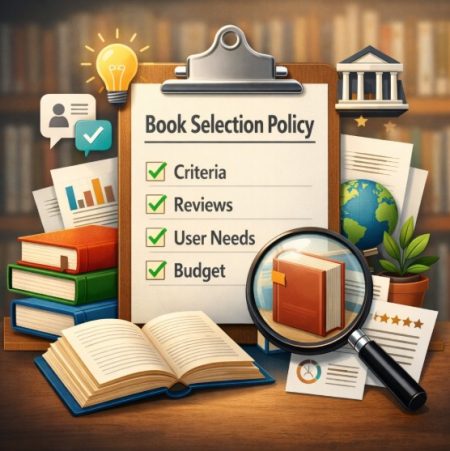
Book selection in a library is a crucial process that ensures the development of a relevant, diverse, and accessible collection for its users. The process involves carefully evaluating and choosing books based on a variety of criteria, including the needs and interests of the community, the library’s budget, and the quality and credibility of the materials. Librarians must strike a balance between including popular, widely requested books and those that serve educational, research, or cultural purposes. Considerations such as age appropriateness, diversity of perspectives, and representation of various genres and topics are vital to creating an inclusive collection that meets the diverse needs of the library’s audience. Additionally, the process is influenced by factors like book reviews, recommendations, publisher catalogs, and even the physical condition of existing materials.
The Criteria for Book Selection in a Library
Book selection in a library is more than just purchasing books that look appealing on a shelf. It is a thoughtful and systematic process designed to build a collection that caters to the unique needs of the library’s users. The materials a library chooses to offer must be relevant, credible, accessible, and diverse to meet the educational, informational, and recreational needs of the community. In this article, we will explore the key criteria for book selection that libraries use to shape their collections and ensure they remain valuable resources for all patrons.
- Community Needs and Interests: The selection process begins with understanding the specific needs and interests of the library’s community. Different libraries serve different populations, and this must be reflected in the collection. For instance, public libraries might prioritize books that support leisure reading, personal growth, and popular trends, whereas academic libraries focus on research materials that are aligned with educational curricula and academic disciplines.
Libraries often consider community surveys, feedback from library users, and local demographics to help guide book selection. For example, a library in a suburban community with young families might emphasize children’s books, parenting guides, and young adult literature. Similarly, a university library may focus on textbooks, scholarly articles, and research resources relevant to various academic programs. - Quality and Credibility: The quality of a book is a critical factor in the selection process. Librarians assess books for their overall quality, accuracy, and the credentials of the author. Academic libraries, in particular, give high priority to the authority of the authors and the publishers of a book to ensure that the materials are credible and reliable.
Reviews from trusted sources, such as scholarly journals, reputable book review publications, and librarian recommendations, often play a significant role in determining the quality of books. Books with scholarly merit, written by reputable authors, and published by respected publishers are more likely to be added to a library’s collection. Popular fiction and non-fiction books, which might not always have academic rigor, are selected based on their appeal and relevance to library patrons. - Diversity of Perspectives: Libraries play a vital role in promoting diversity and inclusivity. A well-rounded collection should represent a broad spectrum of viewpoints, cultures, and experiences. This means selecting books that address different social, political, historical, and cultural issues from various perspectives. Books that provide insight into different cultures, social movements, and human experiences are essential to fostering an inclusive environment in the library.
Librarians also ensure that the collection reflects a balance of genres, ranging from fiction and non-fiction to graphic novels, biographies, and reference materials. Representation in literature is particularly important, as it provides users access to diverse voices and stories, which can enrich their understanding of the world. - Age Appropriateness: Libraries serve a wide range of age groups, from young children to adults. Thus, age appropriateness is a critical criterion when selecting books. For children’s libraries, the selection process ensures that materials are suitable for different developmental stages and that they align with the educational needs of the younger audience. Young adult fiction, in particular, often balances complex themes with accessible language for adolescent readers. In addition, libraries must provide materials for adults, from easy-to-read fiction to in-depth academic texts, to cater to the diverse range of interests and literacy levels in their community. Books must be selected with the understanding that what works for one age group may not be suitable for another.
- Popularity and Demand: Another important factor in book selection is the popularity and demand of certain titles. Libraries often keep track of the books that are frequently requested by patrons and make acquisitions based on these patterns. For public libraries, the demand for bestsellers or books by popular authors is a key consideration, as patrons expect to find the latest and most sought-after books in the collection. However, it is equally important for libraries to strike a balance between popular books and those that might be less in demand but still valuable. This ensures that the collection remains diverse and accessible to all library users, not just those seeking the most current trends.
- Budgetary Constraints: Budget is often one of the most significant factors that affect the selection process. Libraries typically have limited funds to spend on acquiring new books, and librarians must be strategic in their choices. In many cases, libraries rely on donations, grants, and partnerships to expand their collections, especially for specialized or niche topics. Given financial constraints, libraries may have to make difficult decisions about which books to prioritize. Popular or highly demanded titles may be more easily funded, but libraries must also allocate resources to maintaining an updated, diverse, and inclusive collection across all genres and subject areas.
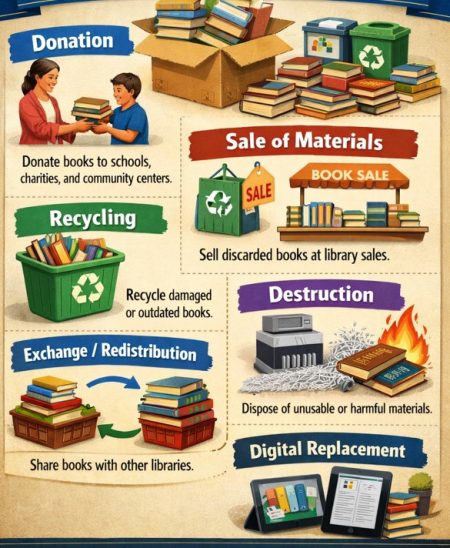
- Condition of Existing Materials: Book selection does not only involve acquiring new materials; it also requires regular assessments of the condition of existing books. Libraries must periodically “weed” out outdated, worn, or irrelevant materials. This ensures that the collection remains manageable, up-to-date, and in good condition. Weeding involves evaluating the usefulness of older books and determining whether they should be replaced or removed. If a book is no longer in circulation, is outdated, or is in poor physical condition, it may be removed to make room for newer, more relevant materials.
- Format and Accessibility: In today’s digital world, libraries are expanding beyond print books to include a variety of formats, such as ebooks, audiobooks, and online databases. Libraries are increasingly incorporating these formats to cater to diverse learning styles and improve accessibility for users with special needs. For instance, audiobooks can support individuals with visual impairments or learning disabilities, while ebooks are convenient for those who prefer digital reading. Libraries must ensure that they offer a range of formats to accommodate the varied preferences and needs of their patrons.
- Controversial or Sensitive Content: Libraries often face challenges when selecting books that contain controversial or sensitive content. The principle of intellectual freedom is a cornerstone of library services, meaning that libraries should provide access to a wide range of ideas and viewpoints, even if they might be controversial or uncomfortable for some users. However, libraries must also be mindful of community standards and sensitivities, ensuring that materials are handled with care. Libraries often have policies in place to ensure that books containing sensitive material are available to those who seek them but are clearly labeled and protected from inadvertent access by younger audiences.
The book selection process in libraries is multifaceted and requires careful consideration of numerous factors to ensure that the collection is relevant, diverse, and accessible. Librarians must balance the needs of the community, budget constraints, popular demand, and intellectual freedom while curating a collection that serves as a valuable resource for education, research, and personal enrichment. By adhering to these criteria, libraries continue to fulfill their mission of providing equal access to information and fostering lifelong learning for all members of society.
Balancing Popular Books with Academic and Research-Focused Materials in Libraries
Libraries face the challenge of balancing the acquisition of popular books with the need to maintain a strong collection of academic and research-focused materials. Popular books, such as bestsellers, new releases, and trending titles, are essential for keeping the library’s collection relevant to the general public and meeting its patrons’ recreational needs. These materials often generate high circulation and attract a wide range of readers, contributing to the library’s role in fostering literacy and providing entertainment. However, libraries must also ensure that their collections serve more specialized needs, such as academic research, professional development, and in-depth study.
To strike this balance, librarians assess the specific needs of their community. In public libraries, for example, the demand for popular books may be higher, and these books are often prioritized to satisfy the leisure and educational needs of a diverse patron base. In academic libraries, however, there is a more significant emphasis on acquiring textbooks, journals, scholarly articles, and other resources that support rigorous academic study. The needs of faculty, researchers, and students play a critical role in determining the collection priorities and ensuring the availability of current research and foundational texts in various academic disciplines.
Librarians manage these competing priorities by using a variety of strategies. Budget considerations often influence how libraries divide their resources between popular materials and academic texts, ensuring that neither area is neglected. Many libraries also curate their collections through targeted purchases and community feedback, ensuring that both popular and research-focused materials reflect the interests and requirements of their users. By carefully managing acquisitions, libraries can provide a balanced and diverse range of resources that cater to both casual readers and those engaged in scholarly pursuits.
The Role of Intended Audience in Book Selection
The intended audience plays a crucial role in the book selection process for libraries, as it ensures that the materials chosen meet the needs and preferences of those who will be using them. Librarians must carefully consider factors such as age group, interests, and reading levels to curate a collection that is accessible, engaging, and appropriate for different patrons. For instance, in children’s libraries, books are selected with an emphasis on age-appropriate content, which aligns with the developmental stages of young readers. Picture books, early readers, and middle-grade novels are carefully chosen to encourage literacy, creativity, and learning, with consideration given to themes, language complexity, and illustrations that are suitable for different age groups.
In addition to age, the interests of the intended audience are also key to the selection process. Public libraries, for example, must consider the diverse hobbies, interests, and passions of their community members. Whether it’s sports, cooking, travel, or fantasy fiction, books that align with the specific interests of readers will likely see higher circulation rates. Academic libraries, on the other hand, focus more on the specialized interests of students, faculty, and researchers, prioritizing textbooks, scholarly articles, and professional resources that support academic curricula and research in various fields.
For libraries that serve a wide range of age groups, such as public libraries that cater to children, teens, and adults, the selection process becomes more nuanced, as it involves balancing the need for a diverse range of materials. By paying attention to the intended audience’s unique needs, librarians can create a collection that promotes reading and learning at all stages of life, ensuring that everyone—regardless of age or interest—can find books that meet their informational, educational, and recreational needs.
How Librarians Evaluate the Quality and Credibility of Books When Making Purchasing Decisions
When librarians decide which books to add to their library’s collection, the evaluation of quality and credibility plays a pivotal role in ensuring that the materials they select are trustworthy, relevant, and of high value to their patrons. With an ever-expanding range of books available in the market, the selection process requires a thorough and nuanced approach to guarantee that the library’s offerings meet the needs of the community while maintaining a standard of excellence. Librarians use several methods to assess the quality and credibility of books before making purchasing decisions, taking into account the author’s expertise, the publisher’s reputation, reviews, and the accuracy of the content.
- Author’s Expertise and Reputation: One of the most significant factors in evaluating a book’s credibility is the author’s qualifications and background. A book written by an author who is an expert in the relevant field is more likely to be trusted by librarians and readers alike. Librarians often research an author’s academic credentials, professional experience, and previous publications to assess whether they are considered a credible authority in the subject matter. For non-fiction and academic books, an established author with a proven track record adds significant value, ensuring that the book is well-researched, accurate, and reliable. For example, a book written by a historian with a doctorate in history will typically be favored over one authored by someone with little expertise in the field.
- Publisher’s Reputation: The publisher’s reputation is another crucial consideration when evaluating the quality of a book. Established publishers, especially those specializing in academic or scholarly works, adhere to strict editorial standards and often engage in thorough fact-checking processes. Books published by well-known publishers are often viewed as more credible because they have undergone professional review, ensuring a level of accuracy, consistency, and integrity. Academic publishers, such as Oxford University Press or Cambridge University Press, are renowned for their rigorous editorial processes and peer-reviewed content. Thus, librarians are more likely to trust books from these reputable sources when selecting materials for educational or research-focused collections.
- Professional and Peer Reviews: Librarians also rely on reviews from trusted sources to help assess the quality and credibility of a book. Reviews from recognized academic journals, respected media outlets, and library-specific review services such as Library Journal, Booklist, or Publishers Weekly provide valuable insights into the book’s content, quality, and reception. These reviews often evaluate the book’s relevance, writing style, and clarity, as well as the credibility of the author’s arguments and the strength of the book’s evidence. Positive reviews from respected professionals or subject experts add credibility to the book and make it a more likely candidate for inclusion in the library’s collection.
- Accuracy of Content: For non-fiction and academic books, the accuracy of the content is of utmost importance. Librarians assess whether the book provides accurate, up-to-date, and well-researched information. In academic libraries, this is especially crucial, as students and researchers rely on credible sources for their work. If a book contains outdated or incorrect information, it can harm the integrity of the library’s collection and undermine its educational role. To ensure accuracy, librarians may cross-check a book’s facts with other trusted sources or consult experts in the field. For instance, a medical book that offers outdated health advice would be considered unsuitable, whereas a book written by recognized healthcare professionals and updated with current research would be prioritized.
- Relevance to the Library’s Collection: Beyond the quality and credibility of the book itself, librarians must also consider how the book fits into the broader scope of the library’s collection. A book’s relevance to the library’s mission and the specific needs of its users is another vital criterion. For academic libraries, this might mean acquiring books that support the curricula or that address emerging topics in research. Public libraries, meanwhile, must assess whether the book meets the recreational, informational, or educational interests of the local community. This means librarians must be attuned to current trends, cultural shifts, and the specific demographics of their patrons to ensure that the library’s collection reflects the interests and needs of its audience.
- Literary Quality: While non-fiction and academic books focus heavily on factual content and authority, fiction books are evaluated more for their literary quality. Librarians consider the storytelling, character development, narrative style, and overall literary merit when assessing fiction. While the author’s credentials are still important, fiction books are often evaluated based on the emotional and intellectual impact they can have on readers. Books that are well-crafted and have won literary awards or recognition from critics are often prioritized in library collections.
The process of evaluating the quality and credibility of books is multifaceted and involves a careful examination of several factors. By considering the author’s expertise, the publisher’s reputation, professional reviews, the accuracy of the content, and the relevance of the book to the library’s existing collection, librarians can ensure that they are providing patrons with reliable, high-quality materials. This rigorous approach allows libraries to maintain their role as trusted institutions, offering books that inform, educate, inspire, and entertain. Ultimately, the selection process helps libraries curate collections that support the diverse needs of their communities while upholding the highest standards of academic and informational integrity.
How Budget Constraints Impact the Selection of Books for a Library
Budget constraints are an inevitable challenge that libraries face when selecting books for their collections. While libraries strive to provide a wide range of high-quality materials to meet the diverse needs of their communities, limited financial resources require careful planning, prioritization, and strategic decision-making. The impact of budget constraints on book selection is significant, affecting everything from the types of books acquired to the number of new materials added to the collection.
- Prioritization of Resources: When funds are limited, librarians must prioritize the most essential materials based on their library’s mission, the needs of their patrons, and the anticipated demand for specific types of books. In public libraries, this often means focusing on high-demand popular titles, such as bestsellers or trending books, that are likely to attract the most visitors. Academic libraries, on the other hand, may prioritize textbooks, research materials, and scholarly journals that support students, faculty, and researchers. In both cases, budget constraints force librarians to make difficult decisions, sometimes having to choose between various books that could serve different purposes but may not all be financially feasible at once.
- Balancing New and Existing Materials: Libraries must also balance the acquisition of new materials with the maintenance of existing collections. Budget limitations may mean that libraries cannot always afford to purchase the latest releases or replace outdated books with updated editions. As a result, librarians may have to make tough choices about which books to buy based on their relevance, quality, and long-term value. In some cases, libraries may opt to purchase books in digital formats (such as e-books or audiobooks) as they may be more affordable and allow greater access to multiple users. The shift toward digital resources, while offering an efficient alternative, can also require libraries to allocate more of their budgets to online subscriptions and e-licenses rather than physical books.
- Use of Donated Books and Grants: Many libraries rely on donations from community members or organizations to offset budget constraints. Donated books can supplement the library’s collection, providing valuable resources without the associated cost. However, this approach may not always meet specific needs or standards, as donated materials might not align with the library’s collection goals. Additionally, libraries often seek grants from local governments, foundations, and other organizations to fund special projects or acquire books in specific areas of interest. These additional funding sources can provide libraries with the financial support needed to enhance their collections, but they may come with specific conditions or limitations on the types of materials that can be purchased.
- Reduced Acquisition of Niche or Specialized Books: Budget constraints also impact the acquisition of niche or specialized books that serve smaller audiences. These books, which may cater to specific academic disciplines, hobbies, or interests, often have limited circulation and may be seen as less cost-effective compared to more popular titles. As a result, libraries may be forced to limit the number of specialized materials they purchase, relying instead on digital archives, interlibrary loans, or the sharing of resources with other libraries to fulfill the needs of patrons requiring these types of books.
- Weeding and Replacement of Outdated Materials: Besides acquiring new books, libraries must regularly assess and “weed” their collections, removing outdated or damaged materials to maintain a relevant and usable library. Budget constraints can limit the library’s ability to replace or repair worn-out books, especially those that are no longer widely used or relevant. In some cases, books that are removed from circulation may not be immediately replaced, particularly if they are not considered critical to the library’s core mission or are outdated in terms of content.
Budget constraints play a significant role in shaping the selection of books in libraries. With limited funds, librarians must prioritize their acquisitions carefully, balancing the need for popular, widely requested materials with the long-term educational and informational goals of the library. While libraries strive to provide a diverse and inclusive collection, financial limitations require a strategic approach to ensure that books meet the specific needs of the community while maintaining quality and relevance. In the face of these challenges, libraries often turn to donations, grants, and digital resources to supplement their physical collections and enhance their ability to serve patrons effectively. Despite financial constraints, libraries continue to play a vital role in fostering access to knowledge and promoting lifelong learning for all members of the community.
How Libraries Handle Controversial or Sensitive Content in Their Collections
Libraries are entrusted with providing access to a broad spectrum of ideas, viewpoints, and information, which often includes content that may be considered controversial or sensitive. The handling of such material presents a delicate challenge for librarians, who must balance the principles of intellectual freedom with the need to respect community values and sensitivities. Libraries strive to offer materials that represent diverse perspectives, but they also must consider the potential impact of controversial or sensitive content on their users. This balance is carefully navigated through policies, community engagement, and thoughtful curation.
- Intellectual Freedom and the Library’s Role: At the core of how libraries handle controversial content is the principle of intellectual freedom, a fundamental tenet of library services. Intellectual freedom asserts that individuals have the right to access information and ideas without censorship. Libraries are committed to ensuring that patrons can freely explore diverse viewpoints, even if those viewpoints may be seen as contentious, unpopular, or offensive. As such, librarians often take a stance of neutrality when it comes to selecting materials, ensuring that their collections include a variety of opinions, even if some of those opinions might be controversial or uncomfortable for certain groups.
The American Library Association (ALA)’s Library Bill of Rights emphasizes that libraries should provide access to all forms of information, regardless of how controversial or divisive the content may be. This commitment ensures that libraries maintain their role as safe spaces for the free exchange of ideas and promote an environment where users are free to explore diverse thoughts, fostering critical thinking and social dialogue. - Collection Policies and Selection Guidelines: To ensure that controversial materials are handled appropriately, libraries typically establish clear collection development policies that outline how they select and manage books that may contain sensitive content. These policies are designed to guide librarians in making decisions about what to include in the collection while aligning with the library’s mission and the needs of its community. While these policies allow for intellectual freedom, they also help librarians maintain consistency in selection and prevent arbitrary censorship.
Librarians use these guidelines to evaluate books based on their educational, informational, and cultural value rather than their potential to offend. For example, books that contain sensitive content related to race, religion, gender, or politics may be included in the collection if they are relevant to the library’s goals of promoting understanding and fostering a well-rounded educational experience. Librarians also ensure that materials on controversial topics, such as social justice movements, historical events, or political ideologies, are presented fairly and are based on reputable sources. - Parental Guidance and Age Appropriateness: In libraries that serve children and young adults, the issue of sensitive content is particularly important. While libraries uphold the principle of intellectual freedom, they also have a responsibility to ensure that content is age-appropriate. Books with controversial or mature themes may be restricted to certain age groups, and librarians may provide recommendations or guidance to parents and guardians regarding books that are suitable for children.
For example, libraries often use labeling systems to identify books that contain adult themes or graphic content. These labels help guide young readers toward age-appropriate materials while allowing access to more mature content for older adolescents and adults. This approach helps maintain a balance between offering intellectual freedom and ensuring the welfare of younger library users. - User Access and Restrictions: In some cases, when dealing with highly sensitive or controversial content, libraries may implement access restrictions to ensure that materials are used responsibly. This can include using special collections, requiring patrons to request access to certain books, or offering guidance on how to handle difficult or sensitive topics. These steps are typically used sparingly and are meant to address specific concerns, such as safeguarding vulnerable individuals or preventing unintended exposure to potentially harmful material.
However, restrictions are generally limited because libraries aim to preserve the right of all patrons to access information. Any restrictions or limitations on controversial materials are typically discussed in the context of community standards and are based on clear, well-established policies. - Community Engagement and Feedback: Given that libraries serve diverse populations, it is important for librarians to stay connected with the communities they serve when handling controversial content. Libraries often engage in open dialogue with patrons, educators, and local groups to understand the values and concerns of the community. By gathering feedback, libraries can better assess whether certain materials might cause significant harm or discomfort to specific groups while also honoring their commitment to intellectual freedom.
Some libraries hold public forums or offer platforms for patrons to express concerns about particular materials. In cases where patrons object to specific content, librarians carefully consider the objections in light of the library’s policies, community needs, and the overall importance of the materials in question. Such conversations ensure that libraries remain responsive to the community while upholding their role as institutions that foster diverse perspectives and intellectual growth. - Weeding and Removal of Materials: While libraries are generally committed to offering access to controversial content, there are situations where materials may be removed or “weeded” from the collection. However, removal typically only occurs if the content is outdated, irrelevant, or no longer serves the library’s mission rather than because the material is controversial. Librarians use careful judgment when weeding books, ensuring that removal is based on objective criteria, such as the book’s circulation rate, condition, or accuracy, rather than solely on its controversial nature.
In rare instances, libraries may choose to remove materials that no longer meet the community’s standards or are deemed harmful based on credible concerns, but this decision is usually approached with caution. Public libraries, in particular, make it a point to ensure transparency and maintain an open process for the public to voice their concerns about the removal of materials.
Libraries have a critical responsibility to balance the preservation of intellectual freedom with the need to handle controversial or sensitive content thoughtfully and responsibly. Through clear policies, community engagement, age-appropriate guidelines, and careful selection, libraries ensure that they continue to provide access to a wide range of materials while respecting their patrons’ diverse values and needs. By maintaining this balance, libraries uphold their mission as safe spaces for learning, critical thinking, and the free exchange of ideas, even in the face of sensitive or challenging topics.




4 Comments
Good suggestions
Nice one
Nice one
Marvelous!