
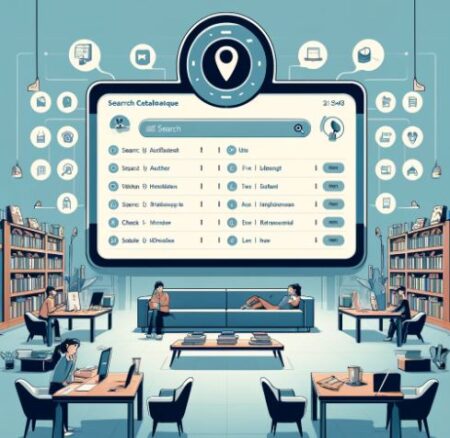
A Web OPAC (Web Online Public Access Catalogue) is an online system that allows library users to search, view, and access information about the library’s collections via the internet. It serves as a digital version of the traditional library catalogue, enabling users to explore books, journals, multimedia, and other resources remotely, without the need to be physically present in the library.
Web OPACs are designed to offer a user-friendly interface, allowing patrons to perform keyword, title, author, and subject searches to find materials quickly. For example, a user can search for a book like “To Kill a Mockingbird“ by Harper Lee or look for resources on a specific topic, such as “Machine Learning in Libraries.“ Additionally, they often include functionalities such as the ability to check item availability, place holds, renew materials, and even manage personal accounts. For instance, users can check the availability of a book, like “The Great Gatsby,” and reserve it online if it is currently checked out.
Some common examples of Web OPAC systems include:
- Ex Libris Primo: A widely used Web OPAC that provides an intuitive search interface and integrates various types of library resources, including books, journals, and digital content.
- SirsiDynix Symphony: A comprehensive library management system that includes a Web OPAC for users to search the library’s catalogue, check out materials, and manage their accounts.
- Koha: An open-source Web OPAC solution used by many libraries around the world. It allows users to search library collections, check item availability, and place holds on materials.
By providing online access to the library’s catalogue, Web OPACs enhance the convenience and accessibility of library resources, improving user experience and supporting the efficient management of library collections. They are also often integrated with other library management systems, such as circulation and acquisition modules, to ensure real-time updates on the status of library holdings.
What is WEB OPAC?
A Web OPAC (Web Online Public Access Catalogue) is an online system that allows library users to search, explore, and access information about the library’s resources from any location with internet access. Unlike traditional card catalogues, which require users to physically visit the library to consult physical records, a Web OPAC provides a digital interface to search for books, journals, multimedia, and other materials stored in the library’s collection. This shift to online catalogues greatly enhances user convenience by enabling remote access to the library’s holdings 24/7.
Web OPACs typically offer several features that improve the user experience. Users can search by various criteria, including title, author, subject, and keywords, allowing for efficient retrieval of relevant information. They also support advanced search options, such as filtering by publication date, material type, and availability status. In addition to browsing and searching, many Web OPACs allow users to view the availability of materials, place holds on checked-out items, renew borrowed materials, and manage personal accounts, providing a comprehensive set of tools for interacting with library resources.
Web OPAC systems are typically integrated with other library management systems, such as circulation, acquisition, and cataloguing software, to ensure real-time updates on the status of materials. For instance, if a user places a hold on a book, the system updates the status of the item, reflecting whether it is checked out or available. Some well-known examples of Web OPACs include Ex Libris Primo, SirsiDynix Symphony, and Koha. These systems are widely adopted across libraries worldwide, ranging from small institutions to large academic libraries, helping to streamline operations and enhance user access to resources.
Purpose of a Web OPAC in Library Management Systems
The Web OPAC (Web Online Public Access Catalogue) plays a pivotal role in modern library management systems by providing users with a convenient, digital platform to search, access, and interact with library resources remotely. Unlike traditional card catalogues, which required users to visit the library in person, a Web OPAC allows patrons to explore the library’s holdings anytime and from anywhere with an internet connection. This enhanced accessibility is a significant advantage, particularly for users who may not be able to visit the library physically. The system enables users to perform efficient searches using various filters such as title, author, subject, or keywords, simplifying the discovery of relevant materials. In addition to basic searching, Web OPACs often provide detailed metadata for each resource, including summaries, publication details, and availability, helping users make more informed decisions about which materials to access.
Another key function of a Web OPAC is its ability to offer self-service options, promoting user autonomy. Users can check the availability of resources, place holds on items that are checked out, renew borrowed materials, and manage their personal library accounts—all without needing to interact directly with library staff. This not only saves time but also enhances the overall user experience. Additionally, Web OPACs are integrated with other library management systems, such as circulation and acquisitions, ensuring real-time updates on the status of materials. For example, when a book is checked in or out, the OPAC reflects these changes immediately, providing users with accurate and up-to-date information.
From an operational perspective, the Web OPAC streamlines library management by automating key functions such as inventory tracking and circulation management. Library staff can monitor and update the catalogue efficiently, ensuring that new acquisitions are automatically incorporated into the system and that borrowed materials are accurately recorded. Furthermore, a Web OPAC supports both physical and digital collections, offering a unified platform for accessing books, journals, e-books, and multimedia resources. This integration is especially important as libraries increasingly adopt digital materials, making it easier for users to find and access all types of resources in one place.
The Web OPAC also contributes to an improved library experience by offering a user-friendly interface that can be customized to meet the specific needs of different user groups. Features such as personalized recommendations, search filters, and multilingual support further enhance its accessibility and usability. As libraries continue to evolve in response to technological advancements, the Web OPAC remains a crucial tool in bridging the gap between users and the library’s resources, ensuring that information is easily accessible in a digital-first world. Ultimately, the purpose of a Web OPAC is to empower users, streamline library operations, and make both physical and digital collections readily available to everyone, enhancing the overall efficiency and reach of the library.
Features of WEB OPAC
Features of Web OPAC in Library Management Systems
A Web OPAC (Web Online Public Access Catalogue) is an essential component of modern library management systems, designed to offer users easy, remote access to a library’s collection of resources. This tool provides several advanced features that enhance both the user experience and library operations. Let’s explore the key features of a Web OPAC that make it a vital tool for libraries and their patrons.
- Advanced Search Functionality: One of the most fundamental features of a Web OPAC is its advanced search functionality, which allows users to search the library’s catalogue using multiple search criteria. Users can perform searches based on keywords, author names, book titles, publication dates, subject areas, and even ISBN numbers. Many Web OPACs also offer advanced filters, enabling users to narrow down their search results by material type (e.g., books, e-books, journals), language, format, or availability. This powerful search functionality significantly improves the discoverability of library resources, making it easier for patrons to find specific items efficiently.
- Access to Both Physical and Digital Resources: A modern Web OPAC supports both physical and digital collections, providing users with access to a comprehensive range of library resources. In addition to books, journals, and multimedia materials, a Web OPAC can index e-books, online journals, and digital archives, ensuring that users can find both physical items available in the library and digital content accessible remotely. This integration of both physical and digital resources in one unified catalogue enhances user experience by allowing patrons to find all types of materials in a single, easily accessible platform.
- Real-Time Availability Information: The real-time availability feature is another key aspect of Web OPACs. Users can instantly check the availability of books and other materials, helping them determine whether an item is available for immediate checkout or if it is currently on loan. If a book or resource is checked out, the system often allows users to place a hold on it, ensuring that they will be notified once the item is returned. This feature not only saves time but also ensures that users are well-informed about the status of library materials before making a request or visit.
- Self-Service Options: Web OPACs offer significant self-service capabilities, empowering users to manage their own library activities without direct interaction with library staff. Patrons can renew borrowed materials, place holds on unavailable items, check due dates, and manage their library accounts independently. This level of autonomy reduces the workload on library staff while enhancing the user experience by providing a more convenient and time-saving method for interacting with library services. Self-service options also help users efficiently handle basic tasks such as checking fines or reviewing borrowing history.
- User Account Management: A key feature of the Web OPAC is user account management, which allows patrons to create personalized accounts for managing their interactions with the library. Through their accounts, users can track borrowed items, view overdue materials, receive reminders about upcoming due dates, and even save their search history for future reference. By centralizing these tasks in one place, the Web OPAC provides a more personalized and organized approach to library resource management, making it easier for users to manage their library-related activities.
- Detailed Resource Information: Every entry in a Web OPAC includes detailed bibliographic metadata that provides essential information about each resource, including the title, author, publisher, publication date, and subject classification. Additionally, summaries or abstracts of books and articles, as well as subject headings, are often included to give users a better understanding of the content. This rich metadata helps users make more informed decisions about whether a resource meets their needs. The inclusion of links to related materials further aids users in discovering additional resources that may complement their research or interests.
- Interlibrary Loan Requests: Many Web OPAC systems are integrated with interlibrary loan (ILL) systems, allowing users to request materials from other libraries if they are not available locally. This feature significantly broadens the range of resources accessible to library patrons, especially for specialized or less common materials. The ability to request interlibrary loans directly through the OPAC ensures that users can access materials beyond the immediate holdings of their library, fostering greater collaboration between libraries and providing patrons with access to a wider array of resources.
- Personalized Recommendations and Related Resources: Web OPACs often include features for personalized recommendations based on user activity, such as borrowing history or previous searches. For instance, if a user frequently searches for materials related to a specific subject, the OPAC might suggest additional resources that are related or similar in content. This feature helps users discover materials they may not have otherwise come across, enhancing the scope of their research or personal reading. Additionally, Web OPACs may offer links to related resources, such as articles, journals, or multimedia content that complement the user’s search.
- Multilingual Interface: To accommodate users from diverse linguistic backgrounds, many Web OPACs offer a multilingual interface. This feature ensures that users can navigate the catalogue in their preferred language, making library services more accessible to non-native speakers. Multilingual support is particularly important in academic libraries and public libraries located in multicultural communities, where users may come from various regions with different language preferences.
- Mobile-Friendly Access: In response to the growing use of mobile devices, many Web OPACs are designed to be mobile-friendly, allowing users to access the catalogue via smartphones and tablets. This mobile compatibility ensures that patrons can search for and manage library resources while on the go, offering greater flexibility and convenience. Some libraries even offer dedicated mobile apps that provide access to the OPAC, further improving the mobile experience.
- Search History and Saved Searches: Web OPACs often allow users to save searches or view their search history, making it easier to revisit previous queries or track ongoing research. Saved searches enable users to monitor specific topics, authors, or subjects over time, ensuring that they can quickly access new materials related to their areas of interest.
The features of a Web OPAC enhance the library experience by providing users with convenient, remote access to library resources and empowering them to manage their library accounts independently. With advanced search capabilities, real-time availability updates, self-service options, and integration with both physical and digital resources, Web OPACs have become indispensable tools for modern libraries. As technology continues to advance, the Web OPAC will undoubtedly evolve to meet the growing needs of both library users and staff, ensuring that libraries remain adaptable and responsive in the digital age.
Advantages of Using a Web OPAC Over Older Cataloguing Methods
The shift from traditional cataloguing methods to Web OPACs (Web Online Public Access Catalogues) has introduced numerous advantages, significantly enhancing the user experience and improving library management efficiency. One of the most significant benefits is remote access, which allows users to search for materials anytime and from anywhere with an internet connection, eliminating the need for physical visits to the library. Unlike traditional cataloguing systems, which required users to rely on manual searches and staff assistance, Web OPACs offer advanced search functionalities, enabling users to perform refined searches based on multiple criteria such as author, title, subject, and material type. This advanced searching capability streamlines the discovery of resources, making it far easier to locate specific materials compared to the basic, often cumbersome searches in older catalogue systems.
Another key advantage of Web OPACs is real-time availability of information. Users can check whether a book or other resource is available, checked out, or on hold, making it easier to plan their library visits or place holds on in-demand materials. This is a significant improvement over traditional methods, where users had to rely on library staff to provide availability updates, often leading to frustration and inefficiencies. Web OPACs also allow for self-service, empowering users to manage their accounts, place holds, renew borrowed materials, and track due dates without direct interaction with library staff, saving time for both patrons and staff.
The integration with other library systems is another benefit of Web OPACs, ensuring seamless updates across circulation, cataloguing, and acquisitions systems. This integration ensures that the catalogue is always up-to-date with the latest resource information. In contrast, traditional catalogue systems were often disconnected from other library functions, leading to inefficiencies and errors. Moreover, Web OPACs support both physical and digital collections, allowing libraries to manage and provide access to books, e-books, journals, and multimedia resources all within a single catalogue. This comprehensive approach ensures that users can find both tangible and digital materials in one place, a functionality not possible with traditional cataloguing methods that only managed physical materials.
Web OPACs also offer a user-friendly interface that simplifies navigation and improves accessibility. With features such as personalized accounts, users can easily track their borrowing history, receive notifications, and access their library activities in one place. This personalization is a stark contrast to older cataloguing systems, where users had to rely on library staff for information about their borrowing history. Additionally, Web OPACs often include multilingual support, allowing libraries to serve diverse user populations, a feature that older systems lacked. Finally, many Web OPACs are optimized for mobile use, allowing users to search the catalogue and manage their accounts on smartphones and tablets, offering a level of convenience that was not possible with older cataloguing methods restricted to physical terminals within the library.
The Role of a Web OPAC in the Discovery of Library Resources
In the modern era of digital technology, libraries have moved beyond traditional methods of cataloguing to offer users more efficient and accessible ways to discover and access resources. A Web OPAC (Web Online Public Access Catalogue) plays a central role in this transformation by revolutionizing how users search for and interact with library materials. This tool is designed to improve the search process, facilitate access to both physical and digital resources, and provide real-time information, making it an essential component of modern library management systems. Let’s explore the significant role that a Web OPAC plays in the discovery of library resources.
- Enhanced Search Capabilities: A Web OPAC is primarily designed to enhance the search functionality for library users, making it far easier to find resources than traditional card catalogues. Unlike older systems that relied on basic, manual keyword searches, Web OPACs allow users to perform advanced searches using various criteria such as author, title, subject, ISBN, publisher, or publication date. These advanced search options significantly reduce the time and effort required to locate specific materials. Additionally, Web OPACs offer sophisticated filtering options, enabling users to refine their search results by material type (e.g., books, e-books, journals), language, or publication date. This level of search granularity makes it easier for users to quickly and efficiently find exactly what they are looking for.
- Real-Time Availability and Status Information: One of the key features of a Web OPAC is the ability to provide real-time availability information. Users can instantly check whether a resource is available, currently checked out, or on hold. If a book is unavailable, users can place a hold or request a renewal, which ensures they are notified when the resource becomes available. In traditional cataloguing systems, users had to rely on library staff for this type of information, often leading to delays and misunderstandings. The Web OPAC improves the efficiency of the library by offering immediate and accurate updates on the status of materials, allowing users to make informed decisions before they visit the library.
- Integration of Physical and Digital Resources: Another crucial role of the Web OPAC is to integrate both physical and digital collections into one unified system. Traditionally, libraries maintained separate systems for print materials and digital resources, making it difficult for users to access all materials from a single platform. With a Web OPAC, users can search for, access, and manage both types of resources in one place. Whether searching for a physical book, an e-book, an online journal, or a multimedia file, the Web OPAC allows users to discover a wide range of library materials from various formats. This seamless integration simplifies the discovery process, offering users a comprehensive view of all the resources available to them, regardless of format.
- Personalized Recommendations and Related Resources: In addition to its search functionalities, many Web OPACs offer personalized recommendations based on a user’s search history or borrowing patterns. For example, if a user frequently checks out books on a particular subject, the system may suggest additional books or articles on related topics. This feature enhances the discovery process by introducing users to resources they might not have found through their original search. Web OPACs also typically offer links to related resources, such as journal articles, multimedia content, or books that complement a user’s research. These recommendations and suggestions encourage deeper engagement with library materials and help users explore subjects beyond their initial search.
- User Account Management and Search History: Web OPACs also provide users with the ability to create and manage personal accounts, which allows for more personalized interactions with the library system. Users can track their borrowing history, save their searches for future reference, and view their current and past loans. This feature helps users stay organized and easily return to previous research topics or materials. Additionally, the ability to track borrowed items and receive notifications about due dates, overdue items, or holds further enhances the library experience. By offering personalized accounts, Web OPACs allow users to customize their search preferences and make the discovery of resources more efficient and tailored to individual needs.
- Accessibility and Remote Access: The Web OPAC plays a pivotal role in providing remote access to library resources, allowing users to search and access materials from anywhere with an internet connection. This feature is particularly valuable for academic libraries, where students and faculty often need access to resources when they are off-campus. With a Web OPAC, users can search for books, check availability, place holds, and even access digital content like e-books and articles without having to physically visit the library. This level of accessibility is not possible with traditional cataloguing methods, which typically require users to be in the library to consult the catalogue.
- Mobile-Friendly Access: As mobile technology continues to play a significant role in how we interact with digital content, many Web OPACs are designed to be mobile-friendly, offering users the ability to search and manage their library accounts on smartphones and tablets. This mobile access ensures that users can discover and interact with library resources while on the go. Whether they are in transit, on campus, or at home, users can easily access the Web OPAC to find materials, place holds, or renew books. Mobile compatibility adds a layer of convenience and flexibility, making it easier than ever for users to stay connected with library resources.
- Support for Diverse User Groups: Web OPACs often provide multilingual support, which is crucial for serving diverse user populations. In academic libraries and multicultural communities, the ability to access the catalogue in different languages allows users from various linguistic backgrounds to navigate the system with ease. This inclusivity ensures that all users, regardless of their language proficiency, can effectively search for and access library resources. Additionally, Web OPACs are often designed with accessibility features such as screen reader compatibility and adjustable font sizes, ensuring that users with disabilities can use the system effectively.
A Web OPAC plays a crucial role in the discovery of library resources by offering advanced search capabilities, real-time availability information, and integration of both physical and digital materials. It enhances the user experience by providing personalized recommendations, mobile access, and the ability to manage accounts remotely. By improving accessibility and convenience, the Web OPAC ensures that users can easily discover and access a wide array of library resources, whether they are at the library or working remotely. As libraries continue to adapt to the digital age, the Web OPAC remains an essential tool in helping users navigate the vast wealth of information available in modern library systems.
Reference Article:
- Sadaf, Faria (2009) Application and Utility of OPAC in Maulana Azad Library, A.M.U., Aligarh. (Ph.D. thesis). Retrieved from: http://ir.amu.ac.in/id/eprint/3218



2 Comments
This side very helpfull.
so, you are continue……………..
This side very helpfull.