In the 21st century, knowledge has become one of the most valuable assets, shaping personal growth, career success, and societal progress. Lifelong learning refers to the continuous process of developing knowledge, skills, and competencies at every stage of life, far beyond the boundaries of formal education. It empowers individuals to remain adaptable in the face of rapid technological change, globalization, and evolving career demands. Knowledge acquisition, on the other hand, is the active pursuit of new information and understanding through study, practice, research, and experience. Together, these concepts highlight the importance of continuous intellectual engagement in a society where learning no longer ends with graduation but continues throughout life. For example, professionals regularly update their expertise through online courses and training modules, while retirees often engage in library workshops, book clubs, or digital literacy programs to stay mentally active and socially connected.
Libraries have undergone a remarkable transformation in line with this need for continuous learning. Traditionally, they served as repositories of books and printed materials, places where students and scholars retrieved information from shelves. Today, however, libraries have become dynamic learning hubs, offering a blend of print, digital, and multimedia resources, alongside collaborative spaces that encourage both individual study and group interaction. For instance, many university libraries now provide access to global e-resources, institutional repositories, and remote access tools, while public libraries frequently host coding classes, makerspaces, and community seminars. A good example is how modern libraries integrate digital platforms such as online catalogues, e-books, and academic databases, making it possible for users to access information anytime and anywhere.
The purpose of this article is to explore the many ways in which libraries support lifelong learning and knowledge acquisition across all ages and backgrounds. From children’s reading programs that cultivate early literacy, to professional workshops that help adults enhance their careers, to senior citizen programs that encourage active aging, libraries serve as inclusive gateways of learning for diverse communities. By offering access to resources, technologies, and supportive services, libraries empower individuals to take charge of their own education, develop new skills, and engage meaningfully with society. In doing so, libraries not only preserve knowledge but also actively contribute to building informed, capable, and resilient lifelong learners.
How Does a Library Help Students Become Independent Learners?
One of the most valuable skills a student can develop is the ability to learn independently, taking responsibility for their own education and seeking knowledge beyond the classroom. Libraries play a crucial role in this process by creating opportunities for students to explore, discover, and grow as self-directed learners. They provide access to a wide range of resources-books, journals, e-books, databases, and multimedia materials-that allow students to move beyond fixed syllabi and follow their curiosity. For instance, a medical student working on a case study may access online journals such as The Lancet or PubMed through the library’s subscription, while a business student preparing for a presentation might consult Harvard Business Review articles or financial databases. Similarly, a young reader may discover new interests through children’s story collections or teen literature, which in turn nurtures independent reading habits from an early age.
In addition to resources, libraries strengthen independence by developing students’ information literacy skills. Through training sessions, orientations, and workshops, students learn how to search catalogues effectively, evaluate the credibility of sources, use citation management tools, and avoid plagiarism. For example, many academic libraries, such as the NSU Library, provide regular sessions on Turnitin for plagiarism checking, Zotero, EndNote, Mendeley, for citation management, and advanced research skills using Scopus or JSTOR databases. These programs equip students to conduct research responsibly and critically, enabling them to move beyond copying information to interpreting, analyzing, and applying it on their own.
Libraries also provide a structured yet flexible learning environment that nurtures self-discipline. Quiet study areas encourage focus, while group spaces foster collaboration and peer learning. Extended opening hours and 24/7 digital access allow students to pursue learning according to their own schedules. For example, university students often spend late evenings in library study zones preparing for exams, while others use remote login services like OpenAthens to access e-resources from home. In public libraries, self-study corners or multimedia labs provide high school students with independent spaces to complete assignments or explore personal projects. These facilities help students develop the discipline to set learning goals, manage time, and work independently.
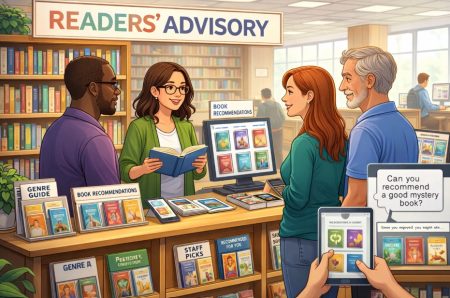
Equally important are the librarians, who act as mentors and facilitators rather than simply information providers. Instead of handing out direct answers, they guide students in identifying relevant resources, refining research strategies, and using information tools. For example, a librarian helping a student with a thesis might demonstrate how to structure advanced searches in Google Scholar or library databases but leave the responsibility of evaluating and applying the results to the student. Public librarians also help schoolchildren learn how to find age-appropriate books or guide job seekers toward online employment resources. This supportive guidance empowers students to build confidence, solve problems on their own, and become less dependent on constant external help.
Finally, libraries promote lifelong learning habits by connecting students to self-paced learning opportunities such as Massive Open Online Courses (MOOCs), digital tutorials, and e-learning platforms. For example, some libraries provide free access to Coursera, Udemy, or LinkedIn Learning, enabling students to acquire new skills in areas like programming, graphic design, or language learning. Others host digital literacy programs where students and community members learn how to safely use social media, online banking, or research tools. By exposing students to these opportunities, libraries encourage them to go beyond classroom learning and cultivate habits of continuous self-education.
In essence, libraries are not simply places for borrowing books but powerful enablers of independent learning. By offering access to resources, teaching critical information skills, providing flexible study environments, guiding through mentorship, and linking students to lifelong learning opportunities, they empower individuals to take control of their education. This independence not only enhances academic success but also prepares learners to thrive in a world that demands adaptability, self-reliance, and continuous growth.