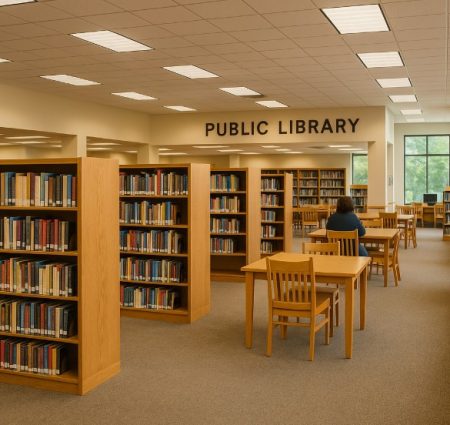
As modern communities increasingly rely on digital technologies for communication, education, and entertainment, public libraries must evolve to meet the growing demand for digital resources. Traditionally known for providing access to physical books and educational materials, libraries are now expected to offer a diverse range of digital services that align with the technological needs of their communities. This includes providing access to e-books, audiobooks, online databases, streaming services, and other digital content. For example, the New York Public Library offers a wide selection of e-books and audiobooks that patrons can borrow via apps like Libby and OverDrive, enabling them to access reading materials from anywhere, anytime. Furthermore, libraries are increasingly becoming hubs for digital literacy programs, where patrons can learn essential skills such as coding, online research, and the safe use of technology. The San Francisco Public Library, for instance, offers free coding classes and workshops in partnership with local tech organizations to help community members develop in-demand skills.
By embracing digital transformation, public libraries can bridge the digital divide, offering equal access to information and learning opportunities for individuals across all demographics. For example, libraries in rural areas may provide internet access and computer terminals, enabling individuals without personal devices or broadband to gain online resources and services. The challenge lies in balancing traditional services with the demand for innovative digital resources, requiring libraries to invest in technology infrastructure, staff training, and strategic partnerships with digital content providers. The Los Angeles Public Library, for instance, has expanded its digital collection by collaborating with platforms like Kanopy for streaming educational videos, ensuring that all library patrons have access to a wide variety of digital media. As they adapt to the needs of a tech-savvy society, public libraries continue to play a vital role in ensuring that all community members have the tools and knowledge to thrive in the digital age.
The Future of Public Libraries
The future of public libraries is intrinsically linked to their ability to adapt to the evolving needs of modern communities. Traditionally known as places for borrowing books and providing quiet study spaces, libraries are now evolving into multifunctional community hubs that embrace technology and provide a wide range of services. As the demand for digital content increases, libraries are expanding their offerings beyond physical books to include e-books, audiobooks, streaming services, and online databases. Platforms such as OverDrive and Libby have become integral in making library resources more accessible to patrons, allowing them to borrow books and media remotely. By embracing digital resources, libraries can serve tech-savvy users while also reaching individuals who may lack access to personal devices or high-speed internet. This digital transformation requires ongoing investment in technology infrastructure and staff training to ensure libraries remain relevant in a rapidly changing landscape.
In addition to offering digital content, public libraries are playing a pivotal role in bridging the digital divide. Many libraries now provide free access to computers, the internet, and digital literacy training programs. For example, Wi-Fi hotspots and mobile services are helping underserved communities, particularly those in rural areas, access resources they would otherwise lack. Libraries also offer coding workshops, online research courses, and safe internet practices, ensuring that patrons of all ages, backgrounds, and technological skills can benefit from digital tools. These efforts are essential in equipping individuals with the skills needed to thrive in an increasingly technology-driven world, making libraries critical partners in promoting digital literacy.
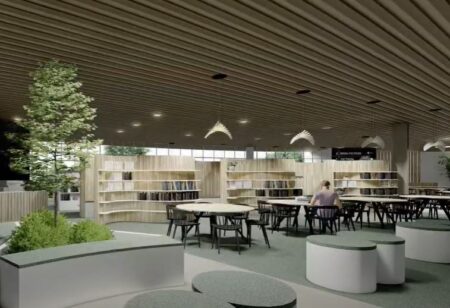
The physical spaces of libraries are also undergoing transformation. No longer just places for quiet reading, modern libraries are reimagining their spaces to support collaboration, creativity, and community engagement. Many libraries now feature flexible, open layouts that cater to a variety of activities, such as group work, meetings, and creative projects. For instance, the inclusion of maker spaces with tools like 3D printers and video editing equipment allows patrons to explore innovative ideas and develop new skills. These multifunctional spaces are an important evolution for libraries, as they help foster a sense of community and provide individuals with the resources needed for both personal and professional growth. Furthermore, the scope of library services is expanding beyond traditional resources. Public libraries are now key players in supporting lifelong learning, providing access to job training, career development programs, and educational workshops. They also offer mental health and wellness resources, supporting the community in ways that go beyond books and digital content. Libraries increasingly serve as centers for cultural programming, social events, and public engagement. Their partnership with local schools and organizations helps provide educational support and community connection, enhancing the learning experience for all members of society.
As libraries continue to evolve, funding and sustainability will be critical to their future success. Traditionally dependent on government funding, libraries will need to explore additional revenue streams, such as grants, private donations, and partnerships with businesses, to ensure they can continue offering valuable services. At the same time, libraries must prioritize sustainability by adopting green practices and promoting environmental awareness within their communities. By integrating sustainability into their operations, libraries can set an example for environmental responsibility while continuing to serve as vital community resources.
The future of public libraries is one of constant adaptation, embracing new technologies, expanding services, and enhancing community engagement. As libraries move beyond traditional roles and become digital, educational, and social hubs, their mission of providing equitable access to information and fostering lifelong learning remains unchanged. By continuing to innovate, public libraries will continue to thrive and remain indispensable in the modern world.
The Role of Public Libraries in Fostering Digital Literacy and Closing the Digital Divide
In today’s digital age, public libraries play a vital role in fostering digital literacy and bridging the digital divide, especially for underserved communities. As access to technology becomes essential for participation in modern society, libraries provide free access to computers, the internet, and Wi-Fi, ensuring that individuals who cannot afford personal devices or reliable internet can still engage with digital resources. Libraries are especially crucial in low-income and rural areas, where they often serve as the only point of access to technology. For instance, libraries in rural regions have implemented mobile units that bring technology and internet access directly to remote locations, while services like Wi-Fi hotspots allow patrons to connect from home. Beyond offering technology access, libraries also offer a wide range of digital literacy training programs to help people of all ages build essential skills. These programs range from basic computer skills to more advanced subjects like coding, online research, and cybersecurity. Libraries like the Chicago Public Library and San Francisco Public Library offer courses that help patrons become proficient in using technology, empowering them to access critical services such as job applications, government programs, and educational resources.
Moreover, libraries actively work to close the digital divide by providing digital literacy programs tailored to specific groups, such as seniors, people with disabilities, and immigrants. These programs help individuals navigate technology, overcome language barriers, and develop digital skills necessary for daily life. In addition to teaching how to use technology, libraries also focus on promoting online safety and digital citizenship. Many libraries offer workshops on topics like online privacy, securing personal information, and protecting against cyber threats. Through these efforts, libraries not only help individuals use technology effectively but also teach them to engage with it responsibly. Libraries are also crucial in supporting lifelong learning by offering career development programs and job search resources that include digital literacy as a core component. These programs are often facilitated through partnerships with local organizations, schools, and tech companies, enhancing the scope and reach of digital literacy efforts. In this way, public libraries are playing an indispensable role in fostering digital literacy, ensuring that all community members, regardless of their socioeconomic background, have the skills and resources to succeed in an increasingly digital world.
How Libraries Can Balance Traditional Functions with the Need for Diverse Services
Public libraries have long been regarded as the cornerstones of communities, offering access to books, information, and educational resources. In an era where technology is rapidly transforming how we learn, work, and interact, libraries are being asked to expand their roles to meet the evolving needs of modern society. While books and traditional library services remain essential, there is a growing demand for libraries to offer a broader range of services, such as coworking spaces, tech workshops, and community events. Balancing these traditional and modern functions is a challenge that libraries must navigate carefully to ensure they continue to serve their communities effectively. Let’s explore how libraries can achieve this balance and remain relevant in an increasingly dynamic world.
- Adapting Library Spaces for Multiple Purposes: One of the key ways libraries can balance their traditional functions with modern services is by reimagining and redesigning their physical spaces. Traditionally, library spaces were designed to facilitate quiet study and provide access to books. However, today’s libraries must accommodate more collaborative and community-oriented activities. By creating flexible, multifunctional spaces, libraries can serve a variety of purposes without sacrificing their core function of providing books and quiet reading areas.
Libraries can introduce coworking spaces and meeting rooms where individuals or groups can work together, collaborate on projects, or hold events. These spaces should be designed to complement the traditional library atmosphere, providing a balance between areas for focused work and spaces for interaction and collaboration. For example, libraries can set up study rooms, meeting areas, and maker spaces equipped with technology, such as 3D printers, to encourage creativity and innovation. The goal is to design spaces that serve multiple needs, ensuring that traditional users can still access quiet areas while new users benefit from dynamic, interactive environments. - Integrating Technology into Traditional Library Offerings: Incorporating new technologies into libraries’ traditional functions allows libraries to remain relevant while still honoring their role as centers of knowledge. Libraries can offer tech workshops and digital literacy programs alongside their traditional book collections, ensuring that patrons of all ages and skill levels have access to both print and digital resources. These tech workshops may include topics such as coding, digital storytelling, online safety, or the basics of using smartphones and computers. By providing access to emerging technologies like virtual reality or 3D printing, libraries are empowering users to explore new tools and resources, ensuring that everyone has the opportunity to participate in the digital world.
The New York Public Library, for example, has successfully integrated a wide range of digital services, including digital classes, tech workshops, and access to e-books, audiobooks, and streaming services. These offerings complement the library’s physical book collection, providing a holistic approach to learning and engagement. By keeping physical books at the heart of library offerings while embracing digital technologies, libraries can cater to a wide range of user needs, ensuring they continue to serve as educational and informational hubs. - Offering Diverse Community Programs and Events: Public libraries have always been community gathering spaces, and their role in this area has expanded with the growing demand for diverse programming. While libraries are still known for their book collections, they are increasingly becoming centers for cultural, educational, and social events. By offering programs such as author talks, film screenings, job training, and cultural performances, libraries can engage with their communities in ways that go beyond books. These events provide opportunities for patrons to learn, interact, and connect with others in their communities, strengthening the library’s role as a cultural hub.
Libraries can also host workshops and events that support career development, entrepreneurship, and social services, which help meet the changing needs of modern society. For example, libraries can offer resume-building workshops, interview preparation sessions, or even business incubator programs for local entrepreneurs. By introducing these programs, libraries can attract new users who may not have previously considered the library as a resource, while still providing valuable services to their traditional patrons.
In addition, libraries are increasingly hosting events that promote health and well-being, such as mindfulness sessions, mental health workshops, and wellness programs. These initiatives reflect libraries’ commitment to the holistic well-being of their communities and provide vital services that go beyond books and traditional educational resources. - Collaborating with Local Organizations and Institutions: Partnerships with local organizations, businesses, and educational institutions are essential for libraries to offer diverse services and maintain a balance between traditional and modern functions. By collaborating with schools, nonprofits, local businesses, and tech companies, libraries can expand their service offerings without overextending their resources.
For example, libraries can partner with local schools to offer tutoring programs, after-school programs, or summer reading initiatives that target students and families. Collaborations with local businesses can lead to the introduction of professional development workshops, job fairs, or career training sessions. Additionally, tech companies can partner with libraries to provide specialized training on tools like coding languages or software development. These partnerships allow libraries to broaden their program offerings and stay responsive to the evolving needs of the communities they serve.
In this way, libraries do not have to go it alone in expanding their service offerings. By leveraging the expertise and resources of local organizations, libraries can ensure that their new services complement and enhance their traditional offerings, without compromising their core mission. - Balancing Space and Time for Both Traditional and Modern Services: One of the key challenges in balancing traditional and modern services in libraries is ensuring that there is enough space and time for both. Libraries must create schedules and policies that allow for both quiet reading and study spaces, as well as more active and collaborative areas. Designating specific times for events or workshops and ensuring that study areas remain quiet and accessible during certain hours can help accommodate both types of users.
Moreover, libraries should strive to make their services as inclusive and accessible as possible. This includes ensuring that the physical spaces, digital resources, and programs are available to everyone, including those with disabilities, non-native speakers, or individuals from underserved communities. By prioritizing inclusivity, libraries can maintain their role as vital community institutions that serve all members of society.
The future of public libraries lies in their ability to adapt to the changing needs of modern communities while maintaining their traditional role as centers of knowledge, education, and culture. By redesigning their spaces to accommodate diverse services, integrating new technologies into their offerings, expanding community programs, and collaborating with local organizations, libraries can successfully balance the provision of books with the demand for more interactive, tech-focused, and community-driven services. As libraries continue to evolve, they will remain vital institutions that not only preserve the past but also foster innovation and growth for the future.
Strategies for Public Libraries to Remain Relevant Amidst Growing Competition from Online Platforms and Digital Media
Public libraries face increasing competition from online platforms and digital media, which offer instant access to a wealth of information, entertainment, and educational content. To remain relevant in this digital age, libraries must adapt by embracing digital content and technology. This includes integrating e-books, audiobooks, online databases, and streaming services into their offerings, allowing patrons to borrow digital resources from the comfort of their homes. By partnering with platforms like OverDrive, Libby, and Hoopla, libraries can offer a similar on-demand experience as commercial platforms like Amazon or Netflix. Additionally, libraries can incorporate emerging technologies like virtual reality, augmented reality, and 3D printing into their programs, offering unique experiences that digital media alone cannot provide. This approach ensures that libraries continue to serve their communities while staying competitive with digital platforms.
Another key strategy for libraries is promoting digital literacy and lifelong learning. Libraries can offer programs and workshops that teach essential digital skills, such as navigating the internet, coding, or understanding online tools. These initiatives help close the digital divide and ensure that individuals of all ages and backgrounds can fully participate in the digital world. Libraries can also partner with online course providers like LinkedIn Learning to offer users access to educational resources on various topics, including business, technology, and the arts. By focusing on continuous learning and skill development, libraries position themselves as vital centers for personal growth and career development, helping patrons adapt to a rapidly changing job market.
In addition to expanding digital services, libraries must continue to strengthen their role as community hubs by offering diverse programs and events that foster in-person engagement. While digital platforms provide entertainment and information, they cannot replace the social and cultural experiences libraries offer. Events like author talks, workshops, book clubs, and local exhibitions help libraries build strong connections with their communities. Libraries can also tailor their programs to meet the needs of specific groups, such as children, seniors, or underserved populations, ensuring that their services remain inclusive and accessible to all. By offering spaces for cultural exchange, social interaction, and learning, libraries create an environment that digital platforms cannot replicate.
To stay competitive, libraries must also embrace customer-centric approaches by offering personalized services and tailored experiences. By utilizing data analytics, libraries can better understand the preferences of their patrons and offer personalized book recommendations, event notifications, and targeted programs. User-friendly platforms that allow patrons to track their borrowing history, receive recommendations, and access resources with ease can help libraries offer a seamless experience that encourages continued use. Personalized services make libraries more relevant to modern users who expect customization and convenience from digital platforms.
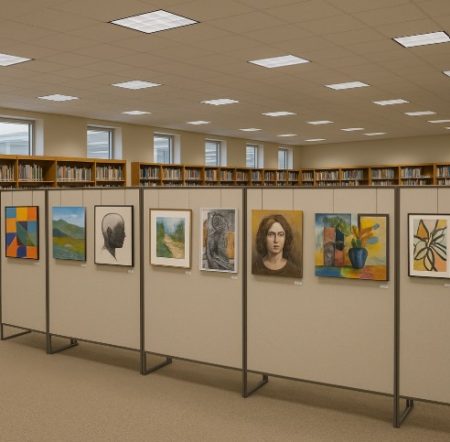
Furthermore, libraries can distinguish themselves from online platforms by providing access to unique and specialized resources that cannot be easily found elsewhere. Rare books, local archives, specialized databases, and historical collections are valuable resources that libraries can offer to researchers, students, and the general public. Libraries can also support local artists and cultural initiatives by providing spaces for exhibitions and performances. These distinctive resources make libraries irreplaceable, offering content and experiences that online platforms cannot match.
Integrating Emerging Technologies into Library Services: A New Era of Innovation
As the world continues to embrace the digital age, public libraries are facing increased pressure to adapt and evolve. Traditionally known for their book collections and quiet study spaces, libraries are now expected to provide a broader range of services, many of which are driven by new and emerging technologies. Artificial intelligence (AI), virtual reality (VR), and augmented reality (AR) are some of the most exciting innovations that libraries can integrate into their service offerings. These technologies have the potential to transform libraries into dynamic, interactive hubs for learning, creativity, and community engagement. Here are how libraries can integrate AI, VR, and AR into their services to enhance user experiences, improve operational efficiency, and stay relevant in the digital age.
>> Artificial Intelligence: Transforming User Experience and Library Operations
Artificial intelligence has the power to enhance both the user experience and library operations in meaningful ways. One of the most immediate applications of AI in libraries is through intelligent cataloging and personalized recommendations. AI-powered search algorithms can help users find books, journals, and other resources more effectively, providing tailored recommendations based on individual preferences, past searches, or popular trends. This helps streamline the research process, making it easier for patrons to discover relevant materials without spending time manually sifting through extensive catalogs.
AI can also be integrated into library services through chatbots and virtual assistants. These AI-driven tools can answer common questions about library hours, event schedules, available resources, and how to access digital collections, providing users with instant, around-the-clock support. By automating routine inquiries, libraries can free up staff time for more complex tasks, allowing them to offer higher-level services. AI-driven systems can also analyze user behavior and feedback, providing library staff with valuable insights into what patrons are looking for and helping to optimize library collections, programs, and services to better meet community needs.
Moreover, AI can be employed to automate administrative functions like cataloging and inventory management. AI algorithms can classify books and materials more efficiently, reducing human error and speeding up the process. This allows library staff to focus on other essential tasks, such as curating specialized collections and assisting patrons with more personalized services.
>> Virtual Reality: Immersive Learning and Interactive Experiences
Virtual reality offers libraries the opportunity to provide immersive, interactive learning experiences that go beyond the traditional boundaries of textbooks and lectures. VR technology allows users to explore virtual environments, engage with complex educational content, and participate in simulations that would be difficult or impossible in the real world. Libraries can use VR to create interactive historical tours, enabling users to experience significant moments in history as if they were there, or to explore ancient civilizations, famous landmarks, or distant planets, providing a deeper, more engaging form of education.
In addition to historical and educational simulations, libraries can use VR for STEM (Science, Technology, Engineering, and Mathematics) education. For instance, students can use VR to conduct virtual experiments, build 3D models, or explore the inner workings of complex systems like the human body or the universe. These immersive learning experiences provide a more hands-on approach to education, encouraging critical thinking and problem-solving in ways that traditional methods cannot.
Moreover, VR can offer libraries the chance to host virtual library tours, making resources and services accessible to users who may not be able to visit the library in person. This is particularly beneficial for individuals with mobility issues or those living in remote areas. By offering virtual access to library resources, libraries can ensure that their services are available to a broader audience.
>> Augmented Reality: Enhancing Physical Spaces and Interactive Learning
While VR creates entirely immersive experiences, augmented reality (AR) enhances the physical world by overlaying digital content onto real-world environments. Libraries can use AR to make their physical spaces more interactive, engaging, and educational. For example, libraries can implement AR exhibits that allow users to interact with books, artwork, or other materials in new and exciting ways. Users could scan books or artifacts with their smartphones or AR glasses to reveal additional information, animations, or 3D models that provide context or deeper understanding.
AR also opens up new possibilities for gamified learning experiences within the library. Libraries can create AR-based scavenger hunts, where users are tasked with finding specific books, objects, or locations within the library. This encourages patrons to explore different sections of the library, learn about new materials, and engage with resources they might not have otherwise discovered. For children, AR can be used to bring stories to life, turning reading into an interactive experience where characters or scenes from books appear before them in 3D.
In addition to interactive exhibits and educational games, AR can also be used to improve library navigation. For large libraries, AR apps can guide users to specific sections, rooms, or resources, helping them find what they’re looking for more efficiently. This is particularly useful for first-time visitors or those who may find the layout of the library overwhelming.
>> Implementing Emerging Technologies: Challenges and Considerations
While the potential benefits of AI, VR, and AR are clear, there are also challenges in integrating these technologies into library services. One of the primary concerns is cost. Advanced technologies like VR headsets, AR devices, and AI-powered systems can be expensive to implement, and libraries with limited budgets may struggle to afford the necessary hardware, software, and training. However, libraries can explore grant opportunities, partnerships with tech companies, and community support to help fund these initiatives.
Another challenge is ensuring accessibility. Libraries must make sure that emerging technologies are accessible to all patrons, including those with disabilities. For example, VR experiences should be designed with options for users with mobility issues or visual impairments, and AR applications should be easy to use for individuals with varying levels of technological proficiency. Libraries should prioritize inclusive design and ensure that these technologies are available to everyone in their community.
Staff training is also a critical factor in successfully implementing these technologies. Library staff must be knowledgeable about how to use and maintain AI, VR, and AR systems and how to assist patrons in using these technologies effectively. Ongoing training and professional development are necessary to ensure that libraries can fully realize the potential of these innovations.
Emerging technologies like artificial intelligence, virtual reality, and augmented reality offer libraries an exciting opportunity to innovate and stay relevant in the digital age. By integrating these technologies into their service offerings, libraries can enhance user experiences, provide immersive learning opportunities, and streamline operations. While challenges such as cost, accessibility, and staff training must be addressed, libraries can overcome these barriers through thoughtful planning, partnerships, and funding. As libraries continue to embrace new technologies, they will remain vital community centers, providing not only access to information but also innovative, engaging, and educational experiences that meet the needs of modern patrons.
The Future of Library Spaces: Redesigning for Learning, Collaboration, and Community Interaction
The future of library spaces is centered on their ability to adapt and evolve to meet the changing needs of communities, transforming from quiet sanctuaries filled with books into dynamic, multifunctional hubs for learning, collaboration, and community engagement. As the role of libraries expands, their spaces must become more flexible, offering areas that can easily be reconfigured for various activities. Movable walls, adjustable furniture, and multipurpose rooms are key elements in creating spaces that support diverse functions, from individual study and group collaboration to public events and workshops. Libraries should offer flexible areas for informal learning and interaction, such as lounges and group study rooms, while maintaining quiet zones for focused study and reading. This balance between flexibility and quiet spaces allows libraries to accommodate new trends in learning and community engagement, ensuring they remain relevant in an ever-evolving environment.
Incorporating technology is another crucial aspect of future library spaces. Libraries must embrace emerging technologies such as virtual reality (VR), augmented reality (AR), interactive screens, and 3D printers to foster interactive learning and creativity. These technologies provide users with the ability to engage with content in innovative ways, such as experiencing historical simulations, conducting virtual experiments, or creating digital designs in maker spaces. VR and AR can enhance educational experiences, enabling users to participate in immersive learning activities that go beyond traditional methods. Interactive displays and digital signage can also improve the overall user experience by providing real-time information about library events, workshops, and available resources.
Fostering collaboration and community engagement will be central to the library spaces of the future. By creating environments that encourage teamwork and interaction, libraries can serve as vital community centers, offering spaces for group projects, social events, and educational workshops. These spaces will allow people from all walks of life to come together, exchange ideas, and build connections. Libraries can also host cultural programs, local meetings, and support local organizations, ensuring they remain deeply embedded in the fabric of their communities. In addition to these collaborative spaces, libraries should incorporate areas that support lifelong learning and intellectual exchange, such as book clubs, lecture series, and community forums, further cementing their role as hubs for education and social engagement.
Inclusivity and accessibility are critical elements in the redesign of future library spaces. Libraries must ensure that their physical environments are accessible to all, including individuals with disabilities, seniors, and non-native speakers. Features like ramps, wider doorways, accessible restrooms, and digital tools for people with visual, auditory, or cognitive impairments should be standard. Libraries can also provide quiet spaces for meditation or relaxation, helping individuals manage mental health challenges and promoting wellness within the community. Additionally, offering free access to digital resources, such as computers and Wi-Fi, helps bridge the digital divide, ensuring that everyone, regardless of socioeconomic background, can benefit from library services.
Sustainability will also play a significant role in the design of future library spaces. Libraries can lead by example in promoting environmental responsibility by incorporating green building practices, energy-efficient lighting, and sustainable materials into their design. Green spaces, such as outdoor reading areas or gardens, not only provide a peaceful environment for library users but also contribute to the promotion of sustainability. Libraries can host programs focused on environmental issues, such as climate change and renewable energy, encouraging community members to engage with these topics and make positive changes in their own lives.
How Can Libraries Become More Inclusive and Accessible to Diverse Demographic Groups, Including Different Ethnic, Linguistic, and Cultural Communities?
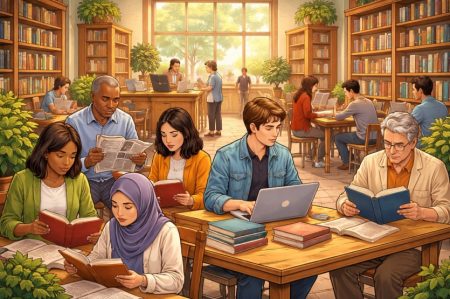
Public libraries are essential institutions that serve as community hubs, providing access to knowledge, resources, and opportunities for individuals of all backgrounds. However, to truly fulfill their role in today’s diverse society, libraries must strive to become more inclusive and accessible to all demographic groups, including those from different ethnic, linguistic, and cultural communities. Achieving this goal requires libraries to move beyond their traditional services, embracing diversity and creating environments that reflect the needs, interests, and values of the communities they serve. Let’s explore how libraries can become more inclusive and accessible by implementing strategies that address the diverse needs of these communities, ensuring that all individuals, regardless of their background, feel welcome, supported, and empowered.
- Offering Multilingual Resources and Services: One of the primary ways libraries can serve diverse linguistic communities is by offering multilingual resources and services. Many libraries already provide books, e-books, and audiobooks in multiple languages, but there is an opportunity to expand this offering further to meet the needs of immigrant and non-native communities. Libraries can assess the linguistic makeup of their communities and work to ensure that resources are available in the most commonly spoken languages, including not only major world languages but also smaller or regional languages that are significant to the local population.
In addition to physical materials, libraries can provide digital resources and online databases in multiple languages, allowing users to access information, courses, and services in their preferred language. Language learning programs and language exchange workshops can also be valuable tools to support both native speakers of other languages and individuals seeking to learn a new language. By providing these multilingual resources and services, libraries create a welcoming environment for individuals who may otherwise face language barriers when accessing library services. - Culturally Relevant Programming and Events: Libraries can also become more inclusive by offering programming and events that reflect the cultural diversity of their communities. This involves not only offering events related to various cultural traditions and holidays but also ensuring that programming resonates with the values, interests, and needs of different cultural groups. For instance, libraries can host cultural festivals, art exhibitions, music performances, and storytelling events that showcase different ethnic traditions and provide an opportunity for community members to share their heritage.
Furthermore, libraries can collaborate with local cultural organizations, schools, and community groups to design programs that address specific needs within diverse populations. For example, libraries could offer programs for refugees or immigrants that focus on cultural integration, local resources, and citizenship preparation. Similarly, libraries can offer workshops on topics such as financial literacy, healthcare, and legal rights, tailored to the cultural needs of immigrant communities. By recognizing and celebrating cultural diversity, libraries can foster greater inclusivity and ensure that all community members feel represented and valued. - Accessibility for People with Disabilities: In addition to addressing linguistic and cultural diversity, libraries must prioritize physical and digital accessibility to ensure that individuals with disabilities can fully engage with library resources and services. This includes making libraries physically accessible by providing ramps, elevators, and accessible restrooms for individuals with mobility impairments. Libraries should also ensure that their spaces are designed to be navigable for those with visual or auditory impairments, offering clear signage, tactile indicators, and hearing loop systems.
Digital accessibility is equally important. Libraries should provide websites, online catalogs, and digital resources that are compatible with screen readers, offer closed captions, and provide alternative formats for people with disabilities. Additionally, libraries can offer assistive technologies such as audio books, magnifiers, and adaptive computer stations, enabling individuals with disabilities to access library resources more easily. By ensuring both physical and digital accessibility, libraries remove barriers that could prevent individuals with disabilities from fully participating in library programs and services. - Hiring Diverse Staff and Promoting Cultural Competence: For libraries to be truly inclusive, it is essential that the staff reflects the diversity of the community they serve. Hiring staff members from various ethnic, linguistic, and cultural backgrounds not only ensures a better understanding of the needs of different groups but also helps create a more welcoming and relatable environment. A diverse staff can offer better customer service, provide insights into the cultural preferences of different community members, and serve as role models for users from underrepresented groups.
Additionally, libraries should invest in ongoing staff training to promote cultural competence. This training should focus on understanding and respecting different cultural perspectives, recognizing unconscious bias, and learning how to effectively interact with patrons from diverse backgrounds. By equipping library staff with the knowledge and skills to engage with all community members, libraries create a more inclusive and supportive environment for everyone. - Creating Safe and Welcoming Spaces: Libraries must also be safe spaces for all members of the community, particularly for marginalized groups. This includes creating environments where individuals from different cultural backgrounds, ethnicities, and identities feel safe, respected, and valued. Libraries should have policies in place that promote inclusivity and prevent discrimination, and staff should be trained to address issues of harassment or exclusion promptly.
Physical spaces should be designed to accommodate diverse needs, with designated areas for quiet study, group work, and social interaction. Libraries can also create spaces for cultural groups to gather, share resources, and engage in discussions. Offering neutral, comfortable spaces where people can connect and learn from one another fosters a sense of belonging and helps build social cohesion within the community. - Outreach to Underserved Populations: To ensure accessibility for all, libraries must reach out to underserved populations who may not typically engage with library services. This includes individuals in low-income communities, seniors, refugees, immigrants, and those without regular access to technology. Libraries can initiate outreach programs that bring library services directly to these populations, such as mobile libraries, community pop-up events, or partnerships with local community centers, schools, and healthcare facilities.
Libraries can also focus on digital inclusion by offering digital literacy programs and access to technology, helping underserved individuals bridge the digital divide and gain the skills necessary to succeed in the modern world. By proactively reaching out to underserved populations, libraries ensure that their services are accessible to everyone in the community, regardless of their circumstances.
For public libraries to truly serve all members of society, they must actively work to become more inclusive and accessible to diverse ethnic, linguistic, and cultural communities. By offering multilingual resources, culturally relevant programming, accessible spaces for people with disabilities, diverse staffing, and safe environments, libraries can ensure that every individual, regardless of their background, feels welcomed and supported. As libraries continue to adapt to the changing needs of their communities, they will remain indispensable resources for fostering lifelong learning, cultural exchange, and social inclusion. Through these efforts, libraries can play a critical role in promoting equity and building stronger, more connected communities.