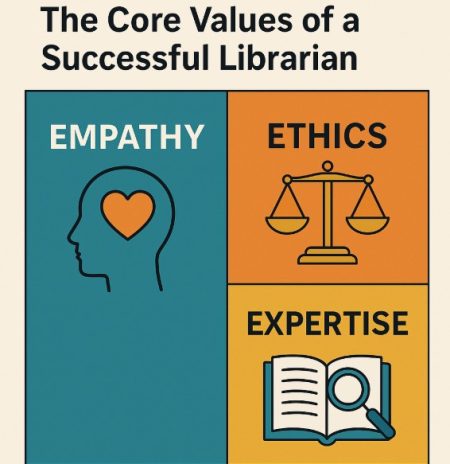
A librarian is a trained professional who manages, organizes, and facilitates access to information and resources within libraries or other information centers. Traditionally seen as custodians of books, librarians now play an essential role in managing digital and physical resources, ensuring the efficient organization of knowledge, and promoting information literacy among library users. For instance, in academic libraries, librarians may assist students and faculty in accessing scholarly journals, databases, and e-books, ensuring that they can locate the most relevant and credible sources for their research.
In addition to cataloguing and preserving materials, librarians are experts in information retrieval, helping users navigate vast collections of data, documents, and media. For example, a public librarian might guide a patron through the process of accessing digital archives or government documents, offering insights into the most effective search strategies. Librarians also play a crucial role in the development of information systems, such as library catalogues and digital repositories. For instance, librarians in university settings may work with faculty to establish institutional repositories where academic papers and research outputs are stored and shared within the academic community.
Beyond their core responsibilities, librarians serve as knowledge architects, shaping the way information is structured, categorized, and made accessible. In the digital age, they incorporate emerging technologies, data management techniques, and digital preservation practices to support research, learning, and community development. For example, many librarians collaborate with IT professionals to develop metadata standards for digital collections, helping ensure that users can find the information they need quickly and accurately. Librarians are also essential in ensuring the long-term preservation of knowledge. In academic and public libraries, they implement digital preservation strategies to maintain the integrity of digital materials for future generations. A notable example is the work of librarians in university archives, where they use specialized software and storage systems to preserve historical documents, research data, and multimedia content.
Their evolving role reflects their expertise in organizing and connecting people with information, making them pivotal figures in shaping the future of knowledge management. For instance, a corporate librarian might assist employees by organizing internal knowledge repositories, ensuring that company reports, white papers, and training resources are easily accessible. This adaptability across various sectors demonstrates how librarians are increasingly integral to shaping how knowledge is managed, accessed, and preserved in today’s digital world.
The Evolving Role of Librarians in Knowledge Management and Information Architecture
In recent years, the role of librarians has undergone a profound transformation, driven largely by technological advancements and the increasing demand for efficient knowledge management systems. Traditionally viewed as custodians of books and physical collections, librarians have evolved into key players in the realm of information architecture and knowledge management. Today, librarians are not only responsible for organizing and preserving information but also for designing systems that facilitate the creation, dissemination, and sharing of knowledge across various platforms. This shift reflects the growing complexity of information and the need for more dynamic, user-centric approaches to managing both physical and digital resources.
- From Curators to Knowledge Architects: Historically, the role of librarians was centered on the physical management of books, journals, and other printed materials. Their expertise lay in cataloguing, classifying, and organizing these resources to make them accessible to users. Over time, however, as digital technologies began to reshape the landscape of information, librarians expanded their skill set to include the management of digital resources, databases, and e-learning platforms. This evolution has led librarians to embrace the role of knowledge architects—professionals who design and maintain information systems that ensure the effective storage, retrieval, and dissemination of knowledge.
In this new role, librarians are tasked with structuring digital content using metadata, taxonomies, and ontologies to ensure that information is organized in a way that makes it easily discoverable and usable. For example, academic librarians now work alongside faculty and researchers to establish institutional repositories that store research outputs such as theses, dissertations, and journal articles. These digital repositories are carefully organized and indexed to ensure that users can quickly locate the materials they need, contributing to the advancement of research and scholarship. - The Integration of Emerging Technologies: The increasing use of emerging technologies has further transformed the librarian’s role in knowledge management and information architecture. Librarians today are leveraging advanced tools such as artificial intelligence (AI), machine learning, and big data analytics to enhance the organization and accessibility of information. For example, AI-driven systems are being used to improve search functions within digital catalogues, offering users more accurate search results based on patterns of previous behavior and preferences. In the context of academic libraries, these technologies are helping to automate the process of metadata tagging, thus speeding up the cataloguing process and improving the accuracy of search results.
Librarians are also integrating digital preservation strategies to ensure the long-term accessibility of digital content. With vast amounts of research data, historical archives, and multimedia materials being digitized, preserving this information for future generations is a priority. Librarians are now involved in developing digital preservation policies and using specialized software to ensure that digital materials are stored securely and remain accessible as technology evolves. For instance, university librarians may work on initiatives to preserve digital collections of rare manuscripts or research data sets that are central to academic discourse. - Collaboration and Interdisciplinary Expertise: Another significant change in the role of librarians is their increasing collaboration with professionals in fields such as IT, data science, and content management. This interdisciplinary approach is crucial in the development and maintenance of effective knowledge management systems. Librarians bring a wealth of expertise in organizing and categorizing information, while IT specialists contribute technical know-how in creating and maintaining the systems that house this information. Together, these professionals work to develop integrated systems that make information more accessible and usable across a variety of platforms, from library catalogues to corporate knowledge bases.
For instance, in a corporate setting, librarians are collaborating with IT teams to create knowledge management systems that allow employees to share and access internal reports, training materials, and other resources. These systems are designed with user experience in mind, ensuring that employees can easily search for and retrieve the information they need to perform their tasks effectively. By leveraging the strengths of both librarians and IT specialists, organizations can develop knowledge management solutions that enhance productivity and foster collaboration. - Ethical Considerations in Knowledge Management: As librarians take on a more central role in knowledge management, they must also navigate the ethical implications of managing and organizing information. Issues such as user privacy, intellectual property rights, and the accessibility of information are of paramount importance. Librarians are often at the forefront of ensuring that knowledge management systems are designed in an ethically responsible manner, safeguarding users’ personal information while also making knowledge accessible to those who need it.
In academic libraries, for example, librarians play a key role in managing the access and sharing of research outputs. They work to ensure that these resources are available to researchers and students while respecting copyright laws and intellectual property rights. This requires a deep understanding of the legal and ethical frameworks that govern the sharing of knowledge in both physical and digital formats.
The role of librarians has evolved dramatically in recent years, particularly in the context of knowledge management and information architecture. As technology continues to shape the way information is created, shared, and accessed, librarians are increasingly seen as architects of knowledge-professionals who design systems that ensure information is organized, accessible, and secure. By integrating emerging technologies, collaborating with IT professionals, and navigating complex ethical issues, librarians are playing a vital role in shaping the future of knowledge management. Their expertise in organizing and curating information remains as essential as ever, but their expanded responsibilities reflect the dynamic nature of the information age and their continued relevance in a digital-first world.
How Librarians Leverage Their Expertise to Design Effective Knowledge Management Systems
Librarians have long been known for their expertise in organizing and managing information, and this skill set has become increasingly important in today’s information-driven world. As institutions and organizations face the challenge of managing vast amounts of data, librarians are uniquely positioned to design and implement knowledge management (KM) systems that not only store and protect valuable information but also make it accessible, usable, and preserved for future use. One of the core strengths librarians bring to knowledge management is their ability to classify and organize information in a way that ensures it is easy to retrieve. In both physical and digital environments, librarians are adept at using classification systems such as the Dewey Decimal Classification or the Library of Congress Classification for physical materials. This expertise seamlessly translates into the digital realm, where librarians design taxonomies and metadata structures that improve the searchability of digital content, ensuring users can quickly find relevant data. By implementing metadata standards such as Dublin Core or MODS, librarians create systems that allow users to search for content based on keywords, descriptions, or categories, improving the overall user experience.
Metadata plays a pivotal role in making information more accessible, and librarians’ expertise in developing metadata and tagging systems ensures consistency and accuracy in knowledge management. In academic libraries, for example, librarians work closely with faculty to develop metadata standards for research articles and theses, allowing users to search documents by author, topic, or publication year. Similarly, in corporate settings, librarians can create metadata systems that help employees find internal reports, training materials, and other resources. Beyond organizing information, librarians also ensure that knowledge is preserved and protected for the long term. With their experience in digital preservation, librarians use strategies like data migration, secure storage, and backup procedures to ensure that digital content remains accessible as technology evolves. They also implement security measures such as encryption, user authentication, and access controls to protect sensitive information, balancing the need for access with the protection of intellectual property and confidential data.
Librarians also excel at fostering collaboration through knowledge-sharing platforms. They can design systems that encourage employees or researchers to contribute resources, share best practices, and collaborate on solving problems. In corporate environments, for example, librarians might develop internal knowledge management platforms that allow employees to share insights and learn from one another. These platforms are organized in a way that makes shared knowledge easily accessible to others, promoting a culture of collaboration and continuous learning. In addition to fostering collaboration, librarians apply user-centered design principles to knowledge management systems, tailoring them to the specific needs of different user groups. Whether designing systems for students in an academic setting or employees in a corporate environment, librarians ensure that these systems are intuitive, efficient, and aligned with users’ goals.
Lastly, librarians are dedicated to ensuring that knowledge management systems are used effectively. They provide ongoing training and support, helping users understand how to navigate and utilize the system’s features. In academic libraries, librarians often offer workshops to teach students how to search for journal articles and manage citations. In corporate settings, librarians may train employees on how to navigate internal knowledge repositories and collaborate with colleagues. This focus on user education ensures that knowledge management systems are not only well-designed but also fully utilized to their maximum potential.
Key Skills Librarians Need to Develop to Become Effective Information Architects in Today’s Digital Landscape
As the digital landscape continues to evolve, librarians are increasingly stepping into roles that go beyond traditional information management. One such role is that of an information architect, a professional responsible for organizing and structuring information to ensure that it is accessible, usable, and easily navigable by users. In today’s rapidly changing world, where vast amounts of data are generated every day, librarians must adapt to new technologies and skill sets to remain effective in these emerging roles. By honing specific skills, librarians can become highly effective information architects who design systems that not only meet the information needs of their users but also facilitate the smooth flow of knowledge across various platforms.
- Mastery of Information Organization and Classification: At the core of any information architect’s role is the ability to organize and classify information efficiently. Librarians have traditionally excelled in cataloguing and organizing materials, whether they are physical books, digital content, or multimedia resources. In the digital era, this expertise becomes even more critical as the volume and diversity of information sources increase. To be effective in their roles, librarians need to master advanced classification systems and taxonomies that are suited for digital environments. Familiarity with controlled vocabularies and ontologies, as well as metadata standards like Dublin Core or MODS (Metadata Object Description Schema), is crucial for structuring information in a way that allows users to find relevant content quickly and efficiently. Understanding these frameworks allows librarians to build systems that not only organize information but also make it easily searchable and retrievable, which is vital in digital knowledge management systems.
- Proficiency in Metadata Management: Metadata management is a fundamental skill for librarians transitioning into information architecture roles. Metadata refers to the data that describes other data, and it plays a critical role in ensuring that digital content is organized in a way that facilitates easy searching, access, and sharing. Librarians need to be proficient in creating and managing metadata schemas, which include establishing clear tagging systems for digital content and determining which metadata fields are most useful for categorizing resources. Understanding the importance of consistent, standardized metadata tagging ensures that the right information is accessible when needed. This skill is particularly vital in academic and corporate knowledge management systems, where metadata can help categorize research papers, business reports, and other digital resources based on various parameters like author, subject, format, or date.
- Familiarity with User-Centered Design Principles: One of the most important skills that librarians need to develop as information architects is the ability to design systems with the user in mind. Information architecture is not just about structuring information; it is about ensuring that users can navigate and interact with it effectively. Librarians must understand user-centered design principles to create systems that cater to the needs of various user groups. This involves conducting user research, identifying pain points, and understanding the goals and workflows of different types of users, such as students, researchers, or employees in a corporate setting. Librarians need to focus on usability, ensuring that systems are intuitive and easy to navigate. By employing techniques like wireframing, user testing, and creating clear navigation pathways, librarians can design digital interfaces that enhance the user experience and make information retrieval more efficient.
- Knowledge of Digital Preservation and Data Management: As information architects, librarians are also responsible for ensuring the long-term accessibility and preservation of digital content. This requires a strong understanding of digital preservation strategies and data management practices. Librarians must be familiar with techniques for preserving digital resources, such as regular data migration, backup protocols, and the use of secure storage systems to safeguard valuable content. They should also understand the technical aspects of digital formats and their potential obsolescence over time, as well as the importance of creating metadata to ensure future access to digital content. This knowledge is critical in preserving research data, historical records, and organizational knowledge for future generations. Effective data management practices also involve ensuring that digital content is compliant with relevant legal and ethical standards, including privacy regulations and copyright laws.
- Technical Literacy and Familiarity with Emerging Technologies: While librarians have traditionally focused on information management, today’s information architects must possess a strong understanding of technology to design and maintain effective knowledge management systems. A basic technical literacy is essential, which includes familiarity with content management systems (CMS), database design, and web development principles. Librarians should understand how to implement and work with digital tools and technologies, such as cloud-based storage systems, enterprise-level knowledge management platforms, and collaborative technologies like wikis or document-sharing platforms. Moreover, an awareness of emerging technologies, such as artificial intelligence (AI), machine learning, and blockchain, will allow librarians to integrate cutting-edge tools into their information architecture work. For example, AI-driven systems can enhance search capabilities by offering personalized recommendations based on user behavior, and blockchain can be used to ensure secure and transparent data storage and transactions.
- Collaboration and Interdisciplinary Communication Skills: Information architecture is rarely a solitary task. Librarians transitioning into this role need to develop strong collaboration and communication skills. They must work closely with other professionals, such as IT specialists, data scientists, designers, and content managers, to design and implement knowledge management systems. Effective collaboration requires understanding the perspectives and needs of other disciplines, translating technical jargon into language that non-technical stakeholders can understand, and working toward common goals. This interdisciplinary approach ensures that the information architecture aligns with both user needs and organizational objectives. Librarians must be able to advocate for the user while also considering the technical feasibility and scalability of the systems they help design.
- Analytical and Problem-Solving Skills: Librarians need strong analytical and problem-solving skills to assess the effectiveness of existing information systems and identify opportunities for improvement. In the context of information architecture, this involves analyzing user feedback, conducting usability studies, and identifying areas where the system can be streamlined or optimized. Librarians must be able to look at data and user interactions to assess whether the information is being accessed in the most efficient way or if there are barriers that hinder usability. This skill is crucial in refining and improving knowledge management systems over time to meet evolving user needs and technological advancements.
- Ethical Awareness and Legal Knowledge: Librarians must also be well-versed in ethical considerations and legal issues related to information management and access. As information architects, they need to ensure that knowledge management systems are designed with privacy, security, and intellectual property rights in mind. They must understand and adhere to legal frameworks such as data protection laws (e.g., GDPR) and copyright regulations, while also ensuring equitable access to information. Librarians must balance the goal of maximizing accessibility with the need to protect sensitive data and respect user privacy, which requires a deep understanding of both ethical standards and legal guidelines in the digital age.
As the role of information architects becomes increasingly central in the digital landscape, librarians must continue to adapt and refine their skills. Mastery in information organization, metadata management, user-centered design, digital preservation, technical literacy, collaboration, problem-solving, and ethical considerations will equip librarians to become effective architects of knowledge management systems. These skills will enable them to design systems that are not only efficient and user-friendly but also secure, sustainable, and adaptable to future challenges. By embracing these key competencies, librarians can contribute significantly to the digital transformation of knowledge management, ensuring that information is accessible, organized, and preserved for generations to come.
Collaboration Between Librarians and Other Professionals in Building Comprehensive Knowledge Management Frameworks
In today’s digital era, the development of effective knowledge management (KM) frameworks requires collaboration between librarians, IT specialists, and content managers. Each of these professionals brings a unique skill set to the table, and their combined expertise ensures that the resulting system is efficient, secure, and user-friendly. Librarians, traditionally experts in organizing and categorizing information, are integral to building the structure of a KM system. Their deep knowledge of metadata, controlled vocabularies, and classification schemes enables them to create systems that make information accessible and easily searchable. However, the technical infrastructure required to support such a system falls under the domain of IT specialists, who ensure that the system is built on reliable, scalable, and secure technology. Similarly, content managers contribute by curating and maintaining the information that populates the KM system, ensuring that the content is updated and relevant.
The success of the collaboration hinges on understanding each professional’s role and working closely together. Librarians, for example, can lead in designing the information architecture and metadata standards, working with IT specialists to ensure the technical feasibility of these designs. For instance, while librarians establish the metadata fields to categorize content (such as author, topic, or date), IT specialists implement the underlying database systems that store and retrieve this data efficiently. Collaboration with content managers is equally vital; they help ensure that the metadata tags are relevant to the type of content being curated, providing guidance on how information should be organized for optimal usability.
In addition to technical and content-related collaboration, the process of building a KM framework involves strong communication and project management. Librarians, IT specialists, and content managers must regularly engage in discussions to define the scope of the project, assess user needs, and determine how the system will be structured and maintained. Librarians often act as intermediaries between the technical and content teams, ensuring that the system is both user-centered and functionally robust. This requires iterative feedback loops and collaboration to ensure that the final system is intuitive for users and capable of supporting the organization’s knowledge-sharing goals.
Another area where collaboration is essential is in the application of user-centered design principles. Librarians, with their expertise in understanding users’ information needs, are well-positioned to design systems that align with how users will access and interact with the information. However, content managers play a critical role in ensuring that the content is structured in a way that complements user workflows, while IT specialists ensure the technical components are optimized for user experience. Librarians and content managers can work together to ensure that content is tagged with user-friendly keywords and is categorized effectively, helping users find relevant resources quickly.
The creation of secure and compliant systems is another area where librarians collaborate with IT specialists. Librarians bring their knowledge of intellectual property laws, copyright issues, and privacy regulations, ensuring that the system is designed in accordance with legal requirements. IT specialists implement security measures, such as encryption and user authentication, to protect sensitive data. Together, they ensure that only authorized users have access to certain information and that the content is compliant with legal standards.
Finally, once the KM system is in place, ongoing collaboration is essential for continuous improvement. Librarians continue to collect user feedback and assess how well the system is meeting the needs of its users, while content managers evaluate how effectively the content is being accessed and used. IT specialists monitor system performance and implement updates to ensure that the system remains secure and reliable. This continuous feedback loop ensures that the KM system remains relevant, effective, and aligned with the organization’s knowledge-sharing goals.
How does Information Architecture Influence the Accessibility and Discoverability of Library Resources, and What Role Do Librarians Play in This Process?
In the digital age, libraries are increasingly reliant on information architecture (IA) to organize and manage vast collections of resources, both physical and digital. Information architecture, the practice of structuring, organizing, and categorizing information in a way that makes it easily accessible and understandable to users, plays a crucial role in enhancing the accessibility and discoverability of library resources. Librarians, with their expertise in organizing and structuring information, are integral to shaping this architecture and ensuring that library users can quickly find the materials they need. The interplay between IA and the role of librarians significantly impacts how library resources are accessed, whether through catalogue systems, digital repositories, or knowledge management platforms.
1. The Role of Information Architecture in Accessibility:
At its core, information architecture is about making resources easy to locate and use, which directly influences accessibility. Accessibility refers not only to physical access—ensuring that library resources are available to users with different abilities—but also to digital access, ensuring that online resources are easy to navigate and retrieve. Information architecture enables both types of access by providing a structured framework for organizing and presenting resources.
In a traditional library setting, IA influences accessibility through the use of classification systems like the Dewey Decimal Classification (DDC) or Library of Congress Classification (LCC), which organize physical materials into categories based on subject matter. These systems help users quickly find the books, journals, and other resources they need, based on a logical and consistent classification scheme. Similarly, in digital libraries, information architecture helps structure resources into well-defined categories, such as research papers, multimedia, e-books, and journal articles, making it easier for users to navigate vast collections of information.
Moreover, the advent of digital resources has led to the integration of search functionalities and metadata tagging systems that further enhance accessibility. Metadata includes important information about resources—such as author, publication date, keywords, and format—that allows users to filter search results based on their needs. Without effective IA, users might struggle to find relevant resources within a library’s digital catalog or repository, especially if the system lacks clear categorization, consistent labeling, or intuitive navigation options.
2. Enhancing Discoverability Through Information Architecture:
Discoverability refers to the ability of users to find the resources they need, whether through direct search, browsing, or recommendation systems. Information architecture plays a key role in enhancing the discoverability of library resources by ensuring that content is organized in a logical and coherent way that aligns with how users expect to access it. An effective IA strategy helps bridge the gap between the complexity of library collections and users’ expectations, making it easier for them to navigate the system.
In digital libraries and repositories, discoverability is often influenced by the organization of metadata, taxonomies, and keywords. By assigning relevant metadata tags to resources, librarians help improve search engine optimization (SEO) within the library’s catalogue or database, making it more likely that users will find the materials they are looking for. For instance, when a user searches for a particular topic, the library system uses metadata to provide relevant results that match the query. A well-structured IA ensures that resources are tagged accurately and categorized appropriately, improving the overall search experience for users.
Librarians play a vital role in enhancing discoverability by ensuring that resources are properly indexed, categorized, and tagged according to relevant criteria. For example, in academic libraries, librarians work with faculty and researchers to develop metadata schemes that enhance the discoverability of research articles, dissertations, and other scholarly materials. They also ensure that resources are organized in a way that aligns with users’ search behaviors, making it easier for students, faculty, or the public to find the resources they need based on keywords, topics, or research methods.
3. Librarians as Key Players in Information Architecture:
Librarians are at the forefront of designing and implementing effective information architecture in libraries, both physical and digital. Their expertise in organizing, categorizing, and structuring information is critical to ensuring that library resources are accessible and discoverable. In the context of digital libraries, librarians work closely with IT specialists and content managers to develop metadata standards, classification systems, and user interfaces that align with user needs and expectations.
Librarians are involved in every aspect of the information architecture process. They play a key role in selecting and implementing classification systems and metadata standards that facilitate the organization and retrieval of library materials. This might involve creating taxonomies for digital resources, such as research papers, e-books, and multimedia, and assigning appropriate metadata tags to ensure that these resources can be easily located by users. Additionally, librarians ensure that search functionalities are intuitive and user-friendly, taking into account the diverse needs of different user groups, from students and researchers to faculty and the general public.
In physical libraries, librarians maintain the classification and organization of books and other resources, ensuring that materials are consistently categorized according to subject matter and are easy to locate on shelves. This requires a deep understanding of classification systems like DDC or LCC, as well as an ability to adapt these systems to the evolving needs of library users. Librarians are also responsible for ensuring that library signage, catalogue systems, and online search tools are user-friendly and accessible to all.
In digital environments, librarians continue to play a vital role in managing the IA by ensuring that digital archives, institutional repositories, and other online collections are organized in ways that improve both accessibility and discoverability. This includes managing the design of user interfaces for digital systems, such as library catalogues and discovery platforms, to ensure that these systems are intuitive and responsive. Additionally, librarians ensure that these systems provide accurate and relevant search results, promoting the efficient discovery of resources.
4. The Impact of User-Centered Design in Information Architecture:
User-centered design (UCD) is an approach that focuses on understanding the needs, behaviors, and preferences of users to design systems that are intuitive and easy to navigate. Librarians play a key role in implementing UCD principles when developing information architecture for library systems. They assess the needs of library users, gather feedback, and design systems that prioritize usability and efficiency. This includes conducting user testing, gathering feedback through surveys or focus groups, and iterating on the design of library systems to make them more user-friendly.
For example, academic librarians might focus on designing digital repositories that allow researchers to search for academic papers based on keywords, publication dates, and research topics. They would work with users to ensure that the search functionality aligns with their research habits and that relevant materials are easy to find. By implementing user-centered design principles, librarians ensure that the library’s IA not only meets the needs of its users but also enhances their overall experience when interacting with library resources.
Information architecture plays a pivotal role in the accessibility and discoverability of library resources. Through effective IA, libraries can ensure that resources—whether physical or digital—are organized and structured in ways that make them easy to find and use. Librarians, with their expertise in organizing information and understanding user needs, are essential to the development and implementation of IA systems that enhance both access and discoverability. By creating logical classification systems, designing intuitive search functionalities, and employing user-centered design principles, librarians play a critical role in shaping the way users interact with library resources, ensuring that knowledge is always accessible and easy to navigate. As libraries continue to evolve in the digital age, the importance of effective information architecture will only grow, and librarians will remain at the heart of this transformation.
Librarians’ Role in Preserving Institutional Knowledge and Ensuring Longevity in Digital Formats
Librarians play a pivotal role in preserving institutional knowledge and ensuring its longevity in digital formats. With the rapid transition from physical to digital resources, libraries must safeguard valuable content for future generations. One of the primary ways librarians contribute to this process is through the digitization and conversion of physical materials, such as books, manuscripts, research papers, and archival documents. These materials, while important, are prone to physical degradation over time. By digitizing these resources, librarians reduce the risk of loss and enhance accessibility, making them searchable and retrievable in digital formats. The digitization process involves creating high-quality scans and ensuring that the digital files are formatted appropriately for long-term use. Additionally, librarians create metadata to enhance the discoverability of these resources, ensuring that users can easily locate and access them.
Once materials are digitized, librarians take on the responsibility of establishing digital preservation policies and practices that ensure the long-term accessibility of these digital files. Digital preservation involves much more than simply storing files; it requires strategies to protect the integrity and usability of the content as technology evolves. Librarians work to develop and implement policies that address file formats, storage systems, and backup protocols, ensuring that the digital content remains accessible even as technology changes. They prioritize open, non-proprietary formats like PDF/A and TIFF to ensure the longevity of files, and they collaborate with IT specialists to implement reliable storage solutions, such as cloud-based or on-site repositories, to protect against data loss.
Librarians also play an integral role in ensuring the usability and accessibility of digital content. They focus on creating systems that allow users to easily search, retrieve, and interact with the materials. This involves structuring digital content with clear metadata, taxonomies, and user-friendly search functions. Librarians ensure that the digital content is compatible with accessibility standards, making it available to users with diverse needs, such as those with visual impairments. Their work ensures that institutional knowledge is not only preserved but also remains useful and accessible to a wide range of users over time.
In addition to managing the digitization and preservation processes, librarians are responsible for cataloguing digital resources with detailed and standardized metadata, which makes it easier for users to find relevant information. By organizing and tagging digital files with descriptive metadata, librarians help to maintain the long-term accessibility and searchability of digital content. They also implement systems that enable interoperability, allowing content to be shared across platforms and institutions, thus enhancing its discoverability and ensuring its continued availability for future users. Furthermore, librarians collaborate with other professionals, such as archivists, IT specialists, and faculty members, to maintain a sustainable digital preservation strategy. These collaborations ensure that preservation efforts are comprehensive and aligned with the needs of the institution. Librarians provide expertise in organizing information, while IT specialists contribute their technical knowledge of storage systems and data security. Faculty members help guide the preservation of valuable research materials, and through this collective effort, librarians ensure that institutional knowledge is preserved within a broader, collaborative framework.
Promoting awareness of digital preservation within institutions is another essential role that librarians play. They educate staff, faculty, and students about best practices for managing digital content, providing training on file formats, metadata creation, and the use of preservation tools. By fostering a culture of digital preservation and offering the necessary training and resources, librarians ensure that preservation efforts are sustained over time and that institutional knowledge is carefully maintained for future generations.