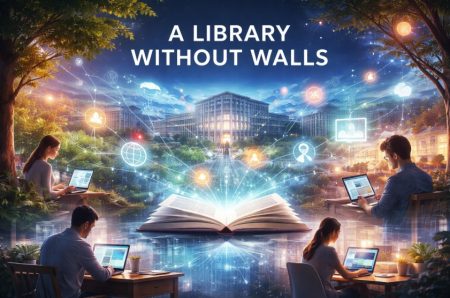
A Virtual Library Tour is an interactive, online experience that allows users to explore the library’s physical and digital spaces remotely. By utilizing various technologies such as 360-degree images, videos, and interactive maps, virtual tours offer a comprehensive and immersive way for users to familiarize themselves with the library’s layout, resources, and services without having to be physically present. For example, a virtual tour may include clickable floor plans of the library, allowing users to “walk through” different areas, such as reading rooms, computer stations, and multimedia labs, similar to a physical tour, but from the comfort of their own home.
This digital tool is especially beneficial for new students, remote learners, and individuals who may face mobility challenges, as it provides easy access to library offerings from any location. Universities like the University of California, Berkeley, offer virtual tours where users can explore their libraries’ collections and even access digital archives directly through the platform. Similarly, the University of Michigan offers a virtual tour that showcases its library’s features and guides users to specific research tools and resources.
Virtual library tours can also serve as an effective orientation tool. For instance, new students can take a tour that highlights key services such as research support, digital resource access, and upcoming events. During the University of Southern California’s virtual tour, for example, users can click on different sections of the tour to discover resources like citation guides, subject librarians, and study spaces available for reservations.
Through a virtual library tour, institutions can engage a wider audience, making library resources more accessible and user-friendly for all. Whether it’s showcasing rare collections, promoting new services, or offering a guided walkthrough of the library’s digital archives, virtual tours are transforming how libraries interact with their communities.
What is a Virtual Library Tour?
A virtual library tour is an online, interactive experience that allows users to explore the library’s physical and digital spaces remotely, providing a comprehensive overview of its resources and services without the need to be physically present. It utilizes various technologies such as 360-degree imagery, videos, interactive maps, and sometimes live guides to create a user-friendly, immersive experience. These tours allow visitors to virtually navigate the library’s layout, discover various sections like study areas, reading rooms, multimedia labs, and even specialized collections or archives. For example, universities like Harvard or the University of London offer virtual tours that let users virtually “walk through” their libraries, accessing key spaces and finding out about available resources, research tools, and support services.
Virtual library tours are particularly advantageous for new students, faculty, and remote learners who may not be able to visit the library in person. These tours offer an alternative way to familiarize oneself with the library’s offerings before physically stepping into the space. In addition, for individuals with mobility or health challenges, virtual tours provide an accessible means of exploring the library’s facilities. A key feature of virtual tours is their flexibility, allowing users to explore at their own pace, whether they are looking for specific resources, discovering study spaces, or learning about the library’s services, such as workshops, research support, and digital resources. Moreover, virtual library tours can serve as an essential tool for library orientation programs. By taking a virtual tour, users can get acquainted with library layouts, find out about services such as reserving study rooms or accessing electronic resources, and learn about upcoming events, all without having to be physically present. This is especially useful for students who may be joining the library from different geographical locations or those who are not familiar with the physical space.
In essence, virtual library tours are not only a modern solution to traditional library orientation but also an excellent way to enhance user engagement. They bridge the gap between the library and its users, allowing institutions to extend their services and reach a broader audience, regardless of location or physical constraints. By integrating technology into the library experience, these tours have become a valuable tool for making library resources more accessible, efficient, and user-centric.
How a Virtual Library Tour Differs from a Traditional Library Tour
A virtual library tour and a traditional library tour both aim to introduce users to the library’s resources, spaces, and services, but they differ significantly in terms of delivery, experience, and accessibility. A traditional library tour is an in-person experience where a guide, often a librarian, leads a group through the physical library, showcasing areas like reading rooms, study spaces, and special collections. Participants can ask questions and interact with the guide in real-time, creating a personalized and dynamic experience. These tours are typically scheduled events, limiting participation to those who can be physically present at the library.
In contrast, a virtual library tour is an online, self-guided or guided experience that allows users to explore the library remotely. Using digital tools such as 360-degree imagery, interactive maps, and videos, virtual tours let users navigate the library’s layout from any location at any time. Unlike traditional tours, virtual tours offer the flexibility of viewing the library at one’s own pace, revisiting sections of interest, and exploring the space on a schedule that suits the user. However, virtual tours typically lack the level of real-time interaction present in traditional tours, as users can’t ask live questions or engage with staff during the tour.
One of the most significant advantages of virtual library tours is their broad accessibility. They allow users who are geographically distant, have mobility challenges, or are unable to attend scheduled tours to access the library’s resources. Remote students, prospective students, or those considering a university can explore the library’s facilities and services without needing to be on-site. In contrast, traditional tours are limited to those who can physically attend, which means they exclude individuals who are unable to be present at the library.
The user experience also differs between the two. Traditional tours are dynamic and can be tailored to the group’s needs, with guides adjusting the tour to focus on specific areas of interest, such as study spaces or research resources. Virtual tours, while informative, are typically pre-recorded and provide a general overview, with less flexibility for customization. Although some virtual tours include interactive features, such as clickable maps or pop-up information, they can’t adapt to user preferences in real time. Additionally, virtual tours are more cost-effective in the long run. Once created, a virtual tour can be accessed by an unlimited number of users, without requiring ongoing staffing or scheduling efforts. Traditional tours, on the other hand, involve more staff resources and logistics to manage, often requiring a librarian or staff member to lead the tour, answer questions, and coordinate schedules.
While virtual tours offer significant benefits in terms of accessibility and reach, they do have limitations. The lack of direct, personal interaction with guides or other users can make the experience feel less engaging. Furthermore, virtual tours may fail to fully capture the atmosphere and sensory experience of being physically present in the library, which is something traditional tours can provide. However, traditional tours are confined to specific times, locations, and groups, limiting their ability to reach a wider audience.
The Benefits of Offering a Virtual Library Tour for Library Users
Offering a virtual library tour provides significant benefits for both library users and institutions, making it a valuable tool in modern library services. One of the primary advantages is increased accessibility, as virtual tours allow users to explore the library remotely, overcoming barriers such as distance, physical disabilities, or the inability to attend scheduled tours. This makes the library’s resources and services available to a broader audience, including remote students, prospective students, and individuals unable to visit in person. Additionally, a virtual tour offers flexibility and convenience, as users can access it at any time, from any location, and explore the library at their own pace. Unlike traditional tours, which are bound by fixed schedules, virtual tours provide a more adaptable experience, allowing users to revisit sections of the library or pause the tour to focus on areas of interest.
A virtual library tour also provides a comprehensive introduction to library resources, offering an organized way to showcase various spaces, such as study areas, computer stations, and special collections. This helps users familiarize themselves with the library’s offerings before visiting in person, which can be particularly useful for new students or first-time visitors. Moreover, virtual tours can serve as a powerful orientation tool, allowing new users to navigate the library’s layout, identify key services like printing or borrowing, and learn about available resources. The ability to explore the library in a virtual environment enhances engagement and encourages users to learn more about the library’s services, from research support to upcoming events.
Virtual tours also present a cost-effective solution for libraries, as they can reach an unlimited number of users without the need for additional staffing or resources. Once created, a virtual tour can be continuously accessed, making it a sustainable option for libraries that want to provide high-quality services without the logistical challenges of scheduling and staffing traditional tours. Furthermore, virtual library tours can help attract prospective students and users, allowing them to explore the library’s facilities and resources before making a decision. This can be particularly useful for universities looking to recruit students from outside their geographical area, as it allows potential students to virtually experience the campus and library resources.
In addition, virtual tours promote library events and services by including information about workshops, lectures, or special exhibits. As users navigate the tour, they can be introduced to upcoming events or new services, encouraging them to engage with the library beyond just the physical space. Virtual tours are also highly beneficial for remote learning and research, as they provide students and researchers with access to digital resources and services like online databases, e-books, and virtual consultations with librarians. By offering these remote options, libraries ensure that users can continue to access support, even if they are unable to visit in person.
How a Virtual Library Tour Can Enhance User Engagement with Library Services
In the digital age, libraries are increasingly turning to technology to connect with users and enhance their services. A virtual library tour is one of the most innovative tools libraries have embraced to engage users and improve their overall experience. Through digital platforms, virtual tours offer users the opportunity to explore library spaces and resources from anywhere at any time. Beyond simply offering a glimpse of the library’s layout, a virtual tour can be an effective way to boost user engagement with library services. Let’s explore how virtual library tours can enhance user interaction, learning, and participation in library offerings.
- Interactive Exploration of Library Spaces: One of the key ways a virtual library tour enhances engagement is by offering interactive exploration. Traditional library tours can sometimes feel passive, as participants are led through the space and shown areas of interest. In contrast, a virtual library tour allows users to actively navigate the space. Interactive features such as clickable maps, 360-degree images, and virtual guides encourage users to explore at their own pace. Users can choose to visit specific sections of the library, such as study areas, digital resource hubs, or special collections, based on their interests or needs. This level of interactivity empowers users to engage with the space in a personalized way, fostering a deeper connection with the library’s services and offerings.
- Access to Library Resources and Services: Virtual library tours are an excellent way to showcase the library’s resources and services, which can significantly boost user engagement. Throughout the tour, users can learn about the variety of resources the library offers, from physical collections to digital archives, databases, and e-books. Pop-up information windows or embedded videos can highlight specific tools and services, such as research support, citation guides, or librarian assistance. By visually demonstrating how to access these resources, virtual tours provide users with a clearer understanding of the services available to them. This promotes greater utilization of library resources, encouraging users to explore and take full advantage of the library’s offerings.
- Encouraging Active Learning through Multimedia: Incorporating multimedia elements into virtual library tours can further engage users by making the experience more dynamic and educational. Libraries can include video tutorials, audio guides, or even live-streamed events that explain how to use specific library tools or access digital collections. For example, a video could walk users through the process of searching the library catalog, while an audio guide could describe the library’s history or highlight important collections. Multimedia elements not only capture attention but also provide deeper educational value, allowing users to learn new skills or discover resources they might not have otherwise known about. This type of engaging content helps users become more familiar with library services, increasing their likelihood of returning and using these services regularly.
- Increased Visibility of Library Events: A virtual library tour is an ideal platform for promoting library events. Throughout the tour, users can be introduced to upcoming workshops, seminars, research events, and exhibitions. By incorporating interactive event calendars or announcements within the tour, libraries can seamlessly inform users about opportunities to engage with the library beyond just the physical space. For example, a user exploring the library’s special collections section might also be informed about an upcoming lecture on rare books or an exhibition related to the collections they are viewing. This method of promoting events helps to drive attendance and fosters a greater sense of community within the library, as users are encouraged to participate in activities that enrich their library experience.
- Personalized User Experience: Virtual library tours also allow for personalized user experiences, which is key to improving engagement. Libraries can design tours tailored to specific user groups, such as new students, researchers, or faculty members, and guide them to the areas and services most relevant to their needs. For instance, a virtual tour for first-year students might focus on study areas, basic library resources, and introductory workshops, while a tour for graduate students could highlight research tools, specialized collections, and advanced academic resources. By customizing the content, virtual tours become more relevant to the user, encouraging deeper engagement and increasing the likelihood that they will actively use the library’s services.
- Encouraging Social Media and User Interaction: Another effective way a virtual library tour can enhance engagement is by integrating social media and user interaction features. Many libraries encourage users to share their experiences on social media platforms, either by posting about specific resources they found useful or by participating in social media challenges related to the virtual tour. For example, libraries can create hashtags or host contests that encourage users to engage with the virtual tour and share their insights or experiences. Additionally, virtual tours can be linked to platforms where users can ask questions, join discussion groups, or book appointments with library staff. These interactive features turn the virtual tour into a two-way engagement tool, fostering a sense of community and providing users with opportunities to further connect with the library.
- Greater Reach and Inclusivity: By offering a virtual tour, libraries significantly increase their reach and inclusivity, which directly impacts user engagement. Virtual tours can be accessed by anyone, regardless of their physical location, time zone, or mobility constraints. This is particularly beneficial for libraries that serve diverse user populations, such as international students, people with disabilities, or those who cannot visit the library during regular hours. When users who may not be able to visit in person engage with the virtual tour, they become more familiar with the library’s resources and are more likely to participate in online services or virtual events. This expanded access can result in a more engaged and inclusive user community.
- Building a Stronger Connection with the Library: Ultimately, a virtual library tour helps users form a stronger emotional connection with the library. By offering a comprehensive, engaging, and interactive experience, users are more likely to feel that the library is a welcoming and valuable space. The ability to explore at their own pace, access important resources, and learn about services in a personalized way builds trust and familiarity. As users become more comfortable navigating the library’s offerings through the virtual tour, they are more likely to engage with the library both digitally and in person, fostering a long-term relationship with the library.
A virtual library tour offers numerous ways to enhance user engagement with library services. From interactive exploration and multimedia learning to personalized content and event promotion, virtual tours can make the library experience more dynamic and accessible. By showcasing resources, services, and events in an engaging format, libraries encourage users to explore, learn, and interact with the library in meaningful ways. As libraries continue to embrace technology, virtual tours will play an essential role in fostering deeper user engagement, improving access, and building lasting connections with users across various demographics.
How a Virtual Library Tour Can Be Used to Showcase Library Collections and Resources
A virtual library tour is an excellent tool for showcasing library collections and resources, offering users an engaging and interactive way to explore both physical and digital assets. By using 360-degree images, video guides, and interactive maps, a virtual tour allows users to navigate the library’s spaces and discover various sections such as reading rooms, special collections, and archives. This interactive experience not only lets users “walk” through the library but also provides direct access to digital resources, such as e-books, journal articles, and digitized archives, with clickable links to explore them further. Through this integration of physical and digital resources, a virtual library tour makes it easier for users to discover a wide range of materials that they may otherwise miss.
In addition to presenting general collections, virtual tours can be used to highlight specialized collections that may be of particular interest to certain user groups. Libraries often house unique or rare resources that are crucial for specific research areas, and a virtual tour can direct users to these collections while offering detailed explanations of their significance. For example, a virtual tour might showcase a rare manuscript collection with in-depth descriptions and close-up views of individual items, helping users understand the importance of the collection and its relevance to their studies. By guiding users to these specialized resources, libraries can ensure these valuable materials are more easily discovered and used.
Virtual tours also offer a way to integrate services that support the discovery and use of library resources. As users explore the virtual tour, they can be introduced to services like research assistance, interlibrary loans, or online catalog searches. For example, while users explore a specific section of the library, they might be shown how to access online journals, request books from special collections, or reserve study rooms, streamlining their navigation of library services. This helps users understand how to effectively interact with library resources and encourages them to make use of the available services, leading to increased engagement with the library as a whole.
In addition, virtual tours provide a platform to promote new or underused resources that might not be immediately obvious to users. Libraries often introduce new digital resources or services, such as databases, archives, or online tools, that users may not be aware of. A virtual tour can spotlight these resources, guiding users to them and explaining how they can be accessed and utilized for research. For example, a virtual tour might introduce a newly added database, offering a short demonstration on how to search for and access its contents. By showcasing these resources in an engaging format, virtual tours ensure that users are aware of and equipped to use all available library services.
Interactive features can further enhance the experience by encouraging users to engage with collections in greater depth. Clickable elements within the tour allow users to explore specific resources, while embedded videos, audio guides, or pop-up information can offer additional context and explanations. For example, users could watch a short video explaining how to use the library’s online catalog or hear an audio guide detailing the history of a special collection. These multimedia elements not only capture users’ attention but also offer valuable educational content that encourages deeper engagement with the library’s offerings. This level of interactivity transforms the tour from a simple walk-through into an informative and engaging educational experience.
A virtual library tour is also a fantastic way to showcase community-based collections, such as local history archives or collaborative student projects. Libraries often curate these types of resources to preserve and share community knowledge, and virtual tours can draw attention to them, encouraging users to engage with the content. By integrating these collections into the tour, libraries can foster a sense of community involvement and encourage users to contribute their own work or explore shared history. For example, a virtual tour might highlight a collection of oral histories from local community members or a series of student research projects archived for public access. This not only promotes the library’s mission but also strengthens the bond between the library and its user base.
Finally, a virtual library tour offers the opportunity to provide context and significance for the collections being showcased. Rather than simply presenting resources, the tour can explain the historical importance, academic relevance, and potential research uses of different materials. For instance, the tour might describe the significance of a rare manuscript collection, explain how a particular resource is used in academic research, or provide a historical overview of a digital archive. By providing this background information, virtual tours help users understand the value of the collections and encourage them to engage with them more deeply.
Key Features That Make a Virtual Library Tour Accessible and User-Friendly
Virtual library tours offer an innovative way to engage users, making it easier for them to explore library resources and services from anywhere. To ensure that these tours are effective, it is essential for them to be both accessible and user-friendly. A well-designed virtual tour allows a diverse audience, including individuals with varying levels of digital literacy and those with disabilities, to interact with the content seamlessly. Several key features contribute to the success of a virtual library tour, including intuitive navigation, clear and informative content, multimedia integration, mobile compatibility, and accessibility features for individuals with disabilities.
- Intuitive Navigation: A virtual library tour must prioritize intuitive navigation to ensure that users can explore the library’s spaces and resources effortlessly. Navigation should be straightforward, allowing users to easily move between different sections of the library, such as study areas, reading rooms, or special collections. The use of clear labels, clickable maps, arrows, and easy-to-find navigation buttons ensures that users don’t get lost or frustrated while exploring. Interactive elements like hover-over tools or a progress bar can also help users track their journey through the tour, making it easy to revisit areas of interest or continue where they left off. The goal is to make the tour feel natural, requiring minimal effort for users to navigate, regardless of their familiarity with the library.
- Clear and Informative Content: Another key feature of a user-friendly virtual library tour is clear and informative content. As users explore the library, it’s crucial that they are provided with relevant information that enhances their experience. This can include descriptions of resources available in each section, information about library services, or explanations about the history and significance of special collections. Incorporating text boxes, pop-up information windows, and multimedia like video or audio guides ensures that the content is engaging and educational. By presenting information in an easy-to-understand format, users can gain a deeper understanding of the library’s offerings and how to make the best use of them. Clarity in the content also ensures that users don’t feel overwhelmed by excessive details, keeping the experience smooth and enjoyable.
- Multimedia Integration: Multimedia integration significantly enriches the user experience by making the virtual tour more engaging and dynamic. Including various media elements, such as 360-degree images, interactive floor plans, videos, and audio commentary, allows users to experience the library in a more immersive way. For example, users can click on an object or area within the tour to view detailed images or watch a short video explaining the resources available there. This helps users visualize and interact with the library’s collections, study spaces, and services. Audio guides can provide additional context or insights into specific areas of the library, and video clips can demonstrate how to use library resources or access digital tools. Multimedia features not only capture users’ attention but also enhance the educational value of the tour, making it a more enriching experience.
- Mobile Compatibility: In today’s world, where mobile devices are used extensively for browsing and accessing information, mobile compatibility is an essential feature for any virtual library tour. A user-friendly virtual tour must be designed to function seamlessly across a range of devices, including desktops, tablets, and smartphones. Responsive design ensures that the tour adjusts to different screen sizes and orientations, allowing users to have a consistent experience regardless of the device they are using. This flexibility is particularly important for students or researchers who may need to access the tour while on-the-go or from various locations. By ensuring that the virtual tour is mobile-friendly, libraries can reach a wider audience and provide an accessible experience to users wherever they are.
- Accessibility for Users with Disabilities: Making a virtual library tour accessible to users with disabilities is critical for ensuring inclusivity. Virtual tours must incorporate features that support users with visual, auditory, or motor impairments, making sure that everyone can engage with the content. For users with visual impairments, screen reader compatibility is a must, as it allows them to access written content via audio. Offering closed captioning for videos and transcripts for audio guides ensures that users with hearing impairments can still benefit from the content. Additionally, users with motor disabilities should be able to navigate the tour without relying on a mouse; keyboard navigation or touch controls should be available to accommodate different needs. Features like high-contrast text, adjustable font sizes, and alternative text for images also improve accessibility for users with visual impairments. By considering the needs of all users, including those with disabilities, libraries can ensure that their virtual tours are inclusive and accessible to a wider audience.
- Customization and Personalization: A user-friendly virtual library tour also allows for customization and personalization. Providing users with the option to choose what areas of the library they would like to explore or enabling them to select a tour based on their specific interests makes the experience more relevant and engaging. For example, a first-year student might prefer a tour that focuses on basic resources and study spaces, while a graduate student may want to focus on research tools and specialized collections. By offering tailored tours, libraries can make the experience more engaging for different user groups, enhancing their overall interaction with the library. Customization options can include allowing users to skip sections they are already familiar with, adjust the pace of the tour, or even choose audio versus text-based content.
- Feedback and Support: Incorporating feedback and support options within the virtual tour is another feature that can enhance the user experience. Offering users the ability to ask questions or provide feedback about the tour through chatbots, contact forms, or links to live support ensures that they don’t feel isolated during their exploration. If a user encounters difficulties or has questions about how to access a particular resource, they should be able to easily reach out for help. Similarly, the inclusion of a feedback mechanism allows libraries to gather insights from users about their experience with the virtual tour, helping to improve future iterations.
The key features that make a virtual library tour accessible and user-friendly include intuitive navigation, clear and informative content, multimedia integration, mobile compatibility, and accessibility for users with disabilities. By prioritizing these elements, libraries can create a virtual tour that is engaging, educational, and inclusive for a diverse range of users. Customization options, feedback mechanisms, and seamless integration of services further enhance the experience, ensuring that all users can explore the library’s resources and services with ease. As libraries continue to embrace technology, these features will play a crucial role in making virtual library tours effective tools for engaging users and expanding access to library resources.
Can a Virtual Library Tour Be Used for Library Orientation and Educational Purposes?
Virtual library tours are an invaluable tool for both library orientation and educational purposes, offering a dynamic way for users to explore library resources and services. As an orientation tool, virtual tours help new users, particularly students and faculty, familiarize themselves with the library’s physical spaces, such as reading rooms, study areas, and special collections, before even stepping foot inside. This is especially helpful for remote or international students who may be unable to visit the library in person during the orientation phase. The virtual tour guides users through different library sections and provides a comprehensive overview, helping them navigate the space with ease when they eventually visit in person.
Beyond simply showcasing the library layout, a virtual library tour can highlight the variety of resources and services available. Through the tour, users can learn how to access the library’s catalog, online databases, journals, e-books, and other digital resources. It can also introduce services such as research assistance, interlibrary loans, and room reservations, making it easier for users to understand how to take full advantage of the library’s offerings. By providing these details in an engaging, visual format, the virtual tour ensures that users are not only aware of these resources but also feel comfortable using them. Additionally, virtual library tours can play a critical role in promoting information literacy. These tours can demonstrate how to search the library catalog, access research databases, evaluate sources, and understand citation practices, all of which are essential skills for academic success. For example, the tour could include tutorials on using library databases or guidance on how to assess the reliability of sources. By embedding these educational elements within the virtual tour, libraries can directly contribute to improving students’ research skills and academic performance.
For remote learners or users who cannot visit the library physically, the virtual tour becomes even more crucial for offering access to educational support and resources. The tour can introduce digital tools, e-books, online tutoring, and research consultations, ensuring that users are well-equipped to conduct research and engage with library services, regardless of their location. This flexibility is especially important as more institutions offer remote learning options.
In addition to these educational functions, virtual tours can include interactive learning opportunities, such as quizzes or challenges, which engage users while teaching them about library resources and services. For example, users might be asked questions about the library’s offerings as they explore different areas, or they may complete tasks that require them to navigate the library’s online resources. This type of interactivity makes the tour more engaging and memorable, encouraging users to retain information and apply it later.
Another benefit of virtual tours is the ability to customize them based on different user needs. For instance, undergraduate students may need basic information about general library services, while graduate students or faculty may benefit more from a tour focused on advanced research tools, specialized databases, or archives. By offering tailored virtual tours for different user groups, libraries can ensure that the information presented is relevant and beneficial to each individual user, improving their overall experience and engagement with the library.
Finally, virtual library tours can also be used to promote library events and programs, such as workshops, lectures, or seminars. As users explore the virtual tour, they can encounter pop-up windows or links that provide details about upcoming events and how to participate. This not only encourages users to engage with the broader library community but also helps them take advantage of educational opportunities that can further enhance their learning.
In conclusion, virtual library tours are an effective tool for library orientation and educational purposes. They guide users through the library’s spaces, resources, and services, ensuring that they feel confident and capable of navigating the library’s offerings. By promoting information literacy, providing remote learning support, and engaging users through interactive elements, virtual tours enhance the educational experience for all users. The ability to customize the tour for different user groups and highlight library events ensures that the tour remains relevant and valuable, making it a critical resource for libraries in today’s digital age.