Marketing library services is the practice of promoting and communicating the value and benefits of a library’s offerings to its diverse user base. In the modern age, where digital resources and information overload are prevalent, it is crucial for libraries to effectively market their services to ensure they remain relevant and accessible to their communities. For example, academic libraries often use email newsletters to inform students and faculty about new research databases, workshops, or upcoming events, while public libraries may promote summer reading programs and story hours for children via local newspapers or social media channels. The marketing of library services extends beyond traditional means of publicity, such as flyers or bulletin boards, to more strategic efforts that include digital marketing, social media outreach, and community engagement.
This involves not only raising awareness of the resources available, such as books, journals, and online databases—but also highlighting the library’s role as a community hub that provides access to programs, workshops, digital literacy training, and even cultural events. For instance, libraries may host “Digital Literacy Week” where patrons can participate in free workshops to enhance their technology skills, or a library may promote its local history collections through special exhibits or online content, engaging users with both educational and cultural resources. By understanding the needs and preferences of various user groups, libraries can tailor their marketing efforts to attract a wide range of individuals, from students and researchers to families and senior citizens. For example, an academic library might create targeted marketing campaigns for graduate students focusing on specialized research tools, while a public library might promote weekend family movie nights to engage local families.
Effective marketing strategies may include the use of social media campaigns, newsletters, email marketing, and collaborative partnerships with local organizations to expand reach and impact. For example, a library could partner with a local school district to promote its tutoring services and summer reading programs through both the library’s and school district’s social media channels.
Marketing in the Context of Library Services
Marketing in the context of library services refers to the strategies and activities that libraries use to promote their resources, programs, and overall value to their target audiences. It involves effectively communicating the library’s offerings, from books and journals to digital tools, workshops, and community services, ensuring that these services are visible, accessible, and relevant to the needs of their users. Marketing in libraries is not just about advertising; it’s about understanding the diverse needs of the library’s patrons, whether students, researchers, or the general public, and crafting messages and campaigns that engage them. This can include traditional marketing methods, such as flyers, posters, and word-of-mouth, alongside modern approaches like social media engagement, email campaigns, and online promotions.
For example, academic libraries may focus their marketing efforts on promoting research databases, citation tools, and study spaces, while public libraries may highlight community events, children’s programs, and access to free Wi-Fi. An essential aspect of marketing library services is ensuring that these messages resonate with different audience groups, including younger generations who may engage more with digital platforms. By using a mix of outreach techniques such as social media campaigns, newsletters, and partnerships with local organizations, libraries can build stronger relationships with their communities, fostering long-term usage and patron loyalty.
Why is Marketing Important for Libraries?
In an era where information is abundant and technology constantly reshapes the way we interact with knowledge, libraries face an ongoing challenge to remain relevant and accessible to their communities. Gone are the days when libraries were simply quiet spaces filled with books. Today, libraries serve as dynamic hubs of learning, collaboration, and digital resources. To ensure they continue to meet the needs of modern users, libraries must embrace marketing as a crucial strategy for promoting their services, fostering engagement, and positioning themselves as indispensable community resources.
- Raising Awareness of Library Services: One of the most important reasons marketing is vital for libraries is that it helps raise awareness about the wide array of services and resources they offer. Libraries are no longer just places to borrow books; they have transformed into information centers that provide access to a vast range of resources, from digital media and research databases to educational workshops and community events. However, despite their expanded offerings, many patrons may not be aware of everything their library has to offer.
Marketing allows libraries to effectively communicate these services to their target audiences. For example, an academic library might use email newsletters or targeted social media campaigns to promote new research tools, e-books, or workshops on academic writing. Similarly, a public library may highlight free access to online courses, book clubs, or literacy programs through local newspapers or social media platforms. Without marketing, many of these valuable services would remain underutilized, and users might miss out on opportunities to enhance their learning and development. - Building Stronger Community Connections: Libraries are more than just places for reading and research; they are also vital community spaces. Many libraries offer a variety of programs that bring people together, such as book clubs, language exchange groups, storytelling sessions for children, or even public lectures. Marketing plays a critical role in fostering a sense of community by informing patrons about these events and encouraging them to participate.
Through marketing efforts, libraries can build stronger relationships with their users, creating an environment that encourages social interaction and learning. For instance, public libraries can market family-friendly events like summer reading programs or community volunteer opportunities to engage local residents. Academic libraries can promote study groups, guest lectures, and career services that help students and faculty collaborate and thrive. By effectively marketing these programs, libraries enhance their role as inclusive, community-oriented spaces that contribute to personal and academic growth. - Attracting and Retaining Users: In today’s competitive digital age, libraries must actively attract new users and retain existing ones. As more people turn to digital platforms for learning, entertainment, and research, libraries must demonstrate their value in this increasingly crowded space. Effective marketing helps libraries stay top of mind for users by showcasing the unique benefits they offer, especially in the context of digital resources.
For example, academic libraries can market their access to research databases, online journals, and citation management tools, which are invaluable resources for students and faculty. Public libraries can highlight their e-book collections, streaming services, and access to online learning platforms. These digital tools offer users convenience and flexibility, making libraries more attractive in an environment where technology is constantly evolving. Through targeted online campaigns, libraries can reach users who may not have otherwise considered visiting a physical location, ultimately broadening their user base. - Securing Funding and Support: Another key reason marketing is important for libraries is its role in securing funding and institutional support. Libraries often rely on public funding, grants, and donations to maintain and expand their services. When libraries effectively market their services and demonstrate the value they bring to the community, they can gain the support needed to sustain and grow their operations.
For instance, a library might share stories of how its programs have helped students improve their reading skills or how its community events have fostered a sense of belonging among residents. By showcasing the library’s positive impact on individuals and the community, libraries can build a compelling case for continued funding and support from local governments, organizations, and donors. Marketing thus becomes an essential tool not only for raising awareness of services but also for advocating for the library’s ongoing success. - Adapting to Demographic and Technological Shifts: As demographic shifts occur and technology evolves, libraries must adapt to the changing needs of their users. Through marketing research and outreach, libraries can stay attuned to the interests and preferences of their patrons, ensuring that their services remain relevant and in demand. For example, if a library notices a growing interest in coding and technology among its users, it can respond by promoting or offering new workshops on these topics.
Marketing also helps libraries stay ahead of technological trends by promoting digital resources such as e-books, audiobooks, online databases, and virtual events. By actively marketing these services, libraries ensure that they stay relevant in an age where users increasingly turn to digital platforms for their information and entertainment needs.
Marketing is an essential component of a library’s strategy for growth and community engagement. Through effective marketing, libraries can raise awareness of their services, build stronger connections with their communities, attract new users, and secure vital funding. Additionally, marketing enables libraries to adapt to evolving demographic and technological changes, ensuring that they remain relevant and valuable in today’s fast-paced world. As libraries continue to evolve, their ability to effectively market their offerings will be crucial in ensuring their long-term success and sustainability as indispensable community resources.
How Does Marketing of Library Services Differ from Traditional Marketing?
Marketing of library services significantly differs from traditional marketing in several key areas, particularly in its goals, target audience, approach, and the methods used. While traditional marketing often focuses on selling a product or service for financial gain, marketing library services is primarily about promoting access to information, learning, and community engagement. This distinction shapes how libraries market themselves and the strategies they employ to reach their audiences.
- Goals and Purpose: Traditional marketing is typically driven by the goal of maximizing sales, increasing revenue, or growing brand awareness in a competitive marketplace. Businesses use marketing to attract customers, sell products or services, and ultimately drive profits. In contrast, marketing of library services aims to increase awareness and usage of a library’s resources and programs, not for profit but for the enrichment of the community and educational purposes. The primary goal is to provide value to users by facilitating access to knowledge, fostering lifelong learning, and promoting community engagement.
Libraries market services to ensure that people are aware of the wide range of resources they offer, such as books, e-books, online databases, research tools, workshops, and public programs. This promotional activity is designed to increase community participation and engagement rather than financial gain. For instance, a public library might market its free tutoring sessions for children, while an academic library could focus on promoting its new digital resources or study spaces for students. - Target Audience: Traditional marketing tends to target specific consumer segments with demographic or behavioral characteristics that influence purchasing decisions. Businesses often use customer data to segment their audience and create tailored marketing campaigns to maximize the likelihood of conversion. In comparison, the marketing of library services has a broader, more inclusive target audience. Libraries aim to serve everyone in their community, regardless of age, background, or economic status.
While libraries may still engage in demographic-targeted marketing (for example, focusing on promoting children’s programs to parents or highlighting research databases to students), the audience is not defined by the ability to pay for services. Public libraries, in particular, serve diverse groups, ranging from children and young adults to senior citizens, while academic libraries target students, faculty, and researchers. This inclusive focus means that library marketing must be more accessible and tailored to a wide range of users, often requiring more versatile communication strategies. - Content and Messaging: Traditional marketing often relies on selling points such as product features, benefits, and competitive advantages to encourage a purchase. In contrast, library marketing focuses on the utility and impact of library resources, services, and programs. Libraries aim to educate their users on how these services can enhance their learning, improve skills, provide community support, and offer access to valuable information, often without a price tag.
For example, a traditional marketing message for a bookstore might focus on the latest bestsellers and discounts, while a library marketing campaign might promote a workshop on digital literacy, highlighting how it helps users gain essential tech skills. The messaging in library marketing is more often focused on social good, access to knowledge, personal development, and community building, rather than selling a product. - Methods and Channels: In traditional marketing, businesses often rely on advertising campaigns through paid media, such as TV, radio, social media ads, and print materials to push their products. These paid campaigns are designed to reach a large audience quickly and generate sales. Library marketing, however, typically relies on a mix of both paid and free promotional methods, with a strong emphasis on community outreach and engagement. While libraries may use traditional media channels like posters or newsletters, they also leverage their direct relationships with patrons, word-of-mouth, social media platforms, and partnerships with local organizations.
Libraries often engage in grassroots efforts, such as hosting community events, offering free workshops, or partnering with schools and universities to promote library services. For example, a public library may promote its resources through local community events or collaborate with schools to provide students with access to study materials and books. In contrast, traditional marketing campaigns are more likely to focus on paid advertisements or direct marketing efforts. - Community Engagement and Social Responsibility: Another major difference between traditional marketing and library service marketing is the emphasis on community engagement and social responsibility. Traditional marketing is often commercially driven, aiming to increase market share and profit. Library marketing, however, is rooted in the mission of serving the public good. Libraries are trusted community institutions, and their marketing strategies reflect their responsibility to engage, educate, and support users of all backgrounds.
Libraries promote social good through programs like job training, digital literacy, mental health workshops, and after-school activities for underserved communities. For instance, a library may market its after-school tutoring program as a tool to help students succeed, or promote a digital skills class for older adults to ensure they can access the information they need in an increasingly digital world. These initiatives are not driven by a desire to generate revenue but by the goal of fostering an informed and educated community. - Measurement of Success: In traditional marketing, success is often measured by sales figures, return on investment (ROI), or customer acquisition metrics. Businesses track how well their marketing campaigns convert leads into paying customers, which is often the primary indicator of success. In library marketing, success is measured by different criteria, such as the level of community engagement, the number of participants in programs, user satisfaction, and overall library usage. Metrics such as the number of new library card sign-ups, the frequency of library visits, program attendance, or the use of digital resources are more common ways to measure success in library marketing.
In addition, libraries often rely on feedback from patrons to understand how well their services are meeting the needs of the community, which can help refine future marketing efforts.
Marketing library services differ from traditional marketing in their goals, audience, content, methods, and evaluation. While traditional marketing is driven by the desire to sell products or services for profit, library marketing focuses on promoting access to knowledge, learning, and community engagement. Libraries market their services to foster inclusivity, offer educational opportunities, and meet the evolving needs of their diverse user base. By understanding the unique role of libraries in society and adopting strategies that focus on social good, library marketing continues to play a critical part in maintaining the relevance and accessibility of libraries in the digital age.
The Main Objectives of Marketing Library Services
Marketing library services is a vital aspect of ensuring that libraries remain relevant, accessible, and effective in serving their communities. As libraries evolve into multifaceted hubs for education, research, and community engagement, marketing plays a key role in highlighting their offerings, engaging users, and strengthening their relationships with patrons. While the specific strategies may vary depending on the library’s type—whether academic, public, or special, the primary objectives of marketing library services generally remain consistent. These objectives help libraries communicate their value, meet user needs, and fulfill their mission in a rapidly changing information landscape.
- Increasing Awareness of Library Services and Resources: One of the most important objectives of marketing library services is to raise awareness of the various resources and services available to users. Many library patrons may not be fully aware of all the services offered beyond book lending. Libraries today provide a wide array of services, such as access to digital resources, research databases, e-books, online learning platforms, tutoring, workshops, and community events. Without effective marketing, these services may go unnoticed, resulting in underutilization.
For example, academic libraries may promote their research databases, citation management tools, and study spaces through email campaigns or social media, ensuring that students and faculty are aware of the resources available to support their academic work. Public libraries might highlight community programs, digital literacy workshops, or free access to e-books and audiobooks. By increasing awareness, libraries can maximize the use of their resources and ensure that patrons are taking full advantage of everything they offer. - Attracting New Users and Expanding Reach: Another key objective of marketing library services is to attract new users and expand the library’s reach. Libraries serve a diverse range of users, including students, researchers, families, and senior citizens, and marketing efforts should be tailored to engage each of these groups effectively. By promoting their services and resources to new audiences, libraries can expand their user base and ensure that people from all walks of life have access to valuable information.
For instance, public libraries can market their services to local communities by organizing events or programs aimed at families, young adults, or senior citizens, while academic libraries may focus on attracting graduate students or researchers who may benefit from specialized resources. Libraries can also reach underserved populations by promoting services like mobile libraries or online resources to people who may not have easy access to a physical library. Effective marketing strategies, such as social media outreach, local partnerships, or word-of-mouth campaigns, are essential to achieving this objective. - Promoting Community Engagement and Building Relationships: Libraries are not only places for accessing information; they are also community hubs that bring people together. An important objective of marketing library services is to foster community engagement by promoting events, workshops, and programs that encourage interaction and learning. By actively marketing these offerings, libraries can help build a sense of community and create spaces where individuals from diverse backgrounds come together to share knowledge, collaborate, and support one another.
For example, a public library may market its book clubs, art exhibitions, or literacy programs to promote interaction among local residents. Academic libraries may host academic events, such as research seminars or study groups, to foster a collaborative environment among students and faculty. These marketing efforts help libraries establish themselves as key contributors to community well-being and intellectual growth, ensuring that patrons view the library as more than just a place to borrow books. - Supporting Lifelong Learning and Personal Growth: Libraries play a critical role in supporting lifelong learning by providing access to resources and programs that help individuals develop new skills and expand their knowledge. Marketing library services help to emphasize this educational mission by promoting learning opportunities such as workshops, seminars, online courses, and skill-building sessions. By marketing these services, libraries encourage personal growth and continuous education, which are essential in today’s rapidly changing world.
For instance, libraries may market digital literacy programs aimed at helping patrons improve their tech skills, which is especially important as society becomes increasingly reliant on technology. Academic libraries may promote research skills workshops or career development seminars that help students and professionals enhance their expertise. By marketing these educational services, libraries can empower individuals to achieve their personal and professional goals, thereby fulfilling their mission as centers for lifelong learning. - Enhancing Library Visibility and Promoting Brand Identity: Marketing also aims to enhance the library’s visibility and establish a strong brand identity within the community. In an environment where people have access to an abundance of information through various digital platforms, libraries must ensure that they stand out as trusted, reliable sources of knowledge. A well-defined brand identity helps libraries communicate their mission, values, and the unique services they offer, reinforcing their role as community assets.
For example, a library might create a cohesive visual identity through consistent branding across digital platforms, signage, promotional materials, and merchandise. It might use a specific logo or slogan that reflects its core values, whether it is fostering community engagement, promoting literacy, or supporting research excellence. Effective marketing helps build a brand that resonates with users, making the library a go-to resource for information and learning. - Securing Funding and Support: Libraries, particularly public and academic libraries, often rely on funding from local governments, grants, donations, and other sources to maintain and expand their services. One of the objectives of marketing library services is to demonstrate the value of the library to stakeholders, funders, and the broader community. By marketing success stories, showcasing the library’s impact on users, and highlighting the benefits it brings to the community, libraries can strengthen their case for continued financial support.
For instance, libraries can market their impact through testimonials from patrons who have benefited from library programs, such as a student who successfully completed a research project with the help of library resources or a family who attended a community event. Additionally, promoting library services and achievements can help libraries gain recognition and support from government bodies, local businesses, and nonprofit organizations, ensuring the sustainable future of library services. - Encouraging Retention and Loyalty: Finally, marketing library services aims to foster patron loyalty and encourage continued use of library resources. By promoting new and ongoing services, libraries can keep patrons engaged and remind them of the value they offer. Retention-focused marketing ensures that library users feel connected to the library and continue to utilize its services over time.
For example, libraries may use email newsletters or social media updates to inform patrons about new books, upcoming events, or relevant programs. They can also introduce loyalty programs or incentives for frequent users, such as discounts for library-related events or access to exclusive content. By keeping patrons informed and engaged, libraries build a loyal user base that values the services they provide.
Marketing library services serves several critical objectives that help libraries fulfill their missions of providing access to information, fostering community engagement, and supporting lifelong learning. By raising awareness, attracting new users, promoting community programs, and advocating for financial support, libraries can enhance their impact and ensure they remain integral parts of their communities. As libraries continue to evolve in the digital age, effective marketing will be key to maintaining their relevance and ensuring that their resources are widely accessible to all.
The Role of Library Staff in the Marketing of Library Services
Library staff play a crucial and multifaceted role in the marketing of library services. While marketing efforts often involve strategic planning, digital campaigns, and community outreach, the staff who work directly with patrons are often the most powerful and impactful ambassadors for the library. Library staff not only help promote services and resources, but they also contribute to the development, implementation, and refinement of marketing strategies. Their knowledge, interaction with users, and passion for the library’s mission make them central to successful marketing efforts.
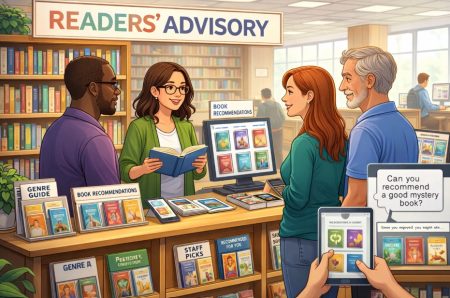
- Providing Personalized Service and Building Relationships: One of the most significant ways library staff contribute to the marketing of library services is by fostering personalized interactions with library users. Staff members are often the first point of contact for patrons, and their interactions can have a lasting impact on a user’s perception of the library. By offering exceptional customer service, staff can enhance a patron’s experience, which in turn encourages word-of-mouth promotion and repeat usage of library services.
For example, when staff help users find materials, recommend resources, or guide them through digital services, they are also indirectly marketing the library’s offerings. A librarian who takes the time to explain how to use an online database or recommends a relevant workshop can create a loyal user who will likely return and share their positive experiences with others. These personal connections not only improve user satisfaction but also promote the library’s value in the community. - Creating and Promoting Programs and Services: Library staff play a direct role in developing, organizing, and promoting various programs and services offered by the library. Whether it’s a book club, a digital literacy workshop, or an educational seminar, staff members are responsible for creating engaging programs that meet the needs of their communities. Their understanding of local demographics and community interests allows them to design programs that resonate with different groups, making the library more attractive and relevant to potential users.
Once programs are developed, staff are key to promoting them through a variety of channels. They may use word-of-mouth, in-library posters, social media, email newsletters, and local partnerships to spread the word. For instance, a staff member organizing a STEM workshop for children might promote it through social media platforms like Facebook or Instagram, targeting local parents. By actively participating in the promotion of library programs, staff ensure that the library reaches as many potential users as possible, driving attendance and increasing engagement. - Engaging in Community Outreach and Building Partnerships: Library staff also play an instrumental role in community outreach, which is an essential aspect of library marketing. By participating in local events and building partnerships with schools, non-profits, and local businesses, staff can increase the library’s visibility and extend its reach to new audiences. Libraries are community hubs, and it is through direct engagement that staff can market the library’s services to those who may not yet be aware of them.
For example, library staff may participate in community fairs or school events, handing out flyers, demonstrating library services, and signing up new members. They may also collaborate with local organizations to host joint events, such as book drives, educational workshops, or health information sessions. These outreach efforts not only raise awareness but also foster a sense of collaboration and community, ensuring that the library becomes an integral part of local life. - Utilizing Digital and Social Media: In today’s digital age, social media and online platforms play a significant role in marketing library services, and library staff are often at the forefront of these efforts. Staff members create and manage content for the library’s website, social media pages, and digital newsletters, helping to ensure that the library’s services reach a wide audience. They might post about upcoming events, share reading recommendations, or provide tips on how to use the library’s digital resources.
By actively engaging with patrons online, library staff can build an online community that complements the physical space of the library. Social media platforms like Facebook, Instagram, Twitter, or LinkedIn can be used to share updates, engage users with polls or surveys, and even run contests to attract new patrons. Through digital communication, staff can effectively market library services to individuals who may not regularly visit in person, particularly students, busy professionals, or people who prefer to access services remotely. - Gathering Feedback and Improving Marketing Strategies: Library staff play a crucial role in gathering feedback from patrons about the effectiveness of library services and programs. They are in direct contact with users on a daily basis and often have the best insight into user needs, preferences, and experiences. By listening to patrons and collecting feedback through surveys, informal conversations, or comment boxes, staff can provide valuable information that helps shape future marketing strategies.
For instance, a staff member who regularly interacts with young adult patrons might notice that there is significant interest in graphic novels or video game-related content. This feedback could inform marketing campaigns that promote specific collections or new services targeted at that demographic. By incorporating user feedback into the library’s marketing efforts, staff ensure that promotional materials and programs align with the interests and needs of the community, making the library more effective and responsive. - Training and Educating Users about Library Services: Library staff are also responsible for educating users about how to navigate the library and make the most of its offerings. This can include teaching patrons how to use the library’s catalog system, providing guidance on accessing online databases, or offering workshops on research skills. By helping users understand the full range of services available to them, staff contribute to the effective marketing of these services.
For example, a staff member might offer a workshop on how to access e-books or explain how to use citation management tools like Zotero or EndNote. These educational efforts not only help users but also demonstrate the value of the library’s resources, encouraging users to return and explore more services. This knowledge-sharing process is an essential part of the library’s marketing strategy, as it promotes the library as an invaluable resource for learning and personal development. - Advocating for the Library: Finally, library staff serve as passionate advocates for their institutions. Whether talking to patrons, attending community meetings, or engaging with local leaders, library staff often speak on behalf of the library, promoting its mission and advocating for its role in society. Their advocacy is essential in raising the profile of the library, whether in seeking support for funding, sharing success stories, or demonstrating the library’s impact on the community.
Staff members can use their positions to highlight the library’s contributions, such as how a specific program helped individuals improve their job prospects or how the library provided essential resources to underserved populations. By advocating for the library and its services, staff help ensure that the library continues to thrive and receive the support it needs to meet the needs of its users.
Library staff are integral to the marketing of library services. They not only provide excellent customer service and foster relationships with patrons, but they also help develop, promote, and refine library programs and services. Through community outreach, digital engagement, feedback collection, and advocacy, library staff ensure that the library remains a vital, accessible, and dynamic resource for learning, research, and community engagement. As the face of the library, the staff’s dedication, expertise, and enthusiasm are essential to the library’s success in meeting the needs of its users and promoting its services.
How Can Libraries Create Awareness of Their Services and Resources Among Their Target Audiences?
Creating awareness of library services and resources is essential for ensuring that libraries remain relevant, accessible, and valuable to their communities. While libraries offer a wide array of services, from books and journals to digital media, workshops, and community programs—these offerings can go underutilized if patrons are unaware of them. One effective strategy for raising awareness is digital marketing, especially through social media platforms like Facebook, Instagram, LinkedIn, and Twitter. Libraries can use these platforms to interact with patrons in real-time, promote upcoming events, and share information about new resources and services. For example, an academic library might highlight research databases or study spaces on LinkedIn, while a public library could use Instagram to promote family programs or summer reading events. A consistent digital presence helps libraries reach a broad audience, including those who may not visit in person.
In addition to digital marketing, libraries can strengthen their presence through community outreach and partnerships. Collaborating with local schools, businesses, and organizations allows libraries to reach new audiences and build relationships within the community. For example, a library could work with local schools to offer joint programs or workshops, like tutoring sessions or reading initiatives. Participation in community events, such as fairs or festivals, also provides opportunities for libraries to connect with residents, distribute flyers, and promote their programs. These partnerships not only raise awareness but also integrate libraries more deeply into the fabric of local life.
Hosting engaging events and programs is another effective way to attract users and create awareness. Libraries can host author talks, workshops, film screenings, or educational seminars that highlight their services and offer value to the community. These events can be marketed through a variety of channels, such as social media, email newsletters, or flyers, and attract new users who may become regular patrons. For instance, a public library might organize a digital literacy workshop, while an academic library could offer a seminar on research skills for students. Such events create a direct experience of the library’s offerings, making them more tangible and accessible to attendees.
Traditional advertising methods, such as print media and local advertising, still play an important role in reaching certain demographics, especially those who may not be active online. Libraries can use posters, flyers, and newspaper ads to inform the community about their services. Placing promotional materials in local businesses, community centers, or schools increases the library’s visibility, reaching individuals who might not otherwise be aware of what the library offers. Additionally, engaging with local media outlets, such as newspapers or radio stations, through press releases, interviews, or coverage of library events can help raise the library’s profile and attract a broader audience.
Word-of-mouth remains a powerful tool for raising awareness, and libraries can leverage their existing user base to spread the word. Encouraging current patrons to share their positive experiences and recommend library services to friends and family helps create a community of loyal users. Libraries can incentivize word-of-mouth marketing by offering rewards for referrals, such as discounts on library events or special access to certain resources. Additionally, library staff can prompt satisfied users to leave positive reviews on social media platforms, helping to further promote the library’s services.
Targeting specific demographics with tailored marketing campaigns is another important approach. By understanding the unique needs and interests of different groups, such as students, parents, senior citizens, or professionals, libraries can create more effective and personalized marketing messages. For instance, an academic library might run a campaign to promote research databases to graduate students, while a public library might market family-focused programs to parents. Tailoring campaigns ensure that libraries reach the right audiences with the right messages, increasing the likelihood that these groups will engage with the library’s resources.
Strategies Libraries Can Use to Increase Patron Engagement and Usage of Services
Libraries play a pivotal role in fostering learning, community engagement, and access to information. However, ensuring that patrons engage with library services and resources requires thoughtful and strategic approaches. Libraries must continuously adapt their offerings and outreach efforts to meet the evolving needs of their users, whether they are students, researchers, or members of the local community. Below are several strategies that libraries can use to increase patron engagement and encourage the frequent use of their services.
- Personalizing Library Services: One of the most effective ways to increase patron engagement is by personalizing services to meet the specific needs and preferences of users. By offering personalized recommendations, tailored programs, and individual assistance, libraries can create more meaningful connections with patrons. For example, librarians can suggest books, articles, or databases based on a patron’s previous borrowing history or academic interests. Personalized services, such as research consultations for students or career development sessions for job seekers, help patrons feel valued and understood, increasing the likelihood that they will return to the library for more services.
Offering a “Library Concierge” service, where patrons receive one-on-one help with locating materials or navigating library resources, can enhance engagement. Personalizing digital services, such as customized reading lists or alerts about upcoming workshops, also encourages patrons to engage more regularly with the library. - Leveraging Technology and Digital Services: In today’s increasingly digital world, libraries must embrace technology to meet the demands of their tech-savvy patrons. Offering easy-to-use online services and resources, such as e-books, audiobooks, digital research tools, and remote access to databases, helps engage users who may not have the time or ability to visit the library in person. Additionally, libraries can implement mobile apps that allow users to check out books, reserve study rooms, or access digital materials from their smartphones or tablets.
By offering virtual library tours, webinars, and online workshops, libraries can provide users with valuable resources without requiring them to leave their homes. Interactive tools, like virtual book clubs or discussion forums, allow patrons to engage with library services in a more collaborative and community-driven manner. These digital services cater to the needs of busy patrons, allowing them to access library resources at their convenience and increasing the frequency of engagement. - Organizing Engaging and Interactive Programs: Libraries can increase patron engagement by offering dynamic and interactive programs that meet the interests of different user groups. These programs can range from educational workshops and technology training sessions to community-building activities like book clubs, movie nights, and cultural events. Libraries should ensure that these programs are varied and cater to different age groups, professional interests, and learning preferences.
For example, a public library could host coding workshops for children, financial literacy seminars for adults, and digital storytelling classes for seniors. Academic libraries might offer workshops on research methodologies, citation management, or career skills for students and faculty. When these programs are advertised effectively through social media, email newsletters, or posters, they can increase engagement by attracting both new and returning patrons to the library. - Creating Collaborative and Social Spaces: Another strategy for increasing patron engagement is by designing the library as a collaborative and social space. Modern libraries are increasingly becoming community hubs where people can gather, share ideas, and work together. By offering dedicated spaces for group study, creative projects, and collaboration, libraries can encourage interaction among patrons, fostering a sense of community and shared purpose.
For example, academic libraries can create open study areas or quiet zones where students can work together on group projects, enhancing their academic experience. Public libraries might host community forums, discussion groups, or maker spaces, where patrons can engage in hands-on activities like crafting, 3D printing, or podcast production. These collaborative spaces not only enhance the library experience but also increase the likelihood that patrons will spend more time in the library and use its services regularly. - Gamification and Interactive Engagement: Gamification is a growing trend in libraries, where elements of game design, such as rewards, challenges, and competitions, are incorporated into library activities to increase engagement. For instance, libraries can organize reading challenges, trivia contests, or scavenger hunts that encourage patrons to explore library resources and participate in fun, interactive activities. These events can be promoted on social media to generate excitement and attract new participants.
A library might launch a summer reading challenge where patrons earn badges or prizes for reading a certain number of books, or a scavenger hunt that encourages users to learn about different library services. By combining educational content with the thrill of competition or rewards, libraries can create a more enjoyable and engaging experience for their patrons. - Building Stronger Relationships with Schools and Local Organizations: Engaging patrons often starts with fostering strong relationships with local schools, universities, and community organizations. Libraries can partner with educational institutions to provide students with workshops, research assistance, and access to specialized resources. These partnerships create opportunities to engage young people and students, encouraging them to use library services throughout their academic careers.
Public libraries can also build relationships with local organizations, such as senior centers, businesses, or nonprofits, to promote library programs that meet specific community needs. For example, a library might partner with a local health center to offer free health screenings, educational talks, or fitness classes. By building these partnerships, libraries can increase their relevance and use among a wider audience, while also positioning themselves as essential community assets. - Incentivizing Library Use: Incentivizing library use can also increase patron engagement and encourage continued use of library services. Libraries can offer rewards for frequent visits, attendance at programs, or the completion of challenges. For example, a library might create a loyalty program where patrons earn points or stamps for every book they borrow, which can be redeemed for library-related rewards, such as event tickets or exclusive access to new resources.
Offering incentives such as discounts on events, prizes for reading challenges, or special recognition for loyal patrons encourages people to return to the library and take advantage of its services. These incentives also create a sense of accomplishment and reward for patrons, making the library experience more enjoyable and engaging. - Gathering and Acting on Feedback: Finally, one of the most important strategies for increasing patron engagement is actively seeking feedback and responding to patron needs. Libraries can use surveys, suggestion boxes, and informal conversations to gather input from patrons about their experiences and preferences. By acting on this feedback—whether it’s expanding a collection, improving facilities, or adding more diverse programs—libraries demonstrate that they are listening to their users and are committed to providing services that meet their needs.
Engaging with patrons through regular feedback mechanisms also encourages a sense of ownership and investment in the library, making patrons more likely to engage with library resources and services on an ongoing basis.
Increasing patron engagement and usage of library services requires a multifaceted approach that combines personalization, technology, interactive programs, and community outreach. By offering personalized services, leveraging digital tools, creating engaging and collaborative spaces, and fostering relationships with local organizations, libraries can significantly increase the frequency and depth of patron engagement. Libraries that implement these strategies effectively will not only attract new users but will also cultivate loyal, long-term patrons who view the library as an essential resource for learning, socializing, and personal growth.
How Libraries Can Market Their Services Effectively Without a Significant Budget
Libraries, especially those operating on tight budgets, may face significant challenges in marketing their services to the community. However, a limited budget does not have to limit creativity, impact, or outreach. In fact, libraries can employ several cost-effective strategies to effectively market their services and raise awareness, all while staying within financial constraints. By leveraging free or low-cost tools, engaging with the community, and being strategic in their marketing approach, libraries can successfully boost their visibility and attract more patrons.
- Harnessing the Power of Social Media: One of the most effective and budget-friendly ways to market library services is through social media platforms. Social media provides libraries with a vast, free platform to reach diverse audiences. By creating and maintaining active accounts on platforms like Facebook, Twitter, Instagram, and LinkedIn, libraries can share information about events, new acquisitions, digital resources, and programs. Social media allows libraries to engage with users directly, promote upcoming events, and create interactive content like polls, quizzes, or reading challenges that encourage patron participation.
For example, a public library might post regular updates about storytimes for children, workshops for adults, or upcoming book clubs. Academic libraries could promote research tools, online workshops, or thesis-writing assistance. With consistent posting and engagement, libraries can keep their services at the forefront of the public’s mind without incurring significant costs. - Utilizing Existing Resources and Partnerships: Libraries can collaborate with other local organizations, schools, businesses, and non-profits to help spread the word about their services. Building partnerships is a mutually beneficial way to increase visibility without a heavy financial investment. Local businesses or community organizations may be willing to display posters, distribute flyers, or promote library programs in their newsletters or on their social media accounts. Schools and universities can also be key partners, particularly in promoting library resources to students, faculty, and parents.
For example, a library could work with local schools to promote a summer reading program or collaborate with a nearby health center to offer a wellness workshop. These partnerships not only help libraries increase their reach but also build a sense of community and shared responsibility in promoting literacy and education. - Engaging in Word-of-Mouth Marketing: Word-of-mouth is one of the most powerful marketing tools, and it’s entirely free. Encouraging satisfied patrons to spread the word about library services is an effective way to increase awareness and patronage. Libraries can inspire this organic marketing by creating a positive experience for users. By offering excellent customer service, fostering a welcoming atmosphere, and providing programs that meet community needs, libraries naturally become a topic of conversation.
To encourage word-of-mouth, libraries can create “referral” incentives or offer loyalty programs where users receive small rewards for bringing in new patrons. For example, a public library might offer a free book or entry into a prize drawing for every new member referred by an existing one. Additionally, librarians can directly encourage patrons to share their library experiences with friends and family, whether through casual conversations or by prompting them to share on social media. - Hosting Free and Low-Cost Events: Libraries can host a variety of free or low-cost events that not only benefit the community but also serve as effective marketing tools. These events can be promoted through community outreach, social media, local newspapers, or through partnerships with other organizations. Hosting free events, such as author talks, movie nights, book clubs, educational workshops, or skill-building classes, gives patrons a reason to visit the library and spreads the word about its offerings.
For example, a library might host a free digital literacy workshop, an author reading, or a community movie night, where attendees are encouraged to bring friends. While hosting an event requires staff time and potentially some resources, the overall cost can be kept low. Additionally, if libraries partner with local authors, businesses, or educational institutions, the cost of hosting events can be minimized or even shared. - Maximizing the Use of Free Online Tools: Libraries can make use of a variety of free online tools to help market their services and create engaging content. Platforms like Canva, for example, allow libraries to design professional-looking flyers, posters, and social media graphics at no cost. Google Drive or similar cloud-based tools can be used to share event calendars, newsletters, or promotional materials digitally, eliminating printing costs altogether.
Moreover, libraries can utilize free email marketing services, like Mailchimp, to send newsletters to patrons. These newsletters can include updates about library programs, events, and new resources, keeping patrons informed and engaged. This approach not only reaches a wide audience but also allows libraries to track open rates, ensuring their messages are being seen. - Leveraging Volunteers and Student Interns: Library staff may not always have the time or resources to execute large-scale marketing campaigns, but volunteers or student interns can be a great resource. Many libraries rely on volunteers for tasks like event planning, program execution, or social media management. By recruiting volunteers who are passionate about the library’s mission, libraries can gain additional marketing support without incurring extra costs.
Similarly, academic libraries can partner with local universities or community colleges to offer internships that provide students with real-world experience in library services or marketing. Interns may assist with creating promotional materials, planning events, or managing the library’s social media accounts. This approach not only helps libraries achieve their marketing goals but also provides valuable professional experience for students. - Utilizing the Library’s Existing Spaces for Promotion: Libraries already have physical spaces that can be used to market services at minimal cost. Posters, flyers, and banners placed strategically around the library (e.g., near entrances, in reading areas, or by the checkout counter) can help remind patrons of ongoing or upcoming events. In addition, libraries can use their website and online catalog to feature programs, events, and new resources, making them easily accessible to users who visit the library’s digital space.
Another cost-effective tactic is to create an announcement board or a digital screen that displays information about library services and programs. By making these materials visible to patrons as they browse or check out materials, libraries can keep their services top of mind without additional marketing expenses. - Developing a Strong Library Ambassador Program: Libraries can recruit staff, volunteers, and even patrons to act as “library ambassadors” who help promote services to the community. These ambassadors can help distribute flyers, speak about the library at community events, or lead local outreach efforts. Empowering individuals who are passionate about the library to spread the word is a cost-effective way to increase awareness, especially in neighborhoods where the library might not be as well-known.
Marketing library services on a tight budget is entirely possible with creativity, community involvement, and the strategic use of free tools and resources. By harnessing the power of social media, partnering with local organizations, leveraging word-of-mouth, and hosting free or low-cost events, libraries can effectively promote their services without a significant financial investment. Through these cost-effective strategies, libraries can increase their visibility, attract more patrons, and continue to serve as vital community resources for learning, research, and engagement.
How the Marketing of Library Services Contributes to the Overall Success and Sustainability of a Library
Marketing library services play a crucial role in ensuring the long-term success and sustainability of libraries. As libraries face increased competition for attention and resources in a rapidly evolving digital landscape, effective marketing helps enhance visibility, engage users, and strengthen community relationships. One of the primary contributions of marketing is increasing the awareness of library services. Libraries often offer a range of resources, such as digital databases, research tools, and educational programs, that may go underutilized simply because patrons are unaware of them. Through strategic marketing, such as social media campaigns, local partnerships, and event promotions, libraries can raise awareness and ensure that users are aware of all the valuable services available to them. This increased visibility not only boosts service usage but also highlights the library’s value to the community.
In addition to raising awareness, marketing helps libraries expand their user base and engage new patrons. By promoting specialized services, events, and resources, libraries can attract new users who may not have previously considered utilizing library services. For instance, libraries can target specific demographics, such as students or families, with tailored marketing efforts to ensure that the library’s offerings are visible to those who will benefit most. This not only broadens the library’s reach but also ensures that it continues to serve as an inclusive community resource. Furthermore, marketing allows libraries to build stronger relationships with their communities, positioning themselves as essential hubs for learning, collaboration, and cultural engagement. Through promotional efforts, libraries can showcase their role as more than just places for borrowing books; they are spaces for fostering community ties and supporting lifelong learning.
Marketing also plays a significant role in securing financial support and resources. Libraries often rely on funding from local governments, grants, and private donations. By effectively marketing the library’s services and demonstrating its positive impact on the community, libraries can build a compelling case for increased funding and support. Success stories, data on program participation, and testimonials from satisfied patrons can be powerful tools in advocacy efforts. These marketing strategies show stakeholders the tangible benefits the library provides, making it easier to garner support from government bodies, donors, and local businesses.
Additionally, marketing helps libraries create and leverage partnerships with local organizations, schools, and businesses. By positioning the library as a collaborative partner, libraries can create opportunities for joint events, shared programming, and increased visibility. These partnerships not only enhance the library’s offerings but also help to reduce costs through shared resources and collective outreach efforts. For example, partnering with a local school can lead to joint educational programs, while a collaboration with a business could result in career development workshops, increasing the library’s relevance to the community.
Another important contribution of marketing is fostering user loyalty and retention. Libraries that engage regularly with their patrons through newsletters, social media, and personalized services build stronger relationships with users, which leads to higher levels of repeat engagement. Marketing strategies such as loyalty programs, reading challenges, or exclusive events can create a sense of belonging among patrons, encouraging them to return regularly and use a wider range of services. Word-of-mouth marketing from loyal patrons further strengthens the library’s standing in the community, attracting new users and deepening connections with existing ones.
Finally, marketing allows libraries to remain adaptable to changing needs and trends. Through feedback mechanisms like surveys and community consultations, libraries can identify shifts in patron interests and emerging demands, such as an increased need for digital resources or interest in new technologies. By staying attuned to these changes, libraries can adjust their services and programs accordingly, ensuring they meet the evolving needs of their users. This adaptability ensures the library remains relevant and responsive to community needs, thus supporting its continued success and sustainability.
How Libraries Can Ensure Their Marketing Messages Are Inclusive and Reach a Diverse Range of Users
In today’s increasingly multicultural and diverse society, libraries must ensure that their marketing messages are inclusive and accessible to all members of the community. An inclusive marketing strategy not only reflects the diversity of the library’s patrons but also ensures that every individual, regardless of background, feels welcome and valued. For libraries to remain relevant and effective, their marketing efforts must be designed to resonate with people of different ages, cultural backgrounds, socioeconomic statuses, and abilities. Here are several strategies libraries can employ to ensure their marketing messages are inclusive and reach a broad range of users.
- Understanding the Community’s Demographics and Needs: The first step in creating inclusive marketing messages is gaining a deep understanding of the community’s demographics and needs. Libraries must recognize the diversity within their patron base, which could include people from various ethnic, linguistic, and cultural backgrounds, as well as individuals with varying abilities. By gathering data through surveys, community consultations, and feedback forms, libraries can gain insights into the preferences, challenges, and interests of different groups. This understanding allows libraries to tailor their marketing strategies to address the specific needs of various audiences.
For example, a library in a multicultural neighborhood might discover that a significant portion of its patrons speak a language other than English. In response, the library could ensure that marketing materials are available in multiple languages to better serve these communities. Similarly, libraries can conduct outreach efforts to engage groups that may feel excluded, such as low-income individuals, immigrants, or senior citizens, by learning what services would be most beneficial to them. - Using Diverse and Inclusive Language in Marketing Materials: Language is a powerful tool in marketing, and libraries must be mindful of the words and phrases they use to ensure they are inclusive and welcoming. Avoiding jargon, using simple and clear language, and being sensitive to cultural differences can help make library marketing materials more accessible. For instance, marketing messages should avoid using language that could unintentionally alienate or exclude certain groups, such as overly technical terms or culturally specific references that may not resonate with everyone.
Libraries can also be intentional about using gender-neutral language, particularly when describing programs, services, or events. Instead of assuming specific gender roles, libraries can use inclusive terms such as “all” or “everyone,” which invite participation from individuals regardless of gender identity. Additionally, promoting services with terms like “accessible,” “welcoming,” and “for all” ensures that diverse groups feel comfortable and included in the library’s offerings. - Reaching Diverse Audiences Through Multiple Channels: To ensure that marketing messages reach a diverse range of users, libraries should use a variety of communication channels to cater to different preferences and habits. While some patrons may rely on social media and digital platforms, others may prefer more traditional methods like flyers, posters, or word-of-mouth. By employing a multi-channel approach, libraries can ensure their messages reach users wherever they are.
For example, libraries can use social media platforms like Facebook, Instagram, and Twitter to target younger, tech-savvy audiences, while also distributing flyers at local community centers, schools, and places of worship to reach older adults or individuals who are not as digitally connected. Additionally, libraries can partner with local organizations, businesses, and schools to promote their services, helping to extend their reach to new or underserved audiences. Engaging with community leaders or influencers can further amplify the library’s message within specific cultural or social groups. - Promoting Accessibility in All Marketing Materials: To ensure inclusivity, libraries must prioritize accessibility in their marketing materials. This includes providing materials in alternative formats such as large print, audio, or Braille, to cater to individuals with visual impairments. Additionally, libraries should consider the needs of people with hearing impairments by offering captioned videos or including information on programs designed for the deaf and hard-of-hearing communities.
Digital accessibility is also important, especially as more patrons access library services online. Websites should comply with web accessibility standards, ensuring they are easy to navigate and that content is compatible with screen readers and other assistive technologies. Libraries can also make use of social media platforms that are optimized for accessibility, such as using alt text for images and ensuring that posts are readable for individuals with various abilities. - Highlighting Diverse Voices and Perspectives: An essential part of inclusive marketing is ensuring that the library’s resources, events, and services reflect and celebrate the diversity of the community. Libraries can actively promote books, programs, and events that feature diverse voices and perspectives. By showcasing works by authors from different racial, ethnic, and cultural backgrounds, libraries can signal their commitment to inclusivity and broaden the scope of their offerings.
Libraries should also promote events that address diverse cultural celebrations or topics, such as Black History Month, Hispanic Heritage Month, and others that reflect the diverse identities in the community. When libraries offer programming that acknowledges and celebrates the richness of the community’s heritage, they encourage participation and create a more inclusive space where everyone feels seen and heard. - Engaging with Underserved or Marginalized Groups: Libraries should make a concerted effort to reach out to underserved or marginalized groups that may not typically use the library or may face barriers to access. This can include reaching out to low-income families, people with disabilities, racial and ethnic minorities, immigrants, or those without regular access to digital technologies.
Targeted outreach efforts, such as hosting special events or offering resources tailored to these groups, can help libraries engage with new audiences. For example, offering programs that assist with job searching, resume writing, or English language learning can attract individuals who may benefit from these services but may not know the library can provide them. Libraries can also collaborate with community organizations that work with these groups to promote library resources and build trust within these communities. - Creating a Welcoming Environment for All: In addition to marketing messages, the overall environment of the library should be inclusive and welcoming to all users. This extends beyond physical space to the way patrons are treated by library staff. Staff training on cultural competency and sensitivity can help ensure that patrons from all backgrounds feel comfortable and respected. Libraries can also establish policies that promote inclusivity, such as offering no-fee library cards or ensuring that all patrons, regardless of their background, feel welcome to use the library’s resources.
The physical space of the library itself can also play a role in fostering an inclusive atmosphere. Libraries should consider the needs of diverse groups when designing spaces, ensuring there are areas for quiet study, group collaboration, and family activities. Creating spaces that reflect the community’s diversity can make patrons feel more at home and encourage greater engagement.
Ensuring that marketing messages are inclusive and reach a diverse range of users requires intentional effort, strategic planning, and a deep understanding of the community’s needs. By using inclusive language, leveraging multiple communication channels, promoting accessibility, highlighting diverse perspectives, and engaging with underserved groups, libraries can ensure that their services are accessible to all. Ultimately, inclusive marketing strengthens the library’s role as a community hub where everyone feels welcome, valued, and empowered to learn and grow. Through thoughtful and inclusive marketing, libraries can build stronger connections with their communities and ensure their long-term relevance and success.