
A library is a place where information, knowledge, and culture are preserved, organized, and made accessible to the public. Traditionally, libraries were physical spaces that housed books, journals, and other printed materials. However, with the advent of technology, libraries have expanded their reach to include digital resources such as e-books, online databases, and multimedia content. Libraries are essential institutions in society, serving as hubs of learning, research, and community engagement. They provide a wealth of resources supporting education, fostering intellectual growth, and promoting cultural exchange.
The importance of libraries in society cannot be overstated. They provide equitable access to information, ensuring that all individuals can benefit from educational resources regardless of their background or socio-economic status. Libraries play a crucial role in promoting literacy by offering books and programs that encourage reading and learning from an early age. Additionally, libraries support lifelong learning, offering resources and programs for people of all ages to continue their personal and professional development. Libraries also contribute to community engagement by hosting events, offering social services, and providing spaces for people to connect and collaborate. Moreover, libraries act as preservers of culture, safeguarding historical documents, rare books, and cultural artifacts for future generations. In a world where access to information is a fundamental right, libraries ensure that knowledge remains accessible, inclusive, and democratic, making them indispensable to society’s intellectual and social well-being.
Objectives of a Library
Libraries have been integral to human society for centuries, serving as spaces where knowledge, culture, and information are preserved, accessed, and shared. The objectives of a library are rooted in its mission to facilitate learning, provide equitable access to information, and foster community engagement. These goals guide libraries in their role as educational institutions, cultural preservers, and hubs for community development. Libraries exist to meet the diverse needs of their users, and their objectives are designed to ensure they continue to serve and support individuals, institutions, and society as a whole. Below are the key objectives of a library:
- Providing Access to Information: The primary objective of any library is to provide access to information. Libraries are designed to offer a vast range of materials, from books and journals to digital resources like e-books, databases, and multimedia content. By making these resources freely available, libraries ensure that individuals of all ages, backgrounds, and socioeconomic statuses can access the information they need for education, research, or personal growth. Libraries help bridge the digital divide by offering free access to computers, the internet, and other digital tools, which is especially important for underserved communities where access to technology may be limited.
For example, the Public Library of New York provides its members with access to an extensive digital collection, including e-books, audiobooks, and online research databases, making it easy for patrons to access materials from the comfort of their homes or on the go. Similarly, public libraries across the globe often provide free internet access and digital literacy training to help people navigate the online world, ensuring that everyone has an opportunity to engage with and benefit from the digital age. - Supporting Education and Lifelong Learning: Libraries serve as key institutions in the education system, supporting both formal and informal learning. In academic settings, libraries provide access to textbooks, research papers, journals, and specialized databases that are essential for students and faculty. These resources help facilitate academic success by offering materials for coursework, research, and scholarly inquiry.
Beyond formal education, libraries also promote lifelong learning by offering educational programs and resources for people of all ages. Public libraries, for example, provide access to literacy programs, career development workshops, and adult education courses. Libraries often host learning events such as language classes, computer skills workshops, and financial literacy seminars. For instance, the Chicago Public Library offers digital literacy classes for seniors, helping them navigate online resources and stay connected with family, services, and government resources. By providing such opportunities, libraries ensure that learning is not confined to the classroom but is a lifelong process that can be pursued at any age, supporting personal and professional development. - Promoting Literacy and Reading: A fundamental objective of libraries is to promote literacy and foster a love of reading. Libraries provide access to a wide range of reading materials, from fiction and non-fiction to specialized content across various genres. For young readers, libraries offer early literacy programs such as storytime sessions and book clubs, helping children develop essential reading skills at an early age. The goal is to instill a love for reading that extends throughout their lives. The Los Angeles Public Library, for example, hosts a popular summer reading program for children and families to encourage reading and learning during the summer months, offering a variety of engaging activities that foster literacy.
For adults, libraries provide book clubs, reading challenges, and access to a wide range of literary genres, helping individuals continue their reading journey and explore new areas of interest. These initiatives help to ensure that reading remains an enjoyable and enriching activity at all stages of life. - Ensuring Intellectual Freedom and Equal Access: Libraries uphold the principle of intellectual freedom, which is the right of individuals to access information without censorship or restriction. Libraries ensure that users have access to a diverse range of ideas, viewpoints, and resources, fostering open dialogue and critical thinking. This principle is essential in libraries’ commitment to democracy and the free exchange of ideas. Libraries provide a space for exploration, where people can engage with various topics—sometimes controversial or unpopular—without fear of censorship or reprisal.
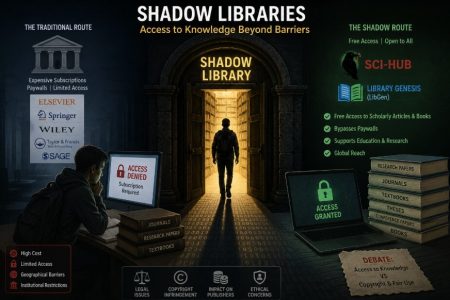
In this context, libraries also promote information equity, ensuring that all individuals have equal access to information regardless of their background or financial status. For example, libraries often provide free access to resources like online journals, research papers, and educational databases, which otherwise might be behind paywalls or expensive subscriptions. The Boston Public Library offers free access to several paid academic resources, such as JSTOR and ProQuest, for members, supporting individuals who may not have the financial means to access these resources elsewhere. - Preserving Knowledge and Cultural Heritage: Libraries serve as custodians of knowledge and cultural heritage, preserving important works for future generations. Libraries collect, organize, and maintain historical documents, manuscripts, rare books, and archives that reflect the cultural, social, and intellectual history of societies. Many libraries house special collections that document the cultural and historical identity of a community, nation, or region. For example, the Library of Congress in the United States is responsible for preserving the nation’s literary and cultural heritage, ensuring that these materials remain accessible to scholars, students, and the public.
Libraries are also involved in the digitization of materials, ensuring that rare and fragile works are preserved for future generations. The Internet Archive, for example, digitizes historical materials, offering millions of books, movies, and other media for free online access. - Facilitating Community Engagement and Social Services: Libraries are not just centers for reading; they are also community centers that promote social engagement and provide social services. Libraries host programs designed to bring people together and foster social cohesion. These programs may include cultural events, public discussions, art exhibitions, and community workshops.
Public libraries often serve as community hubs, offering services such as job search assistance, health literacy programs, and support for immigrants or vulnerable populations. For instance, the San Francisco Public Library offers free legal services for low-income residents, helping them access legal resources and assistance. Libraries provide spaces for social interaction and cultural exchange, enabling individuals from diverse backgrounds to connect, share ideas, and engage in meaningful discussions. - Encouraging Innovation and Technological Advancement: Modern libraries have the objective of encouraging innovation by providing access to new technologies and creative spaces. Many libraries have embraced makerspaces, which are community workshops equipped with tools like 3D printers, robotics kits, and art supplies. These spaces allow patrons to engage in creative projects, explore new technologies, and develop hands-on skills. The Toronto Public Library has makerspaces that offer patrons the chance to create prototypes, engage in digital media projects, and explore new technologies.
Libraries also help foster technological literacy, ensuring that individuals can develop the skills needed to succeed in the digital age. Many libraries offer coding classes, technology training, and digital tools to help people stay up-to-date with the latest innovations.
The objectives of a library are wide-ranging and fundamental to the development of individuals and communities. Libraries serve as essential institutions in society by providing access to information, supporting education, promoting literacy, ensuring intellectual freedom, and preserving cultural heritage. They foster social engagement, community cohesion, and innovation, making them indispensable resources in the digital age. Libraries continue to evolve and adapt to meet the ever-changing needs of society, but their core mission remains the same: to provide equitable access to knowledge and support the intellectual and cultural growth of individuals and communities.
Reference Articles:
- Build Your Digital Skills With Library Resources. (2024, May 22). https://www.chipublib.org/blogs/post/build-your-digital-skills-with-library-resources
- Digital Innovation Services: Toronto Public Library. (n.d.). Retrieved April 28, 2025, from https://www.torontopubliclibrary.ca/using-the-library/computer-services/innovation-spaces/
- Internet Archive: Digital Library of Free & Borrowable Texts, Movies, Music & Wayback Machine. (n.d.). Retrieved April 28, 2025, from https://archive.org/
- Online Resources. (n.d.). Retrieved April 28, 2025, from https://www.bpl.org/popular-online-resources
- Online Resources & Databases. (n.d.). The New York Public Library. Retrieved April 28, 2025, from https://www.nypl.org/research/collections/online-resources-databases
- San Francisco Law Library | SF.gov. (n.d.). Retrieved April 28, 2025, from https://www.sf.gov/departments–san-francisco-law-library
- Summer With the Library | Los Angeles Public Library. (n.d.). Retrieved April 28, 2025, from https://www.lapl.org/summer






1 Comment
MR