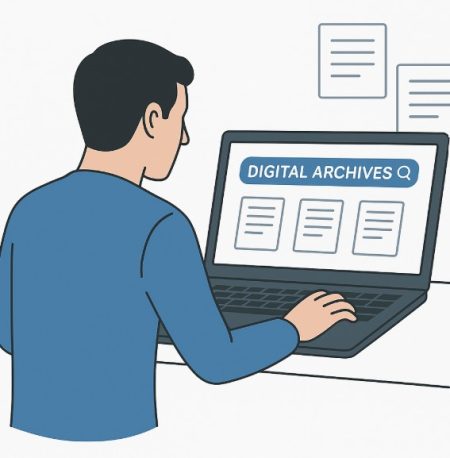
Digital archives play an increasingly vital role in modern research and education by providing easy, remote access to a wealth of historical, scholarly, and educational resources. As the world becomes more interconnected and digitized, digital archives have revolutionized the way researchers, educators, and students access and engage with information. By digitizing and preserving diverse materials such as manuscripts, journals, books, images, audio recordings, and more, these archives ensure that valuable content remains accessible for future generations.
In research, digital archives enhance the ability to conduct thorough, in-depth analysis by making rare and primary source materials readily available. Scholars can access a vast range of resources from different time periods and regions without the need for physical travel, leading to more efficient and expansive research opportunities. For education, digital archives are invaluable tools for both teaching and learning. Educators can integrate primary sources into their curriculum, fostering critical thinking and research skills in students. Digital archives empower students to explore historical events, scientific discoveries, and literary works directly, allowing them to interact with the materials in ways that go beyond traditional textbooks. By supporting both research and education, digital archives contribute to the advancement of knowledge, making it more accessible, interactive, and inclusive for all learners and scholars.
How Do Digital Archives Support Research and Education?
In the age of rapidly advancing technology, digital archives have become increasingly important in supporting research and education. These archives, which store vast collections of digitalized materials, are transforming how we access, organize, and utilize information. From academic articles and historical documents to multimedia resources, digital archives make a wealth of knowledge accessible to researchers, students, and educators worldwide. By offering efficient access, preserving important materials, and encouraging collaboration, digital archives play a pivotal role in advancing research and education.
- Enhanced Accessibility and Availability of Information: One of the most significant ways digital archives support research and education is through increased accessibility. Traditionally, accessing academic research, historical records, or primary source materials required researchers and students to visit specific libraries or archives, often in person. This could be time-consuming, especially for those who lacked easy access to major institutions. Digital archives have eliminated these geographic barriers by allowing individuals to access valuable information from anywhere in the world, as long as they have an internet connection.
For example, the Digital Public Library of America (DPLA) provides online access to millions of digitized books, manuscripts, photographs, and other historical records from libraries and museums across the United States. Similarly, platforms like Google Scholar and JSTOR give researchers and students free or subscription-based access to scholarly articles, research papers, and journals that would otherwise be confined to physical libraries. This ease of access has revolutionized how information is consumed, making it possible for anyone—from students and researchers to casual learners—to explore vast digital collections from the comfort of their home or office. - Facilitating Efficient Research: Digital archives also support efficient research by enabling faster and more effective data retrieval. Traditional archives often involved physically sorting through boxes of materials, which could take hours or even days. In contrast, digital archives offer powerful search tools that allow users to locate specific documents, articles, or media content within seconds. Whether through keyword searches, full-text searches, or advanced filters, researchers can quickly find the information they need without the time constraints imposed by traditional methods.
For example, researchers studying a specific historical event, like the American Civil War, can search for articles, letters, newspapers, and government reports related to that period. With digital archives like The American Memory Project or Chronicling America, a researcher can instantly find digitized newspapers, correspondence, and reports that might otherwise have required time-consuming manual searches through physical collections. This greatly enhances the speed and efficiency of the research process, allowing scholars to focus on analysis rather than data retrieval. - Supporting Interdisciplinary and Collaborative Research: Digital archives make research more efficient and foster collaboration and interdisciplinary research. In the past, accessing diverse research materials from different disciplines required visiting multiple specialized institutions. Digital archives, however, enable researchers from various fields to collaborate by providing a centralized, accessible platform where materials from different disciplines can be shared and analyzed.
For example, a historian studying the effects of industrialization in the 19th century can easily access economic data, political speeches, photographs, and scientific reports related to the period—materials that might previously have been scattered across multiple physical archives or institutions. This ability to access materials from different fields allows for more comprehensive and interdisciplinary research. Researchers can collaborate, share insights, and build upon each other’s findings, regardless of geographic location. Digital archives also support global collaboration by providing researchers from all corners of the world with access to the same materials, helping to eliminate barriers posed by distance, language, or institutional resources. - Promoting Open Access and Knowledge Sharing: Another key way in which digital archives support research and education is through the promotion of open access and knowledge sharing. Many digital archives offer free access to their collections, making knowledge available to individuals who may not have access to expensive subscription-based databases or university libraries. Open-access archives are particularly valuable in democratizing information, ensuring that students, researchers, and the general public—regardless of their financial background—can engage with and benefit from academic and historical resources.
Initiatives like arXiv, an open-access archive for scientific papers, or PubMed Central, which provides free access to medical research articles, have revolutionized the way research is shared. Open-access repositories allow researchers to upload their work for free, making it available to a wider audience and encouraging knowledge dissemination. This openness fosters collaboration, as researchers are able to freely share their work, receive feedback, and build upon others’ findings. In the academic world, where access to research materials can often be restricted by paywalls, the open-access movement championed by digital archives is helping to level the playing field and ensure that valuable research is accessible to everyone. - Preserving Cultural Heritage for Future Generations: Digital archives also play a crucial role in the preservation of cultural heritage, supporting both research and education by safeguarding important documents and artifacts for future generations. Historical manuscripts, photographs, and recordings are often fragile and subject to deterioration over time. By digitizing these materials, cultural institutions can protect them from damage while also making them more widely accessible.
For example, the Internet Archive and Europeana provide access to millions of digitized items, ranging from historical books and photographs to rare films and music. This preservation of cultural artifacts helps ensure that the history, knowledge, and creativity of past generations are not lost and can be studied and appreciated by future scholars, students, and the public. Digital archives, thus, serve as a bridge between the past and present, offering opportunities to learn from historical materials and better understand our collective heritage. - Enhancing Education and Lifelong Learning: In addition to supporting research, digital archives are valuable educational resources. Educators can incorporate digital materials such as historical documents, academic papers, multimedia resources, and primary source materials into their curriculum. By doing so, they can create richer, more engaging learning experiences for students. The use of digital archives in classrooms allows students to interact with real-world documents, view original footage, and explore diverse resources that enrich their understanding of various topics.
Moreover, digital archives support lifelong learning by providing individuals of all ages with the ability to access educational resources at their convenience. Adult learners seeking to expand their knowledge, teachers looking for instructional materials, and individuals pursuing personal interests can all benefit from the vast range of learning resources available in digital archives. This encourages ongoing education and self-directed learning, allowing people to explore new topics, deepen their expertise, and enhance their skills throughout their lives.
Digital archives are indispensable to both research and education in the modern world. They enhance access to information, promote collaboration, preserve valuable cultural resources, and support efficient, interdisciplinary research. By making materials widely accessible and promoting open access, digital archives have become essential tools in democratizing knowledge and fostering a more inclusive educational environment. As the digital landscape continues to evolve, the role of digital archives in shaping the future of research, education, and knowledge preservation will only grow, offering opportunities for greater innovation and global cooperation.
The Role of Digital Archives in Making Historical Research More Accessible
Digital archives play a pivotal role in making historical research more accessible by eliminating barriers such as geographical location, limited access to materials, and the physical degradation of documents. Traditionally, researchers were often required to travel to specific libraries, museums, or government archives to consult historical records, many of which were fragile or rare and could only be viewed under strict conditions. This limited accessibility slowed down research and excluded individuals without the means or ability to visit these locations.
With the advent of digital archives, historical materials such as manuscripts, photographs, newspapers, maps, and official documents are now being digitized and made available online. These archives allow researchers to access a vast array of primary source materials without leaving their homes or offices. Platforms like The Internet Archive, Europeana, and Chronicling America provide global access to historical documents, enabling scholars from across the world to engage with resources that were once confined to specific locations. By digitizing historical records, these archives ensure that valuable materials are preserved for future generations while expanding access to researchers and educators worldwide.
In addition to broadening access, digital archives enhance searchability and efficiency. Users can easily search for specific keywords, topics, or dates, which significantly speeds up the research process compared to manually searching through physical records. Full-text search capabilities allow researchers to locate relevant information quickly without the need to sift through thousands of pages. This increases the efficiency of historical research, enabling scholars to uncover insights more rapidly and access a larger body of work than ever before. Furthermore, digital archives ensure that fragile or deteriorating historical materials are protected. Many historical documents, especially those from earlier centuries, are at risk of degradation due to physical wear, exposure to light, and environmental factors. By digitizing these materials, digital archives preserve them in a stable format, preventing further damage and allowing future generations of researchers to access these resources.
How Do Digital Archives Enhance the Efficiency of Academic Research?
Digital archives significantly enhance the efficiency of academic research by providing easy, fast, and comprehensive access to a wide range of primary and secondary sources. Traditionally, researchers had to spend considerable time traveling to physical archives, libraries, or institutions to access crucial materials. Digital archives eliminate these barriers by allowing researchers to access vast collections of resources online, anytime, and from anywhere. This immediate access to a wealth of materials accelerates the research process and allows scholars to focus more on analysis rather than time-consuming retrieval tasks.
One of the primary ways digital archives enhance efficiency is through advanced search features. Using keyword searches, filters, and metadata tags, researchers can quickly locate specific documents, datasets, or publications. This eliminates the need for extensive manual browsing through physical collections, enabling more precise and targeted searches. In addition, digital archives often provide full-text access to documents, allowing researchers to quickly assess whether a particular resource is relevant to their work, saving time and effort in the decision-making process.
Another key feature of digital archives is the ability to access materials in multiple formats, including text, images, audio, and video. This broadens the range of resources available for research, making it easier to conduct interdisciplinary studies and gather diverse types of evidence to support academic arguments. Additionally, many digital archives allow researchers to annotate, download, or share documents, further enhancing collaboration and knowledge sharing across academic communities. Finally, the preservation of materials in digital archives ensures that resources are safeguarded against physical deterioration, ensuring long-term accessibility. Researchers no longer have to worry about the wear and tear that comes with using fragile, aging materials. The reliability and longevity of digital archives ensure that researchers can always return to their sources without concerns about damage or loss.
Digital archives increase the efficiency of academic research by offering rapid access to vast and varied resources, streamlining the search and retrieval process, and ensuring the preservation of important materials. These advantages help researchers save time, improve the quality of their work, and accelerate the overall pace of academic inquiry.
How Digital Archives Contribute to the Preservation of Cultural Heritage for Educational Purposes
Digital archives play an essential role in preserving cultural heritage by providing a sustainable and accessible means of safeguarding valuable materials for future generations. Through the digitization of historical documents, artifacts, photographs, artworks, and other cultural items, digital archives ensure that these materials are protected from the ravages of time and environmental deterioration. More importantly, they make these materials accessible to a broader audience, enhancing their use in educational settings and facilitating global learning about diverse cultures, histories, and traditions.
- Preserving Fragile and Deteriorating Materials: One of the primary ways digital archives contribute to the preservation of cultural heritage is by digitizing fragile and deteriorating materials. Physical objects, such as ancient manuscripts, artworks, and historical documents, are often vulnerable to environmental factors like light, humidity, temperature fluctuations, and physical handling. Over time, these materials degrade, making it difficult for future generations to access them. By digitizing these items, digital archives ensure that these important cultural resources are preserved in a stable format, reducing the risk of loss or destruction.
For example, ancient texts or indigenous languages that were written on materials such as parchment or papyrus are vulnerable to decay. Digital archives allow these works to be scanned, transcribed, and stored in digital formats that remain accessible for educational purposes despite the limitations of their physical condition. - Expanding Access to Cultural Resources: Digital archives also increase the accessibility of cultural heritage by making materials widely available online. Educational institutions, students, and researchers no longer need to travel to specific locations to access rare or valuable cultural materials. Digital archives break down geographical and economic barriers by allowing anyone with an internet connection to access digitized cultural resources. This democratization of information is particularly important for individuals who might otherwise have limited access to physical archives due to distance, cost, or institutional restrictions.
For example, Europeana, a digital archive containing millions of digitized items from European cultural heritage institutions, allows educators and students to access historical documents, photographs, artworks, and more from across Europe. This ease of access ensures that students around the world can study materials that were previously difficult to obtain, contributing to a more inclusive and global approach to education. - Enriching the Educational Experience: Digital archives play a vital role in enhancing the educational experience by providing students with direct access to primary sources. In traditional education, students often study historical events or cultural topics through secondary sources, such as textbooks or lectures. However, direct engagement with primary source materials—whether they are ancient manuscripts, oral histories, or photographs—offers students a deeper and more authentic understanding of the subject matter. Digital archives make these materials available, allowing students to interact with the original documents and artifacts that shaped historical events and cultural movements.
For example, a history class studying the American Civil War could benefit from access to digitized letters, government reports, and newspapers from the time period, giving students firsthand insight into the experiences and perspectives of those who lived through it. Similarly, art history students can explore digital archives of artworks from different cultures, gaining a richer understanding of the techniques, styles, and historical contexts that influenced their creation. - Fostering Cross-Cultural Education: Digital archives contribute significantly to cross-cultural education by making the cultural heritage of diverse communities available for study. Many cultural groups have historically been underrepresented in academic resources, and their heritage may be at risk of being forgotten or misunderstood. By digitizing and sharing materials from a wide range of cultures, digital archives promote intercultural understanding and allow students to learn about cultures beyond their own.
For example, digitizing Indigenous stories, folklore, and artwork provides opportunities for students to explore cultures that may have been historically marginalized or overlooked. This access to diverse cultural materials fosters empathy, respect, and a broader global perspective in students, enriching their educational experience and preparing them for a more interconnected world. - Supporting Global Collaboration in Cultural Preservation: Digital archives also encourage global collaboration in cultural preservation and education. Institutions, museums, libraries, and cultural organizations around the world are increasingly working together to digitize and share cultural heritage materials. Collaborative digital archiving initiatives help pool resources and expertise, making it possible to preserve and share materials from all over the world.
One such example is the World Digital Library, a project that brings together cultural heritage collections from libraries and archives across the globe. This initiative provides access to unique materials from countries and regions that may otherwise lack the resources to digitize and share their cultural heritage. Through such collaborations, digital archives support the global effort to preserve the world’s cultural legacy and make it accessible for educational purposes. - Enabling Interactive and Engaging Learning Methods: Lastly, digital archives facilitate interactive learning methods by offering multimedia content, such as images, videos, and audio recordings, alongside traditional textual materials. This allows students to engage with cultural heritage more dynamically and creatively. For example, virtual museum tours, digitized film reels, and interactive timelines allow students to explore history and culture in an immersive way, helping to make the learning experience more engaging and memorable.
In conclusion, digital archives play a crucial role in the preservation of cultural heritage by ensuring that historical and cultural materials are protected from degradation and made accessible for educational purposes. They provide greater access to primary sources, enhance cross-cultural understanding, and enrich the learning experience by offering students the opportunity to interact with original cultural materials. Through their efforts to preserve and share the world’s cultural heritage, digital archives help foster a deeper understanding of history, culture, and human experience, empowering students to engage with the past more meaningfully. As digital archiving continues to grow, its impact on cultural preservation and education will continue to expand, ensuring that future generations can access and learn from the diverse cultural legacies of the world.