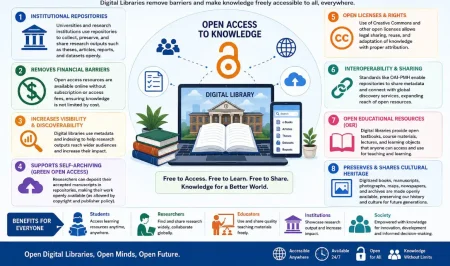
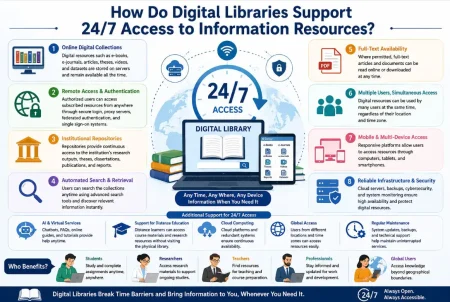
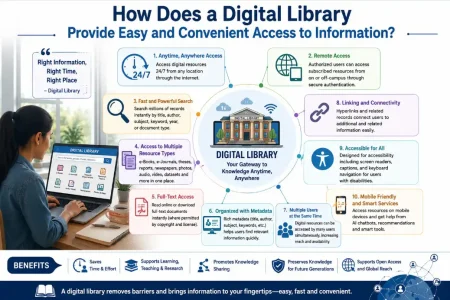
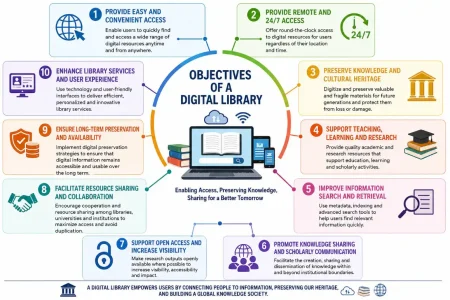
Digital libraries are online repositories that store and provide access to a wide variety of information resources, including e-books, research papers, multimedia files, and scholarly databases. Unlike traditional physical libraries, digital libraries leverage technology to offer users a convenient, accessible, and cost-effective way to explore and utilize knowledge resources. With features like 24/7 access, advanced search capabilities, and interactive tools, they have become essential hubs for learning and research in the digital age.
Remote learning, on the other hand, is a modern educational approach that enables learners to access courses, lectures, and study materials from virtually anywhere, breaking the traditional barriers of time and location. Facilitated by advancements in digital communication tools and online platforms, remote learning caters to a wide audience, from school students to working professionals pursuing further education.
Together, digital libraries and remote learning form a symbiotic relationship where the accessibility and vast resource base of digital libraries significantly enhance the effectiveness and inclusivity of remote education. By integrating these two, learners gain the ability to personalize their educational journey, while educators and institutions can provide better support and opportunities to a global audience.
The Features of Digital Libraries Beneficial for Remote Learning
The rapid advancement of technology has transformed how education is delivered, with remote learning emerging as a powerful alternative to traditional classroom-based teaching. Central to this transformation is the role of digital libraries, which serve as essential resources for students, educators, and researchers. By offering a wide range of features, digital libraries address the unique challenges of remote learning, making education more accessible, efficient, and inclusive. Below are the key features of digital libraries that contribute to the success of remote learning.
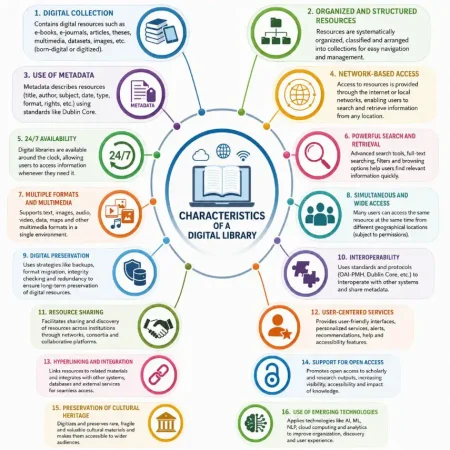
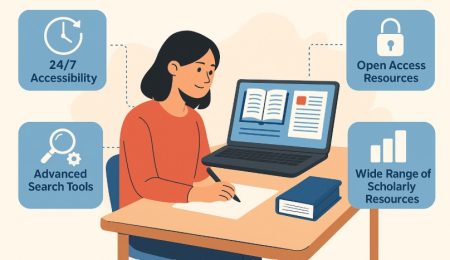
- 24/7 Accessibility: Digital libraries operate round the clock, enabling learners to access resources anytime. Unlike traditional libraries, which are bound by limited operating hours, digital libraries cater to the schedules of remote learners who may be studying in different time zones or balancing education with work commitments. This constant availability ensures that students and educators can study, teach, or conduct research whenever it is most convenient for them.
- Vast Collection of Resources: One of the most significant advantages of digital libraries is their extensive collection of resources. From e-books and research papers to multimedia files and archived documents, digital libraries offer materials that cater to diverse academic disciplines and learning needs. Unlike physical libraries, which are often constrained by space limitations, digital libraries can house an almost infinite amount of information virtually, providing a treasure trove of knowledge for remote learners.
- Search and Retrieval Efficiency: Finding specific information in digital libraries is quick and efficient, thanks to advanced search features. With tools like keyword searches, filters, and metadata tagging, users can locate relevant content with minimal effort. Additionally, many digital libraries employ algorithms to offer predictive search suggestions and prioritize search results based on relevance. This feature is especially beneficial for remote learners who need to maximize their productivity and focus their time on learning.
- Multimedia Learning Materials: Digital libraries go beyond traditional text-based resources by offering multimedia content such as video tutorials, podcasts, interactive simulations, and infographics. These materials cater to different learning preferences—whether visual, auditory, or kinesthetic—and make complex concepts more accessible. For remote learners, such diversity in content enhances engagement and facilitates deeper understanding.
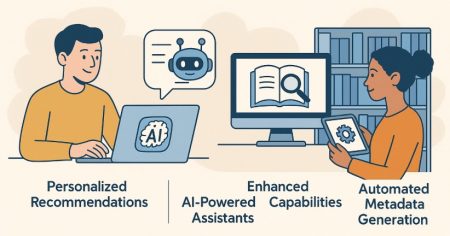
- Personalization Features: Many digital libraries use artificial intelligence and machine learning to provide personalized user experiences. By analyzing a user’s search history, preferences, and frequently accessed materials, these systems recommend resources tailored to individual needs. Personalization saves time and ensures that remote learners have access to the most relevant content for their academic or professional goals.
- Mobile and Multiplatform Access: With mobile applications and responsive web platforms, digital libraries allow learners to access resources on various devices, including smartphones, tablets, and laptops. This feature is particularly useful for remote learners who often rely on mobile devices to study on the go. The ability to switch seamlessly between devices ensures uninterrupted learning and makes education more flexible.
- Collaboration Tools: Digital libraries often include tools that facilitate collaboration among users. Features like shared reading lists, group annotations, and virtual discussion forums enable students and educators to engage in collaborative learning, even when they are physically apart. These tools foster a sense of community and encourage teamwork, which are essential elements of effective remote learning.
- Multilingual and Inclusive Resources: To cater to a global audience, digital libraries frequently offer resources in multiple languages. This inclusivity ensures that learners from diverse linguistic backgrounds can access materials in their preferred language. Moreover, many digital libraries provide accessibility features, such as screen readers, adjustable text sizes, and alternative text for images, to support users with disabilities. These features promote equity and ensure that no learner is left behind.
- Open Access and Cost-Effectiveness: Digital libraries often promote open-access initiatives, making educational materials freely or affordably available. This is particularly valuable for remote learners who may not have access to traditional libraries or who are studying on a limited budget. By reducing financial barriers, digital libraries democratize access to education and empower learners in underserved communities.
- Real-Time Support Services: Many digital libraries offer real-time support through features like live chat, virtual reference desks, and AI-powered assistants. These services provide immediate assistance to users, helping them navigate resources, troubleshoot technical issues, and locate specific information. For remote learners, such support ensures a smoother learning experience and fosters confidence in independent study.
The features of digital libraries make them indispensable tools for remote learning. From 24/7 accessibility and vast resource collections to personalized recommendations and collaborative tools, digital libraries address the unique needs of remote learners and educators. By leveraging these features, digital libraries enhance the quality of education, promote inclusivity, and empower individuals to achieve their academic and professional goals. As remote learning continues to grow, digital libraries will remain at the forefront of providing innovative and equitable solutions for modern education.
How Digital Libraries Empower Students and Educators
Digital libraries have emerged as powerful tools in modern education, providing unprecedented access to knowledge and resources. They empower both students and educators by breaking down traditional barriers to learning, offering innovative tools, and fostering a collaborative and inclusive learning environment. Below, we explore how digital libraries contribute to the growth and success of students and educators alike.
- Supporting Independent Learning: For students, digital libraries offer the freedom to learn at their own pace and explore topics of personal interest. Unlike traditional libraries, digital platforms are accessible 24/7, allowing learners to access resources anytime, anywhere. This flexibility is particularly valuable for self-directed learners, enabling them to customize their learning journey based on their goals and schedules. By providing access to a wide range of materials—such as e-books, research papers, and multimedia content—digital libraries empower students to delve deeper into subjects beyond their prescribed curriculum.
- Providing Comprehensive Teaching Resources: For educators, digital libraries serve as a treasure trove of teaching materials and tools. They offer access to lesson plans, academic journals, teaching guides, and multimedia resources that can be integrated into lectures and assignments. Many digital libraries also feature customizable tools that help educators curate resource lists, create digital reading rooms, and share materials with students, making the teaching process more dynamic and effective.
- Enhancing Research and Critical Thinking Skills: Students and educators benefit from the advanced search and discovery tools offered by digital libraries. Features like keyword searches, filters, and relevance-based recommendations simplify the process of finding specific information, encouraging deeper research and exploration. Digital libraries foster critical thinking and analytical skills by exposing users to various perspectives and sources. These capabilities are essential for academic success and the development of lifelong learning habits.
- Facilitating Collaboration and Knowledge Sharing: Digital libraries often include collaborative features such as shared annotations, discussion forums, and group reading lists. These tools enable students and educators to work together on projects, exchange ideas, and engage in scholarly discussions, even in remote settings. Such features promote a sense of community and teamwork, which are vital for a well-rounded educational experience.
- Promoting Inclusive and Equitable Access: One of the most empowering aspects of digital libraries is their ability to provide equitable access to knowledge. Students and educators from underserved or remote areas can access the same high-quality resources as those in well-funded institutions. Many digital libraries also prioritize inclusivity by offering materials in multiple languages and providing accessibility features for users with disabilities. These efforts ensure that everyone, regardless of location or background, has the opportunity to learn and grow.
- Encouraging Lifelong Learning: Digital libraries play a crucial role in nurturing a culture of lifelong learning. For students, they provide the foundation for continuous education by offering resources that extend beyond academic requirements. For educators, digital libraries support professional development by giving access to the latest research, teaching methodologies, and industry trends. By keeping learners and educators updated and engaged, digital libraries ensure they remain competitive in an ever-evolving world.
- Bridging the Gap Between Education and Technology: In an era where technology drives education, digital libraries serve as a critical bridge between traditional learning methods and modern innovations. With features like personalized recommendations, AI-powered search tools, and mobile compatibility, they offer a seamless learning experience. This integration of technology ensures that students and educators are equipped with knowledge and the digital literacy skills needed to thrive in a tech-centric world.
Digital libraries empower students and educators by providing accessible, diverse, and innovative resources that enhance learning and teaching experiences. They support independent learning, promote collaboration, foster inclusivity, and bridge the gap between technology and education. As the demand for flexible and remote learning grows, digital libraries will continue to play a central role in shaping the future of education, ensuring that knowledge remains within everyone’s reach.
The Role of Digital Libraries in Supporting Remote Learning
The emergence of digital libraries has revolutionized how education is delivered, particularly in remote learning environments. By leveraging advanced technology and a vast collection of resources, digital libraries have become indispensable tools in bridging the gap between students, educators, and knowledge. They provide a robust foundation for learning, offering accessibility, flexibility, and innovation that align seamlessly with the unique demands of remote education.
- Providing Anytime, Anywhere Access: Digital libraries eliminate geographical and time barriers, allowing learners to access resources 24/7 from anywhere with an internet connection. This round-the-clock availability ensures that students in different time zones or those with non-traditional schedules can study at their convenience. For remote learners, this level of accessibility is a game-changer, enabling them to pursue education without being constrained by location or physical library hours.
- Offering a Diverse Range of Learning Materials: Digital libraries are repositories of diverse resources, including e-books, academic journals, multimedia content, and research articles. This variety caters to a wide spectrum of learning needs, from primary education to advanced academic research. By providing multidisciplinary resources, digital libraries support learners in exploring topics beyond their curriculum, fostering intellectual curiosity and comprehensive learning.
- Enhancing Personalized Learning Experiences: Many digital libraries use artificial intelligence and machine learning to deliver personalized recommendations based on user’s preferences and search history. This feature allows remote learners to discover materials tailored to their specific academic goals and interests. By streamlining resource discovery, digital libraries make learning more focused and efficient, empowering students to maximize their potential.
- Facilitating Collaborative Learning: Remote learning often lacks the interpersonal interaction found in traditional classroom settings. Digital libraries address this gap by offering collaborative tools such as shared reading lists, group annotations, and discussion forums. These features enable students and educators to engage in meaningful dialogue, exchange ideas, and work on projects together, fostering a sense of community despite physical distances.
- Supporting Inclusive and Equitable Learning: Digital libraries play a pivotal role in democratizing education by providing equitable access to resources. Students in underserved or remote areas who may not have access to physical libraries can benefit from the extensive collections of digital libraries. Additionally, many digital libraries include multilingual resources and accessibility features such as screen readers, adjustable text sizes, and alternative text for images, ensuring inclusivity for all learners.
- Enhancing Educators’ Teaching Capabilities: For educators, digital libraries provide valuable teaching aids, including lesson plans, research papers, and multimedia tools. They can use these resources to design interactive and engaging lessons for remote classrooms. Furthermore, digital libraries enable educators to stay updated with the latest research and trends, allowing them to deliver high-quality education.
- Addressing the Challenges of Remote Learning: Remote learners often face challenges such as isolation, limited access to physical resources, and a lack of structured guidance. Digital libraries help overcome these issues by providing a central platform for accessing reliable information, interacting with peers and educators, and receiving real-time support through virtual reference desks or AI-powered chatbots.
- Encouraging Lifelong Learning: Digital libraries are not just limited to formal education; they are also vital for lifelong learning. Students and professionals alike can use digital libraries to upskill, explore new fields, or deepen their knowledge. This adaptability makes digital libraries essential for remote learning, which often caters to individuals looking for continuous self-improvement.
Digital libraries have transformed the landscape of remote learning by providing an accessible, inclusive, and innovative platform for education. They empower learners and educators by removing traditional barriers, enhancing engagement, and supporting personalized and collaborative learning. As remote learning continues to evolve, the role of digital libraries will only grow, ensuring that quality education is accessible to everyone, anywhere in the world. In an increasingly digital age, these libraries are not just tools—they are lifelines for the future of learning.
Conclusion:
Digital libraries have become indispensable in supporting remote learning, offering a seamless blend of accessibility, inclusivity, and innovation. They empower students and educators by providing access to a vast array of resources, personalized learning experiences, and tools for collaboration, all of which are crucial for a flexible and dynamic educational environment. By breaking down geographical and economic barriers, digital libraries ensure equitable access to high-quality education, fostering lifelong learning and academic growth. As remote learning continues to gain prominence, the role of digital libraries will remain central, driving the evolution of education and making knowledge accessible to learners around the globe. Digital libraries are not just repositories of information—they are the foundation for a future where learning knows no bounds.