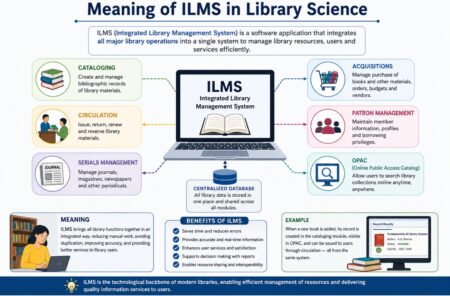
The accession number and call number are two essential identifiers used in libraries to manage and organize their collections, but they serve distinct purposes. An accession number is a unique, sequential identifier assigned to each item when it is acquired by the library. It is primarily used for administrative tasks, such as tracking acquisitions and maintaining a historical record of the library’s growth. In contrast, a call number is a classification code based on a standardized system, such as the Dewey Decimal or Library of Congress Classification. It organizes items by subject matter and indicates their location on library shelves, making it easier for users to find and retrieve resources. Understanding the difference between these two identifiers is crucial for comprehending how libraries efficiently manage and provide access to their collections.
What is an Accession Number?
An accession number is a unique identifier assigned to each item acquired by the library. It is recorded in the library’s accession register and reflects the chronological order in which items are added to the collection. This number is primarily used for administrative purposes, such as inventory management and tracking acquisitions.
For example, if a library acquires a book as its first resource, it is assigned the accession number 001. The next item would be 002, and so on. This sequential numbering provides a historical record of the library’s growth but does not convey any information about the item’s content or location within the library.
What is a Call Number?
A call number is a classification code assigned to an item to indicate its location in the library and its subject matter. It is typically derived from a standardized classification system, such as the Dewey Decimal Classification (DDC) or the Library of Congress Classification (LCC). The call number groups similar resources together, facilitating easy browsing and retrieval by users.
For instance, a book on algebra might have a call number like 512.1 ALG, where the number indicates its subject (algebra), and additional details identify the author or edition. Unlike the accession number, the call number is essential for organizing resources on shelves and ensuring user accessibility.
Difference Between Accession Number and Call Number
An accession number and a call number are both identifiers used in library systems, but they serve distinct purposes and differ in the type of information they convey. Here’s a detailed comparison:
| Aspect | Accession Number | Call Number |
|---|---|---|
| Purpose | A unique identifier assigned to each item when it is acquired by the library. It is used primarily for administrative purposes to track the acquisition and inventory of resources. | A code is assigned to an item to indicate its location in the library’s collection. It helps users and staff physically or digitally locate the item on the shelves. |
| Content | Sequentially generated and reflects the chronological order of acquisition. It does not convey information about the subject, classification, or location of the item. Example: 001, 002, 003 |
Based on a classification system (e.g., Dewey Decimal or Library of Congress) and reflects the subject and content of the item. It provides a systematic arrangement of resources in the library. Example: 823.91 SHA (for a work by George Bernard Shaw) |
| Assignment | Assigned during the acquisition process when the item is added to the library’s collection. | Assigned during cataloging and classification, based on the item’s subject matter and the library’s classification scheme. |
| Function | Used internally by library staff for inventory management, tracking acquisitions, and recordkeeping. | Used by both library staff and users to locate and retrieve items in the library collection. |
| Arrangement | Items are recorded in the accession register in the order they are acquired without regard to their content or subject. | Items are arranged on the shelves or listed in the catalogue according to their call numbers, which group similar subjects together for easier browsing. |
How They Work Together
While the accession number and call number serve different roles, they complement each other in library management. The accession number ensures that every item is accounted for and provides a historical record of acquisitions. The call number, on the other hand, helps organize the collection and makes resources accessible to users. For example, an item first receives an accession number during acquisition, and later, during cataloging, it is assigned a call number to determine its shelf location.
Accession and call numbers are indispensable tools in library management, each with a unique purpose. The accession number focuses on acquisition tracking and inventory, while the call number ensures resources are systematically organized and easily retrievable. Together, they enable libraries to manage their collections efficiently and provide seamless access to resources for their users. Understanding these differences is essential for appreciating how libraries operate behind the scenes to serve their patrons effectively.