Archives are invaluable resources that serve as repositories of historical, cultural, and administrative records. These materials provide a wealth of information that researchers, historians, and the general public use to explore the past, understand societal developments, and uncover personal or institutional histories. Researchers rely on archives to gather primary sources for academic projects, historians use them to construct narratives about significant events and figures, and the public engages with archives to trace genealogy, explore local history, or access personal records. Archives are crucial in preserving collective memory, ensuring valuable records remain accessible for diverse purposes, from scholarly research to public inquiry and education.
The Role of Archives in Knowledge Access
Archives play a pivotal role in preserving knowledge and making it accessible for future generations. As repositories of historical, cultural, and administrative records, archives safeguard various materials, from personal letters and photographs to government documents and digital files. By preserving these records, archives ensure that individuals, researchers, and scholars have access to primary sources of information that allow them to study the past, understand societal developments, and make informed decisions about the future. The role of archives in knowledge access is multifaceted, involving preservation, research support, transparency, and public engagement.
- Preserving Knowledge for Future Generations: One of the primary functions of an archive is the preservation of knowledge. Archivists work diligently to maintain records documenting individuals’ and institutions’ events, decisions, and experiences. These records may include letters, photographs, government documents, digital files, and audiovisual materials. Without proper preservation, these materials could deteriorate or be lost over time, erasing valuable insights into the past.
Archives ensure that these materials are stored in safe, climate-controlled environments to prevent damage from environmental factors like humidity, light, or temperature fluctuations. By preserving records in this way, archives help protect the integrity of knowledge, ensuring that future generations can access accurate and authentic information about the past. - Supporting Academic Research and Scholarship: Archives are a vital resource for researchers and scholars. They house primary source materials that provide firsthand accounts of historical events, personal experiences, and institutional decisions. These sources are essential for academic research, allowing historians, sociologists, political scientists, and other researchers to analyze original documents and draw conclusions based on authentic evidence.
By making these materials accessible, archives facilitate the production of new knowledge and academic scholarship. Researchers rely on archival records to study historical trends, verify facts, and develop theories that contribute to our understanding of history and society. Without access to these primary sources, much of our knowledge about the past would be incomplete. - Promoting Transparency and Accountability: Archives are important in promoting transparency and accountability, particularly in government and institutional contexts. Government archives, for instance, preserve records of legislative actions, court rulings, and public policies. These records allow citizens, researchers, and journalists to scrutinize the actions of public officials and institutions, holding them accountable for their decisions.
Access to these records promotes informed decision-making and public trust by ensuring that important documents are available for review. By maintaining these records and providing access to them, archives support democratic values and the rule of law. They also serve as important resources for legal research, helping legal professionals understand historical precedents and interpret laws. - Facilitating Public Engagement and Cultural Heritage: Beyond academic research, archives provide an invaluable service to the general public by preserving cultural heritage and facilitating genealogical research. Individuals use archives to trace their family histories, explore local heritage, or uncover personal connections to historical events. Archives house records such as birth and death certificates, census data, and land deeds that help people connect with their ancestry and cultural roots.
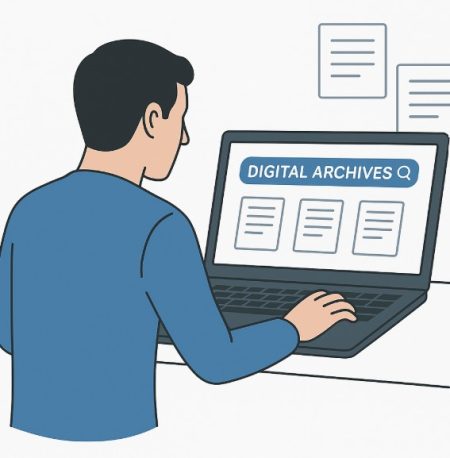
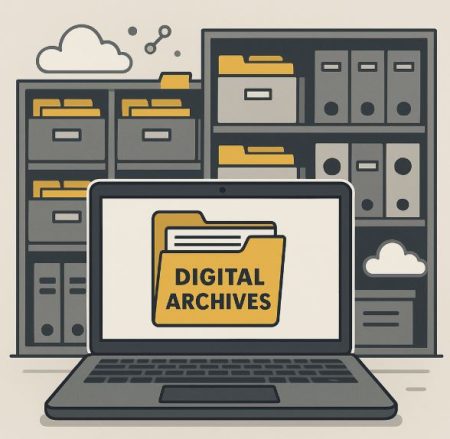
In addition, archives document the cultural practices, traditions, and experiences of diverse communities. By preserving records related to cultural events, oral histories, and community activities, archives ensure that the stories of underrepresented or marginalized groups are preserved. This promotes a more inclusive understanding of history and enriches our knowledge of society’s diverse cultural heritage. - Expanding Knowledge Access through Digitization: In the modern era, archives are increasingly leveraging digital technology to expand access to their collections. Digitization allows archives to make their materials available online, reaching a wider audience and enabling remote access. Researchers and the public can now search for and access digital copies of documents, photographs, and other records from anywhere in the world.
This increased access to digitized archives democratizes knowledge, making it easier for individuals who may not have physical access to the archive to explore its collections. Digitization also helps preserve fragile materials by reducing the need for physical handling, ensuring that original records are protected while their digital versions are freely accessible. - Safeguarding Collective Memory: Archives serve as guardians of collective memory, preserving the records that define a society’s identity and experiences. By maintaining documents that capture the social, political, and cultural developments of different eras, archives ensure that future generations can learn from the past. This helps societies reflect on their achievements, struggles, and growth, using historical records to inform decisions and avoid repeating past mistakes.
Through preserving collective memory, archives contribute to a deeper understanding of societal change, progress, and continuity. They offer individuals and institutions a way to reflect on their roles in history and maintain a connection to the past.
The role of archives in knowledge access is critical to preserving, sharing, and expanding our understanding of history and society. Archives provide a bridge between the past and the present, safeguarding records that offer invaluable insights into individuals’ and institutions’ actions, decisions, and experiences. By supporting research, promoting transparency, preserving cultural heritage, and expanding access through digitization, archives play a central role in making knowledge accessible to all. Through their efforts, archivists ensure that the collective memory of societies is preserved for future generations, fostering informed and educated communities.
How Researchers, Historians, and the Public Use Archives
Archives are treasure troves of historical documents, cultural artifacts, and primary sources that serve diverse audiences, from academic researchers and historians to everyday citizens. These repositories preserve knowledge vital for scholarly work, historical inquiry, and public engagement, allowing different groups to explore and interpret the past meaningfully. Researchers rely on archives to access primary sources for academic studies, while historians use them to reconstruct narratives and understand the evolution of societies. The general public, too, engages with archives, often for personal or community history projects, genealogy, or educational purposes. With the increasing digitization of archival materials, access to these valuable resources is expanding, making archives an essential tool for anyone seeking to delve deeper into history, culture, and knowledge.
How Researchers Use Archives
Archives are invaluable resources for researchers across various disciplines, providing access to primary materials essential for historical, cultural, legal, and scientific inquiry. These collections contain firsthand accounts and original documents that offer rich, authentic data for analysis and interpretation. Researchers rely on archives to uncover new insights, verify facts, and draw evidence-based conclusions. The unique materials preserved in archives enable scholars to explore various aspects of history, society, and culture in ways that would not be possible without access to these records. Let’s explore the different ways researchers use archives and the importance of archival collections in generating new knowledge.
- Uncovering Primary Sources for Historical Research: Historians and scholars in other disciplines frequently turn to archives to access primary sources, which are original documents created during a specific time period. These sources can include letters, diaries, government reports, photographs, newspapers, and oral histories. Researchers use these materials to understand events and analyze the perspectives of people who experienced them firsthand.
For example, a historian studying the civil rights movement might use archival collections that include letters from activists, photographs of protests, or government reports on civil rights legislation. By accessing these firsthand accounts, researchers can gain a deeper understanding of the motivations, challenges, and experiences of those involved in historical events. Primary sources help researchers construct narratives based on evidence and provide context to major societal changes. - Verifying Facts and Building Evidence-Based Conclusions: One of the most crucial roles of archives in research is to help scholars verify facts and build evidence-based conclusions. Original documents housed in archives offer authoritative and authentic information that researchers use to cross-check other sources, such as secondary literature. This is particularly important in fields like legal studies, political science, and journalism, where accuracy and credibility are paramount.
For example, legal researchers may turn to archival court records to study past rulings, legal decisions, or government policies that have shaped contemporary law. Similarly, journalists and researchers might use archives to fact-check historical data, ensuring their work is grounded in accurate evidence. Accessing original, unaltered records gives researchers confidence in the integrity of their findings and conclusions. - Exploring Personal Histories and Genealogy: Many researchers, particularly those involved in genealogical research, use archives to trace family histories and uncover personal stories. Archives often house birth, marriage, and death certificates, immigration records, census data, and land deeds that allow individuals to construct detailed family trees and personal narratives.
Genealogists may also access personal letters, diaries, or oral histories that provide rich context about the lives of their ancestors. These personal records help researchers understand the social and economic circumstances that shaped their family’s history and the broader historical context in which their ancestors lived. In this way, archives offer a unique opportunity for individuals to connect with their personal past and gain insights into their family heritage. - Analyzing Cultural Heritage and Social Change: Archives are also important for researchers studying cultural heritage and social change. They house materials that document the evolution of societies, including records of cultural practices, social movements, and the experiences of marginalized or underrepresented communities. These collections provide invaluable insights into how cultural traditions, languages, and social norms have changed over time.
For example, researchers studying women’s history may use archives that contain letters, photographs, and records from women’s rights organizations to examine the progress and struggles of women’s movements over the centuries. Similarly, scholars investigating Indigenous cultures or immigrant communities may rely on archives that preserve oral histories, legal documents, or visual records to analyze the cultural heritage of these groups. Archives ensure that the histories of diverse communities are preserved and accessible for study, contributing to a broader understanding of social and cultural developments. - Accessing Institutional and Organizational Records: Researchers often use archives to access institutional and organizational records, which document the internal workings of businesses, universities, non-profits, and government agencies. These records are invaluable for understanding how institutions operate, make decisions, and influence society.
For example, a business historian studying the development of a major corporation might access archival records such as internal memos, financial reports, marketing materials, and board meeting minutes. These documents provide insights into the company’s growth, strategic decisions, and impact on the economy or industry. Similarly, scholars researching universities or government bodies may rely on archives that preserve administrative records, meeting minutes, or policy documents to analyze how institutions have shaped educational or public policy. - Exploring Digital Archives and Contemporary Sources: With the rise of digital technology, many archives have expanded their collections to include born-digital records and digitized historical materials. Researchers can now access these collections online, allowing for greater accessibility and more efficient searching.
Digital archives often include websites, emails, social media records, and digital photographs or videos documenting contemporary events and activities. These digital records are invaluable for researchers studying modern-day history, media, or technology. Additionally, digitized collections of historical materials allow researchers to access primary sources from anywhere in the world, greatly expanding the reach of archival research. By exploring both physical and digital archives, researchers can engage with various sources that cover historical and contemporary topics.
Archives are essential tools for researchers, offering access to diverse materials that support historical inquiry, fact-checking, genealogical research, and the study of cultural and social change. Researchers can uncover primary sources, verify information, and build evidence-based conclusions through these collections, contributing to new knowledge in their fields. Whether studying the past or analyzing contemporary issues, researchers rely on the resources housed in archives to support their investigations and advance their understanding of the world. By preserving and providing access to these invaluable records, archives play a crucial role in supporting scholarly research and public knowledge.
How Historians Use Archives
Historians rely heavily on archives to uncover, analyze, and interpret historical events, offering an authentic glimpse into the past. Archives provide them with access to primary sources such as letters, diaries, government records, newspapers, and photographs that are invaluable for reconstructing accurate narratives of specific periods or events. These materials help historians verify facts, fill gaps in historical knowledge, and challenge existing interpretations of history. By piecing together these records, historians can better understand different eras’ social, political, cultural, and economic dynamics.
Beyond individual historical events, archives allow historians to explore broader societal trends and shifts. For instance, the study of personal letters or journals from a particular time period can reveal social attitudes and cultural norms, while government documents may shed light on political decisions and policy changes. Archives also enable historians to give voice to underrepresented or marginalized communities whose experiences may not be well-documented in traditional historical accounts.
In addition to academic work, historians use archives to support public history projects such as museum exhibitions, documentaries, and books aimed at a broader audience. These endeavors help bring history to life for the public, showcasing the relevance of the past to contemporary society. By preserving and interpreting archival materials, historians ensure that the stories of individuals, communities, and nations are not forgotten but rather passed on to future generations.
How the General Public Uses Archives
Traditionally seen as the domain of scholars and researchers, archives are becoming increasingly accessible to the general public, offering a treasure trove of historical, cultural, and personal knowledge. While professionals often use archives for academic or legal purposes, the public is finding more ways to engage with these rich collections for personal research, education, and community projects. As digital technology has made many archives available online, people from all walks of life now have greater access to these valuable resources. From tracing family histories to exploring local communities and engaging with educational resources, the general public benefits significantly from archival materials.
- Genealogy and Family History Research: One of the most popular ways the public interacts with archives is through genealogy and family history research. Archives contain vital records such as birth, marriage, and death certificates, census data, immigration papers, and even personal letters or diaries, which can help individuals piece together their ancestry. By accessing these records, people can build family trees, learn about their ancestors’ lives, and uncover the rich histories that may otherwise be lost over time. Genealogy websites often link directly to archival records, making the process of family history research even more accessible to those who may not have visited an archive in person.
For many, uncovering the details of their family’s past offers a connection to their heritage, helping them understand their place in the broader historical narrative. These discoveries can strengthen familial bonds and preserve important cultural traditions that may have otherwise faded over generations. The process of delving into family records can be a deeply personal journey, offering insights into immigration stories, military service, or personal challenges that shaped the lives of ancestors. - Exploring Local History and Communities: In addition to personal research, archives are vital resources for exploring local history. Communities often maintain their own archives filled with photographs, maps, municipal records, and other documents that trace the evolution of neighborhoods, cities, and regions. Local historians, preservationists, and even curious residents can use these materials to understand how their communities were formed, who the key figures in their development were, and how changes in infrastructure, politics, and culture have shaped their current environment.
Local archives provide information for individuals interested in researching historic buildings, landmarks, and events. For example, homeowners may use archival records to learn more about the history of their property, its previous owners, or architectural details. Others might explore archives to uncover details about forgotten local traditions, historical industries, or significant community events. By preserving this information, archives ensure that local heritage remains accessible for future generations. - Education and Learning Resources: Archives are also valuable educational tools. Students, educators, and lifelong learners use archival materials to bring history to life in ways that textbooks often cannot. Teachers can incorporate primary source materials from archives into lesson plans, allowing students to engage directly with historical documents such as letters, newspaper clippings, or photographs. This hands-on approach to learning helps students develop critical thinking skills as they interpret historical events from original sources.
For individual learners, archives provide information on various topics, from scientific discoveries to cultural movements. People interested in a particular period, event, or figure can dive into archival materials to deepen their understanding. These materials help to make learning more interactive and personal, encouraging self-directed study and engagement with history in a meaningful way. - Public Exhibitions and Cultural Engagement: Many archives host public exhibitions or cultural programs that allow people to engage with history in a communal setting. Archives may display rare documents, artifacts, or collections highlighting specific themes, events, or people, offering the public a chance to learn more about historical narratives in an engaging and visually appealing format. These exhibitions often attract community members who may not otherwise visit an archive but are drawn to a specific topic of interest.
Cultural programs, such as lectures, workshops, or film screenings based on archival content, further extend the public’s interaction with historical materials. These events allow for broader conversations about history, culture, and society, connecting archival records with contemporary issues and sparking interest in local or global history.
Archives are essential tools for researchers, offering access to diverse materials that support historical inquiry, fact-checking, genealogical research, and the study of cultural and social change. Researchers can uncover primary sources, verify information, and build evidence-based conclusions through these collections, contributing to new knowledge in their fields. Whether studying the past or analyzing contemporary issues, researchers rely on the resources housed in archives to support their investigations and advance their understanding of the world. By preserving and providing access to these invaluable records, archives play a crucial role in supporting scholarly research and public knowledge.