
In today’s information-driven society, libraries are vital institutions at the forefront of data management. As custodians of knowledge, libraries play a crucial role in acquiring, organizing, preserving, and disseminating diverse forms of data, spanning from traditional print resources to complex digital materials. Their mandate extends beyond mere collection maintenance; libraries actively engage in data management practices to ensure the integrity, accessibility, and usability of information for their patrons. By embracing evolving technologies and standards, libraries adapt to the dynamic nature of data, fostering innovation and collaboration within their communities. Thus, libraries emerge as key players in the data management landscape, bridging the gap between traditional library services and the demands of an increasingly digital world.
1.1 What is Data Management?
Data management is the systematic process of efficiently collecting, storing, organizing, and utilizing data to meet organizational objectives. It involves establishing procedures and standards to ensure data accuracy, consistency, and security throughout its lifecycle. Data management encompasses various activities, including data governance, which sets policies for data usage and ensures compliance with regulations. Effective data management also involves selecting appropriate storage solutions, such as databases or cloud storage, and implementing backup and recovery mechanisms to safeguard against data loss. Data integration efforts enable seamless data exchange between systems, facilitating collaboration and decision-making. Advanced analytics techniques, such as data mining and predictive analytics, extract valuable insights from data, driving informed decision-making and innovation. In a rapidly evolving digital landscape, data management is crucial for organizations to leverage their data assets effectively, gain competitive advantage, and drive business success.
1.2 Data Management in Libraries
Data management in libraries is the structured approach to handling diverse information resources efficiently. Once focused primarily on print materials, libraries now manage extensive digital collections, databases, and user data. Central to this is acquisition and cataloguing, ensuring resources are accurately described for easy retrieval. Metadata management enhances discoverability, while digital preservation safeguards digital content for future access. Libraries also manage user data responsibly, protecting patron privacy and following data protection regulations. Licensing electronic resources involves negotiating agreements and managing access rights. Data analysis informs decision-making, helping libraries optimize resource allocation and improve services. Interlibrary loan systems and resource-sharing networks expand access to materials beyond individual collections. Finally, ensuring data security and regulation compliance involves encryption and access controls. Effective data management empowers libraries to fulfill their mission of providing equitable access to information while adapting to the evolving digital landscape.
1.3 Importance of Data Management in Libraries
Libraries have always been custodians of knowledge, preserving the collective wisdom of humanity through books, documents, and various media. However, information’s sheer volume and complexity present new challenges for libraries in today’s digital age. This is where effective data management plays a pivotal role in libraries’ smooth operation and relevance in the 21st century. Data management plays a crucial role in libraries for several reasons:
- Libraries manage vast amounts of data in the form of books, journals, articles, multimedia materials, and more. Effective data management ensures that these resources are organized systematically, making them easily accessible to library users.
- Proper data management practices enable efficient resource discovery. Libraries must categorize and tag their materials accurately, allowing users to find relevant information quickly through catalog searches or digital databases.
- Libraries often house valuable historical documents and rare materials. Data management strategies include preservation techniques to protect these resources from damage, decay, or loss over time. This might involve digitization efforts, archival storage, and regular maintenance.
- Understanding how library resources are utilized is essential for making informed decisions about collection development and resource allocation. Data management systems can track usage statistics, revealing which materials are in high demand and which may require additional promotion or investment.
- Libraries serve diverse user communities with varying needs and preferences. Data management facilitates user management by tracking borrowing history, preferences, and feedback. This information can personalize services, recommend relevant materials, and enhance user satisfaction.
- Libraries must adhere to legal and regulatory requirements regarding data privacy, copyright, and accessibility. Robust data management practices ensure compliance with these standards, reducing the risk of legal issues and safeguarding the rights of both users and content creators.
- Libraries often collaborate with other institutions and organizations to share resources and expertise. Efficient data management systems facilitate interlibrary loans, resource-sharing agreements, and collaborative research initiatives by ensuring seamless access to shared data and resources.
- Data-driven decision-making is becoming increasingly important in library management. Data management systems provide valuable insights into trends, user behavior, and resource usage patterns, enabling library administrators to make informed decisions about budget allocation, collection development strategies, and service enhancements.
Data management is essential for libraries to provide access to information, preserve cultural heritage, and effectively support their communities’ educational and research needs. By implementing robust data management practices, libraries can enhance user experiences, optimize resource utilization, and contribute to advancing knowledge and scholarship.
1.4 The Vital Role of Libraries in Data Management
In the contemporary landscape of information abundance, libraries stand as bastions of knowledge and stewards of scholarly resources. Yet, their role transcends the mere provision of books and periodicals; increasingly, libraries are recognized for their pivotal role in data management. In an era defined by the proliferation of digital data, libraries have become indispensable partners in assisting researchers, educators, and the public in navigating the complexities of data management. From data storage and curation to facilitating sharing and preservation, libraries offer essential services that empower users to harness the full potential of data for research, learning, and innovation. This transformative shift underscores libraries’ vital role in curating, preserving, and democratizing access to the wealth of information in the digital age. Libraries can offer various data management services to researchers to support their work effectively. Some of these services include:
- Data Storage: One of the fundamental services libraries provide to researchers is secure and reliable data storage solutions. Libraries can offer dedicated servers or cloud-based storage platforms where researchers can store their datasets safely. By leveraging libraries’ infrastructure, researchers can ensure the integrity and accessibility of their data over time. Robust data storage options alleviate data loss or corruption concerns, providing researchers with peace of mind as they conduct their studies.
- Data Curation: Data curation is another critical service libraries offer to researchers. Curation involves organizing, describing, and preserving research data to enhance its usability and longevity. Libraries can assist researchers in structuring their datasets, assigning metadata, and adhering to data standards and best practices. Through systematic curation, libraries ensure that research data remains discoverable, comprehensible, and interoperable, facilitating collaboration and knowledge exchange within the scholarly community.
- Data Sharing: Libraries play a pivotal role in fostering a culture of data sharing among researchers. By providing platforms and guidance for data sharing, libraries facilitate collaboration, reproducibility, and transparency in research. Libraries can establish institutional repositories or partner with disciplinary repositories to host and disseminate research datasets. Additionally, libraries can educate researchers about the benefits of data sharing, address concerns about data privacy and intellectual property rights, and promote ethical practices in data-sharing endeavors.
- Data Management Planning: Effective data management begins long before data collection commences. Libraries can support researchers in developing comprehensive data management plans (DMPs) that outline strategies for organizing, documenting, and preserving research data throughout the data lifecycle. Libraries offer guidance on data management best practices, compliance with funding agency requirements, and the selection of appropriate data management tools and resources. By assisting researchers in crafting robust DMPs, libraries ensure that data management considerations are integrated seamlessly into the research process from inception to dissemination.
- Data Analysis and Visualization: Libraries can also support data analysis and visualization, empowering researchers to derive meaningful insights from their datasets. Libraries offer access to specialized software, training workshops, and consulting services to help researchers analyze and visualize their data effectively. By equipping researchers with the necessary tools and skills for data analysis, libraries enhance the quality and rigor of research outcomes, driving innovation and discovery across diverse disciplines.
- Data Preservation and Archiving: Preserving research data for future generations is paramount to advancing knowledge. Libraries serve as custodians of research data, ensuring its long-term preservation and accessibility. Libraries employ archival practices and digital preservation strategies to safeguard research data against loss, degradation, or obsolescence. By archiving research datasets, libraries contribute to the cumulative nature of scholarship, enabling future researchers to build upon existing knowledge and insights.
- Data Literacy and Education: Enhancing researchers’ data literacy skills is a key library priority. They offer workshops, seminars, and online resources on data management, visualization, analysis, and ethical considerations in data use. By empowering researchers with the knowledge and tools to manage and utilize data in their work effectively, libraries contribute to developing a more informed and digitally literate scholarly community.
- Compliance with Data Policies and Regulations: Navigating the complex landscape of data policies, regulations, and ethical guidelines can be daunting for researchers. Libraries guide compliance with legal and ethical requirements for data privacy, confidentiality, intellectual property rights, and data-sharing agreements. They help researchers navigate institutional policies and external mandates such as the General Data Protection Regulation (GDPR) and the Fair Use doctrine.
Libraries serve as invaluable partners to researchers in managing their data effectively throughout the research lifecycle. By offering a comprehensive suite of data management services encompassing storage, curation, sharing, preservation, planning, education, and compliance, libraries empower researchers to maximize the impact and sustainability of their research endeavors. In doing so, libraries uphold their mission of advancing knowledge and scholarship in service to society.
1.5 What training programs or workshops can libraries develop to equip researchers with data management skills?
Libraries can develop various training programs and workshops to equip researchers with essential data management skills. These programs should cater to researchers at different stages of their careers and cover various aspects of data management. Here are some examples:
- Introduction to Data Management: This foundational workshop serves as a gateway for researchers new to data management concepts or needing a refresher. The session typically starts by defining key terms and concepts in data management, such as metadata, data formats, and data documentation. Participants learn about the importance of data management for research integrity, reproducibility, and collaboration.
The workshop then covers essential aspects of data management, including data organization, documentation, storage, backup, and sharing. Through interactive presentations, case studies, and hands-on exercises, participants gain practical skills in structuring their data, creating descriptive metadata, selecting appropriate storage solutions, implementing backup strategies, and complying with data-sharing requirements.
Emphasis is placed on understanding the benefits of proactive data management practices and the potential risks of inadequate data management. By the end of the workshop, participants should have a solid understanding of the fundamentals of data management and be equipped with practical tools and strategies to apply to their research projects. - Data Management Planning: This workshop is designed to assist researchers in developing comprehensive data management plans (DMPs) for their projects, as many funding agencies and institutions require. The session begins by providing an overview of the purpose and components of a DMP, emphasizing the importance of planning for data management from the outset of a research project.
Participants learn how to identify the specific data management requirements and considerations relevant to their projects, such as data types, data sources, data sharing policies, ethical and legal considerations, and long-term preservation strategies. Through guided exercises and group discussions, participants work through template DMPs and develop customized plans tailored to their research needs and funding requirements.
The workshop also covers strategies for engaging stakeholders, obtaining buy-in from project team members, and revising and updating DMPs as projects evolve. By the end of the session, participants should clearly understand how to create robust DMPs that address the full lifecycle of their research data, from collection and analysis to dissemination and preservation. - Data Organization and Documentation: In this hands-on workshop, participants learn practical strategies for effectively organizing and documenting their research data. The session begins with an overview of the importance of data organization and documentation for ensuring data integrity, reproducibility, and reuse.
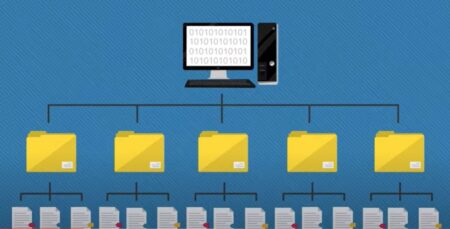
Through interactive exercises and demonstrations, participants learn how to develop clear and consistent naming conventions for files and folders, create hierarchical folder structures to organize data files logically and implement version control mechanisms to track changes and revisions. They also learn best practices for documenting their data using descriptive metadata, such as data dictionaries, readme files, and codebooks.
The workshop emphasizes the importance of documentation for facilitating data discovery, understanding, and interpretation by researchers and future users. Participants are encouraged to apply the concepts and techniques learned in the workshop to their research projects, with opportunities for feedback and peer review.
By the end of the session, participants should have gained practical skills in organizing and documenting their research data systematically and transparently, enhancing its usability and value for future analysis and sharing. - Data Cleaning and Quality Assurance: This workshop focuses on cleaning and validating research data to ensure its accuracy, reliability, and integrity. The session begins by defining common data quality issues and exploring the potential sources of errors and inconsistencies in research datasets.
Through lectures, demonstrations, and hands-on exercises, participants learn practical techniques and tools for identifying and addressing data errors, such as missing values, outliers, duplicate entries, and formatting issues. They also learn to assess data quality using statistical methods, visualization techniques, and data profiling tools.
The workshop emphasizes the importance of transparency and rigor in data cleaning and quality assurance processes, highlighting best practices for documenting data cleaning procedures and maintaining an audit trail of changes. Participants are encouraged to apply the concepts and techniques learned in the workshop to real-world datasets, with opportunities for feedback and discussion.
By the end of the session, participants should have acquired practical skills in cleaning and validating research data, enabling them to ensure the accuracy, reliability, and usability of their datasets for analysis and interpretation. - Data Analysis and Visualization: This workshop provides researchers with essential data analysis and visualization skills, enabling them to explore and communicate insights from their research data effectively. The session begins by introducing basic concepts and techniques in data analysis, such as descriptive statistics, hypothesis testing, and regression analysis.
Through lectures, demonstrations, and hands-on exercises, participants learn how to perform common data analysis tasks using R, Python, or Excel software tools. They also learn how to create informative and visually appealing visualizations, such as bar charts, scatter plots, and heatmaps, to convey patterns and trends in their data.
The workshop emphasizes the importance of selecting appropriate analysis methods and visualization techniques based on the research questions and data characteristics. Participants are encouraged to apply the concepts and techniques learned in the workshop to their research datasets, with opportunities for feedback and peer review.
By the end of the session, participants should have gained practical skills in conducting data analysis and visualization, enabling them to derive meaningful insights and communicate findings effectively to various stakeholders. - Data Sharing and Collaboration: This workshop explores strategies and best practices for effectively sharing and collaborating on research data. The session begins by discussing the benefits of data sharing for advancing research, promoting transparency, and fostering collaboration.
Participants learn about different types of data-sharing platforms and repositories, including disciplinary repositories, institutional repositories, and general-purpose data repositories. They also learn how to select appropriate data-sharing options, license their data, and cite shared datasets properly.
Through case studies and group discussions, participants explore ethical and legal considerations in data sharing, such as data privacy, confidentiality, consent, and intellectual property rights. They also discuss strategies for overcoming barriers to data sharing, such as concerns about data misuse, competition, and recognition.
The workshop emphasizes the importance of planning for data sharing from the outset of a research project and engaging with stakeholders throughout the data lifecycle. Participants are encouraged to develop data-sharing plans for their research projects with guidance and support from workshop facilitators.
By the end of the session, participants should have gained a comprehensive understanding of the principles and practices of data sharing and collaboration, enabling them to share their research data responsibly and ethically with the broader research community. - Ethical and Legal Considerations in Data Management: This workshop addresses ethical and legal issues related to research data, such as data privacy, confidentiality, consent, and intellectual property rights. The session begins by discussing the ethical principles that guide responsible data management practices, such as honesty, integrity, transparency, and accountability.
Through case studies and interactive discussions, participants explore ethical dilemmas and challenges in data management, such as balancing the benefits of data sharing with the risks of potential harm to research participants or stakeholders. They also learn about relevant laws, regulations, and institutional policies governing data management and research ethics.
The workshop emphasizes the importance of obtaining informed consent from research participants, protecting sensitive data, and maintaining confidentiality and privacy throughout the data lifecycle. Participants learn strategies for mitigating risks and addressing ethical concerns in their data management practices.
By the end of the session, participants should have gained a deeper understanding of the ethical and legal considerations that underpin responsible data management, enabling them to navigate complex ethical dilemmas and make informed decisions in their research projects. - Advanced Topics in Data Management: This workshop delves into specialized areas of data management that may interest researchers with more advanced data management needs or specific research interests. Topics may include data preservation, security, mining, or governance.
The session begins by providing an overview of the selected topic and its relevance to research data management. Through lectures, case studies, and hands-on exercises, participants explore advanced techniques, tools, and strategies for addressing specific challenges and opportunities in data management.
The workshop may also feature guest speakers or experts who share their insights and experiences with participants. This provides an opportunity for networking, knowledge exchange, and collaboration among researchers with similar interests or expertise.
By the end of the session, participants should have gained a deeper understanding of the selected topic and acquired practical skills and strategies for addressing advanced data management challenges in their research projects. - Customized Training for Research Groups or Departments: Libraries can also offer customized training sessions tailored to research groups or departments’ specific needs and interests within an institution. These sessions can be designed in collaboration with stakeholders to address discipline-specific challenges, workflows, and tools.
The customized training may cover data management practices in a specific field or research domain, specialized software or tools for data analysis and visualization, or institutional policies and procedures related to data management and research ethics.
By aligning the training content with the unique needs and priorities of the target audience, libraries can ensure that participants receive relevant and practical training that directly supports their research goals and objectives. - Online Resources and Self-paced Tutorials: Besides in-person workshops, libraries can develop online resources, self-paced tutorials, and video tutorials on data management topics. These resources provide researchers with flexible learning options and enable them to access training materials conveniently.
Online resources may include interactive modules, video lectures, written guides, and downloadable templates or tools covering various aspects of data management, from data organization and documentation to data analysis and sharing. Libraries can host these resources on their websites or integrate them into learning management systems for broader accessibility.
By offering online resources and self-paced tutorials, libraries can reach a wider audience of researchers and provide ongoing support for their data management training needs, regardless of location or schedule constraints.
Libraries can develop diverse training programs and workshops to equip researchers with essential data management skills. These programs should be designed to address researchers’ specific needs and interests at different stages of their careers and cover various aspects of data management, from planning and organization to analysis, sharing, and ethical considerations. By offering comprehensive training opportunities and resources, libraries can empower researchers to manage their data effectively and promote a culture of responsible and transparent research practices.


1 Comment
Learned new things.