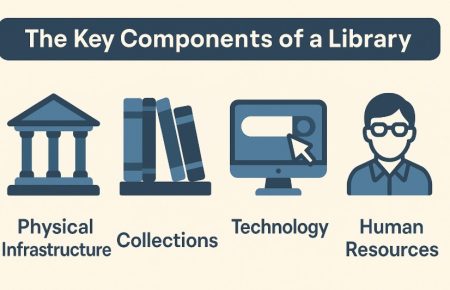
The smart library revolution marks a significant shift in how libraries operate, fueled by advancements in technology. Traditionally, libraries were physical spaces primarily focused on storing and lending books. However, with the integration of emerging technologies such as artificial intelligence (AI), automation, the Internet of Things (IoT), and cloud computing, libraries are transforming into dynamic, interactive hubs of information. These innovations are enhancing the way libraries manage their collections, provide services, and interact with users. For instance, AI-powered cataloguing systems, smart shelving, and digital resource management are making library operations more efficient and user-friendly. Moreover, smart libraries go beyond traditional services by offering personalized experiences for users, such as customized learning tools, automated recommendations, and seamless access to both physical and digital resources. The adoption of these technologies is not only improving library workflows but also expanding the role of libraries in education, research, and community engagement. The Smart Library Revolution is reshaping how we access and interact with knowledge, making it a critical force in modernizing information services for the digital age.
What is a Smart Library?
A smart library is a modern, technology-driven space that utilizes advanced digital tools and systems to enhance the traditional library experience. At its core, a smart library integrates technologies such as artificial intelligence (AI), automation, the Internet of Things (IoT), and data analytics to improve library operations, streamline resource management, and offer more personalized services to users. Unlike conventional libraries, which focus primarily on physical collections and manual processes, smart libraries embrace digital and automated solutions to meet the evolving needs of today’s users.
In a smart library, automation systems can manage tasks like cataloging, checkouts, and resource tracking, often using RFID technology and self-service kiosks to facilitate efficient library management. AI-powered tools assist with personalized recommendations, adaptive learning systems, and enhanced search capabilities, making it easier for users to access the information they need. Additionally, smart libraries combine both physical and digital resources, allowing users to seamlessly navigate between books, e-books, online journals, and multimedia content. The physical space itself may be designed to be more flexible and interactive, offering collaborative areas, smart study spaces, and integration with digital platforms.
What specific technologies are used in a “smart library”?
The concept of a smart library is transforming how information is managed, accessed, and delivered. Leveraging a range of advanced technologies, smart libraries are shifting away from traditional library models and embracing the power of innovation to meet the evolving needs of their users. From automation to artificial intelligence, these technologies are enabling libraries to function more efficiently, enhance user experiences, and provide seamless access to resources. Some of the key technologies that power smart libraries include:
- Radio Frequency Identification (RFID): One of the core technologies driving the smart library movement is Radio Frequency Identification (RFID). RFID is used to automate inventory management, checkouts, and returns, dramatically improving efficiency. Unlike traditional barcode scanning, RFID tags allow for the simultaneous scanning of multiple items, saving time for both users and staff. This technology can be embedded into books, journals, and other resources, enabling real-time tracking of materials. RFID systems also offer advantages such as reducing lost or misplaced items, enabling faster stocktaking, and providing valuable data on circulation patterns.
- Artificial Intelligence (AI): Artificial Intelligence is transforming the way libraries interact with users and manage information. AI-powered systems are used in several areas within a smart library, such as cataloging, recommending resources, and enhancing search functionalities. For instance, AI can automate the classification and organization of materials based on content, improving catalog accuracy. Additionally, AI chatbots or virtual assistants can guide users through the library, provide instant answers to queries, and assist in locating materials. Perhaps most notably, AI can power recommendation systems that suggest books or articles based on user preferences and past behavior, creating a more personalized library experience.
- Internet of Things (IoT): The Internet of Things (IoT) connects everyday objects to the internet, allowing them to exchange data and improve library management. In a smart library, IoT devices are used to monitor and manage everything from smart shelving to environmental conditions. For example, smart shelves equipped with IoT sensors can detect when books are removed or misplaced and notify library staff to take corrective action. IoT technology is also used to monitor building systems, such as lighting, heating, and air conditioning, to optimize energy use and create an ideal environment for library users.
- Automation and Self-Service Kiosks: One of the most visible features of a smart library is the automation of various services. Self-service kiosks, automated checkouts, and book return stations allow users to borrow, return, and renew materials without the need for staff intervention. These systems are designed to be user-friendly, reducing wait times and making the library experience more convenient. Automated book sorting systems also ensure that returned materials are quickly and accurately reshelved, improving operational efficiency and reducing human error.
- Cloud Computing: Cloud computing plays a pivotal role in smart libraries by enabling the storage and sharing of vast amounts of data and digital resources. With cloud-based platforms, libraries can store everything from e-books to research databases, making it easy for users to access resources remotely. Cloud computing also facilitates the integration of both physical and digital resources, ensuring that users can seamlessly discover, borrow, and interact with materials from different formats. The scalability of cloud storage allows libraries to expand their digital collections without worrying about storage limitations.
- Data Analytics: Data analytics is a powerful tool used by smart libraries to understand user behavior, track library usage patterns, and optimize library operations. By analyzing data from library systems, such as circulation statistics and user interactions, libraries can make data-driven decisions to improve services, allocate resources more effectively, and enhance the overall user experience. For example, libraries can use analytics to identify popular resources, predict demand, and ensure that materials are available when needed. Additionally, libraries can analyze user feedback and engagement to tailor services to meet specific community needs.
- Augmented Reality (AR) and Virtual Reality (VR): Augmented Reality (AR) and Virtual Reality (VR) are emerging technologies that have started to make an impact in smart libraries. These immersive technologies can enhance user engagement by offering interactive learning experiences, virtual tours of library collections, and virtual exhibits. For instance, AR can overlay digital information onto physical books or objects, providing users with additional context, multimedia content, or interactive features. VR, on the other hand, can transport users to virtual environments, such as historical events, scientific explorations, or immersive learning experiences, all within the library space. These technologies enrich the learning experience and offer opportunities for more engaging, non-traditional library services.
- Digital Library Systems: Digital library systems are central to the functioning of smart libraries, facilitating access to a wide range of electronic resources. These systems allow users to access e-books, journals, research databases, and multimedia content, often remotely and on-demand. By integrating physical and digital resources into a unified system, smart libraries ensure that users can easily discover and access the materials they need, whether they’re browsing physical shelves or navigating digital catalogs. These systems often come with advanced search features, making it easier for users to locate resources based on content, author, or other criteria.
- Blockchain Technology: In some smart libraries, blockchain technology is being explored to address issues related to data security and intellectual property management. Blockchain offers a decentralized and transparent system for tracking the ownership and circulation of digital materials. This ensures that content is properly attributed to authors and publishers, and provides a secure way to track transactions related to digital borrowing and lending. Though still in the early stages, blockchain could play a major role in the future of smart libraries, particularly when it comes to protecting digital rights and ensuring content authenticity.
The integration of these technologies is rapidly transforming the library landscape. Smart libraries are becoming more efficient in their operations and enhancing the user experience by providing personalized, interactive, and accessible services. By embracing RFID, AI, IoT, automation, cloud computing, data analytics, and other cutting-edge technologies, libraries are redefining their role in education, research, and community engagement. As technology continues to advance, the future of smart libraries looks promising, offering even more innovative ways to access and engage with knowledge.
Impact of Smart Libraries on Learning.
The impact of smart libraries on learning is significant, as these innovative spaces redefine how individuals engage with information and resources. With the integration of advanced technologies like artificial intelligence (AI), the Internet of Things (IoT), and automation, smart libraries offer a more efficient, accessible, and personalized learning experience. One of the most notable impacts is the ability to provide learners with seamless access to both physical and digital resources. Whether through AI-powered search tools or self-service kiosks, smart libraries eliminate many traditional barriers, allowing users to quickly find and access the information they need, whether it’s in the form of books, e-books, journals, or multimedia content.
Moreover, smart libraries promote personalized learning experiences. AI-driven recommendation systems analyze user behavior and preferences to suggest tailored content, fostering a more individualized approach to research and study. This ability to recommend resources based on personal interests or academic needs enables students to discover materials they might not have come across otherwise, enriching their learning process. Additionally, the incorporation of immersive technologies like augmented reality (AR) and virtual reality (VR) allows learners to interact with digital content in new and engaging ways, providing a hands-on approach to concepts that might otherwise be abstract or difficult to understand.
Another key benefit is the increased efficiency and time-saving potential that comes with automation in smart libraries. Automated book checkouts, self-return systems, and resource management technologies ensure that students spend less time on administrative tasks and more time focused on their studies. The smart library environment also supports flexible learning, particularly for remote learners, by providing cloud-based access to digital resources, allowing users to engage with learning materials from anywhere at any time. In addition to individual learning, smart libraries foster collaboration by providing digital platforms and collaborative spaces where students and researchers can work together, share ideas, and access shared resources. This collaborative environment enhances group learning, research projects, and academic networking.
How Smart Libraries Incorporate Automation and Artificial Intelligence
Smart libraries leverage automation and artificial intelligence (AI) to streamline operations, enhance user experience, and provide more efficient services. Automation is integrated into various aspects of library management, such as self-checkout systems, automated book returns, and resource sorting. Self-service kiosks allow users to borrow, return, or renew books without staff intervention, reducing wait times and improving efficiency. Automated book sorting systems ensure that materials are quickly processed and reshelved, freeing up staff to focus on more specialized tasks. These automation tools not only save time for users but also improve the overall operational efficiency of the library.
Artificial intelligence plays a crucial role in enhancing the smart library experience by making it more personalized and intuitive. AI-powered systems can recommend books, articles, or journals based on a user’s reading history, preferences, and search patterns. This personalized approach helps users discover relevant resources they may not have found otherwise, fostering a more tailored learning experience. AI is also used in search engines within the library’s digital catalog, enhancing search results by understanding natural language queries and providing more accurate, context-aware results. Additionally, AI helps with automating cataloging and classification, improving the organization and accessibility of library resources.
Furthermore, AI chatbots and virtual assistants are often incorporated into smart libraries to provide real-time assistance to users. These AI-driven tools can answer common questions, assist with resource navigation, and help users locate specific materials quickly, improving the user experience and reducing the workload for library staff. The combination of automation and artificial intelligence in smart libraries makes the process of accessing and managing information more efficient, personalized, and user-friendly, ultimately transforming the library into a more dynamic, responsive space.
How Smart Libraries Manage and Organize Resources More Efficiently
Smart libraries are transforming the way library resources are managed and organized, thanks to the adoption of advanced technologies. These libraries utilize Radio Frequency Identification (RFID) systems to automate and streamline the process of tracking, checking in, and checking out resources. RFID allows for real-time inventory management, ensuring materials are easily located and preventing misplacement. Additionally, automated cataloging systems powered by artificial intelligence (AI) and machine learning enable libraries to classify and index resources more accurately and quickly. This technology not only reduces human error but also ensures that materials are categorized in a way that makes them easier for users to find.
Another significant advancement in smart libraries is the use of digital resources and online platforms. Digital libraries and cloud-based systems allow libraries to store and manage vast amounts of information in an accessible, organized manner. Users can access books, journals, and other resources remotely, reducing the need for physical space and offering more flexible access to materials. Cloud technologies also enable seamless data sharing between libraries, improving resource availability and collaboration. Moreover, smart libraries often incorporate data analytics tools to assess user behavior and resource usage. This helps library staff make informed decisions about resource acquisition, ensuring they are investing in materials that meet the needs of the community. Furthermore, integration with mobile apps and interactive interfaces offers users personalized experiences, such as automated recommendations based on previous usage.
Benefits of Implementing Smart Library Systems for Both Users and Librarians
The rapid evolution of technology has brought about significant changes in the way libraries operate, transforming traditional spaces into modern, technology-driven hubs. The adoption of smart library systems offers numerous benefits, enhancing the library experience for both users and librarians. These systems integrate cutting-edge technologies such as artificial intelligence (AI), automation, RFID, and cloud computing to streamline library services, improve resource management, and provide a more personalized and efficient experience for all. Here are the key benefits of implementing smart library systems for both users and librarians.
- Enhanced Convenience for Users: One of the primary advantages of smart library systems is the increased convenience for users. Traditional library systems often require users to wait in line to check out or return materials, leading to delays and frustration. With the integration of self-service kiosks and automated checkouts, users can now borrow, return, and renew materials at their own convenience without the need to interact with library staff. This automation significantly reduces waiting times, enabling users to quickly access the materials they need and get on with their tasks.
Additionally, smart libraries allow users to access resources remotely, thanks to cloud-based systems. Whether it’s e-books, journals, or other digital content, users can access library resources anytime, anywhere, from a computer, tablet, or smartphone. This flexibility ensures that users can continue their research or studies without being limited by physical library hours or location, making the library system more accessible to a wider audience. - Personalized Experience for Users: Another key benefit of implementing smart library systems is the personalization of library services. By utilizing AI-powered recommendation systems, smart libraries can suggest books, articles, and other resources based on a user’s preferences, reading history, and research needs. This personalized approach allows users to discover new materials that are relevant to their academic or personal interests, enriching their learning experience.
AI can also enhance search functionality within the library’s digital catalog. Traditional keyword-based search engines often provide irrelevant results or require users to sift through pages of information. In contrast, AI-driven search engines understand user intent, providing more accurate and context-aware search results. This makes it easier for users to find the information they need quickly and efficiently, saving them valuable time. - Streamlined Operations for Librarians: For librarians, the implementation of smart library systems significantly reduces the administrative workload. Automation plays a major role in streamlining daily library operations. Tasks like cataloging, inventory management, and book sorting are automated using technologies like RFID and AI-powered cataloging systems. These systems allow librarians to quickly and accurately track materials, ensuring that resources are always available and properly shelved. By reducing the time spent on manual processes, librarians can focus on more specialized tasks, such as assisting users with complex research questions, curating collections, or organizing educational programs and events.
The use of RFID tags in smart libraries further enhances operational efficiency. RFID technology enables the automatic check-in and check-out of materials, making it easier to track and manage library resources. This reduces human error, accelerates inventory processes, and helps prevent the loss or theft of materials. RFID also provides librarians with real-time data on the circulation of materials, which can be used to track the popularity of certain items and identify trends in user preferences. - Improved Resource Management and Allocation: Smart library systems allow librarians to manage resources more effectively. With real-time data collection through IoT devices and RFID tags, librarians can monitor the availability and usage of materials more closely. For example, automated book sorting systems ensure that returned books are quickly reshelved in the right location, keeping the library organized and efficient. IoT-enabled shelves can detect when books are missing or misplaced, sending alerts to staff for immediate correction. These systems reduce the time spent searching for items and ensure that library materials are always available when needed.
Data analytics also plays a crucial role in resource management. Smart libraries collect valuable data on user behavior, such as which materials are most frequently borrowed, which resources are underutilized, and how long materials stay in circulation. Librarians can use this data to make informed decisions about acquisitions, shelving practices, and resource allocation. By understanding user preferences and behavior, libraries can better align their collections with the needs of their communities, ensuring that users have access to the resources they need. - Enhanced Security for Users and Materials: Security is a major concern for both users and librarians, and smart library systems help address these concerns by providing advanced security features. RFID technology helps prevent theft and loss of materials by tracking the movement of books and other items. If a user attempts to remove an item without checking it out properly, an alarm is triggered, preventing theft. This enhances the overall security of the library, protecting both the materials and the users who rely on them.
Additionally, IoT sensors can monitor the condition of library materials, ensuring that they are kept in optimal conditions. For instance, sensors can track temperature and humidity levels, preventing damage to sensitive materials like rare books or archival documents. By ensuring that the library environment is secure and controlled, smart library systems help preserve valuable resources for future generations. - Increased Collaboration and Community Engagement: Smart libraries also foster greater collaboration and community engagement. Many smart libraries offer collaborative workspaces equipped with digital tools such as interactive whiteboards, video conferencing systems, and projectors, allowing users to work together on research projects, presentations, and other activities. These spaces promote teamwork and creativity, making the library a more dynamic space for learning and collaboration.
Furthermore, some smart libraries integrate social media and online platforms to connect with users beyond the physical space. By offering virtual events, webinars, and online workshops, smart libraries can engage with a global audience, providing resources and educational opportunities to people who may not have access to the physical library. These virtual spaces allow libraries to foster a sense of community and create lasting connections with users.
The implementation of smart library systems brings numerous benefits to both users and librarians. For users, it enhances convenience, personalization, and accessibility while providing a more efficient and engaging learning experience. For librarians, it streamlines operations, improves resource management, and allows for more data-driven decision-making. Smart libraries are poised to play an increasingly vital role in modern education, research, and community engagement as technology continues to evolve. By embracing these innovations, libraries can continue to meet the growing needs of their users while ensuring a more efficient and effective library experience for everyone involved.
How Smart Libraries Support Personalized Learning and Research
Smart libraries enhance personalized learning and research by leveraging advanced technologies such as artificial intelligence (AI), data analytics, and automation to create a tailored experience for each user. One of the primary ways smart libraries support personalized learning is through AI-driven recommendation systems. These systems analyze users’ past interactions, search behaviors, and preferences to suggest relevant resources, such as books, articles, or journals, that align with their academic interests or research needs. This level of personalization helps users discover new materials they might not have found otherwise, making the learning process more dynamic and engaging.
Smart libraries offer adaptive learning tools that adjust to individual learning paces and preferences. For example, digital resources and platforms can offer customized reading lists, study guides, and quizzes based on the learner’s progress and interests. These personalized learning pathways cater to different learning styles, allowing users to approach their studies in a way that best suits their needs, whether through interactive content, videos, or text-based resources. Cloud-based systems also play a significant role in personalized learning by providing users with seamless access to a wide range of digital resources, including e-books, research papers, and databases, from anywhere at any time. This remote access ensures that learners can continue their research or studies outside the traditional library hours or physical space, enhancing flexibility and support for remote learning.
Furthermore, data analytics enables libraries to track and analyze users’ activity, offering insights into their resource usage and interests. This data allows librarians to better understand user needs and preferences, enabling them to recommend tailored resources or even design specialized programs, workshops, and events to support specific research or learning goals. By offering a more customized and responsive experience, smart libraries empower users to take control of their own learning journeys, making resources more accessible, relevant, and engaging.
How Smart Libraries Use Data Analytics to Improve Their Services
Smart libraries leverage data analytics to transform how they manage resources, understand user behavior, and optimize their services. By collecting and analyzing large volumes of data, libraries can make informed decisions that enhance user experience and improve operational efficiency. One of the primary ways smart libraries use data analytics is by tracking user interactions with library resources. This can include monitoring the frequency of book checkouts, searches in the catalog, and user preferences. By analyzing this data, libraries can identify trends and adjust their collections, ensuring that they provide the most relevant and in-demand materials to users.
Data analytics also helps libraries improve resource allocation. By studying patterns in resource usage, libraries can determine which areas of their collection are underutilized or overused. This allows them to make more strategic decisions about acquisitions and de-accessioning, ensuring that library resources align with the needs and interests of the community. Additionally, analytics can help libraries track library usage patterns by time, day, or season, enabling them to optimize staff scheduling and ensure that the library is adequately staffed during peak hours.
Beyond resource management, data analytics is crucial for enhancing personalized services. Smart libraries often use data to offer tailored recommendations to users, such as suggesting books, articles, or online resources based on their borrowing history or research interests. This personalized approach helps users discover new materials and deepens their engagement with the library’s resources. Furthermore, feedback data from surveys or online interactions can be analyzed to refine library programs, services, and events, ensuring they better meet the needs of the users.
In addition, data analytics allows smart libraries to measure the effectiveness of library programs and services. By tracking participation in workshops, events, or educational initiatives, libraries can assess which services are most valued by the community and which may need adjustments or enhancements. This ongoing evaluation process helps libraries stay agile and responsive to the changing needs of users.
How Smart Libraries Integrate Sustainability into Their Design and Operations
As libraries continue to evolve into more advanced, tech-driven spaces, the integration of sustainability into both their design and operations has become a top priority. With growing concerns about environmental degradation and climate change, smart libraries are increasingly adopting eco-friendly practices that not only reduce their carbon footprint but also promote sustainable living within the communities they serve. By leveraging advanced technologies and sustainable design strategies, smart libraries are leading the way in transforming traditional library spaces into environmentally responsible hubs of learning and community engagement.
- Energy-Efficient Design and Smart Building Technologies: One of the primary ways smart libraries integrate sustainability is through energy-efficient design. Many modern library buildings are designed with sustainability at the forefront, incorporating green building materials, energy-efficient systems, and renewable energy sources. For example, libraries are increasingly using solar panels to harness natural energy, high-efficiency heating, ventilation, and air conditioning (HVAC) systems, and LED lighting to reduce energy consumption. These energy-saving measures ensure that libraries can maintain their operations without overburdening the environment.
Another example is the integration of smart building technologies. These include motion-sensor lighting and climate control systems that automatically adjust based on occupancy and time of day. By monitoring and adjusting energy use in real-time, these systems help libraries optimize their energy consumption, reducing waste and operating costs. Additionally, libraries like the Calgary Central Library have embraced passive design strategies, such as maximizing natural light and utilizing thermal insulation, which reduce the reliance on artificial lighting and HVAC systems. These strategies significantly decrease the building’s overall energy demand. - Sustainable Materials and Green Architecture: Sustainability in smart libraries is not just about energy use—it’s also about the materials used in their construction. Many smart libraries prioritize the use of recycled or locally sourced materials to minimize the environmental impact of construction. By choosing eco-friendly materials, libraries can contribute to reducing the carbon footprint of their physical structures. Additionally, green roofs and living walls are becoming more common, offering both aesthetic and environmental benefits. These features help to improve air quality, provide insulation, and create a healthier indoor climate, reducing the need for energy-intensive systems.
Libraries are also incorporating rainwater harvesting systems and green spaces that further reduce environmental impact. These features not only enhance the library’s aesthetic appeal but also contribute to its overall sustainability by reducing water consumption and improving energy efficiency. - Digital Resources and Waste Reduction: The shift towards digital resources is another important aspect of sustainability in smart libraries. By offering digital collections of e-books, journals, databases, and multimedia materials, libraries reduce the need for physical copies of books, papers, and other printed materials, ultimately decreasing paper waste and the environmental costs of printing, packaging, and transportation. This shift also alleviates the strain on physical space, allowing libraries to expand their collections without worrying about overcrowding or overuse of space.
The digitalization of services further enhances sustainability by reducing the need for physical resources. For instance, smart libraries increasingly provide users with online access to resources, which not only makes materials more accessible but also reduces the environmental impact of transporting materials across long distances. Users can access library materials remotely without needing to print, mail, or transport physical books or documents, contributing to a reduction in carbon emissions associated with transportation. - Waste Management and Recycling: Sustainable waste management is another key consideration in the operations of smart libraries. Libraries are implementing recycling programs to ensure that paper, electronics, and other materials are disposed of in an environmentally responsible way. In many cases, smart libraries have introduced zero-waste initiatives, which aim to reduce or eliminate waste through practices such as composting and upcycling. These programs help minimize the amount of waste that ends up in landfills and ensure that valuable resources are reused or recycled.
Furthermore, sustainable event management is gaining traction in libraries, with an emphasis on reducing single-use plastics, promoting virtual events, and encouraging attendees to bring reusable items such as water bottles and bags. By adopting these practices, libraries are setting an example of how sustainability can be integrated into every aspect of library life. - Community Engagement and Education: Smart libraries also use their platforms to educate and engage their communities on sustainability issues. Many libraries host workshops, events, and programs that promote eco-conscious living and environmental awareness. For example, libraries may offer classes on topics like urban gardening, composting, sustainable fashion, or green energy solutions. These programs empower community members to adopt more sustainable lifestyles and contribute to broader environmental goals.
In addition to educational initiatives, some libraries also provide spaces for community-based sustainability efforts, such as tool libraries, where residents can borrow tools for gardening, home improvement, or other projects, instead of purchasing them. This resource-sharing model reduces consumption, promotes collaboration, and fosters a sense of community sustainability. - Smart Resource Management and Data-Driven Decisions: The use of data analytics in smart libraries further supports sustainability efforts by enabling libraries to track and optimize their resource usage. For example, libraries can collect data on energy use, space occupancy, and the popularity of different resources to help inform operational decisions. This data can be used to optimize energy consumption, adjust staffing levels to match peak usage times, and improve the overall efficiency of library operations. Additionally, data-driven insights can help libraries make better decisions about their collections and services, ensuring that resources are used effectively and efficiently.
The integration of sustainability into the design and operations of smart libraries is helping to create more eco-friendly, efficient, and resource-conscious spaces. From energy-efficient buildings and the use of sustainable materials to digital resources and waste reduction strategies, smart libraries are not only advancing access to knowledge but also leading the charge toward environmental responsibility. By embracing these sustainable practices, libraries can continue to serve as vital community hubs while reducing their environmental footprint and promoting sustainability within the broader society.
Future Trends in Smart Libraries and Their Potential Impact on the Library Profession
The future of smart libraries is poised for even greater innovation and transformation, with technology continuing to play a pivotal role in shaping library services, operations, and user experiences. As libraries embrace more advanced technologies and adapt to evolving user needs, the profession is likely to experience profound changes. Here are some of the key trends that are expected to define the future of smart libraries and their potential impact on the library profession:
- Increased Use of Artificial Intelligence and Machine Learning: The integration of artificial intelligence (AI) and machine learning in smart libraries will become more sophisticated. AI-driven tools will enhance resource discovery by offering personalized recommendations, improving search functionality, and streamlining cataloging processes. Machine learning algorithms will be able to analyze user behavior more effectively, providing tailored experiences that help users find relevant information with minimal effort. These technologies could significantly reduce the need for manual curation and data entry, allowing librarians to focus on more value-added tasks such as user engagement, content curation, and research support.
For the library profession, this trend will necessitate a shift toward developing technical skills and knowledge in AI and data analytics. Librarians will need to work closely with IT professionals to ensure AI tools are implemented effectively and ethically, maintaining the balance between automation and the human touch that is central to library services. - Integration of Augmented Reality (AR) and Virtual Reality (VR): Augmented reality (AR) and virtual reality (VR) will become increasingly common in smart libraries, offering users immersive, interactive learning experiences. These technologies will allow library patrons to engage with educational materials in novel ways, such as participating in virtual field trips, historical simulations, or interactive 3D models. For example, users could explore virtual exhibits, conduct experiments in a simulated lab, or access remote resources that bring theoretical concepts to life.
The impact of AR and VR on the library profession will be significant, as librarians may need to develop new expertise in curating digital content for immersive environments, designing virtual learning experiences, and supporting users in navigating these new technologies. Libraries will also need to invest in AR/VR hardware and software, which could lead to new spaces within the library dedicated to virtual experiences and digital learning. - Expansion of Digital and Remote Services: The shift to digital resources has already been underway, but the future will likely see even greater emphasis on remote access to library services. With the ongoing rise of online learning and the need for accessibility, libraries will increasingly offer cloud-based platforms, virtual reference services, and remote research support to ensure that users can access information from anywhere, at any time. Digital libraries will expand to include not only e-books and online journals but also audio-visual materials, databases, and even open-source resources.
For librarians, this trend will require a greater focus on digital literacy and virtual reference services. Librarians will need to guide users in navigating digital collections, while also assisting them with tools like reference management software and research databases. Additionally, libraries will need to invest in scalable and secure cloud-based infrastructures to accommodate increased digital content and user access. - Sustainability and Green Library Design: Sustainability will continue to be a driving force in the development of smart libraries. Eco-friendly designs incorporating green building materials, energy-efficient systems, and sustainable resource management will become standard practice. Smart libraries will also adopt zero-waste initiatives, focusing on digital resources and minimizing their environmental impact through the reduction of physical materials and energy consumption.
As sustainability becomes increasingly important in the library profession, librarians will be tasked with advocating for eco-conscious practices within the library. This includes not only the design of new spaces but also how libraries engage with their communities to promote sustainability through programming, resource sharing, and educational initiatives focused on environmental stewardship. - Enhanced Collaboration and Community Engagement: The future of smart libraries will see even greater emphasis on collaboration and community engagement. Libraries will act as dynamic spaces for innovation, providing tools and resources for collaboration across disciplines. This trend includes the expansion of makerspaces, innovation hubs, and community-driven projects, where individuals can work together to create, learn, and solve problems. Libraries will also serve as central locations for digital literacy programs, coding workshops, and entrepreneurial support, empowering individuals to develop essential skills for the future.
For librarians, this trend will require a shift from traditional roles to those of facilitators and community leaders. Librarians will need to support users in collaborative environments, encourage the use of new technologies, and actively engage with the community to ensure that library services meet the evolving needs of diverse groups. - Privacy and Data Security: As libraries collect more data on user behavior, preferences, and interactions with resources, the issue of data privacy and security will become even more critical. Smart libraries will need to implement robust data protection measures, ensuring that user data is stored and processed securely while maintaining transparency and trust. The ethics of data collection will be a key area of focus, as libraries navigate the balance between personalized services and safeguarding user privacy.
The library profession will need to incorporate training on data privacy laws, ethical data practices, and cybersecurity measures. Librarians will become key players in ensuring that data usage aligns with best practices and that users are informed about how their data is being collected and used. - Artificial Intelligence for Resource Management: Beyond user engagement, artificial intelligence (AI) will also be leveraged to manage resources more effectively. AI-powered systems will be able to automatically classify, organize, and curate library collections based on real-time data analysis. This could include identifying underutilized resources, predicting demand for certain materials, and helping libraries manage their collections dynamically.
For librarians, this means a shift toward data-driven decision-making and a more strategic approach to collection development. Librarians will need to use data insights to fine-tune resource allocation, determine which materials to acquire or remove, and make the library’s offerings more aligned with community needs.
The future of smart libraries holds exciting possibilities, with technologies such as AI, VR, digital services, and sustainability driving innovation across the sector. These advancements will not only change how libraries operate but also redefine the role of librarians, who will increasingly need to adapt to new technologies and skills. By embracing these trends, libraries will continue to be vital centers of learning, collaboration, and community engagement in the digital age, empowering users to thrive in an ever-evolving information landscape.
Acknowledgements:
- Aittola, M., Ryhänen, T., & Ojala, T. (2003). SmartLibrary – Location-Aware Mobile Library Service. In L. Chittaro (Ed.), Human-Computer Interaction with Mobile Devices and Services (Vol. 2795, pp. 411–416). Springer Berlin Heidelberg. https://doi.org/10.1007/978-3-540-45233-1_38
- Aleksandrovich, B. R., & Ivanovna, B. O. (n.d.). SMART LIBRARY CONCEPT IN SIBERIAN FEDERAL UNIVERSITY.
- Cao, G., Liang, M., & Li, X. (2018). How to make the library smart? The conceptualization of the smart library. The Electronic Library, 36(5), 811–825. https://doi.org/10.1108/EL-11-2017-0248
- Chan, H. C. Y., & Chan, L. (2018). Smart Library and Smart Campus. Journal of Service Science and Management, 11(6), Article 6. https://doi.org/10.4236/jssm.2018.116037
- Duncan, A. S. P. (2021). Opportunities for academic smart libraries in the Caribbean. Library Hi Tech News, 38(5), 9–12. https://doi.org/10.1108/LHTN-06-2021-0035
- Gul, S., & Bano, S. (2019). Smart libraries: An emerging and innovative technological habitat of 21st century. The Electronic Library, 37(5), 764–783. https://doi.org/10.1108/EL-02-2019-0052
- He, D. (2020). A Strategy of Smart Library Construction in the Future. Journal of Service Science and Management, 13(2), Article 2. https://doi.org/10.4236/jssm.2020.132021
- Igwe, K. N., & Sulyman, A. S. (2022). Smart libraries: Changing the paradigms of library services. Business Information Review, 39(4), 147–152. https://doi.org/10.1177/02663821221110042
- Kulkarni, S., & Dhanamjaya, M. (2017). Smart libraries for smart cities: A historic opportunity for quality public libraries in India. Library Hi Tech News, 34(8), 26–30. https://doi.org/10.1108/LHTN-08-2017-0061
- Li, T., Tang, J., Xiao, L., & Cai, M. (2021). Evaluation of Smart Library Portal Website Based on Link Analysis. Procedia Computer Science, 188, 114–120. https://doi.org/10.1016/j.procs.2021.05.059
- Miller, M. C., Reus, J. F., Matzke, R. P., Koziol, Q. A., & Cheng, A. P. (2004). Smart Libraries: Best SQE Practices for Libraries with an Emphasis on Scientific Computing. Proceedings of the Nuclear Explosives Code Developer’s Conference 2004, Vol. 1, N/A, December 15, 2004, Unknown, Article UCRL-JRNL-208636. https://www.osti.gov/biblio/936460
- Orji, S., & Echezonamanyira, I. (2021). What is “Smart” About Smart Libraries? International Journal of Research in Library Science, 7(4), 265. https://doi.org/10.26761/IJRLS.7.4.2021.1482
- Pandey, J., Kazmi, S. I. A., Hayat, M. S., & Ahmed, I. (2017). A study on implementation of smart library systems using IoT. 2017 International Conference on Infocom Technologies and Unmanned Systems (Trends and Future Directions) (ICTUS), 193–197. https://doi.org/10.1109/ICTUS.2017.8286003
- Schöpfel, J. (2018). Smart Libraries. Infrastructures, 3(4), Article 4. https://doi.org/10.3390/infrastructures3040043
- Shen, Y. (2019). Intelligent Infrastructure, Ubiquitous Mobility, and Smart Libraries – Innovate for the Future. Data Science Journal, 18, 11–11. https://doi.org/10.5334/dsj-2019-011
- Yunus, N., Nasir Ismail, M., & Osman, G. (2023). Smart library themes and elements: A systematic literature review. Journal of Librarianship and Information Science, 09610006231207098. https://doi.org/10.1177/09610006231207098
- Zimmerman, T., & Chang, H.-C. (2018). Getting Smarter: Definition, Scope, and Implications of Smart Libraries. Proceedings of the 18th ACM/IEEE on Joint Conference on Digital Libraries, 403–404. https://doi.org/10.1145/3197026.3203906