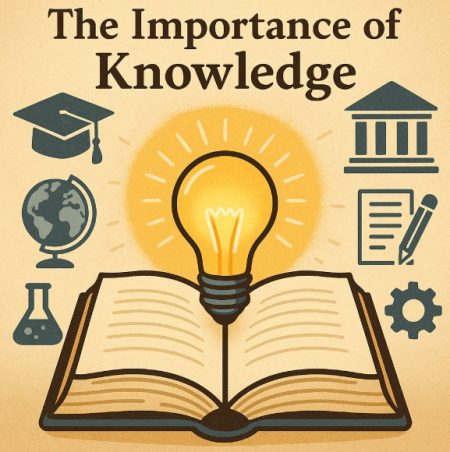
Knowledge is more than the simple possession of information; it is the ability to understand, interpret, and apply that information in meaningful ways. For example, knowing the nutritional value of food is only useful when applied in choosing a healthier diet that prevents illness and promotes well-being. In this sense, knowledge transforms raw facts into insight, guiding individuals to think critically and act wisely. With knowledge, people gain the power to make sound decisions, solve complex problems, and create innovative solutions- such as an engineer using technical expertise to design safer buildings, or a farmer applying modern agricultural knowledge to increase crop yields. In everyday life, it influences the choices we make, the confidence we carry, and the way we adapt to change, like learning digital skills to stay connected in a rapidly evolving technological world. In professional settings, it drives skill development, efficiency, and career growth. For instance, a teacher with pedagogical knowledge can inspire students more effectively, while a doctor with updated medical knowledge can save lives. At the societal level, knowledge fuels economic advancement, strengthens communities, and empowers citizens to participate actively in building just and informed societies, as seen in literacy campaigns that uplift entire rural populations. This article explores why knowledge matters by examining its everyday benefits in life, work, and society, showing how it remains the cornerstone of human growth and development.
Benefits of Knowledge in Everyday Life
Knowledge plays an essential role in shaping everyday life, influencing the choices people make, the confidence they develop, and the way they adapt to new challenges. One of its greatest benefits lies in decision-making. When individuals possess knowledge about nutrition, for example, they are more likely to adopt healthier eating habits and avoid illnesses. Similarly, financial literacy allows people to budget wisely, save for the future, and avoid unnecessary debt. Even simple decisions, such as following traffic rules, selecting environmentally friendly products, or managing digital payments, become more effective and responsible when guided by knowledge.
Another important benefit of knowledge is the confidence and self-reliance it provides. People who understand how to operate digital tools can independently perform tasks like booking tickets, paying utility bills, or attending online meetings without relying on others. Likewise, someone who knows how to repair small household issues develops a sense of independence and self-assurance. This empowerment leads to greater resilience and the ability to handle challenges more effectively. In the modern world, where information is abundant but not always accurate, knowledge serves as a shield against misinformation. For instance, during the COVID-19 pandemic, many people encountered false medical advice online. Those with the ability to evaluate sources critically and rely on credible information were better equipped to protect their health and share accurate knowledge with others. In this way, knowledge not only safeguards individuals but also strengthens society as a whole.
Adaptability is another everyday advantage that stems from knowledge. As technology and social dynamics evolve, those who continue to learn remain better prepared to cope with change. Digital literacy allows people to embrace online education, remote work, and digital communication tools without difficulty. Similarly, knowledge of cultural diversity or environmental issues helps individuals live responsibly and engage meaningfully in society. Those who cultivate knowledge are less likely to feel left behind and more capable of adjusting to new realities. Beyond practicality, knowledge enriches personal growth and adds depth to life experiences. Reading literature broadens empathy, learning history nurtures cultural awareness, and exploring science or the arts expands curiosity. Even hobbies benefit from knowledge- a gardener who understands soil health grows better plants, and a traveler with cultural knowledge finds deeper meaning in their journeys. Such enrichment creates purpose and fosters lifelong learning.
Finally, knowledge enhances relationships by improving communication and understanding. Parents who study child psychology, for example, can guide their children with greater patience and insight, while friends who value empathy and respect build stronger and lasting bonds. At the community level, knowledge of ethics, social responsibility, and cooperation helps create harmony and mutual respect. These relationships, grounded in understanding, form the foundation of a more fulfilling and connected life.
Benefits of Knowledge in Work and Career
Knowledge is one of the most valuable assets in the world of work and career. It is more than the accumulation of facts; it is the ability to apply learning, experience, and understanding in practical ways that shape professional success. In today’s fast-changing environment, knowledge ensures that individuals remain relevant, skilled, and capable of contributing meaningfully to their workplaces. From skill development to career growth and innovation, knowledge is at the heart of progress in professional life.
One of the primary benefits of knowledge in a career is the development of skills. Every profession requires a base of knowledge to perform tasks effectively. For example, doctors use medical knowledge to diagnose illnesses and provide treatment, while engineers depend on scientific and technical knowledge to design safe structures and systems. Teachers apply pedagogical knowledge to inspire learning in classrooms, and lawyers rely on legal knowledge to argue cases and protect justice. Without knowledge as a foundation, professional skills remain underdeveloped and incomplete.
Another vital benefit of knowledge is its role in problem-solving and decision-making. Workplaces face daily challenges, from technical breakdowns to organizational conflicts. Employees with sound knowledge are better prepared to evaluate options and find practical solutions. For instance, an IT professional with cybersecurity knowledge can prevent data breaches and protect an organization’s valuable information. Likewise, a manager knowledgeable in human resource practices can handle disputes fairly and make informed decisions about hiring, training, or team building. Knowledge strengthens confidence and accuracy in decision-making, reducing costly mistakes.
Career advancement is also closely tied to knowledge. Professionals who continuously expand their knowledge base are more likely to be recognized and rewarded with promotions, leadership roles, and greater responsibilities. In business, those who keep up with market trends and economic developments are able to lead successful projects and gain a competitive edge. In academia, researchers who expand the frontiers of knowledge through study and publication establish themselves as leaders in their fields. Knowledge, therefore, is not only a tool for daily work but also a pathway to long-term career growth.
Knowledge also drives innovation and creativity, which are essential for organizational success. New ideas, inventions, and improvements often emerge when people combine their expertise with creative thinking. The rise of technology companies, for example, has been fueled by professionals applying their deep knowledge in innovative ways, creating groundbreaking products and services. In healthcare, researchers use scientific knowledge to develop new medicines and technologies that save lives. By enabling creativity, knowledge ensures that organizations remain competitive and capable of responding to global challenges. In addition, knowledge strengthens collaboration and teamwork in the workplace. Employees who understand communication skills, cultural diversity, and ethical practices are better equipped to work effectively with colleagues from different backgrounds. In multinational companies, knowledge of cross-cultural practices helps teams overcome misunderstandings and build stronger relationships. This creates a more inclusive environment where cooperation and productivity thrive.
Finally, knowledge contributes to job satisfaction and personal fulfillment. Professionals who feel competent and capable in their roles are more likely to take pride in their work and remain motivated. For example, a teacher who successfully applies new teaching strategies experiences joy when students learn better, while a social worker who uses psychological knowledge to help vulnerable groups feels a deeper sense of purpose. This satisfaction not only benefits individuals but also strengthens organizations by fostering loyalty and dedication.
Benefits of Knowledge in Society
Knowledge plays a vital role in shaping and advancing society. It acts as the foundation for social development, innovation, and cultural progress. When knowledge is widely shared and applied, it helps create informed citizens who can participate actively in democratic processes, make sound decisions, and contribute meaningfully to their communities. For example, voter education campaigns in many countries provide citizens with essential knowledge about electoral systems, helping them choose their leaders wisely and prevent manipulation. Similarly, awareness programs about laws and rights empower people to stand against injustices such as child marriage or workplace exploitation.
In addition, knowledge fosters social progress by promoting equality and reducing disparities. Access to information and education empowers marginalized groups, giving them the tools to improve their lives and break cycles of poverty. For instance, community-based education programs in rural Bangladesh have helped women learn financial literacy, enabling them to manage microcredit loans and start small businesses. Likewise, when public health knowledge is shared—such as handwashing campaigns during the COVID-19 pandemic- societies benefit from reduced disease transmission and improved collective wellbeing.
Knowledge also drives innovation and economic growth, which in turn strengthens societies. Scientific research, technological advancements, and cultural contributions are all products of accumulated and shared knowledge. For example, the development of renewable energy technologies like solar panels and wind turbines is rooted in decades of scientific knowledge, and these innovations help societies transition toward sustainable energy solutions. In agriculture, knowledge about modern farming methods and irrigation systems has enabled many developing countries to increase food production and reduce hunger. Moreover, knowledge serves as a bridge across generations, preserving cultural heritage, traditions, and collective memory, while also preparing societies to adapt to future challenges. For example, museums and digital archives safeguard historical documents and artifacts, allowing future generations to learn about their cultural identity. At the same time, knowledge about climate change and environmental conservation is equipping today’s society to take steps toward protecting the planet for tomorrow.
How Knowledge Shapes the Way People Think, Act, and Make Decisions
Knowledge is one of the most powerful forces that influence human behavior, as it guides how people interpret the world, respond to challenges, and make choices in their personal and social lives. It works as a lens through which individuals view reality, shaping their thought patterns, actions, and decision-making processes. The more accurate, diverse, and comprehensive the knowledge is, the more likely it is to lead to informed, responsible, and meaningful decisions that benefit both individuals and society.
In terms of thinking, knowledge provides the foundation for critical and analytical reasoning. People with broader knowledge are more capable of questioning assumptions, evaluating evidence, and identifying biases in the information they encounter. For example, someone with a basic understanding of scientific methods is less likely to be misled by false claims about health remedies online, as they will prefer to verify facts before accepting them. Similarly, awareness of historical events enables individuals to recognize patterns and avoid repeating mistakes of the past, thus fostering reflective and evidence-based thinking.
The actions people take are also strongly influenced by the knowledge they possess. Knowledge builds awareness, which in turn guides behavior. For instance, environmental education has encouraged people worldwide to adopt sustainable habits such as recycling, conserving energy, and reducing plastic use. In public health, awareness campaigns on the dangers of smoking or the benefits of vaccination have significantly altered individual and collective behaviors, leading to healthier lifestyles and communities. On the other hand, when knowledge is absent, actions are often driven by superstition, misinformation, or fear, which can result in harmful consequences.
Decision-making becomes more rational and ethical when guided by knowledge. In daily life, financial literacy helps people manage budgets, save wisely, and invest responsibly, ensuring long-term stability. At the professional level, managers and leaders rely on research and data to shape strategies rather than making decisions based only on instinct. On a broader scale, policymakers use knowledge from science, demographics, and expert studies to design laws and programs that meet societal needs. A recent example can be seen during the COVID-19 pandemic, where governments that followed scientific guidance and medical expertise were more successful in controlling the outbreak compared to those that ignored expert advice.
Ultimately, knowledge does not just influence individual choices; it transforms entire ways of life. Societies with higher levels of education and literacy are often more tolerant, innovative, and economically stable, as people are empowered to think critically, act responsibly, and make decisions with long-term benefits in mind. In contrast, communities where knowledge is scarce often face stagnation, inequality, and vulnerability to manipulation.
How Knowledge Influences Personal Growth and Self-Confidence
Knowledge plays a transformative role in shaping an individual’s personal growth and strengthening their sense of self-confidence. It equips people with the tools to understand themselves, navigate the complexities of life, and contribute meaningfully to society. The more knowledge a person acquires, the more empowered they feel to face challenges, make informed decisions, and achieve personal goals. By broadening perspectives and fostering self-awareness, knowledge becomes a key driver of both inner development and outward confidence.
- Knowledge as a Pathway to Personal Growth: Personal growth is closely tied to the continuous process of learning. Knowledge broadens one’s understanding of the world, allowing individuals to discover new interests, talents, and opportunities. For example, someone who gains knowledge about nutrition and fitness may adopt healthier habits, improve their physical wellbeing, and develop greater discipline in daily life. Similarly, an individual who learns computer literacy in a developing country can access online resources, apply for jobs, and even start an online business, leading to both personal and economic growth. Learning a new language can also be transformative, enabling people to connect with different cultures and expand professional opportunities.
- Building Self-Confidence Through Knowledge: Confidence stems from a sense of competence, and competence is built through knowledge. When people are well-informed, they are more likely to trust their own judgment and communicate effectively with others. For instance, a student who prepares thoroughly for an exam or research presentation feels more confident in expressing ideas in front of peers. In professional settings, an employee who masters new software or project management techniques can confidently take on leadership roles. Even in daily life, knowing how to manage personal finances or understanding basic healthcare practices fosters independence and gives individuals the confidence to make better choices.
- Overcoming Fear and Uncertainty: One of the most important ways knowledge supports growth and confidence is by reducing fear and uncertainty. Often, people hesitate to act because they lack the necessary information or skills. For example, many people fear public speaking, but gaining knowledge of speech techniques, practicing delivery, and studying audience engagement strategies can help overcome this anxiety, turning fear into confidence. Likewise, women in rural areas who receive knowledge about their legal rights often feel empowered to speak up against injustices such as child marriage or workplace exploitation. Knowledge provides clarity and courage, replacing helplessness with empowerment.
- The Lifelong Cycle of Growth and Confidence: Knowledge and confidence reinforce each other in a continuous cycle. As individuals learn more, they become more confident in applying that knowledge, which in turn motivates them to pursue further learning. For instance, adult literacy programs not only teach reading and writing but also build the confidence of learners to engage in community activities, manage family finances, or pursue further education. Similarly, professionals who attend training workshops or higher education programs often gain the confidence to innovate in their fields, start new ventures, or compete globally. This cycle of learning and confidence ensures continuous personal and professional development throughout life.
Knowledge is a powerful catalyst for both personal growth and self-confidence. It nurtures self-awareness, enhances skills, reduces uncertainty, and empowers individuals to act decisively. A farmer learning about modern agricultural techniques, a young adult gaining digital skills, or an older adult completing literacy training- all are examples of how knowledge builds confidence and opens new doors. The more people learn, the more confident they become in shaping their own lives and influencing the world around them. By embracing knowledge as a lifelong pursuit, individuals build a stronger sense of self and unlock their true potential, paving the way for success and fulfillment.
In What Ways Does Knowledge Help Individuals Make Better Health and Lifestyle Choices?
Knowledge plays a central role in shaping how individuals take care of their health and make lifestyle decisions. In today’s world, where information is widely accessible, people who are informed are better equipped to understand their bodies, recognize risks, and adopt habits that support long-term well-being. From diet and exercise to preventive healthcare and mental health, knowledge acts as a guiding force behind healthier and more balanced lifestyles.
One of the most important ways knowledge influences lifestyle choices is through nutrition awareness. People who understand the value of a balanced diet are more likely to select foods that provide essential nutrients, energy, and protection against disease. For example, those who know about the harmful effects of processed foods and excess sugar tend to prefer healthier options such as fruits, vegetables, and whole grains. Nutrition education programs in schools and communities have also shown success in reducing obesity and improving dietary habits, particularly among children and young adults.
Knowledge about the benefits of physical activity also encourages people to live more active lives. Awareness that regular exercise reduces the risk of heart disease, diabetes, and obesity motivates individuals to include activities such as walking, cycling, or sports in their routines. For instance, many workplace fitness campaigns promote small lifestyle changes like taking the stairs or doing short stretches during breaks, which help reduce sedentary habits and improve overall health.
Preventive healthcare is another critical area where knowledge makes a difference. Awareness of the importance of vaccinations, health checkups, and screenings enables people to detect and address problems early. Knowledge about breast cancer and the life-saving impact of early detection through mammograms or self-examinations has helped protect millions of women worldwide. Similarly, public education about hygiene, safe drinking water, and sanitation has dramatically reduced the spread of infectious diseases in developing countries.
Mental health and well-being are also strongly influenced by knowledge. Understanding the symptoms of stress, anxiety, or depression empowers individuals to seek help before these conditions worsen. Campaigns that raise awareness about mental health reduce stigma and encourage people to access counseling or therapy. For example, university awareness programs often provide students with techniques to manage stress and achieve balance, which improves their academic performance as well as personal well-being.
In addition, knowledge empowers individuals to make lifestyle choices that protect their long-term health. People who are informed about the dangers of smoking, excessive alcohol consumption, and drug use are more likely to avoid these harmful behaviors. Similarly, awareness about the importance of sleep, work-life balance, and stress management guides daily choices that contribute to healthier living. Campaigns such as “Quit Smoking” or health drives focusing on blood pressure and cholesterol management clearly show how knowledge can change habits and save lives.
Knowledge is a powerful factor that helps individuals make better health and lifestyle choices. It provides awareness about healthy eating, physical activity, preventive healthcare, and mental well-being while discouraging harmful behaviors. More importantly, it empowers people to act responsibly and adopt positive habits, leading to healthier, longer, and more fulfilling lives. By promoting health literacy and ensuring access to reliable information, societies can help individuals take greater control over their well-being and make decisions that benefit both themselves and their communities.
How Knowledge Protects People from Misinformation and Manipulation
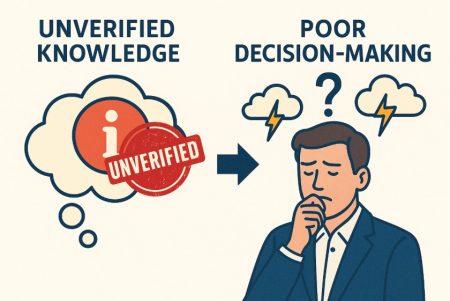
In today’s information-driven world, people are constantly exposed to news, opinions, and messages through social media, television, and other platforms. While this access to information brings many benefits, it also opens the door to misinformation and manipulation. False or misleading content can spread rapidly, influencing public opinion, creating confusion, and even leading to harmful actions. In this context, knowledge serves as a powerful shield, enabling individuals to identify misinformation, resist manipulation, and make independent, informed decisions.
- Knowledge as a Tool for Critical Thinking: Knowledge enhances critical thinking by providing people with the ability to question, analyze, and verify information. Individuals who are knowledgeable about science, history, or current events are better prepared to recognize inconsistencies or exaggerated claims. For example, during the COVID-19 pandemic, people with basic scientific knowledge were less likely to fall for false claims about unproven “cures” and more likely to rely on trusted health authorities for accurate guidance. In this way, knowledge equips people with the intellectual tools to separate facts from falsehoods.
- Awareness of Media and Information Sources: Another way knowledge protects against manipulation is by helping individuals understand how media and communication channels operate. Media literacy, which is built on knowledge, teaches people how news is produced, how advertisements influence decisions, and how propaganda works. For instance, a person who knows about techniques such as clickbait headlines or manipulated images is less likely to be deceived by sensational posts on social media. Knowledge about credible sources and fact-checking practices also empowers people to verify the authenticity of information before believing or sharing it.
- Reducing Vulnerability to Exploitation: People who lack knowledge are often more vulnerable to manipulation, whether in politics, finance, or daily life. Scams, fraudulent schemes, and biased campaigns frequently target uninformed individuals. Knowledge about personal finance, for example, helps people avoid falling prey to scams or manipulative marketing strategies. Similarly, political awareness enables citizens to see through false promises, misleading statistics, or divisive rhetoric used to gain votes. In societies where people are more knowledgeable, manipulation has less influence because citizens demand evidence and accountability.
- Promoting Independent and Informed Decision-Making: Knowledge empowers individuals to make independent choices based on evidence and reasoning rather than on fear, rumors, or persuasion tactics. A well-informed person can cross-check multiple sources, evaluate the credibility of information, and form balanced opinions. For example, when voters understand the basics of economics, governance, and law, they are less likely to be swayed by populist rhetoric and more likely to choose leaders who offer realistic, evidence-based solutions. Similarly, consumers with knowledge about nutrition or product safety are less likely to be manipulated by misleading advertisements.
- Building Resilient Societies: On a larger scale, knowledge protects not only individuals but also entire societies from misinformation. Educational systems that emphasize critical thinking and information literacy prepare citizens to engage responsibly in public discourse. For instance, countries that integrate digital literacy into school curricula are building a generation that can resist online manipulation, fake news, and cyberbullying. Communities where knowledge is shared openly are better able to challenge rumors, counter harmful narratives, and strengthen trust in reliable institutions.
Knowledge is a powerful defense against misinformation and manipulation. It sharpens critical thinking, fosters awareness of media strategies, reduces vulnerability to exploitation, and promotes independent decision-making. At the societal level, widespread knowledge strengthens democratic processes and builds resilience against harmful influences. In a world where misinformation spreads faster than ever before, the ability to access, evaluate, and apply knowledge is not just a skill; it is a necessity for protecting truth, justice, and collective well-being.
How Knowledge Contributes to Skill Development and Career Advancement
Knowledge plays a fundamental role in shaping skills and advancing careers, as it provides the foundation upon which practical abilities are built and refined. Without a solid base of knowledge, skills remain limited, and opportunities for career growth become restricted. Knowledge equips individuals with the theoretical understanding needed to apply techniques, solve problems, and adapt to changing professional environments. For example, a doctor’s medical skills rely heavily on knowledge of anatomy and clinical procedures, just as an engineer’s ability to design systems depends on a strong grasp of mathematical and scientific principles.
In terms of skill development, knowledge not only introduces individuals to new areas of expertise but also enhances their ability to apply these skills effectively. A person learning computer programming, for instance, requires knowledge of algorithms, coding languages, and logic structures to become proficient in creating applications. Similarly, knowledge about communication theories and strategies strengthens interpersonal and leadership skills, which are vital for managing teams and building professional relationships. In this way, knowledge acts as the building block for both technical and soft skills that are crucial in today’s job market.
Career advancement is also deeply tied to the continuous acquisition of knowledge. Professionals who stay updated with current trends, technologies, and research are more likely to remain competitive and relevant in their fields. For example, a teacher who acquires new knowledge about digital tools and modern teaching methods can deliver more engaging lessons, thereby improving career prospects. Likewise, an IT professional who keeps learning about cybersecurity developments is better positioned for promotions or specialized roles. Knowledge not only enhances performance but also demonstrates initiative and commitment, qualities highly valued by employers. Furthermore, knowledge fosters innovation and problem-solving, which are key drivers of career success. Individuals who understand their fields deeply are able to think creatively, identify gaps, and propose new solutions. For instance, entrepreneurs who combine business knowledge with practical skills are more capable of launching successful ventures. Knowledge also builds confidence, allowing professionals to take on greater responsibilities and leadership roles, thereby advancing their careers.
Why Knowledge is Crucial for Economic Growth and National Development
Knowledge is one of the most powerful drivers of economic growth and national development because it fuels innovation, enhances productivity, and builds human capital. In a knowledge-based economy, the ability of a country to create, share, and apply knowledge directly determines its competitiveness and long-term prosperity. Unlike physical resources, knowledge does not diminish when shared; instead, it multiplies, strengthening the overall capacity of individuals, institutions, and societies to progress.
At the individual level, knowledge builds skills and expertise that contribute to higher productivity and efficiency in the workforce. A well-educated and informed population is better equipped to handle technological changes, develop creative solutions, and meet the demands of evolving industries. For example, nations that invest heavily in education and research, such as South Korea and Singapore, have transformed themselves from resource-poor economies into global leaders in technology and innovation. This demonstrates how knowledge acts as a key factor in turning human potential into economic strength.
Knowledge also fosters innovation, which is essential for national development. Scientific discoveries, technological advancements, and research-based practices open up new industries and markets while improving existing ones. For instance, advancements in renewable energy, digital technology, and biotechnology are results of knowledge-driven innovation that not only create jobs but also address global challenges such as climate change and public health. Countries that promote research institutions, innovation hubs, and knowledge-sharing networks gain a significant advantage in global economic competition. Moreover, knowledge supports effective governance and policymaking, which are crucial for sustainable development. Policymakers who rely on accurate data, research, and expert knowledge can design strategies that reduce poverty, improve healthcare, and expand infrastructure. For example, knowledge about population trends and resource management enables governments to plan urban development and ensure food security. In contrast, the absence of knowledge-based policies often leads to mismanagement, inequality, and stagnant growth.
On a broader scale, knowledge contributes to social progress and national resilience. Educated citizens are more likely to participate actively in democratic processes, hold leaders accountable, and support reforms that strengthen institutions. Knowledge about health, environment, and social justice empowers people to make informed decisions that improve the quality of life and promote inclusive development. In this way, knowledge not only drives economic growth but also builds the foundation for stable, progressive, and equitable societies.
How Knowledge Empowers Citizens in a Democratic Society
Knowledge is the foundation of an active, informed, and responsible citizenry in a democratic society. Democracy thrives when citizens are aware of their rights, responsibilities, and the functioning of governance systems, as this awareness enables them to participate meaningfully in decision-making processes. Knowledge gives individuals the confidence to engage in public debates, evaluate policies, and hold leaders accountable, thereby strengthening the democratic fabric of a nation.
An informed citizen is better equipped to make thoughtful choices during elections. Understanding political ideologies, party manifestos, and the implications of policies allows voters to cast their ballots responsibly, rather than being influenced by empty promises or propaganda. For instance, knowledge of economic policies helps citizens distinguish between sustainable development plans and short-term populist measures. In this way, knowledge ensures that voting is based on reasoned judgment rather than manipulation.
Beyond elections, knowledge empowers citizens to engage in civic life and demand transparency and accountability from leaders. Awareness of constitutional rights, legal frameworks, and democratic institutions enables individuals to challenge corruption, question unfair practices, and seek justice. For example, when citizens know about freedom of information laws or anti-corruption bodies, they are more capable of resisting exploitation and demanding fair treatment. This creates a culture of accountability where public officials are less likely to abuse power.
Knowledge also fosters tolerance and inclusivity, which are vital for democratic harmony. By understanding history, culture, and social diversity, citizens are less likely to be misled by divisive rhetoric or extremist ideologies. A knowledgeable population is more inclined to value dialogue, respect differences, and work collectively for the common good. This contributes to social stability, which is essential for democracy to flourish. Furthermore, knowledge builds resilience against misinformation, which often undermines democratic processes. Informed citizens who are aware of how the media works and how to fact-check information are less likely to be manipulated by fake news or biased campaigns. This helps ensure that public opinion is shaped by truth and evidence rather than by deliberate distortion.
In What Ways Can Knowledge Promote Equality and Social Justice?
Knowledge is a powerful instrument for promoting equality and social justice because it enables individuals and communities to recognize injustices, challenge discriminatory practices, and advocate for fair treatment. A society that prioritizes knowledge and education creates opportunities for marginalized groups to improve their circumstances and participate equally in social, economic, and political life. By raising awareness, building skills, and fostering empathy, knowledge contributes to breaking cycles of inequality and establishing a more just society.
- Expanding Access to Opportunities: Knowledge opens doors to education, employment, and empowerment, which are essential for reducing inequality. When individuals gain access to quality education and training, they are better equipped to compete in the job market and secure a decent livelihood. For example, literacy programs in rural areas empower disadvantaged communities by giving them the ability to read, write, and access information, thereby reducing the gap between urban and rural populations. By expanding opportunities, knowledge helps to level the playing field and create a more equitable society.
- Raising Awareness of Rights and Justice: Knowledge enables people to understand their rights and recognize instances of injustice. Awareness of legal rights, labor laws, and human rights protections empowers citizens to demand equality and resist exploitation. For instance, when workers are knowledgeable about minimum wage laws and workplace safety regulations, they are less vulnerable to unfair treatment. Similarly, public campaigns that inform women about their rights against domestic violence or child marriage contribute to greater gender equality and social justice.
- Challenging Discrimination and Prejudice: Knowledge fosters critical thinking and empathy, which are crucial for dismantling stereotypes and prejudices. Education about history, culture, and social diversity helps individuals appreciate differences and reduces intolerance. For example, lessons on civil rights movements and struggles for independence provide awareness of past injustices and inspire people to continue fighting for fairness. When people are knowledgeable about the harms of discrimination based on race, religion, gender, or class, they are more likely to reject divisive ideologies and support inclusive policies.
- Promoting Fair Governance and Accountability: Informed citizens are better able to hold governments and institutions accountable for upholding social justice. Knowledge about democratic processes, anti-corruption measures, and civic responsibilities empowers people to participate in governance and demand transparency. For example, freedom of information laws give citizens access to government data, enabling them to challenge unfair practices and push for reforms that protect vulnerable groups. This ensures that policies and resources are distributed more fairly across society.
- Empowering Social Movements and Advocacy: Knowledge strengthens social movements that advocate for equality and justice. Activists rely on research, data, and awareness campaigns to highlight inequalities and mobilize communities for change. For instance, global movements for climate justice are built on scientific knowledge about environmental damage and its disproportionate impact on poorer nations. Similarly, grassroots organizations that spread knowledge about health, education, or land rights empower marginalized groups to demand equal opportunities and fair treatment.
Knowledge promotes equality and social justice by expanding opportunities, raising awareness of rights, challenging discrimination, promoting accountability, and empowering social movements. It equips individuals with the tools to resist exploitation, dismantle prejudice, and build inclusive communities where fairness and dignity are upheld. Societies that invest in spreading knowledge not only reduce inequalities but also create a foundation for lasting justice, harmony, and progress.