Every day, we are exposed to an overwhelming amount of information. In fact, it’s estimated that over 2.5 quintillion bytes of data are created each day, from emails and social media posts to news articles and videos. With this constant influx of content, it’s becoming increasingly difficult to discern what is true, relevant, or valuable. This is where information literacy becomes essential.
Information literacy is the ability to recognize when information is needed and to effectively find, evaluate, and use that information. It’s not just about collecting data—it’s about understanding the context, credibility, and purpose of the information we encounter. Information literacy is a vital skill in today’s society, where misinformation and bias can spread quickly. It allows individuals to critically assess sources, make informed decisions, and navigate the complexities of the digital world with confidence. Whether in education, work, or personal life, being information literate is key to participating responsibly in an increasingly information-saturated society.
Why Information Literacy is Essential in Today’s Society
In an era defined by the rapid growth of digital content, social media, and instantaneous access to information, the ability to navigate, evaluate, and use information has become a critical skill. Everyday, we encounter a staggering amount of data—from news stories and social media posts to emails and advertisements. In fact, it’s estimated that over 2.5 quintillion bytes of data are created daily. With this overwhelming influx of information, the need for information literacy has never been greater. Information literacy empowers individuals to make informed decisions, critically assess the content they encounter, and navigate the complexities of the modern world.
- The Age of Information Overload: We live in an era of information overload. From countless articles, social media posts, and videos to emails, advertisements, and news stories, the sheer volume of content we are exposed to is staggering. While this can be seen as an advantage, given the vast range of knowledge available at our fingertips, it also creates significant challenges. With so much information, it becomes increasingly difficult to differentiate between valuable, reliable sources and irrelevant or misleading ones.
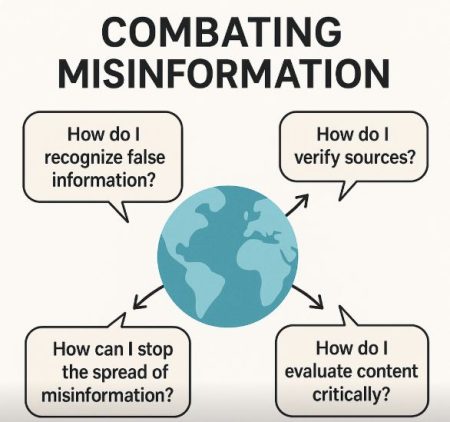
Without the skills to sift through this data, individuals can become easily overwhelmed and unable to find the most accurate and relevant information. This is where information literacy becomes essential—helping people to not only find information but to understand its quality, context, and purpose. - Combating Misinformation and Fake News: One of the most pressing concerns in today’s society is the rise of misinformation and fake news. With the rapid spread of digital content, inaccurate or misleading information can easily go viral, influencing public opinion, political outcomes, and even individual decisions. A single tweet or Facebook post can spark widespread rumors that may take days, weeks, or even longer to correct.
Information literacy is crucial in combating these issues. It empowers individuals with the ability to critically evaluate sources, cross-check facts, and identify biases in the content they consume. By honing these skills, individuals can avoid falling prey to false information, making more informed decisions in both their personal and professional lives. - Informed Decision-Making: In today’s fast-paced world, the ability to make informed decisions is vital. Whether it’s choosing a healthcare provider, making financial investments, voting in an election, or deciding on a career path, the decisions we make are influenced by the information we have access to. Information literacy enables individuals to gather the necessary data, analyze its credibility, and make decisions based on well-reasoned judgments rather than assumptions or superficial impressions.
For instance, before making a significant purchase or investment, an informed consumer will research the product’s features, read reviews, compare options, and assess the reputation of the seller. In the same way, voters who are information literate will seek out reliable news sources, fact-check political claims, and ensure that their voting choices are based on accurate and balanced information. - Critical Thinking and Problem-Solving: Information literacy is not just about finding information; it’s about analyzing and evaluating it critically. In an age where “information is power,” the ability to think critically about the sources, context, and implications of information is essential. Information-literate individuals are equipped with the skills to question assumptions, explore multiple perspectives, and arrive at well-rounded conclusions.
This is especially important in problem-solving. In today’s complex, interconnected world, problems are rarely simple or one-dimensional. Information literacy enables individuals to break down complex issues, gather relevant data, evaluate competing viewpoints, and synthesize information into coherent solutions. Whether in academic research, workplace tasks, or personal dilemmas, the ability to apply critical thinking to information is key to finding effective solutions. - Enhancing Academic and Professional Success: In educational settings, information literacy plays a central role in academic success. Students with strong information literacy skills are better equipped to conduct research, evaluate sources, and use information to support their arguments. They can approach assignments and projects more effectively, and their ability to synthesize complex information allows them to contribute meaningfully to discussions and debates.
Similarly, in the professional world, information literacy is an asset. Whether it’s a data analyst using statistical tools to make sense of numbers, a marketer researching trends to inform strategy, or a business leader evaluating industry developments, the ability to access and use relevant, credible information is essential. Professionals who are information literate can make better decisions, solve problems more efficiently, and stay competitive in their fields. - Ethical and Responsible Participation in Society: Information literacy also involves an ethical component. As technology advances, it becomes easier to access, share, and manipulate information. However, this also raises questions about privacy, intellectual property, and the responsible sharing of data. Information literacy encourages individuals to use information responsibly and ethically, understanding the implications of sharing personal data, respecting copyright laws, and ensuring that the information they share is accurate and trustworthy.
Furthermore, information literacy helps individuals become responsible citizens. In a democracy, access to accurate information is crucial for informed voting and active participation in societal issues. By understanding the ethical use of information, individuals can contribute to creating a more informed, transparent, and fair society. - Adapting to Technological Advances: As technology evolves, so do the methods of accessing and sharing information. New digital tools, social platforms, and emerging technologies constantly reshape the landscape of information. Information literacy equips individuals with the ability to adapt to these changes, learn new skills, and remain competent in an ever-evolving digital environment.
For example, the rise of artificial intelligence (AI) and big data has revolutionized how we interact with information. Information-literate individuals can leverage these technologies effectively, ensuring that they can extract meaningful insights and use them to their advantage, whether in business, research, or personal growth.
In today’s information-driven world, the ability to navigate, evaluate, and use information effectively is no longer just a skill—it’s a necessity. Information literacy is essential for combating misinformation, making informed decisions, fostering critical thinking, and ensuring responsible participation in society. As we continue to face an overwhelming influx of data and rapid technological advancements, information literacy will remain a cornerstone of personal, academic, and professional success. It’s not just about having access to information—it’s about knowing how to use it wisely.
How Information Literacy Contributes to Informed Decision-Making in Today’s Information-Driven Society
In today’s information-driven society, the sheer volume of available data can be overwhelming. Everyday, we are bombarded with information from multiple sources—social media, news outlets, advertisements, and online platforms. In such an environment, making informed decisions requires more than just access to information; it demands the ability to critically evaluate and use that information effectively. This is where information literacy becomes essential.
Information literacy equips individuals with the skills to identify reliable sources, assess the accuracy of the information presented, and make informed choices based on credible data. For instance, when a person is considering buying a product, information literacy allows them to research not just the product itself but also customer reviews, expert opinions, and comparisons with similar products. Instead of relying on an advertisement or a single review, they can evaluate multiple perspectives and select the best option based on well-rounded information.
In the realm of healthcare, information literacy can help individuals make life-altering decisions. For example, when diagnosed with a medical condition, patients with strong information literacy skills can research treatment options, consult scientific studies, and understand the pros and cons of various therapies. They are less likely to fall victim to unverified online remedies or misleading health claims. Instead, they can consult trusted medical sources and make informed decisions about their care. Moreover, information literacy plays a crucial role in areas like voting and political engagement. In today’s digital world, misinformation and political bias are rampant, especially on social media. A well-informed citizen who possesses information literacy skills will be able to distinguish between fact and fiction, evaluate political candidates’ policies, and make voting decisions based on facts rather than emotional appeals or misleading claims.
The Role of Information Literacy in Combating Misinformation and Fake News
Information literacy is the ability to recognize when information is needed, and to effectively locate, evaluate, and use the information. This competency is essential not only in academic and professional settings but also in everyday life. Information literacy enables individuals to critically assess the sources of information, understand context, identify biases, and make informed decisions. In the fight against misinformation, this skill set becomes particularly valuable.
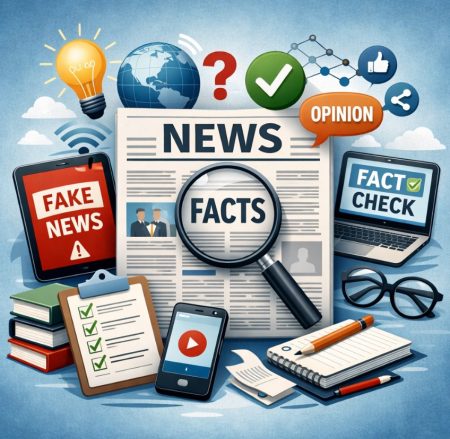
In today’s interconnected world, misinformation and fake news spread faster than ever. The rapid growth of digital platforms, especially social media, has allowed misleading or false information to go viral within minutes, influencing public opinion, political outcomes, and even personal decisions. From health advice to political campaigns, misinformation is often disguised as fact, making it difficult for individuals to discern the truth. This is where information literacy plays a crucial role in combating the spread of fake news and promoting an informed society.
- Evaluating Sources: One of the key components of information literacy is the ability to evaluate the credibility and reliability of a source. In a world where anyone can publish content online, determining the trustworthiness of information is essential. Information literacy helps individuals ask the right questions: Is this source reputable? Who is behind the information? What is their agenda? Are there any signs of bias or manipulation?
For instance, when reading a news article, an information-literate individual might check if the publication is known for reliable journalism, whether the story is backed by evidence, and whether the author has expertise in the field they are writing about. By evaluating sources critically, individuals are less likely to fall for sensationalized headlines or fabricated reports. - Identifying Misinformation and Disinformation: Misinformation refers to false or inaccurate information spread without the intent to deceive, while disinformation is deliberately created to mislead people. Both are prevalent on social media and online platforms, making it easy for individuals to be misled. Information literacy teaches individuals to look for signs of misinformation, such as lack of evidence, contradictory claims, or emotional manipulation of content.
For example, during the COVID-19 pandemic, misinformation about the virus, its treatments, and its spread was widespread on social media. Information-literate individuals were able to recognize sources that lacked scientific credibility, spot common hoaxes, and seek out verified information from reliable organizations such as the World Health Organization (WHO) and the Centers for Disease Control and Prevention (CDC). By understanding the difference between credible sources and unreliable ones, they were able to make informed decisions and avoid falling victim to false narratives. - Cross-Referencing and Fact-Checking: Another critical skill that information literacy provides is the ability to cross-reference information. When faced with conflicting reports or questionable claims, an information-literate person will consult multiple sources to verify facts. Fact-checking websites, such as Snopes, PolitiFact, and FactCheck.org, have become valuable tools for identifying fake news. These platforms are dedicated to evaluating claims, debunking rumors, and providing accurate information.
For example, if an individual encounters a viral post claiming a new breakthrough in cancer treatment, they would use their information literacy skills to verify the claim by cross-referencing it with reputable medical sources, research journals, and trusted healthcare organizations. By using reliable fact-checking tools, individuals can determine whether the information is true or misleading. - The Importance of Critical Thinking: Critical thinking is at the heart of information literacy. Information-literate individuals don’t just accept information at face value—they question it, analyze it, and consider its origins. They understand that even reputable sources can make mistakes, and they look for evidence before drawing conclusions. Critical thinking allows individuals to engage with content in a thoughtful and deliberate manner rather than reacting impulsively to sensational headlines or viral content.
For instance, when confronted with a political ad that seems to exaggerate facts or use emotional language, an information-literate person will critically assess the message, considering the potential biases involved and whether the ad is presenting a balanced perspective. They will look for supporting evidence and evaluate the sources to ensure that the information is credible and not skewed. - Promoting Media Literacy and Digital Citizenship: Information literacy extends beyond just evaluating news articles—it also includes understanding how media and technology work in the digital age. Media literacy, which overlaps with information literacy, teaches individuals to understand the impact of media on public opinion and how to use digital tools responsibly. Information-literate individuals are not just consumers of information but also active participants in the digital landscape. They know how to share information responsibly and avoid spreading false or misleading content.
Media literacy also means being aware of algorithms that curate content on social media platforms, which often create echo chambers and filter bubbles. Information-literate individuals recognize that the information they see is influenced by their online behavior and the platforms they use. By understanding how algorithms work, they can actively seek diverse viewpoints and avoid being trapped in information silos.
Information literacy is a vital skill in the fight against misinformation and fake news. By developing the ability to critically evaluate sources, cross-reference information, and use digital tools responsibly, individuals can make informed decisions and help prevent the spread of false or misleading content. In an age where misinformation can have serious consequences, from public health to political stability, the importance of information literacy cannot be overstated. By promoting information literacy, we can create a more informed, discerning society capable of resisting the influence of fake news and misinformation.
How Information Literacy Enhances Critical Thinking and Problem-Solving Abilities
Information literacy is a foundational skill that significantly enhances an individual’s ability to think critically and solve problems effectively. In a world filled with vast amounts of information, being able to navigate, evaluate, and utilize data is crucial for making sound judgments and finding innovative solutions. By developing information literacy skills, individuals can improve their ability to assess the validity of information, recognize patterns, and approach problems with a more analytical mindset.
One of the primary ways information literacy enhances critical thinking is by promoting the ability to evaluate sources and assess the credibility of information. To think critically, it is essential to recognize not all information is accurate or reliable. Information-literate individuals are equipped with the skills to identify biases, check the credibility of sources, and distinguish between fact and opinion. This process encourages a more thoughtful and discerning approach to any problem or issue, ensuring that decisions are based on evidence rather than assumptions or hearsay. For example, when faced with a complex problem, an individual with strong information literacy skills will seek multiple sources, assess their reliability, and synthesize the most relevant and credible information before reaching a conclusion.
Furthermore, information literacy promotes a more structured approach to problem-solving. Instead of jumping to conclusions or relying on intuition, information-literate individuals are trained to break down problems into smaller, more manageable components. They use research and data to gather relevant information, analyze patterns, and evaluate potential solutions. This structured approach helps to ensure that decisions are well-reasoned and based on comprehensive analysis. For instance, in a business scenario where a company is facing a decline in sales, information-literate employees will gather data, assess market trends, evaluate customer feedback, and explore industry reports before proposing a strategy. This methodical approach helps address the problem and ensure that the proposed solutions are grounded in facts and evidence.
In addition, information literacy fosters creativity in problem-solving by encouraging individuals to explore diverse sources and viewpoints. When solving a problem, it’s essential to consider various perspectives and solutions. Information literacy skills encourage individuals to seek out multiple sources, challenge existing assumptions, and consider alternative approaches. This leads to a more comprehensive understanding of the problem and increases the likelihood of finding innovative solutions. For example, in a scientific context, researchers with strong information literacy skills will review existing literature, analyze previous studies, and consider new hypotheses to explore, often leading to creative breakthroughs.
How Information Literacy Empowers Individuals to Evaluate Sources and Distinguish Between Reliable and Unreliable Information
In an age where information is constantly being generated and shared at unprecedented speeds, distinguishing between reliable and unreliable information has become more challenging than ever. Misinformation, sensationalism, and fake news can easily distort public understanding and lead individuals to make poorly informed decisions. This is where information literacy plays a vital role in empowering individuals to critically evaluate the sources of information they encounter, ensuring they can differentiate between credible and untrustworthy content.
Information literacy provides individuals with the necessary skills to assess the credibility of the sources they engage with. One key element of this is the ability to examine the authority of the source. Information-literate individuals learn to ask important questions: Who is the author? What are their credentials or qualifications? Is the publisher or platform known for providing accurate, well-researched content? For example, when researching a medical topic, a person with strong information literacy skills would seek information from peer-reviewed journals, recognized health organizations, or experts in the field rather than relying on random blog posts or unverified sources.
Information literacy teaches individuals to evaluate the quality of the evidence presented. In a world where claims can be made without sufficient backing, it is essential to question the validity of the information. Information-literate individuals know to look for references to credible studies, data, or expert opinions. They are equipped to recognize whether the content is supported by solid, verifiable evidence or whether it is based on anecdotal stories or unverifiable assertions. For example, when reading a news article that reports on scientific findings, an information-literate person will check if the article cites actual research studies and examine whether the findings are corroborated by multiple trusted sources.
Information literacy encourages individuals to be aware of biases in the information they encounter. All sources carry some level of bias, whether it is due to the author’s personal perspective, the outlet’s political leanings, or selective reporting. Information-literate individuals are taught to identify these biases and understand how they may influence the content. By recognizing biased language, incomplete narratives, or one-sided arguments, individuals can better evaluate the objectivity of the information presented and seek out more balanced or diverse viewpoints to obtain a more comprehensive understanding of the issue.
Cross-referencing is another critical skill taught by information literacy. When information appears questionable or when conflicting reports arise, individuals with strong information literacy skills know to seek out multiple credible sources and compare the data. By corroborating information across various platforms, individuals can verify the accuracy of the information and avoid being misled by unreliable sources. This practice is particularly useful when encountering breaking news stories or viral content that may lack thorough fact-checking.
Finally, information literacy empowers individuals to recognize the common signs of unreliable or deceptive information. Clickbait headlines, emotionally charged language, and a lack of credible sourcing are all tactics frequently used to manipulate readers into accepting dubious claims. An information-literate individual can identify these red flags and approach such content with skepticism. For instance, a sensationalized article claiming an extreme health breakthrough without referencing any scientific evidence or expert opinions would be easily flagged by someone with information literacy skills as potentially unreliable.
How Information Literacy Impacts a Person’s Ability to Engage with Various Media Platforms Responsibly
In today’s media-saturated world, where digital content is constantly being created and shared across various platforms, information literacy plays a pivotal role in ensuring that individuals engage with media responsibly. It empowers individuals to navigate the complexities of online and offline media by helping them critically evaluate information, understand its context, and use it ethically. With the proliferation of social media, blogs, news websites, and other digital platforms, information literacy provides the tools necessary to engage with content in an informed and thoughtful way.
One of the primary ways information literacy impacts responsible media engagement is by promoting critical thinking. Information-literate individuals are equipped to assess the credibility and accuracy of the content they encounter. Instead of accepting information at face value, they can question the reliability of sources, recognize biases, and verify the facts behind the claims. This ability to evaluate sources helps prevent the spread of misinformation and ensures that individuals are not swayed by sensationalist headlines, fake news, or one-sided narratives. For example, when encountering a political post on social media, a person with strong information literacy skills will cross-check the information with reputable sources, assess the potential biases of the platform, and form an informed opinion.
In addition to critical thinking, information literacy fosters an understanding of media bias and the underlying agendas behind the content being shared. Every media outlet—whether traditional news organizations, social media platforms, or blogs—has its own perspective and bias. Information-literate individuals recognize that biases can shape how information is presented, framing issues in ways that reflect particular viewpoints. By being aware of these biases, individuals can engage with media content more responsibly, considering multiple perspectives before forming conclusions and avoiding content that may distort reality or manipulate emotions.
Information literacy also encourages ethical media consumption. With the rise of social media, the ease with which content can be shared has increased the risk of spreading misinformation. Information-literate individuals are not only capable of evaluating content for accuracy but also understand the importance of sharing credible information with others. They know the value of fact-checking, and they are more likely to verify information before sharing it, thus preventing the amplification of false or misleading content. This responsible sharing of information contributes to a more informed public and helps prevent the harmful effects of misinformation.
Finally, information literacy plays an important role in promoting digital citizenship. In today’s world, online privacy, security, and ethical behavior are crucial aspects of responsible media engagement. Information-literate individuals are more likely to be aware of privacy risks, protect their personal data, and use media platforms safely. They understand the importance of respecting others’ privacy and intellectual property, contributing to a safer and more respectful online environment.