
Introduction: The impact of Information and Communication Technology (ICT) in library services has been transformative, revolutionizing how information is accessed, organized, and disseminated. ICT has opened up new avenues for libraries to expand their reach, enhance user experiences, and adapt to the evolving needs of the digital age. By integrating advanced technologies, such as digital libraries, online databases, electronic resources, and interactive platforms, libraries have provided seamless access to vast amounts of information from anywhere. Adopting ICT in library services has improved the efficiency and effectiveness of information retrieval and facilitated collaboration, knowledge sharing, and the preservation of cultural heritage.
1.1 The Role of ICT in the Provision of Library Services.
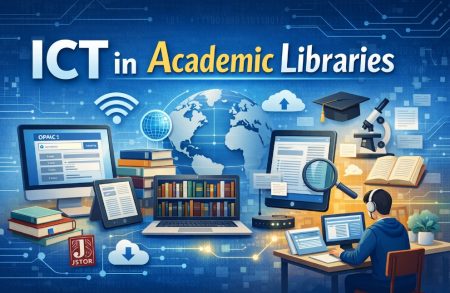
Information and Communication Technology (ICT) ‘s role in providing library services has transformed how libraries operate and serve their users. Information and Communication Technology has revolutionized access to information by enabling digital libraries, online databases, and electronic resources, expanding the reach and availability of knowledge. With ICT tools and systems, libraries can efficiently manage their collections, enhance information retrieval, and provide personalized services tailored to individual user needs. ICT facilitates collaborative learning and research through online platforms, virtual meeting spaces, and interactive tools. Information and Communication Technology also supports remote access to library services, empowering users to engage with resources and assistance from anywhere at any time.
Information and Communication Technology (ICT) is vital in providing library services, revolutionizing how libraries function, and transforming the user experience. Here are some key roles that ICT plays in library services:
- Enhanced Access to Information: ICT enables libraries to provide seamless access to various information resources. Digital libraries, online databases, and electronic resources allow users to search, retrieve, and access information remotely, breaking down geographical barriers and providing round-the-clock access to knowledge.
- Efficient Information Retrieval: ICT tools and systems facilitate efficient library information retrieval. Online catalogs, search engines, and discovery platforms enable users to locate and access needed materials quickly. Advanced search features, filters, and recommendation algorithms enhance the accuracy and relevancy of search results, helping users find the most appropriate resources quickly.
- Digital Preservation and Archiving: ICT allows libraries to preserve and archive valuable digital content, ensuring long-term access and preservation of cultural heritage. Digital preservation techniques, metadata standards, and digitization efforts ensure that important documents, manuscripts, images, and multimedia resources are stored and made available for future generations.
- Collaborative Learning and Research: ICT facilitates collaborative learning and research within libraries. Online communication tools, virtual meeting spaces, and collaborative platforms enable users to engage in group projects, share resources, and collaborate with peers and experts. This fosters a vibrant learning community and promotes knowledge exchange and collective learning.
- Personalized Services and Recommendations: ICT enables libraries to provide personalized services and recommendations based on user preferences and behavior. User profiles, borrowing histories, and data analytics help libraries understand user needs and interests, allowing them to offer customized recommendations, curated reading lists, and tailored services, enhancing the overall user experience.
- E-Learning and Digital Literacy: ICT supports e-learning initiatives within libraries, providing access to online courses, educational resources, and interactive learning platforms. Libraries can offer digital literacy programs and training sessions to help users develop essential skills for navigating and utilizing digital information resources effectively.
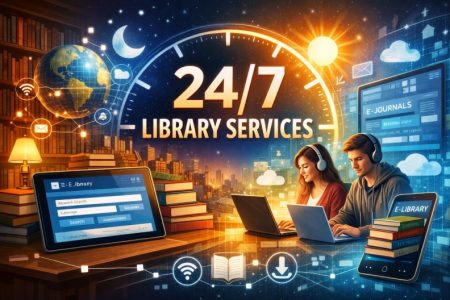
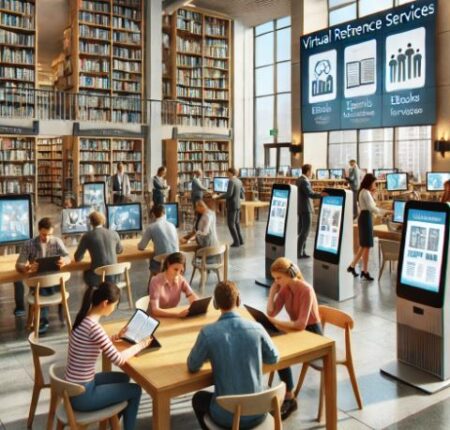
- Remote and Mobile Services: ICT enables libraries to extend their services beyond the physical space. Mobile applications, virtual reference services, and online chat support allow users to seek assistance, access resources, and engage with library services from anywhere at any time. This flexibility ensures that users can connect with library services conveniently and conveniently.
- Data Management and Analytics: ICT assists libraries in managing and analyzing data related to library operations, usage statistics, and user behavior. Data management systems and analytics tools provide insights into resource utilization, user preferences, and trends, enabling libraries to make data-informed decisions, optimize resource allocation, and improve service offerings.
ICT is crucial in providing library services, enabling enhanced access to information, efficient information retrieval, digital preservation, collaborative learning, personalized services, remote access, and data-driven decision-making. Embracing ICT empowers libraries to evolve and meet the changing needs of their users in the digital age.
1.2 Benefits of ICT in Libraries
Integrating Information and Communication Technology (ICT) in libraries has brought about many benefits, transforming how libraries function and improving the services they provide. One of the key advantages of ICT in libraries is enhanced access to information. Through digital libraries, online databases, and electronic resources, users can retrieve vast information from anywhere and anytime, breaking down geographical barriers and expanding knowledge accessibility. ICT also streamlines library operations, automating tasks such as cataloging, circulation, and inventory management, leading to improved efficiency and more time for librarians to focus on user services and support. Furthermore, ICT enables efficient information organization and retrieval, making it easier for users to find relevant resources through online catalogs, search engines, and metadata management systems. The preservation of cultural heritage is another significant benefit of ICT in libraries, as digitization efforts and digital archiving ensure the long-term preservation and accessibility of rare manuscripts, photographs, and other valuable materials. Collaborative learning and research are facilitated through ICT tools, allowing users to collaborate remotely, share resources, and engage in group projects, fostering a vibrant community of learners and researchers. Personalized services and recommendations are made possible with ICT, as user profiles, borrowing histories, and analytics enable librarians to deliver customized recommendations and tailored assistance, enhancing the user experience. ICT also extends library services beyond the physical space through mobile applications, online databases, and virtual reference services, enabling users to access resources and support remotely. Lastly, ICT empowers libraries with data analytics capabilities, allowing them to collect and analyze data on resource usage, user behavior, and trends, enabling data-driven decision-making for improved services and operations. In summary, the benefits of ICT in libraries encompass enhanced access to information, improved efficiency, efficient information retrieval, preservation of cultural heritage, collaborative opportunities, personalized services, remote access capabilities, and data-driven decision-making, all contributing to an enriched and effective library experience.
1.3 Needs of ICT in the Library.
The integration of Information and Communication Technology (ICT) is an indispensable force shaping the future of libraries. Gone are the days when libraries were mere repositories of printed books; today, they stand at the forefront of technological integration, adapting to the digital age and meeting the diverse needs of their users. The needs of ICT in the library reflect a fundamental shift towards a more dynamic, interconnected, and user-centric approach to information services. From digitizing vast reservoirs of information to automating complex administrative processes, ICT empowers libraries to transcend physical constraints and offer a comprehensive array of resources and services. Online catalogs, digital preservation strategies, and collaborative learning spaces underscore the transformative impact of ICT, turning libraries into interactive hubs catering to a tech-savvy society’s demands. This paradigm shift extends beyond the mere digitization of content; it encompasses a holistic reimagining of the library’s role in fostering information literacy, community engagement, and lifelong learning.
Information and Communication Technology (ICT) plays a crucial role in modern libraries, enhancing their efficiency, accessibility, and effectiveness. Here are some key needs and benefits of ICT in libraries:
- Digital Resources and Databases: ICT in libraries facilitates seamlessly incorporating digital resources and databases. Traditional bookshelves now share space with vast online repositories of e-books, e-journals, and multimedia content. This transition broadens the scope of available materials and enables users to access information from anywhere, transcending physical space limitations.
- Online Catalogues and Search Tools: Gone are the days of flipping through card catalogs; ICT has ushered in the era of online catalogs and advanced search tools. Users can navigate through a treasure trove of resources with a few keystrokes, exploring catalogs that are not just directories but interactive gateways to knowledge. The convenience of online catalogs enhances user experience and accessibility, making the library a 24/7 resource.
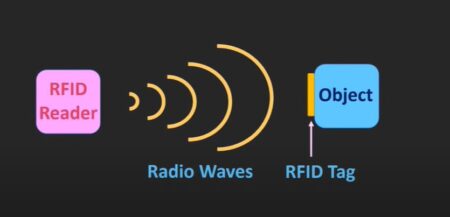
- Automation of Library Processes: Library automation, a key need met by ICT, has revolutionized the mundane tasks of librarians. From cataloging to circulation management, automation reduces human error, saves time, and allows library staff to focus on more strategic aspects of their roles. Barcoding and RFID technologies, for instance, automate the checkout and check-in process, streamlining operations.
- Digital Preservation: Preserving digital content becomes paramount as libraries transition into the digital realm. ICT is pivotal in digital preservation strategies, ensuring that valuable resources are archived and accessible for future generations. This includes safeguarding against data corruption, maintaining file integrity, and adopting standards that stand the test of time.
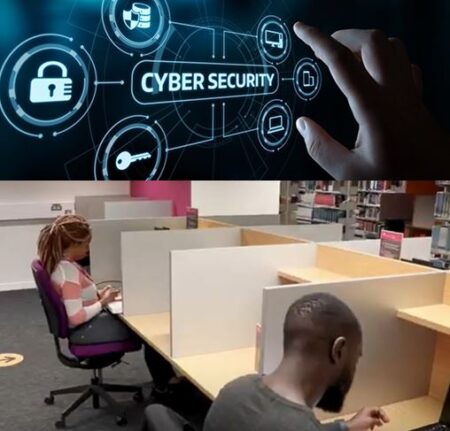
- Internet Access and Public Computing: Libraries serve as community hubs, and ICT provides the gateway to the digital world for many. Public computing facilities and internet access in libraries bridge the digital divide, offering opportunities for research, job searches, and online education to those who may not have such resources at home. These initiatives contribute to a more inclusive and empowered society.
- Learning and Collaboration Spaces: Modern libraries embrace ICT to create dynamic learning and collaboration spaces. Equipped with interactive displays, video conferencing tools, and collaborative software, these spaces foster group work, presentations, and discussions. They embody the evolution of libraries into not just repositories but active participants in the learning journey of their users.
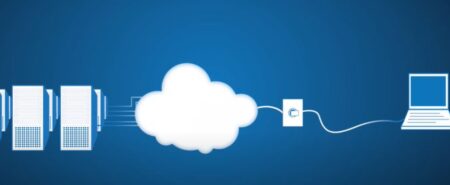
- Remote Access and Virtual Services: The need for remote access to library resources has been underscored recently. ICT enables libraries to extend their services beyond physical boundaries, offering virtual access to digital materials, online programs, and interactive services. This flexibility ensures that users can benefit from library resources regardless of location.
- Library Management Systems (LMS): Library Management Systems powered by ICT are the backbone of efficient library operations. These systems oversee acquisitions, cataloging, circulation, and reporting, providing a comprehensive solution for managing library resources. LMS enhances the administrative capabilities of libraries, resulting in streamlined workflows and improved user experiences.
- User Education and Training: ICT facilitates user education programs, helping patrons navigate the digital landscape and develop information literacy skills. Libraries utilize technology to conduct workshops, webinars, and training sessions, empowering users to make the most of digital resources and fostering a technologically literate community.
In conclusion, integrating ICT in libraries is not just a modernization trend but a strategic response to the needs of a digitally-driven society. Once confined to books, libraries have become dynamic entities embracing technology to enhance user experiences, expand accessibility, and play a central role in community development. The needs met by ICT in libraries underscore its transformative power, ensuring that these invaluable institutions continue to evolve in step with the information age. As libraries increasingly become hubs of digital resources, virtual services, and collaborative spaces, they affirm their position as indispensable pillars of knowledge dissemination and community engagement.
1.4 How has the integration of ICT transformed traditional library services?
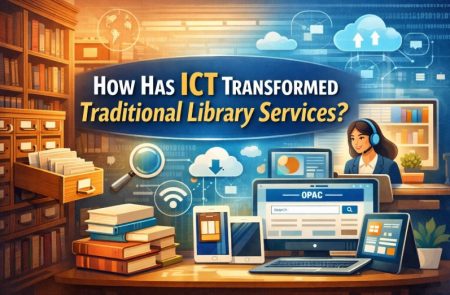
Information and Communication Technology (ICT) integration has orchestrated a profound metamorphosis within traditional library services, ushering in unprecedented change and innovation. Once synonymous with quiet aisles of dusty books, libraries have evolved into dynamic hubs where technology seamlessly intertwines with the age-old knowledge dissemination mission. The transformation is visible on multiple fronts, from digitizing vast literary collections and establishing online catalogs to automating administrative processes, creating a more efficient and user-centric environment. ICT has not merely complemented traditional library services; it has revolutionized them, expanding accessibility, fostering collaborative learning spaces, and redefining the very essence of librarianship in the digital age. This integration is not a mere adaptation to contemporary trends but a strategic response to the evolving needs of a society that increasingly relies on technology for information access and dissemination. As we explore the multifaceted ways in which ICT has reshaped traditional library services, it becomes apparent that this convergence is not just a modernization effort but a reimagining of the library’s role, ensuring its continued relevance and significance in the ever-changing landscape of information and technology.
Integrating Information and Communication Technology (ICT) has brought about a profound transformation in traditional library services, revolutionizing how information is accessed, managed, and disseminated. Here are several key ways in which ICT has reshaped and enhanced traditional library services:
- Digitalization of Collections: The digitalization of library collections represents a seismic shift from physical to digital formats. Libraries invest in scanning and conversion technologies to convert books, manuscripts, and other materials into electronic formats. This not only preserves aging materials but also expands accessibility. Users can now access rare manuscripts, historical documents, and out-of-print books from the comfort of their homes, transcending the limitations of physical location and opening up a world of information previously confined to the library walls.
- Online Catalogs and Search Tools: Online catalogs and advanced search tools have revolutionized how users interact with library resources. These tools leverage ICT to provide a user-friendly interface, facilitating seamless exploration of library collections. Advanced search algorithms enable precise queries, helping users locate relevant materials efficiently. Real-time updates ensure that the catalog reflects the current state of the library’s holdings, providing users with accurate and timely information.
- Automation of Library Processes: Library automation through ICT optimizes various operational aspects, enhancing efficiency and reducing manual workload. Cataloging, circulation, and inventory management benefit from automation, minimizing errors and streamlining workflows. This efficiency translates into quicker response times for user requests, improved resource utilization, and the ability of library staff to focus on more strategic initiatives, such as community engagement programs and specialized services.
- Internet Access and Public Computing: Library ICT infrastructure extends beyond collections, offering patrons access to the Internet and public computing facilities. This democratization of technology ensures that individuals, irrespective of socioeconomic status, can leverage online resources for research, education, and personal development. Public computing terminals provide a gateway for job searches, online education, and various digital services, fostering digital inclusion within the community.
- Digital Preservation: Digital preservation strategies implemented by libraries involve using ICT to safeguard digital assets. This includes employing redundant storage systems, periodic data integrity checks, and migration to new formats as technology evolves. Digital preservation ensures that valuable digital resources remain accessible and intact over time, addressing concerns related to format obsolescence and technological advancements.
- Learning and Collaboration Spaces: Modern libraries leverage ICT to create dynamic learning environments. Interactive displays, multimedia resources, and collaborative software transform libraries into active spaces for group discussions, project work, and presentations. These spaces encourage collaborative learning, enhancing the overall educational experience for library patrons. Technology integration in these areas reflects the evolving nature of education and the importance of technology in facilitating collaborative knowledge creation.
- Remote Access and Virtual Services: The advent of ICT allows libraries to extend their reach beyond physical constraints. Through remote access and virtual services, libraries allow users to access digital resources, participate in online events, and engage with library services from anywhere. This flexibility accommodates diverse user needs, including those who may be physically distant from the library but still wish to benefit from its resources and programs.
- Library Management Systems (LMS): Library Management Systems powered by ICT streamline core library functions. These systems integrate acquisitions, cataloging, circulation, and reporting into a cohesive platform. LMS enhances the efficiency of library operations by providing a centralized database for managing diverse aspects of library services. This integration ensures a seamless and organized approach to handling many tasks associated with running a modern library.
- User Education and Information Literacy Programs: ICT is pivotal in user education and information literacy programs. Libraries use technology to conduct workshops, webinars, and training sessions on navigating digital resources, evaluating information critically, and understanding technology tools. These programs empower users to harness the power of digital information effectively, fostering a digitally literate community capable of navigating the complexities of the information age.
- Integration of E-Learning and Online Resources: Libraries leverage ICT to integrate e-learning platforms and online educational resources into their services. This includes offering online courses, webinars, and interactive educational content. The integration of e-learning not only expands the educational offerings of libraries but also aligns them with the changing preferences of users who seek flexible and digital learning opportunities.
The integration of ICT has propelled libraries into a digital renaissance, transforming them from static repositories into dynamic and technology-enabled hubs. From digitizing collections to fostering collaborative learning spaces, ICT has redefined the traditional role of libraries, ensuring their continued relevance in the ever-evolving landscape of information and technology. As libraries embrace this digital transformation, they preserve the essence of knowledge and pioneer new ways for communities to engage with information, fostering a future where libraries remain vital cornerstones of learning, innovation, and community connection.
Reference Article:
- K.m, P. (2018). Use of ict resources and services at state university libraries in Gujarat a study. Retrieved from: http://hdl.handle.net/10603/247168

2 Comments
Thanks for the work you provide, it is really good work and it has helped me in many of my researches and course works, I would like you to continue posting such work because it too helpful to us as students and researchers…..Thanks alot
It really building my level of confidence especially exposure