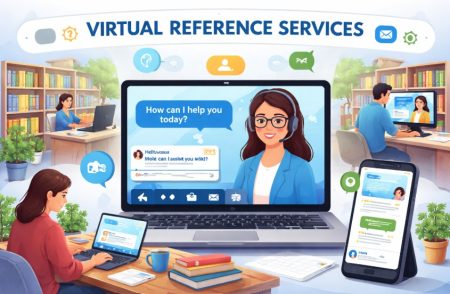
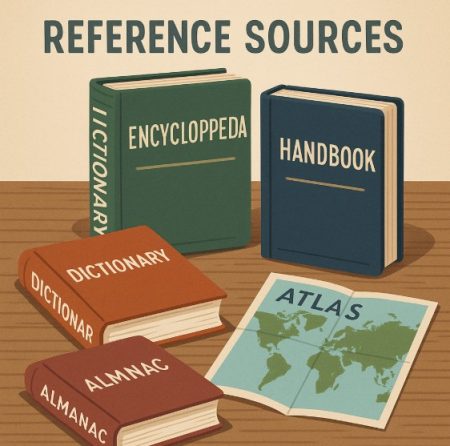
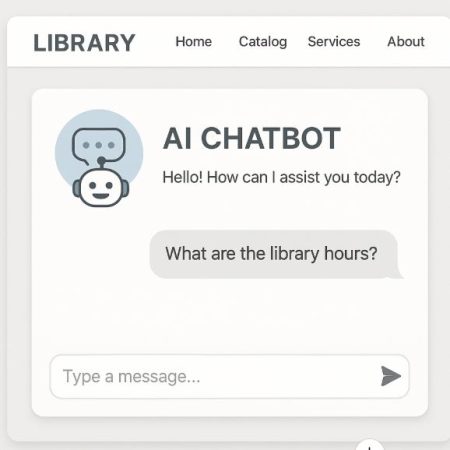
Reference assistance is a vital service provided by libraries to support patrons in finding the information they need for academic, personal, or professional purposes. This service typically involves librarians or trained staff helping users navigate the library’s resources, whether they are looking for books, journal articles, databases, or other types of information. For example, a librarian may help a student find peer-reviewed articles on a specific topic using an academic database like JSTOR or help a faculty member locate a rare book in the library’s special collections. Reference assistance is not limited to the physical space of the library; it extends to virtual platforms, where librarians help users through email, chat, or video calls. Many libraries, for instance, offer a “chat with a librarian” feature on their website, allowing users to get real-time help without visiting the library in person.
The role of reference assistance goes beyond simply answering questions. Librarians offer guidance on how to conduct effective research, evaluate sources, and use various library tools and databases. For instance, if a user is unsure about how to search for scholarly articles on a topic like climate change, the librarian might demonstrate how to use specific keywords or search filters to refine results. By assisting users in this way, reference services contribute significantly to the learning process, ensuring that patrons can access, understand, and utilize the information necessary for their academic and research endeavors.
Whether it’s helping students find research papers, aiding faculty in accessing specialized journals, or assisting general library users in finding the right resources, reference assistance plays a key role in enhancing the overall library experience. For example, a librarian may assist a graduate student by explaining citation management tools like Zotero or Mendeley to streamline their research process, or they might help a first-year student become familiar with the library’s catalog system to find books for their coursework.
What is Reference Assistance?
Reference assistance is a core service provided by libraries to help patrons locate, evaluate, and use information effectively. It involves librarians or trained staff offering personalized guidance to users, whether they are looking for specific books, scholarly articles, research papers, or other types of resources. This assistance is not just about answering direct questions but also about teaching patrons how to conduct effective research, navigate library systems, and use various digital tools and databases. For example, a librarian may guide a student in finding academic articles on a particular subject using a specialized database like PubMed or JSTOR, or help a researcher locate historical documents in a library’s archival collection.
Reference assistance can be provided in various formats, from face-to-face interactions at the reference desk to remote assistance via email, chat, or video consultations. This flexibility allows users to access help based on their needs and preferences. In addition, reference services are not limited to helping with immediate queries; they also focus on building long-term research skills, such as understanding citation management or learning how to evaluate the credibility of sources. Overall, reference assistance plays a vital role in ensuring that library users can successfully find, understand, and utilize the wealth of information available to them.
How Reference Assistance Helps Library Users with Their Information Needs
Libraries are vital hubs of knowledge, offering an extensive array of resources that can meet the diverse information needs of their users. However, with the vast amount of materials available, finding the right information can be a daunting task. This is where reference assistance comes into play. Reference assistance is a critical service provided by libraries that helps users effectively navigate the complex world of information resources. Through personalized guidance and expert support, reference assistance ensures that library users can access, evaluate, and utilize the information they need for academic, professional, or personal purposes.
- Personalized Guidance in Information Retrieval: One of the primary ways reference assistance supports users is by offering personalized guidance on how to locate specific information. Libraries hold vast collections of books, journals, articles, and digital resources, all of which can be overwhelming for someone unfamiliar with the system. Reference librarians are trained to understand the intricacies of these collections and are skilled in helping users narrow down their search to find the most relevant resources. For example, a student working on a research paper about climate change may not know where to begin. A reference librarian would help the student identify relevant databases, such as those focusing on environmental science, and guide them on how to search using the correct keywords and filters. This tailored support not only helps users find the materials they need but also saves them valuable time by pointing them in the right direction.
- Teaching Information Literacy Skills: Reference assistance goes beyond simply answering questions; it also serves as a teaching tool to help users develop essential information literacy skills. Information literacy is the ability to find, evaluate, and use information effectively. Librarians assist in equipping users with these skills by showing them how to search for and assess resources independently. For instance, a librarian might demonstrate how to use Boolean operators and advanced search techniques to refine search queries in academic databases. Additionally, they might teach users how to evaluate the reliability and credibility of sources, an increasingly important skill in today’s information-rich environment. This type of instruction empowers users to become more self-sufficient in their research and enhances their ability to critically assess the information they encounter in the future.
- Accessing Specialized Databases and Digital Resources: Another important aspect of reference assistance is its role in helping users access specialized databases and digital resources that may be difficult to navigate without expert support. Many libraries offer access to databases that contain peer-reviewed articles, e-books, and other specialized content not readily available on the open web. These resources are invaluable for students, researchers, and faculty members, but they can be challenging to use effectively without guidance. Reference librarians can help users locate and utilize these resources, ensuring they can access high-quality, scholarly information. Whether it’s a researcher needing access to journal articles in a field like psychology or a student trying to find e-books for a course, reference assistance ensures that library users are able to take full advantage of the library’s digital offerings.
- Remote and Digital Assistance: In today’s increasingly digital world, reference assistance is not confined to in-person interactions. Many libraries now provide virtual reference services, enabling users to receive support regardless of their location. These services may include live chat, email consultations, or even video calls. This flexibility is particularly important for users who cannot visit the library physically, such as online learners, remote researchers, or those with mobility challenges. For instance, a graduate student conducting research from another country can still access the library’s resources and receive reference assistance via email or video chat. This remote support ensures that library users continue to receive the help they need, even when they are not physically present in the library building.
- Assisting with Research Projects and Academic Success: Reference assistance is also instrumental in helping users with the overall research process. Librarians are often experts in their fields and can provide valuable insight into the research process itself. Whether it’s helping a student structure a literature review, find sources to support an argument, or format citations correctly, reference assistance can make a significant difference in the quality of a research project. For example, if a faculty member is conducting research for a new academic paper, a librarian may help them locate specialized journals or datasets that are crucial to their work. The expertise of reference librarians ensures that users find accurate and relevant information and helps them produce high-quality research.
Reference assistance is an essential service that helps library users navigate the wealth of resources available to them. Through personalized guidance, teaching information literacy skills, assisting with specialized databases, and offering remote support, reference librarians empower users to access the information they need with confidence. This service is crucial in fostering independent research skills, improving academic success, and ensuring that library users make the most of the vast array of resources available to them. Whether a user is conducting academic research, looking for professional materials, or simply satisfying personal curiosity, reference assistance plays a key role in ensuring that their information needs are met effectively and efficiently.
Why Reference Assistance is Important for Library Users
Reference assistance is crucial for library users because it helps them effectively navigate the vast array of information and resources available in a library. Libraries house a wealth of materials, ranging from books and journals to specialized databases and digital archives, all of which can be overwhelming for users who are unfamiliar with how to locate or access them. Reference assistance, provided by trained librarians or library staff, simplifies this process by offering expert guidance tailored to the user’s specific needs. Whether it’s helping a student find research papers, assisting a faculty member in accessing specialized resources, or guiding a community member to relevant information, reference assistance ensures that patrons can quickly and efficiently locate the materials they need.
In addition to helping users find specific information, reference assistance plays a key role in developing users’ research skills. Librarians teach patrons how to conduct effective searches, refine search strategies, and evaluate the quality of sources, empowering users to become more independent in their research. These information literacy skills are valuable for academic success and lifelong learning, as users are equipped with the tools to evaluate and make sense of the information they encounter in various contexts. Reference assistance also supports access to specialized library resources that go beyond what is easily accessible through general search engines. Librarians can help users navigate these resources, ensuring they access high-quality, scholarly, or rare materials that might otherwise be difficult to locate.
Furthermore, the flexibility of reference assistance is increasingly important in today’s digital world. Many libraries offer remote reference services through email, live chat, or video consultations, ensuring that users, including distance learners or remote researchers, can receive support without visiting the library in person. This convenience makes it easier for library users to access expert help, regardless of location.
What Types of Help Are Typically Included in Reference Assistance?
Reference assistance in libraries is a core service that plays a pivotal role in supporting users with their information needs. This service encompasses a wide range of help provided by librarians and library staff, from finding specific resources to developing research skills. Reference assistance is tailored to meet the diverse needs of library users, whether they are students, faculty, researchers, or community members. The types of help typically included in reference assistance span several areas, all aimed at enhancing a user’s ability to find, evaluate, and use information effectively.
- Locating and Accessing Library Resources: One of the primary services provided through reference assistance is helping users locate and access materials within the library’s collection. Libraries house vast amounts of information, including books, journals, e-books, databases, and other academic resources. For many users, particularly those unfamiliar with the library’s catalogue system, finding the right resource can be challenging. Reference librarians assist by guiding patrons in searching for books, articles, or other materials using the library’s catalogue or specialized databases. For example, a student might need to find a specific article in an academic journal, and a reference librarian would guide them through the process of searching an online database like JSTOR or ScienceDirect. This type of assistance ensures that users are able to access the materials they need without unnecessary frustration or delay.
- Teaching Information Literacy Skills: Reference assistance is not limited to simply answering questions about where to find information; it also includes teaching users valuable research skills. Librarians help users develop information literacy skills, which are crucial for identifying, evaluating, and using information effectively. For instance, a reference librarian might teach a student how to refine their search strategies by using Boolean operators or advanced search features to narrow down search results. They might also explain how to assess the credibility and relevance of sources, an essential skill in academic and professional settings. By providing this kind of training, librarians empower users to become more self-sufficient and capable researchers, ensuring that they can find and use reliable information in the future.
- Providing Access to Specialized Databases and Resources: In addition to guiding users in locating basic resources, reference librarians assist with accessing specialized databases and digital resources that may not be easily found through general search engines. Many academic libraries provide access to subscription-based databases that offer scholarly articles, research papers, and other specialized content. Reference librarians are experts in navigating these resources and can help users identify and access the most relevant materials for their research. For example, a faculty member working on a research project might need to access a specific database related to social sciences. A librarian would help them locate and navigate the database to find relevant articles and publications that might not be readily available elsewhere.
- Assisting with Citation and Referencing: Another key component of reference assistance is helping users with citation and referencing. Proper citation is essential for academic writing, and many users seek help when they are unsure how to cite a source correctly or format a bibliography. Librarians are well-versed in citation styles such as APA, MLA, Chicago, and others, and can guide users in formatting their references accurately. Reference assistance often includes helping users with citation management tools like Zotero or EndNote, which help organize and format references. By providing this support, librarians ensure that users maintain academic integrity and produce work that adheres to scholarly standards.
- Providing Research and Topic Guidance: Reference assistance also includes helping users develop their research projects or refine their research topics. Librarians can guide users in selecting a research topic, especially when users are unsure of how to narrow down a broad subject. For example, a student might have a general idea for a research paper but not know how to focus it. A reference librarian can suggest ways to narrow the topic, recommend relevant resources, and offer advice on research methodologies. This type of help is especially valuable for students working on academic papers or projects, as it provides structure and direction at the early stages of research.
- Offering Remote Assistance: In today’s digital age, reference assistance often extends beyond in-person interactions. Many libraries offer virtual reference services, which allow users to receive help from a librarian without needing to be physically present in the library. This can include live chat services, email consultations, or even video calls. Remote reference assistance is particularly valuable for users who may not be able to visit the library in person, such as distance learners, remote researchers, or people with mobility issues. By providing virtual support, libraries ensure that all users, regardless of location, can access expert guidance.
- Supporting Specialized User Groups: Reference assistance also includes providing tailored support for specific user groups, such as students, faculty, researchers, and the general public. For example, a librarian might offer specialized assistance to graduate students who need help navigating complex academic databases or to a faculty member seeking assistance with a grant proposal. Similarly, librarians may offer support to members of the community looking for local resources or information on a specific subject. By addressing the unique needs of different groups, reference services ensure that all patrons receive the assistance that is most relevant to their goals.
Reference assistance encompasses various services designed to help library users access, evaluate, and use information effectively. From locating resources and teaching information literacy skills to providing specialized support and remote assistance, reference librarians are vital in facilitating the research process and empowering users to become independent, capable researchers. The guidance and expertise offered through reference assistance help users meet their immediate information needs and equip them with the skills and tools necessary for long-term success in their academic and professional pursuits.
What Are the Main Responsibilities of Reference Librarians in Providing Assistance?
Reference librarians are integral to the success of library services, providing expert guidance and assistance to users in navigating the wealth of resources available within the library. Their primary responsibility is to help patrons access the information they need for academic, personal, or professional purposes. Reference librarians play a crucial role in ensuring that users can locate, evaluate, and utilize library resources efficiently, while also fostering information literacy skills that empower users to become independent researchers. The following are the main responsibilities of reference librarians in providing assistance.
- Helping Users Locate Information: One of the core responsibilities of reference librarians is assisting users in locating specific information within the library’s vast collection of books, journals, databases, and digital resources. Libraries house an extensive range of materials, and without expert guidance, users may struggle to find the resources they need. Reference librarians are trained to navigate library catalogues and specialized databases, enabling them to provide tailored assistance. For example, if a student is looking for a particular academic article, the reference librarian can guide them through the library’s online databases, such as JSTOR or PubMed, helping them refine search strategies and locate relevant sources.
Librarians also help users access physical materials, like books and archival documents. If a user is searching for a book, a librarian can guide them through the library’s catalog, helping them locate the book’s exact location and assist with checking it out. This type of personalized guidance ensures that library patrons are able to access the information they need without wasting time searching through resources inefficiently. - Teaching Information Literacy Skills: Another vital responsibility of reference librarians is teaching users essential information literacy skills. Information literacy involves the ability to identify, locate, evaluate, and use information effectively. Librarians play an educational role by helping users develop these critical skills. For example, reference librarians teach users how to conduct advanced searches, use specific keywords or Boolean operators, and utilize the various tools available through library databases. By teaching these techniques, librarians empower users to become more self-sufficient in their research efforts, ensuring they can navigate the increasingly complex world of information on their own.
Additionally, reference librarians help users evaluate the credibility and relevance of sources. In today’s digital age, where misinformation is prevalent, the ability to critically assess the quality of information is essential. Librarians guide users on how to discern reliable sources from unreliable ones, particularly when it comes to online resources. This support helps users make informed decisions about the information they use, whether for academic research, personal projects, or professional development. - Providing Specialized Research Assistance: Reference librarians are also responsible for providing specialized research assistance to users working on advanced or specific topics. Many library users, including faculty and researchers, require access to specialized resources and databases that are not readily available through general search engines. Reference librarians are experts in navigating these specialized tools and databases, ensuring that users can access high-quality, scholarly materials. For instance, a faculty member conducting research on a particular topic may need assistance accessing specialized academic journals or datasets, and the librarian can guide them through these processes.
In addition, reference librarians assist with the research process itself. They may offer guidance on structuring research projects, formulating research questions, and narrowing down broad topics to more focused areas. Their expertise ensures that users can produce thorough and well-organized research, which is essential for academic success. - Assisting with Citation and Referencing: An important part of reference librarians’ responsibilities is assisting users with citation and referencing. Proper citation is essential in academic and professional work to ensure credit is given to original sources and to avoid plagiarism. Reference librarians are familiar with various citation styles, such as APA, MLA, Chicago, and more, and can guide users in citing their sources correctly.
Librarians also help users with citation management tools, such as Zotero and EndNote. These tools help users organize their references, generate citations, and create bibliographies with ease. By offering assistance with citations and references, librarians ensure that users maintain academic integrity in their work and produce documents that adhere to scholarly standards. - Providing Remote Assistance: In the modern, digital world, reference librarians are increasingly tasked with providing remote assistance to users who may not be able to visit the library in person. Many libraries offer virtual reference services, such as live chat, email consultations, or video calls, allowing users to receive support from librarians regardless of their physical location. This service is particularly important for distance learners, online students, or researchers working remotely.
By offering virtual reference services, librarians extend their expertise beyond the physical walls of the library, making it possible for users to access expert guidance wherever they are. Remote assistance ensures that library users can still receive high-quality support, whether they are conducting research, seeking help with database searches, or requiring general information. - Promoting Library Resources and Services: In addition to directly assisting users, reference librarians are responsible for promoting the library’s resources and services. They inform users about the various tools, databases, and services available through the library, ensuring that patrons are aware of the full range of support the library offers. This might involve conducting library tours, hosting workshops, or creating guides that highlight how to use library resources effectively. By promoting these resources, librarians help users make the most of the library’s offerings, ensuring that the library remains an essential part of their academic and research activities.
The responsibilities of reference librarians are vast and multifaceted, with a primary focus on assisting users in accessing, evaluating, and using information effectively. From guiding users in locating resources and teaching information literacy skills to providing specialized research assistance and helping with citation management, reference librarians are key to ensuring the success of library users. Their expertise helps users become independent researchers and ensures that the library remains a valuable resource for learning, research, and discovery. Whether in person or remotely, reference librarians provide essential support that enhances the library experience and promotes academic success.
Common Methods and Tools Used in Reference Assistance
Reference assistance is a vital service provided by libraries to help users navigate and effectively utilize the wealth of information available. Librarians employ a variety of methods and tools to assist patrons, ranging from traditional in-person interactions to advanced digital platforms. One of the most common tools used is the library catalogue, which helps users locate books, journals, e-books, and other resources within the library’s collection. Librarians guide users on how to search effectively, use filters, and find relevant materials through the catalogue, ensuring they can access what they need efficiently. In addition to the catalogue, reference librarians also help patrons navigate specialized online databases like JSTOR, PubMed, and ProQuest, which provide access to academic articles, journals, and other scholarly materials not easily found through general search engines. These databases are essential for users engaged in in-depth academic research, and librarians offer guidance on using advanced search techniques, such as Boolean operators, to refine search results.
Another important tool in reference assistance is citation management software like Zotero, EndNote, and Mendeley. These tools help users organize, format, and generate citations and bibliographies, ensuring that academic work adheres to the proper citation styles. Librarians often provide training on how to use these tools effectively, saving users time and helping them avoid errors in their citations. Reference assistance also extends to virtual platforms, such as “Ask-a-Librarian” services, which allow users to receive real-time support via live chat, email, or video consultations. This is particularly useful for distance learners or users unable to visit the library in person, ensuring they still have access to expert help no matter where they are located. Many libraries also offer instructional resources like LibGuides, curated guides on specific topics, and online tutorials that teach users how to conduct effective research, use databases, and manage citations. These resources allow users to learn independently and enhance their research skills.
In addition to these tools, reference librarians often conduct in-person consultations at the reference desk, where they provide direct, personalized assistance to users. Whether helping with a research project, locating specific materials, or teaching search strategies, these face-to-face interactions are an essential part of reference assistance. Furthermore, many libraries offer workshops and instructional sessions on topics like database navigation, research methodologies, and citation management. These sessions provide users with valuable skills that they can apply to their academic or professional work. In today’s digital age, libraries also engage with users through social media platforms, providing quick answers and informal support. Overall, the diverse methods and tools used in reference assistance ensure that library patrons can access the resources they need, improve their research skills, and receive personalized guidance to enhance their academic and professional success.
How Library Users Can Access Reference Assistance
Accessing reference assistance is an essential part of navigating library resources effectively, and libraries offer multiple avenues for users to receive support. Whether on-site or remote, these channels ensure that all patrons, whether students, faculty, or the general public, can obtain the help they need to find and use information. The primary methods for accessing reference assistance include in-person interactions, online services, and email support, each tailored to suit different user preferences and needs.
- In-Person Assistance: One of the most traditional and widely available methods for accessing reference assistance is through in-person consultations at the library. Reference desks are typically staffed by knowledgeable librarians who are available to assist users with a variety of information needs. Whether a patron is looking for a specific book, needs help navigating the library’s catalogue, or requires more in-depth guidance on research strategies, librarians are ready to provide personalized support. This face-to-face interaction allows users to ask detailed questions and receive immediate, direct assistance. In-person support is particularly valuable for patrons who may need more hands-on help, such as learning how to use the library’s catalogue or databases or understanding how to refine their search queries for academic research.
- Online Assistance: As libraries expand their digital services, online reference assistance has become an increasingly important method of support. Many libraries now offer real-time help via live chat, which allows users to interact with librarians from anywhere with an internet connection. Through live chat, users can ask questions about library resources, get guidance on research topics, or receive help with database navigation. This type of support is especially useful for users who may not be able to visit the library in person, such as distance learners, remote researchers, or those with time constraints.
In addition to live chat, some libraries also offer virtual reference services that allow patrons to book appointments with librarians for detailed consultations through video calls or voice chats. This option is especially beneficial for more complex research queries or when a user needs a step-by-step guide through the research process. Virtual assistance ensures that all users, regardless of their location, can receive high-quality, personalized help. - Email Support: Email support provides another valuable method for accessing reference assistance, particularly when users need time to reflect on the information they receive or when a response does not require immediate interaction. Users can email their questions to a librarian, and the librarian will typically respond with tailored advice, resource recommendations, or clarification on specific topics. Email is an ideal method for users who are working on longer-term projects and may need more detailed, thoughtful responses. It also works well for individuals who prefer written communication over real-time conversation or are working during hours when live services may not be available.
- Self-Service Resources and Guides: In addition to direct support from librarians, many libraries provide self-service resources that can assist users independently. These resources include LibGuides, which are curated, subject-specific research guides created by librarians to help users navigate specific topics, databases, or research methods. These guides often provide links to recommended resources, search strategies, and best practices for finding relevant materials. Libraries also offer tutorials and instructional videos that teach users how to use the library’s tools, conduct effective research, or cite sources properly. These self-service options are particularly helpful for patrons who may want to learn at their own pace or need assistance outside of library hours.
Libraries offer multiple methods for accessing reference assistance to ensure that users can receive the support they need, regardless of their location or time constraints. Whether through in-person consultations, online chat services, email support, or self-service resources, these options provide flexibility and accessibility. By offering a combination of real-time assistance and asynchronous support, libraries empower their users to efficiently locate and use the resources necessary for academic, professional, and personal success. With these diverse channels in place, library users can confidently access the help they need to make the most of their library experience.
Challenges Faced by Reference Librarians in Providing Assistance
Reference librarians play a crucial role in assisting library users with finding and utilizing information, helping them navigate complex library systems and access a vast range of resources. While the work of reference librarians is rewarding, it is not without its challenges. These challenges can stem from various factors, including the increasing complexity of library resources, user expectations, and the evolving nature of technology. Understanding these challenges is essential for libraries to continue providing effective and relevant reference services. Below are some of the key challenges reference librarians face in providing assistance.
- Information Overload and Complex Resource Management: One of the major challenges reference librarians face is the sheer volume and complexity of information available to library users. Modern libraries offer a vast array of resources, including books, journals, databases, digital archives, and multimedia materials. The rapid growth of digital resources and the continued expansion of online databases present a unique challenge in ensuring users can locate the most relevant and accurate information. Reference librarians must be highly skilled in navigating these diverse resources and helping users sift through large amounts of data to find specific, credible information. As library collections grow both physically and digitally, it becomes increasingly difficult for librarians to remain fully familiar with all available materials, especially as databases and online resources frequently update or change.
- User Expectations and Technology Proficiency: With the growing use of digital tools, library users now have higher expectations when it comes to the speed and efficiency of reference assistance. Many users expect immediate answers and may assume that the librarian has all the answers at their fingertips. This shift in expectations is often exacerbated by the prevalence of search engines like Google, where information is delivered instantaneously. However, providing quality reference assistance involves more than just finding an answer; it includes evaluating sources, guiding users in the research process, and teaching them valuable information literacy skills. Balancing user expectations for quick results with the need for thorough, thoughtful assistance can be challenging.
Moreover, the varying levels of technological proficiency among library users can create difficulties for reference librarians. While some users are highly skilled in navigating digital resources, others may struggle with using databases, managing citations, or understanding how to search effectively. Librarians must adjust their approach to suit the user’s level of expertise, providing more foundational support for beginners while offering advanced guidance for experienced researchers. This disparity in digital literacy adds an extra layer of complexity to reference assistance. - Resource and Time Constraints: Another challenge that reference librarians face is limited resources and time constraints. Many libraries are experiencing budget cuts or staffing shortages, which can limit the number of reference librarians available to assist users. In larger libraries or those serving large academic communities, librarians may be responsible for helping numerous patrons at once, which can reduce the amount of time they can dedicate to each individual. As a result, providing personalized, in-depth assistance to every user can become difficult. In these situations, reference librarians must find ways to manage their time effectively while still offering the best possible service. This pressure can also lead to burnout among library staff, especially if librarians are tasked with handling an overwhelming number of requests or performing additional duties.
- Adapting to Evolving Technology and Tools: The rapid pace of technological change also presents a challenge for reference librarians. As new digital tools, online databases, and research platforms emerge, librarians must continuously adapt their skills and knowledge to stay current with these developments. This is particularly challenging as libraries integrate new technologies to better serve users, such as artificial intelligence, chatbots, or virtual reference platforms. While these tools can enhance the efficiency of reference services, they also require librarians to learn new systems and technologies regularly. For instance, librarians may need to familiarize themselves with newly developed databases or learn how to troubleshoot emerging technologies, all while maintaining a high standard of user support.
Moreover, the increased reliance on remote services—such as online chat, email support, or video consultations—has added another layer of complexity. While these services offer flexibility, they also require librarians to be proficient in managing digital communication tools and handling inquiries from users who may be more challenging to assist remotely. Training staff to provide high-quality assistance via virtual platforms requires significant time and resources, further adding to the workload of reference librarians. - Diverse User Needs and Expectations: Libraries serve a wide range of users, from students and faculty members to community members and researchers, each with their unique needs and expectations. Meeting these diverse demands can be particularly challenging for reference librarians, who must tailor their approach to suit various user groups. For example, a student might need help with a specific research paper, while a faculty member may require guidance on publishing an article or obtaining funding for research. Similarly, community members might seek assistance in accessing local government information or job-search resources. The broad spectrum of queries requires librarians to possess expertise in multiple fields and adapt their assistance accordingly. This demand for specialized knowledge can be taxing, especially for librarians who may have limited expertise in specific subject areas.
- Maintaining Privacy and Confidentiality: Another ongoing challenge in reference assistance is ensuring user privacy and confidentiality. Libraries, especially academic libraries, are often tasked with managing sensitive information related to research, academic work, and personal inquiries. It is the responsibility of reference librarians to protect the privacy of users when assisting with their queries. Whether helping with research for academic papers, accessing personal library accounts, or navigating digital resources, librarians must ensure that the user’s personal data and academic work are secure. With the increasing use of online services, libraries also face the challenge of protecting privacy in digital communications, such as emails and virtual reference consultations. Maintaining confidentiality while offering helpful assistance can be a delicate balancing act.
Reference librarians face numerous challenges in providing assistance to library users. From managing complex and ever-expanding resources to balancing high user expectations, these professionals must continuously adapt to new technologies, diverse user needs, and limited resources. Despite these challenges, reference librarians remain essential to ensuring that library users can access the information they need efficiently and effectively. By helping users navigate vast information landscapes, teaching valuable research skills, and providing personalized support, reference librarians continue to be crucial assets to libraries, even as they face evolving demands and constraints.
How Reference Assistance Improves the Research Experience for Library Users
Reference assistance plays a vital role in improving the research experience for library users by offering expert guidance and support throughout the research process. One of the most significant ways reference assistance enhances the research experience is by helping users efficiently locate the resources they need. Libraries house vast amounts of information, and with so many resources available, it can be overwhelming for users to find the right materials. Reference librarians guide users through the library’s catalogue, databases, and other tools, ensuring they can access the most relevant and credible sources quickly, saving time and focusing on research rather than searching for materials. Additionally, reference librarians teach effective research strategies, such as using advanced search techniques, Boolean operators, and source evaluation, which help users refine their research methods and ensure they gather accurate, relevant information. This skill-building is essential for users to conduct thorough and effective research in the future.
Reference assistance also helps users access specialized resources that may not be easily found through general search engines. Librarians are well-versed in navigating specialized academic databases and digital archives, offering invaluable help to users searching for peer-reviewed articles or niche materials. Furthermore, citation and referencing support is a critical aspect of reference assistance. Reference librarians assist users with various citation styles, such as APA, MLA, and Chicago, ensuring that their work adheres to academic integrity standards. By also teaching users how to manage their citations using tools like Zotero or EndNote, librarians make the process of organizing and formatting references more efficient.
For more complex research questions, reference librarians offer personalized support, providing tailored advice and recommendations to help users overcome obstacles and enhance the depth of their research. Whether it’s suggesting specialized journals, guiding users through tricky research challenges, or pointing them to hard-to-find sources, librarians’ expertise helps users navigate difficulties that might otherwise hinder their progress. Additionally, many libraries now offer remote reference assistance, such as live chat, email, or video consultations, allowing users to receive help without having to visit the library in person. This is particularly beneficial for distance learners or remote researchers, making expert help more accessible to a wider audience.
Beyond immediate assistance, references help foster long-term research skills, empowering users to become more independent researchers. By teaching users how to search effectively, evaluate sources, and manage citations, reference librarians equip them with essential skills for conducting research on their own in the future. This training builds users’ confidence, enabling them to tackle research projects more effectively. Overall, reference assistance enhances the research experience by providing expert guidance, improving research skills, and ensuring that library users can successfully access and utilize the resources they need for their academic, professional, or personal pursuits.
Can Reference Assistance Be Provided Remotely or Online? If Yes, How?
Reference assistance can indeed be provided remotely or online through various methods, ensuring that users can access expert support regardless of their location. One of the most common and immediate ways is through live chat services, where libraries offer a real-time communication platform on their websites. This allows users to interact with librarians instantly, ask questions, and receive immediate help with research or resource navigation. For more complex inquiries, email support is also widely used, where users can send detailed questions to librarians and receive thoughtful responses. Email provides a convenient way for users to get help at their own pace and refer back to the information later.
In addition to these services, many libraries now offer video consultations via platforms like Zoom, allowing for more in-depth, personalized reference assistance. This method is particularly useful for users who need more extensive guidance, as librarians can walk them through the research process, share screens, and provide hands-on help. Libraries also provide remote reference assistance through online research guides (LibGuides) and instructional videos or tutorials. These resources help users learn how to use library tools, navigate databases, and conduct research independently. Self-paced online tutorials offer users the flexibility to learn at their own convenience.
Some libraries hold virtual office hours where users can schedule one-on-one consultations with librarians via video chat or instant messaging. This provides focused, personalized help, similar to in-person reference desk services. Social media and messaging platforms are also becoming more common for reference assistance. Libraries interact with users on platforms like Twitter, Facebook, or Instagram, answering quick questions and offering informal support. While these platforms are generally for less complex inquiries, they provide a fast and accessible way for users to engage with library services. Lastly, some libraries offer support through collaborative research platforms like Mendeley or Zotero, where librarians help users manage their citations, organize research, and collaborate with peers.
What Skills Do Librarians Need to Effectively Offer Reference Assistance?
Librarians need a unique set of skills to effectively offer reference assistance, combining technical expertise with interpersonal abilities. First and foremost, they must have an in-depth knowledge of library resources, including both physical collections and digital platforms. Librarians need to quickly navigate databases, catalogues, and archives to help users find the most relevant and reliable information. This requires strong research and information retrieval skills, allowing librarians to conduct thorough searches using advanced techniques like Boolean operators and filters, and evaluate the relevance and credibility of search results. With the increasing shift to digital tools, librarians must also possess technology proficiency, which includes being comfortable with library management systems, academic databases, and digital resources. As more libraries offer virtual services, librarians must be adept at assisting users via online platforms, such as email, live chat, or video consultations.
Effective communication skills are crucial in reference assistance. Librarians need to be able to explain complex concepts clearly and adapt their communication to suit the user’s level of understanding. Whether helping a novice user with basic library functions or offering advanced research techniques to an experienced scholar, librarians must adjust their approach. Problem-solving and critical thinking are also essential, as reference librarians often assist with complex or vague research queries, requiring them to devise creative solutions and guide users through their challenges. Additionally, librarians must possess strong customer service and interpersonal skills to interact with users in a friendly and professional manner, making sure they feel comfortable and supported during the research process. For this reason, reference librarians must be patient and empathetic, especially when dealing with frustrated or confused users.
Teaching and instructional skills are another key component of effective reference assistance. Librarians must teach users how to conduct research, use library tools, and evaluate sources critically, often in group settings like workshops or one-on-one sessions. These teaching skills not only help users navigate the library but also empower them to perform independent research. Given the ever-evolving nature of library resources and research methods, librarians must be adaptable and committed to lifelong learning to stay up-to-date with new technologies, tools, and research trends. This adaptability also extends to the library’s changing needs, such as the growing demand for remote services and digital resources.
Finally, cultural competence is essential for librarians, as they interact with a diverse range of users from various backgrounds and with varying levels of familiarity with library systems. Understanding the cultural and academic needs of these users ensures that librarians can offer inclusive and personalized reference assistance. In summary, reference librarians need a diverse skill set, including technical expertise, strong communication, teaching abilities, problem-solving, and a commitment to lifelong learning. These skills ensure that they can provide high-quality reference assistance, supporting users in their research and empowering them to navigate the increasingly complex world of information.