Knowledge dissemination refers to the deliberate and systematic process of distributing information, insights, and research findings to a targeted audience in a way that is accessible, understandable, and actionable. It plays a vital role in bridging the gap between knowledge producers, such as researchers, academics, and experts, and knowledge users, including policymakers, practitioners, students, and the general public. For example, when a public health research team publishes findings on the effectiveness of a new vaccination strategy, they may disseminate the information through policy briefs for government officials, infographics for public awareness campaigns, and workshops for healthcare providers. Unlike passive information sharing, dissemination involves carefully selecting the right channels, formats, and messages to ensure that the intended audience not only receives the information but is also able to apply it in meaningful ways. In educational contexts, teachers may share innovative teaching strategies through academic journals, online webinars, or professional development conferences to help other educators adopt new practices. This process is essential in various fields, including education, healthcare, public policy, and organizational management, as it enhances informed decision-making, encourages innovation, and supports evidence-based practices. In today’s information-driven society, knowledge dissemination is increasingly facilitated by digital technologies, open-access platforms, institutional repositories, and interactive communication strategies—such as podcasts, blogs, and social media—making it more dynamic and far-reaching than ever before.
What is Knowledge Dissemination?
Knowledge dissemination refers to the process of distributing and sharing information, ideas, and research findings with a target audience in a way that is understandable, accessible, and applicable. It goes beyond simply publishing or presenting knowledge; instead, it involves tailoring the message so that different groups—such as students, professionals, policymakers, or the general public—can effectively engage with and use the information. For example, when researchers publish a scientific paper on climate change, the findings may be too complex for non-specialists to interpret. By creating an infographic, a public awareness campaign, or a policy brief, the same knowledge is disseminated in ways that different audiences can grasp and apply.
This process can take multiple forms, including academic publications, workshops, conferences, training sessions, policy briefs, digital platforms, or even informal discussions. For instance, libraries and information centers disseminate knowledge by organizing seminars or offering access to digital databases. Governments may use dissemination techniques when they translate complex policy research into guidelines for health workers, such as spreading awareness about vaccination programs. Similarly, universities often hold orientation programs to ensure students understand how to access digital resources effectively.
Effective knowledge dissemination requires considering the needs and capacities of the target audience—whether that means simplifying complex scientific results for the general public or providing technical details for specialists. In today’s digital age, social media platforms, online repositories, webinars, and institutional websites have become powerful tools for broad and rapid dissemination, allowing knowledge to travel across geographical and institutional borders instantly. For example, during the COVID-19 pandemic, organizations like the World Health Organization (WHO) used both formal reports for governments and simplified graphics for the general public to ensure vital health information reached everyone.
By making knowledge widely available and usable, dissemination plays a critical role in advancing education, supporting decision-making, improving practices, and driving innovation in various fields. Without effective dissemination, valuable knowledge risks remaining confined within academic or institutional boundaries, limiting its potential to create positive societal impact.
Knowledge Dissemination vs. Knowledge Sharing
Knowledge dissemination and knowledge sharing are closely related concepts, but they differ in purpose, method, and interaction. Knowledge dissemination refers to the systematic process of distributing knowledge to a wide audience, usually from a single source to multiple recipients. It is often structured, targeted, and more one-directional in nature. Dissemination commonly takes place through formal channels such as academic publications, policy briefs, research reports, training workshops, or awareness campaigns. For example, a government health department may disseminate information about a new vaccination program using brochures, websites, and public announcements. In academia, researchers disseminate their findings through journals or conference presentations. The main objective is to ensure that knowledge reaches the right audience in a usable and accessible form, though the interaction between sender and receiver may remain limited.
On the other hand, knowledge sharing is an interactive and collaborative process where individuals or groups exchange information, experiences, and insights. Unlike dissemination, it emphasizes dialogue, mutual understanding, and a two-way flow of knowledge. Knowledge sharing is often informal and community-driven, taking place in workplaces, academic settings, and professional or social networks. For instance, colleagues might share best practices during meetings, or academics might exchange teaching strategies in workshops. Online platforms such as discussion forums or professional networks also provide opportunities for knowledge sharing, allowing people to learn from one another’s experiences and collectively refine ideas.
The fundamental difference lies in the direction and level of interaction. Dissemination is about spreading knowledge in a structured, one-to-many fashion, whereas sharing is about exchanging knowledge through collaboration and mutual engagement. Dissemination ensures access to curated, reliable information, while sharing encourages the collective development and reinterpretation of knowledge. Together, both processes complement each other: dissemination provides structured information, and sharing enriches it through dialogue and practical application.
Why Is Knowledge Dissemination Important in Academic and Research Settings?
Knowledge dissemination is a crucial component of academic and research activities because it ensures that new ideas, discoveries, and insights do not remain confined to scholars and laboratories but reach those who can use them to create meaningful impact. In academic and research settings, generating knowledge is only the first step; the true value of research lies in how effectively it is communicated, shared, and applied. Dissemination transforms findings into accessible resources that inform education, influence policy, foster collaboration, and contribute to societal development.
One of the primary reasons dissemination is important is its role in advancing scholarly communication. Researchers publish articles, present at conferences, and contribute to digital repositories to ensure their work becomes part of the wider academic dialogue. This allows others to critique, refine, and expand upon their findings, leading to continuous growth of knowledge. For example, a groundbreaking study in medicine becomes more valuable when other researchers replicate or build upon it, resulting in new treatments or improved healthcare practices. Dissemination is also vital for bridging the gap between research and practice. Academic studies often provide evidence that can shape government policies, professional practices, or community interventions. Health research, for instance, only makes a difference when findings on nutrition, disease prevention, or public health strategies are communicated in formats that policymakers and practitioners can understand and apply. Similarly, educational research becomes impactful when its recommendations influence teaching methods or school reforms.
In academic institutions, dissemination enriches teaching and learning. Faculty members integrate their research findings into classroom instruction, exposing students to the latest developments in their fields. This keeps curricula up to date and prepares learners with knowledge that is relevant to current global trends. For instance, professors conducting research on artificial intelligence or climate change may incorporate these insights into lectures, equipping students with skills and awareness that extend beyond textbooks. Furthermore, dissemination encourages collaboration and innovation. When research findings are shared openly through platforms like conferences, journals, and online repositories, they create opportunities for interdisciplinary partnerships. A study on sustainable agriculture, for example, may attract interest from environmental scientists, economists, and policymakers working together to design comprehensive solutions. These collaborations not only expand the reach of research but also lead to creative and practical outcomes.
Dissemination also enhances visibility and recognition for both researchers and institutions. Academics who actively share their findings build stronger professional reputations, attract funding opportunities, and contribute to their institution’s prestige. Universities and research organizations gain credibility when their contributions are recognized locally and globally, which in turn supports further research growth. Lastly, knowledge dissemination reflects an ethical and social responsibility. Since much research is supported by public funds, grants, or institutional resources, there is a moral obligation to ensure findings benefit society at large. For example, research on mental health in rural areas should be made accessible not only to academics but also to policymakers, educators, and healthcare workers who can apply the knowledge to improve community well-being.
The Role of Knowledge Dissemination in Enhancing Organizational Learning
Knowledge dissemination is a cornerstone of effective organizational learning. It involves the structured and intentional process of distributing knowledge-whether generated internally or acquired externally-across different units, departments, and levels within an organization. This dissemination enables individuals and teams to access relevant information, understand shared experiences, and apply that knowledge to improve performance, solve problems, and innovate. In the context of organizational learning, knowledge dissemination is not just about information flow; it is about embedding learning into the fabric of the organization to foster growth, adaptability, and resilience.
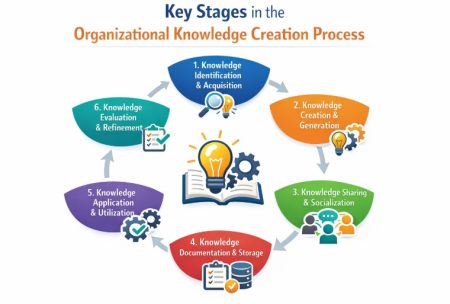
At its core, organizational learning is the ability of an organization to acquire, interpret, share, and retain knowledge to improve over time. This learning is often cyclical, involving the identification of new insights, the communication of those insights, and their integration into daily practices. Knowledge dissemination ensures that the insights gained from one part of the organization are not confined or lost but are shared broadly so others can learn from them. For example, when a marketing team experiments with a new customer engagement strategy and achieves significant results, disseminating those findings across departments allows others, such as product development, customer service, or sales, to adapt their practices in alignment with the successful model. Moreover, effective dissemination promotes a culture of transparency and continuous improvement. By sharing project outcomes, evaluation reports, best practices, and even failures, organizations encourage reflection and dialogue. This openness reduces the risk of duplicated effort and repeated mistakes, as well as encourages innovation by building upon existing knowledge. For instance, in a multinational corporation, disseminating standardized protocols and lessons learned from regional operations can accelerate global efficiency and consistency in performance.
Another important aspect of knowledge dissemination in organizational learning is the support it provides for capacity building and employee development. When training manuals, research findings, internal guidelines, or expert recommendations are made accessible through digital repositories, workshops, intranet systems, or mentoring programs, employees are empowered to learn at their own pace and apply new knowledge in their roles. This ongoing access to organizational knowledge enables workers to stay current, adapt to changes, and contribute meaningfully to the organization’s objectives. Additionally, dissemination enhances collaboration across teams and departments. Organizations often struggle with “knowledge silos,” where critical information is trapped within specific groups and not shared broadly. Dissemination helps break down these silos by promoting cross-functional communication, joint problem-solving, and knowledge-sharing forums. For example, a monthly knowledge-sharing session where different teams present recent challenges and solutions can foster interdepartmental understanding and collaboration, ultimately strengthening organizational coherence.
Technology also plays a key role in modern knowledge dissemination strategies. Digital tools such as content management systems, knowledge bases, enterprise social networks, and collaborative platforms like Microsoft Teams or Slack allow organizations to share information quickly and efficiently. These platforms not only store information but also support real-time discussions, feedback loops, and the co-creation of knowledge. With the rise of remote work and geographically distributed teams, technology-enabled dissemination has become essential for maintaining consistent organizational learning. Furthermore, effective knowledge dissemination supports strategic alignment. By consistently communicating organizational goals, progress updates, policy changes, and research-based recommendations, leaders ensure that employees across all levels are aligned with the broader mission and direction of the organization. This shared understanding strengthens decision-making, improves accountability, and enhances the organization’s ability to respond to change.
What Are the Most Common Methods Used for Disseminating Knowledge?
Disseminating knowledge is an essential process in ensuring that valuable insights, research findings, best practices, or innovations are effectively communicated to the right audience. Whether within an academic institution, a business organization, a healthcare system, or a government agency, knowledge dissemination ensures that information is shared in a way that promotes understanding, learning, and informed decision-making. Selecting the right dissemination methods depends on the audience, the nature of the content, and the desired outcomes. Below are some of the most common and widely used methods for disseminating knowledge across various sectors.
- Academic and Professional Publications: Academic and professional publications are among the most established and credible methods of knowledge dissemination, particularly within scholarly and expert communities. These publications include peer-reviewed journal articles, scholarly books, conference proceedings, and trade journals that serve as formal platforms for presenting original research, theoretical frameworks, case studies, and technical advancements. The rigorous peer-review process associated with many academic journals ensures that the information shared is accurate, evidence-based, and methodologically sound. For example, a university professor conducting a study on climate change adaptation strategies may publish the findings in a peer-reviewed journal like Environmental Research Letters to inform other researchers and policymakers. Similarly, a healthcare professional may share clinical findings or new treatment approaches through journals such as The Lancet or The New England Journal of Medicine. In professional fields, trade journals like Library Journal or Harvard Business Review allow practitioners to share best practices, industry trends, and innovations with a broader professional audience. Conference proceedings, another important form of academic publication, offer a platform for researchers to present their work at scholarly gatherings, where it is later compiled and published to extend its reach. These types of publications are essential not only for establishing academic credibility and contributing to the scholarly record but also for advancing knowledge within a specific discipline or profession. While they are highly valued in academic settings, their technical nature may limit accessibility for non-specialist audiences, which is why complementary dissemination methods are often needed to reach broader stakeholders.
- Conferences, Seminars, and Workshops: Conferences, seminars, and workshops are dynamic, interactive platforms for disseminating knowledge, facilitating professional development, and fostering collaboration. These events bring together researchers, academics, professionals, and stakeholders from diverse backgrounds to present findings, exchange ideas, and discuss current issues within a specific field. Conferences, often held at national or international levels, typically include keynote speeches, paper presentations, panel discussions, and poster sessions, offering participants the opportunity to showcase their work to a large audience. For example, an international education conference may feature sessions where educators present research on digital learning, followed by Q&A segments that encourage audience interaction. Seminars are usually smaller and more focused gatherings that allow for in-depth exploration of a specific topic, often led by one or more subject experts. They are ideal for sharing recent studies, introducing theoretical models, or discussing emerging trends with an engaged group of participants. Workshops, on the other hand, are highly participatory and hands-on in nature. They aim to build specific skills or solve problems through guided group activities, case studies, and real-time collaboration. For instance, a public health workshop might train community health workers in new disease surveillance methods using live demonstrations and group exercises. These face-to-face events are valuable not only for disseminating knowledge but also for networking, mentoring, and forming research or policy partnerships. Moreover, with the increasing use of digital tools, many of these events are now held virtually or in hybrid formats, further extending their reach and accessibility to global audiences.
- Reports, Policy Briefs, and Manuals: Reports, policy briefs, and manuals are practical and structured tools used for disseminating knowledge to targeted audiences, particularly decision-makers, practitioners, and field professionals. Reports offer comprehensive documentation of research findings, project evaluations, or institutional assessments, often combining data analysis, methodologies, and conclusions in a detailed format. Policy briefs, by contrast, are concise, focused documents that summarize key research insights or recommendations for policymakers. They aim to influence policy decisions by presenting evidence in a clear, accessible, and actionable manner. For example, a public policy institute may publish a policy brief on improving rural healthcare based on recent survey data. Manuals serve as instructional guides, offering step-by-step procedures, standards, or best practices to support implementation or training. In sectors like education, health, or development, manuals are widely used for capacity-building and operational consistency. All three formats prioritize clarity, relevance, and usability, making them effective for translating complex knowledge into real-world action, particularly in time-sensitive or applied contexts.
- Websites and Institutional Repositories: Websites and institutional repositories are essential digital platforms for disseminating and preserving knowledge. Institutional websites serve as public-facing hubs where universities, research centers, and organizations publish reports, publications, announcements, and educational resources for broad access. Institutional repositories, on the other hand, are specialized digital archives designed to store and provide long-term access to academic outputs such as theses, dissertations, faculty publications, datasets, and conference papers. These repositories, often open-access, promote transparency, visibility, and global accessibility of scholarly work. For example, a university’s repository may house thousands of student research papers and faculty publications, allowing researchers worldwide to access and cite them. Both websites and repositories enhance knowledge sharing by organizing content systematically and ensuring it is easily searchable, downloadable, and citable. They are especially vital in promoting academic collaboration, preserving institutional memory, and meeting open-access mandates from funding agencies and research institutions.
- Social Media and Digital Platforms: Social media and digital platforms have become powerful tools for rapid and wide-reaching knowledge dissemination. Platforms such as Facebook, Twitter (X), LinkedIn, YouTube, and Instagram allow researchers, educators, and organizations to share insights, updates, and findings in real time with both professional and public audiences. These tools are particularly effective for raising awareness, promoting events, summarizing complex ideas through infographics or videos, and engaging users through comments and shares. For example, a research team might create a short animated video explaining the impact of climate change and share it via YouTube and Twitter to reach students, activists, and policymakers globally. Digital platforms also support interactive formats like live webinars, online discussions, and blogs, making knowledge more engaging and accessible. Their informal nature and global reach make them ideal for complementing traditional dissemination methods and ensuring that knowledge extends beyond academic circles into public discourse.
- Email Newsletters and Bulletins: Email newsletters and bulletins are targeted and cost-effective methods of disseminating knowledge to specific groups of subscribers. They are commonly used by academic institutions, research organizations, libraries, and professional bodies to keep stakeholders informed about new publications, upcoming events, funding opportunities, project updates, or relevant insights. These communications are typically concise, regularly scheduled, and designed to maintain engagement over time. For example, a university library may send a monthly newsletter to faculty and students highlighting newly added resources, training sessions, or research tools. Newsletters often include links to full reports, articles, or videos, directing readers to more detailed content. This method is particularly effective for reaching consistent audiences and reinforcing institutional visibility and credibility. With the ability to track open rates and user engagement, email bulletins also offer valuable feedback for improving future communication strategies, making them an important part of a broader knowledge dissemination plan.
- Community Outreach and Public Engagement Events: Community outreach and public engagement events are vital methods for disseminating knowledge directly to local populations, especially in contexts where face-to-face interaction fosters trust and understanding. These events include town hall meetings, school visits, street theatre, exhibitions, health camps, and public lectures, often tailored to the cultural and educational background of the target audience. They are particularly effective in promoting awareness, encouraging behavioral change, and enabling communities to apply knowledge in practical ways. For example, a public health organization may conduct a community workshop on hygiene practices in rural areas, using demonstrations and local language materials to ensure understanding. Such engagement not only spreads knowledge but also allows community members to share their perspectives and experiences, creating a two-way learning process. By fostering dialogue and inclusivity, outreach initiatives help bridge the gap between researchers or institutions and the public, ensuring that knowledge leads to meaningful, real-world impact.
- Multimedia Resources: Multimedia resources are increasingly used for knowledge dissemination due to their ability to present information in engaging, accessible, and visually appealing formats. These resources include videos, animations, podcasts, infographics, interactive e-learning modules, and radio broadcasts. They are particularly effective for simplifying complex topics, reaching diverse audiences, and accommodating different learning preferences. For instance, an educational institution might use animated videos to explain scientific concepts to schoolchildren or develop podcasts to discuss research findings with the general public. Multimedia tools are also valuable in remote learning and training, allowing users to access content anytime and anywhere. They support inclusivity by incorporating visual, audio, and textual elements, making them suitable for individuals with varying levels of literacy or technological skills. By combining storytelling with interactivity, multimedia enhances knowledge retention and encourages deeper engagement, making it a powerful complement to traditional dissemination methods in both academic and community settings.
- Internal Knowledge-Sharing Platforms: Internal knowledge-sharing platforms are digital systems used within organizations to facilitate the exchange of information, experiences, and best practices among employees. These platforms include intranet portals, enterprise wikis, collaborative tools like Microsoft Teams, Google Workspace, Slack, and document management systems that enable real-time communication and knowledge access. They help break down silos by centralizing resources such as guidelines, project documentation, training materials, and internal reports. For example, a company might use an internal wiki to document solutions to recurring IT issues, enabling staff across departments to solve problems independently. These platforms promote organizational learning, support onboarding processes, and enhance collaboration among teams by making institutional knowledge easily searchable and shareable. Additionally, features like discussion threads, shared folders, and tagging systems help ensure that knowledge flows smoothly across all levels of the organization, increasing efficiency, consistency, and informed decision-making in daily operations.
- Mentorship and Peer Learning: Mentorship and peer learning are informal yet highly effective methods of knowledge dissemination that focus on the transfer of experiential and practical knowledge within organizations or educational settings. Mentorship involves a more experienced individual guiding a less experienced colleague, providing insights, skills, and support based on real-world experience. Peer learning, on the other hand, emphasizes mutual learning between individuals at similar levels through collaboration, discussion, and problem-solving. For example, a senior librarian may mentor a new staff member on cataloging techniques, while a group of students may engage in peer learning by working together on research assignments. These methods are particularly valuable for transferring tacit knowledge—knowledge that is difficult to document but critical for effective performance. They also foster trust, improve teamwork, and create a culture of continuous learning. By encouraging interpersonal interaction, mentorship, and peer learning, relationships and the sustainable growth of knowledge within organizations or academic environments are promoted.
There is no one-size-fits-all approach to disseminating knowledge. The choice of method should depend on the nature of the knowledge, the target audience, and the goals of dissemination. Combining multiple methods—such as publishing a report, creating a video summary, and sharing it through social media—often increases reach and impact. As technology continues to evolve, so do the tools and techniques available for sharing knowledge. Organizations, researchers, and educators must remain adaptive and strategic to ensure that their knowledge reaches and benefits the audiences who need it most.
The Relationship Between Knowledge Translation and Knowledge Dissemination
Knowledge translation and knowledge dissemination are closely related concepts that work together to ensure that research findings, insights, and evidence are effectively communicated and applied in practice. While both aim to bridge the gap between knowledge creation and real-world impact, they serve distinct yet complementary roles. Knowledge translation is a broader, dynamic, and often collaborative process that involves synthesizing, adapting, and applying knowledge in ways that are relevant and usable for specific audiences. It ensures that information is not only accurate but also meaningful, contextually appropriate, and ethically sound. For example, in the healthcare sector, translating research into clinical practice guidelines involves adapting the findings to local patient needs, policy environments, and professional standards.
On the other hand, knowledge dissemination refers specifically to the targeted communication or distribution of knowledge to intended users. It includes activities such as publishing journal articles, creating policy briefs, conducting presentations, or sharing infographics via social media. Dissemination ensures that the knowledge reaches the right audience in accessible and timely formats. While dissemination focuses on getting the information out, translation ensures that the information is understandable and can be effectively applied. The two processes are interconnected—dissemination is a core component of knowledge translation. Without dissemination, translation efforts may fail to reach their intended users; and without translation, disseminated knowledge may remain inaccessible, overly technical, or impractical.
In essence, knowledge dissemination functions within the larger framework of knowledge translation. Together, they form a continuous cycle that starts with research generation and ends with real-world use and impact. By combining thoughtful adaptation of content (translation) with strategic communication (dissemination), organizations and researchers can ensure their work is not only shared widely but also understood, embraced, and used effectively by their target audiences.
How Do Knowledge Brokers Facilitate the Dissemination Process?
Knowledge brokers play a crucial role in closing the gap between knowledge creators—such as researchers and academics—and knowledge users, including policymakers, practitioners, and community stakeholders. They act as intermediaries who ensure that valuable insights are not only shared but also understood and applied in real-world contexts. Unlike simple communicators, knowledge brokers actively engage in translating, tailoring, and delivering complex information to meet the needs of diverse audiences, thereby strengthening the impact of research and evidence-based practices.
One of the key ways knowledge brokers support dissemination is by translating technical or academic information into formats that are clear, concise, and accessible to non-experts. For instance, a knowledge broker working with climate scientists may simplify a research paper on rising sea levels into an illustrated policy brief for urban planners, highlighting practical solutions like coastal zoning regulations. This translation process involves removing jargon, emphasizing actionable points, and reformatting content to suit the understanding and needs of the target audience. Understanding who the intended audience is and what they require is another core function of knowledge brokers. They conduct audience analysis to determine how, when, and why specific stakeholders need particular types of information. For example, while healthcare professionals may need clinical protocols summarized in a two-page guideline, community health workers in rural areas might benefit more from participatory workshops using visuals and local dialects. Knowledge brokers identify these nuances and adapt dissemination strategies accordingly.
In addition to customizing content, knowledge brokers also determine the most effective dissemination channels. They select the right mix of tools—such as social media, webinars, printed manuals, or interactive websites—to ensure the information reaches the intended audience. A knowledge broker in an educational setting, for instance, might use YouTube videos to share new teaching methods with a wide group of teachers, while also organizing in-person seminars for school administrators. Their ability to navigate both traditional and digital platforms enhances the reach and effectiveness of knowledge-sharing efforts. Building trust and relationships is another key element of the knowledge broker’s role. By engaging regularly with both researchers and knowledge users, they foster open communication and collaborative learning. For example, a knowledge broker working in a public health NGO may coordinate meetings between epidemiologists and government officials to discuss how research findings can be turned into policy. These interactions ensure that all stakeholders are part of the conversation, leading to better-informed decisions and shared ownership of outcomes.
Moreover, knowledge brokers often monitor and evaluate the effectiveness of dissemination efforts. They collect feedback, track engagement, and assess whether the knowledge has been understood and applied. For example, after distributing a manual on disaster preparedness to local municipalities, a knowledge broker might follow up to see if the guidelines were implemented and what barriers existed. This feedback loop allows for ongoing refinement of content and dissemination strategies.
What Are the Barriers to Effective Knowledge Dissemination in Developing Countries?
Knowledge dissemination is a vital process for ensuring that research, innovations, and evidence-based practices reach the people and institutions that need them most. In developing countries, where development challenges are often complex and multi-dimensional, the timely and effective dissemination of knowledge can significantly contribute to improved decision-making, capacity building, and sustainable development. However, despite its importance, numerous barriers hinder the effective flow of knowledge in these contexts. These barriers are often systemic, structural, and context-specific, and they limit the potential impact of valuable research and expert insights.
- Inadequate Digital Infrastructure: One of the foremost barriers to knowledge dissemination in developing countries is poor digital infrastructure. Limited access to the internet, unreliable electricity, and the high cost of technology restrict the ability of people—especially in rural or remote areas—to access digital resources. As a result, many citizens are unable to benefit from online knowledge platforms, digital repositories, or virtual training programs. Even when content is available, poor connectivity and limited device access mean that the reach of digital dissemination is often restricted to urban populations or well-funded institutions.
- Low Literacy and Language Diversity: Effective knowledge dissemination requires that the content is not only accessible but also understandable. In many developing countries, low levels of literacy—both general and digital—hinder the capacity of individuals to engage with written or online materials. Moreover, language diversity further complicates dissemination efforts. Much of the available academic and technical content is produced in dominant global languages, such as English or French, which are not widely spoken or understood at the grassroots level. The absence of localized translations or culturally relevant content significantly reduces the accessibility and impact of the information shared.
- Weak Institutional and Organizational Capacity: Many institutions in developing countries lack the organizational structure and resources to support systematic and strategic knowledge dissemination. Universities, government agencies, and NGOs may generate valuable insights, but often do not have dedicated units or personnel to manage communications or outreach. Additionally, the absence of clear knowledge-sharing frameworks or collaboration among institutions leads to fragmentation, duplication, and underutilization of existing research. Without coordination and proper infrastructure, dissemination remains inconsistent and fails to reach wider or non-traditional audiences.
- Limited Funding and Skilled Personnel: Knowledge dissemination requires investment—not only in technology but also in human resources. In many developing countries, research institutions and development organizations operate on limited budgets, with most funds directed toward implementation rather than communication. As a result, there is a shortage of communication professionals, knowledge brokers, translators, and technical writers who are essential for tailoring and delivering knowledge effectively. This lack of capacity often results in poor presentation of content, limited outreach, and ineffective engagement with end-users.
- Cultural and Social Barriers: Cultural beliefs, social hierarchies, and traditional knowledge systems can also act as barriers to knowledge dissemination. In some communities, external knowledge may be viewed with skepticism, particularly if it contradicts long-standing traditions or values. Furthermore, social norms may restrict certain groups—such as women or marginalized communities—from participating in dissemination activities or accessing new knowledge. For example, a community meeting to introduce new agricultural practices may exclude female farmers due to gender norms, limiting the impact of the knowledge shared.
- Political and Policy Constraints: The political environment in developing countries can significantly affect how knowledge is disseminated and used. In some contexts, governments may restrict access to certain information for political reasons, limit academic freedom, or impose bureaucratic barriers that delay or censor dissemination efforts. Additionally, the lack of supportive policies for open access, data sharing, or evidence-based decision-making can discourage researchers from engaging in dissemination or reduce their ability to reach key stakeholders. These constraints create an environment where knowledge is not freely exchanged or effectively used.
- Lack of Engagement with End-Users: Dissemination efforts often fail when the needs and realities of the intended audience are not considered. In many developing countries, knowledge is produced and shared in top-down approaches, where content is created without involving the people it is meant to serve. This disconnect results in materials that are poorly suited to the local context, difficult to understand, or irrelevant to users’ actual challenges. For instance, a detailed technical report on water management may hold little value for local farmers unless it is translated into practical, visual guides tailored to their environment.
- Absence of Coordinated Knowledge Platforms: Another barrier is the lack of centralized or coordinated platforms for storing and disseminating knowledge. Research outputs and project results are often scattered across multiple institutions, websites, or archives, making it difficult for users to access or search for information efficiently. The absence of national or regional knowledge hubs limits visibility, reduces collaboration, and impedes the cumulative use of existing knowledge.
Effective knowledge dissemination is critical for advancing development, strengthening institutions, and empowering communities in developing countries. However, a range of barriers—including poor infrastructure, low literacy, weak institutional capacity, and limited user engagement—undermine these efforts. Addressing these challenges requires a holistic approach that prioritizes investment in communication systems, promotes inclusive content, strengthens institutional frameworks, and fosters collaboration between knowledge producers and users. Only then can the full value of knowledge be realized and leveraged to support meaningful, equitable, and sustainable development.
What Is the Role of Libraries in the Knowledge Dissemination Process?
Libraries play a central role in the knowledge dissemination process by serving as accessible, organized, and trusted sources of information for diverse user communities. Traditionally seen as repositories of books and scholarly materials, libraries have evolved into dynamic hubs that actively support the production, sharing, and use of knowledge. One of their core functions is the systematic acquisition, classification, and preservation of resources—ranging from printed books and journals to digital publications and multimedia content. By organizing materials in a structured and searchable manner, libraries make it easier for users to locate and apply relevant information when needed.
A key contribution of libraries to knowledge dissemination lies in their commitment to equitable access. Libraries, especially public and academic ones, provide free or low-cost access to educational and informational resources regardless of a user’s socioeconomic status. For example, public libraries offer internet access, digital literacy support, and educational materials to underserved populations, while academic libraries provide students and researchers with access to expensive databases and scholarly publications. This commitment to accessibility ensures that knowledge reaches broader audiences, promoting inclusive learning and reducing information inequality.
Academic and research libraries also play an instrumental role in increasing the visibility and impact of scholarly output. By managing institutional repositories, they provide open access to theses, dissertations, faculty research, and conference proceedings. These digital platforms ensure that institutional research is not only preserved but also shared globally. For instance, when a university library hosts a repository of faculty publications, it allows other scholars, students, and practitioners to benefit from the research, thereby fostering academic collaboration and informed policy development.
In the digital age, libraries have expanded their reach through the use of technology and online platforms. They offer remote access to e-books, journals, databases, and learning tools through their websites and digital catalogs. Many libraries also engage users via social media, email newsletters, webinars, and online learning portals, enhancing the speed and scope of knowledge dissemination. During the COVID-19 pandemic, for example, libraries worldwide shifted to online services, providing virtual reference help, digital lending, and e-learning support to ensure continuous access to knowledge.
Another significant role of libraries is in promoting information literacy. Beyond providing access to information, libraries teach users how to find, evaluate, and use information effectively and ethically. Through workshops, tutorials, and personalized assistance, libraries help students, researchers, and the public develop the skills necessary for academic success and informed citizenship. This empowerment is critical in an age where misinformation and information overload are common challenges.
Libraries also serve as community learning centers that support informal education and lifelong learning. Through community outreach programs, cultural events, exhibitions, and training sessions, libraries disseminate practical knowledge tailored to local needs. For example, a community library may host sessions on financial literacy, digital skills, or health awareness, helping individuals make informed life choices. In rural areas, libraries often collaborate with NGOs or local institutions to bring agricultural, environmental, or healthcare knowledge directly to the people.
In summary, libraries are vital institutions in the knowledge dissemination process. They not only preserve and organize knowledge but also ensure its accessibility, usability, and relevance to diverse audiences. Through a combination of physical services, digital platforms, educational programs, and community engagement, libraries bridge the gap between knowledge production and real-world application. As facilitators of learning, innovation, and social development, libraries will continue to play a foundational role in disseminating knowledge and empowering individuals and communities across the globe.