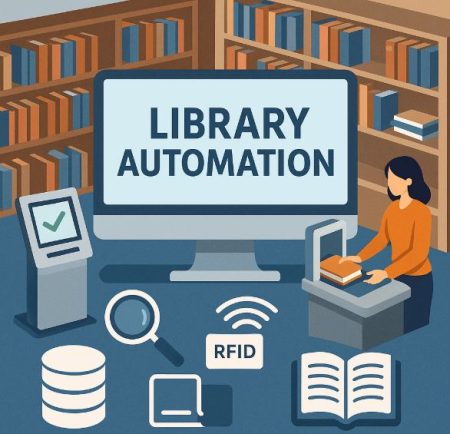
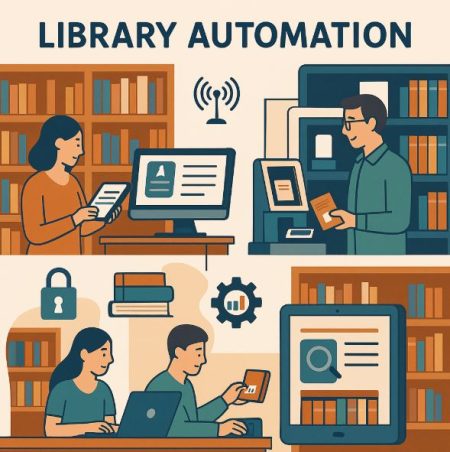
Library automation refers to the integration of technology into library operations to streamline and improve various tasks, such as cataloguing, circulation, resource management, and user services. It involves the use of automated systems and software to manage library resources, allowing for more efficient handling of tasks that were traditionally performed manually. These systems include tools for managing online catalogues, checking out and returning materials, tracking resources, and providing remote access to digital content. By incorporating automation, libraries can provide users with faster, more reliable access to resources and services. This technology contributes to enhancing user access by allowing for 24/7 availability of materials, offering remote access to digital resources, improving the accuracy and speed of resource discovery, and facilitating a more personalized library experience. Through these advancements, library automation makes it easier for patrons to find, borrow, and utilize library materials, improving both the efficiency of library operations and the overall user experience. Role of Library Automation
The Role of Library Automation in Improving User Access to Resources
Library automation has become a cornerstone of modern library operations, significantly enhancing the way users access resources. The integration of technology in libraries facilitates more efficient, convenient, and flexible access to materials, both physical and digital. From online catalogues to self-checkout systems, automation offers users streamlined ways to interact with the library, ultimately improving their experience and expanding their access to resources. This article explores the role of library automation in enhancing user access and the benefits it brings to both patrons and library management.
- Enhancing Resource Discovery Through Online Public Access Catalogues (OPACs): One of the most significant contributions of automation to user access is the implementation of Online Public Access Catalogues (OPACs). OPACs provide users with the ability to search the library’s catalogue from any device, at any time, without needing to be physically present at the library. These online systems allow patrons to search for books, journals, e-resources, and multimedia content with ease, using various search parameters like title, author, subject, or keyword. The availability of real-time data on resource availability helps users determine whether a particular item is in stock or currently checked out, facilitating more efficient planning for library visits.
OPACs also provide comprehensive information about materials, including their location within the library, making it easier for users to find exactly what they are looking for without time-consuming searches. The integration of detailed metadata and advanced search features enables patrons to navigate vast collections more effectively, ensuring a smoother resource discovery process. - Remote Access to Digital Resources: Library automation plays a critical role in improving access to digital resources such as e-books, academic journals, research databases, and multimedia content. By automating the management and integration of digital collections, libraries can provide seamless remote access to these resources. Patrons can access e-resources from anywhere, at any time, as long as they have an internet connection. This flexibility is especially important for users who are unable to visit the library in person due to distance, time constraints, or other barriers.
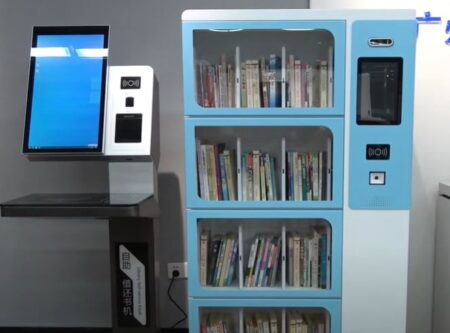
Automated systems support single sign-on mechanisms that simplify access to subscription-based resources, ensuring users can easily log in to access databases, journals, and other digital materials. For example, systems like OpenAthens allow patrons to authenticate their identity and access a range of resources remotely, ensuring that library services remain available even when the physical library is closed. - Self-Checkout and RFID Technology for Faster Access: Another significant advancement in library automation is the use of self-checkout systems, often supported by Radio Frequency Identification (RFID) technology. RFID tags attached to books and other materials allow users to check out resources without needing assistance from library staff. This technology speeds up the check-out process, reducing wait times for patrons and increasing the overall efficiency of the library.
Self-checkout systems not only improve convenience for users but also make library operations more efficient by reducing the burden on staff. RFID technology further supports inventory management by allowing automated tracking of materials, making it easier for users to find available resources and ensuring that materials are returned on time. - Reservation and Hold Systems for Improved Resource Accessibility: Library automation also enables efficient reservation and hold systems, which are particularly beneficial when high-demand materials are unavailable. Through automated systems, users can place holds on books, journals, or other resources, ensuring that they will be notified when the item becomes available for checkout. This functionality allows libraries to manage high-demand items more effectively and ensures that users can access the materials they need without unnecessary delays. Additionally, automated systems often send reminders to users about their reservations or due dates, minimizing the risk of overdue items and improving the overall user experience. By facilitating the seamless reservation and retrieval of materials, automation ensures that resources are available when needed, even if they are not immediately accessible.
- Personalized User Experience and Recommendations: Library automation has the potential to offer a more personalized user experience, allowing libraries to cater to individual needs and preferences. Automated systems can analyze user behavior, such as borrowing history, to provide personalized recommendations for books, journals, or digital resources. These recommendations enhance resource discovery by guiding users toward materials they may not have otherwise encountered. Moreover, libraries can use automation to send personalized alerts about new acquisitions in areas of interest, ensuring that users stay informed about relevant updates in the library’s collection. This personalized approach not only improves user engagement but also makes it easier for patrons to discover materials that are aligned with their academic or personal interests.
- Improving Access for Users with Disabilities: Library automation plays an important role in improving accessibility for users with disabilities. Many modern automated systems are designed to be compatible with assistive technologies such as screen readers, voice-controlled devices, and alternative input methods. This ensures that users with visual impairments or other disabilities can easily search for and access library resources independently. Additionally, automated systems can offer features like adjustable text sizes or alternative formats for digital resources, ensuring that library services are inclusive and accessible to all patrons. By prioritizing accessibility, library automation ensures that all users, regardless of their abilities, can benefit from the full range of resources the library has to offer.
- 24/7 Access to Library Services: One of the most significant advantages of library automation is that it allows libraries to offer 24/7 access to resources and services. Automated systems enable users to access digital resources, check out materials, renew items, and even place holds, all outside of the library’s regular operating hours. This is particularly beneficial for users with nontraditional schedules or those living in different time zones.
The ability to access library services at any time of day ensures that users can conduct research, study, and engage with library materials according to their own schedules, rather than being constrained by fixed library hours. This increased access promotes greater use of library resources and supports the diverse needs of the user community.
Library automation plays a pivotal role in improving user access to resources by providing more efficient, flexible, and inclusive services. From remote access to digital resources and self-checkout systems to personalized user experiences and 24/7 availability, automation enhances how patrons interact with the library. By integrating technology into library operations, libraries not only improve the convenience and accessibility of resources but also increase overall user satisfaction and engagement. As libraries continue to adopt and refine automated systems, the role of technology in shaping the future of library services will only become more significant, ensuring that users can access the resources they need with ease and efficiency.
How Library Automation Improves the Efficiency of Resource Checkouts and Returns
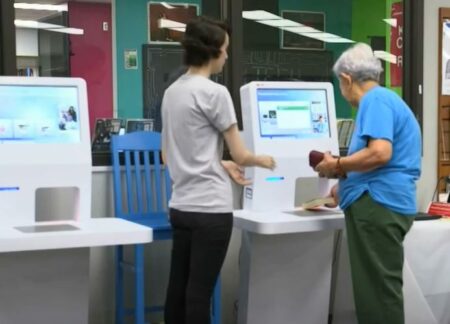
Library automation significantly improves the efficiency of resource checkouts and returns by streamlining processes and reducing the need for manual intervention. One of the most impactful advancements is the introduction of self-checkout systems, where users can independently check out materials using barcode scanning or RFID (Radio Frequency Identification) technology. These systems allow for faster transactions and reduce wait times, as patrons no longer need to interact with library staff for every checkout. RFID technology further enhances the process by enabling quick, contactless interactions, where multiple items can be checked out or returned at once without requiring users to align them in a specific way. This speeds up the entire process and improves accuracy, reducing the likelihood of human error.
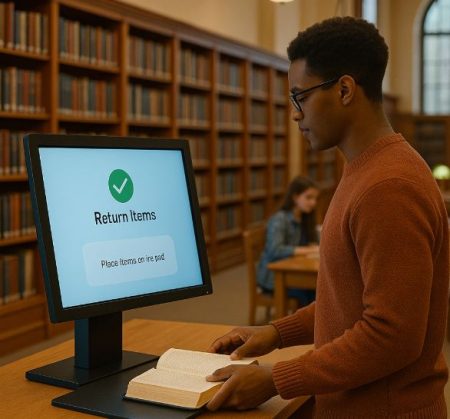
Automated return stations are another key element in improving efficiency. These stations allow users to return materials independently, with RFID or barcode scanners automatically processing the returns and updating the library’s inventory in real-time. This reduces staff workload and allows users to return items conveniently, even when the library is closed. The integration of automated systems ensures that the library catalogue is continuously updated, providing accurate and up-to-date information about the availability of resources. Patrons can easily check whether an item is available for checkout or if it is currently on loan, which contributes to a more seamless user experience.
Automated systems can send timely overdue notifications and enable users to renew items online, further improving the convenience for patrons. These reminders help users manage their borrowings and reduce the chances of late returns. The ability to renew items remotely reduces the need for physical visits to the library, offering greater flexibility. With automation, library staff are freed from routine tasks such as manually processing checkouts and returns, allowing them to focus on more complex activities like assisting patrons or managing library collections. This not only enhances operational efficiency but also reduces the potential for human error in transactions.
The automation of checkouts and returns accelerates the handling of high-demand items. With faster processing times, popular materials are returned and made available for other users more quickly, improving resource accessibility. In summary, library automation enhances the efficiency of checkouts and returns by introducing self-service options, leveraging RFID technology, updating inventories in real-time, and minimizing staff involvement in routine tasks. These improvements not only make library operations more efficient but also improve the overall user experience by reducing wait times, increasing convenience, and ensuring greater accuracy in the management of library resources.
How Library Automation Supports Remote Access to Resources for Off-Campus Users
Library automation plays a crucial role in supporting remote access to resources for off-campus users by leveraging various technologies to ensure seamless access to digital materials and services. Through automated authentication systems like OpenAthens, EZproxy, and Shibboleth, libraries enable users to securely log in using their university credentials, granting them access to subscription-based content and licensed resources from any location. This secure remote access allows off-campus users to enjoy the same library services as those physically on campus, ensuring uninterrupted access to a wide range of materials. Additionally, automation supports easy access to digital resources such as e-books, academic journals, and databases, providing users with the flexibility to browse, search, and access materials at any time, regardless of their location or time zone.
The Online Public Access Catalogue (OPAC) is another key component of library automation that enhances remote access by allowing users to search for and view available resources. Off-campus users can browse the catalogue, check the status of materials, and place holds or reserve items remotely. Real-time updates to the catalogue ensure that users can access the most current information about resource availability. Furthermore, automated document delivery services allow users to access physical materials that are not available digitally. If requested items are only available in print, libraries can scan and send digital copies to remote users via email or a secure online platform, ensuring they can still access these resources.
Automated systems also streamline the management of electronic resources, granting off-campus users access to a wide array of academic databases and e-journals. With authentication systems in place, users can access these resources as if they were physically on campus, ensuring they have the necessary tools for research. Additionally, library automation facilitates Interlibrary Loan (ILL) services, enabling off-campus users to request materials from other libraries that are not part of their home institution’s collection. Users can make these requests online, and materials are delivered electronically or via physical mail.
Personalization features within library automation systems further enhance remote access by providing tailored recommendations based on users’ interests or previous searches. These systems can suggest relevant e-books, journals, and other materials, helping users discover resources they may not have encountered otherwise. Customizable features such as saved searches, alerts, and notifications ensure that off-campus users remain informed about new resources, updates, or materials that match their academic needs.
Library automation significantly improves remote access by providing secure authentication, facilitating the use of digital resources, and streamlining services like interlibrary loans and document delivery. With these automated systems in place, off-campus users are empowered to access a wide range of library resources, ensuring that they have the tools and materials they need for research and academic work, no matter where they are located.
The Benefits of Integrated Library Management Systems (ILMS) in Facilitating User Access to Digital and Physical Resources
Integrated Library Management Systems (ILMS) play a crucial role in enhancing the accessibility and efficiency of library operations by providing seamless access to both digital and physical resources. These systems integrate various library functions, such as cataloguing, circulation, acquisitions, and user management, into one cohesive platform, streamlining processes for both library staff and users. Here are the key benefits of ILMS in facilitating user access to digital and physical resources:
- Centralized Access to All Resources: One of the primary advantages of an ILMS is its ability to centralize all library resources, both physical and digital, into one cohesive system. Whether users are searching for books, journals, e-books, articles, or multimedia resources, they can access everything through a single platform. This unified approach simplifies the search process for users, who no longer have to navigate multiple systems or interfaces to find materials. By integrating digital and physical resources into one catalogue, ILMS ensure that users can easily discover and request resources without the confusion of separate systems.
For instance, when searching for a book, users can simultaneously view its physical location in the library, as well as any available digital versions or related e-resources, providing them with more options to access the material they need. This centralized access is especially beneficial for users who require a variety of materials, from print books to academic articles, as they can find everything they need from one convenient interface. - Real-Time Availability and Updates: ILMS provide real-time updates on the availability of library resources, ensuring that the catalogue is always current. Whether it’s a book, journal, or e-resource, when an item is checked in or checked out, the system is updated immediately. This eliminates discrepancies between the catalogue and the actual availability of resources, which is particularly crucial in academic libraries where timely access to resources is essential.
For digital resources, ILMS can manage access to e-books, online journals, and databases, updating the availability status as users access or download content. For physical items, users can easily check the availability of books or materials before visiting the library, avoiding unnecessary trips if a resource is unavailable. This real-time functionality helps both library staff and users track resources more effectively and minimizes confusion or delays in accessing materials. - Seamless Access to Digital Resources: ILMS significantly enhance access to digital resources, which have become increasingly important in modern libraries. Through automation, ILMS provide users with streamlined access to e-books, academic databases, digital journals, and multimedia content. Users can access these resources directly from the library’s website or platform, whether they are on campus or off-campus.
For off-campus users, ILMS integrate with authentication systems such as EZproxy or OpenAthens, allowing students, faculty, and staff to log in securely with their university credentials to access subscription-based resources from anywhere in the world. This is a crucial feature for distance learners, researchers, and faculty who need consistent and convenient access to digital materials without needing to be physically present in the library. Furthermore, the integration of digital resources within the ILMS enables libraries to track usage and manage licenses for e-resources. This ensures that libraries remain compliant with licensing agreements and are able to provide users with uninterrupted access to paid content, such as academic journals, while avoiding issues related to overuse or resource limitations. - Improved Resource Discovery and Search Functionality: ILMS offer advanced search capabilities that improve the efficiency of resource discovery for users. The system allows for detailed searches using multiple filters such as title, author, subject, keyword, and publication date, enabling users to find relevant materials more quickly and easily. Many ILMS also include full-text search options for digital resources, allowing users to search for specific topics or terms within e-books, journal articles, and other online content.
The search functionality within an ILMS is designed to be intuitive and user-friendly, making it easier for users to locate the materials they need, whether they are researching a specific topic or browsing the library’s collection. The system’s ability to handle large volumes of data and present search results efficiently improves the overall user experience, helping library patrons access resources faster. - Efficient Circulation and Borrowing Process: ILMS automate the circulation and borrowing process for both physical and digital resources, making it more efficient for both users and library staff. For physical items, users can check out books, journals, or other materials through automated systems, such as barcode scanners or RFID technology. This not only speeds up the checkout process but also reduces errors associated with manual transactions.
For digital resources, ILMS allow users to instantly access e-books, journals, or other online materials with a simple click, eliminating the need for physical checkout. Users can borrow or download materials directly, with the system managing the digital rights and access permissions. Renewals, reservations, and due date reminders are also automated, ensuring that users are notified when they need to return or renew materials. - Personalized User Experience: ILMS offer personalized user accounts, where patrons can track their borrowing history, manage holds, and view outstanding fines or fees. These systems allow users to tailor their library experience by offering customized features such as reading recommendations, alerts for new acquisitions in their field of interest, or notifications when reserved items become available.
For digital resources, ILMS can provide personalized content recommendations based on a user’s borrowing history or academic interests. This helps users discover additional resources they may not have encountered through a simple search, enhancing their ability to access relevant materials for their research or studies. - Efficient Resource Management for Libraries: For library administrators, ILMS offer powerful tools for managing both digital and physical collections. The system enables libraries to efficiently catalog and track materials, monitor usage patterns, and assess resource needs. By providing data on resource circulation, usage statistics, and user preferences, ILMS help libraries make informed decisions about collection development and acquisitions.
The system also automates tasks such as inventory management, acquisitions, and de-selection of outdated or unused materials, improving resource allocation and minimizing manual work for library staff. This makes it easier for libraries to maintain up-to-date and relevant collections while optimizing space and resources. - Remote Access and Off-Campus Services: For users who are unable to visit the library in person, ILMS provide remote access to a wide range of library services. Through authentication systems, users can access digital resources, place holds on physical items, renew loans, and even request interlibrary loans—all from the comfort of their home or office. The ability to engage with the library remotely ensures that off-campus users have the same access to resources as those on-site, making libraries more inclusive and accessible to all users, regardless of location.
- Interlibrary Loan (ILL) Integration: ILMS can facilitate Interlibrary Loan (ILL) services by connecting multiple libraries within a consortium or network. If a user requests an item that is not available in their library’s collection, the system can automatically process the request and arrange for the material to be borrowed from another participating library. This expands the range of materials available to users and ensures that they can access resources even when their own library does not own them.
Integrated Library Management Systems (ILMS) are essential tools that provide libraries with the ability to efficiently manage and facilitate access to both digital and physical resources. Through centralized access, real-time updates, seamless resource discovery, and automated borrowing processes, ILMS enhance the user experience by providing quick, easy access to the materials users need. These systems also support libraries in managing their collections, improving service delivery, and ensuring that users—whether on-campus or off-campus—can access resources efficiently and conveniently. As libraries continue to embrace ILMS, they will be better equipped to meet the diverse needs of their users in an increasingly digital world.
The Impact of Automation on User Satisfaction and the Overall Library Experience
Automation has significantly enhanced user satisfaction and the overall library experience by increasing efficiency, improving access to resources, and offering greater convenience. One of the most noticeable benefits is the reduction in wait times for patrons, thanks to self-checkout systems, RFID technology, and automated book returns. These systems allow users to check out and return materials quickly without waiting in line, improving efficiency and reducing frustration, particularly during peak times. Moreover, automation empowers users to perform routine tasks independently, such as renewing books, placing holds, or checking availability, which streamlines the library experience and reduces reliance on staff for these basic functions.
Automation also improves user access to both physical and digital resources. With the integration of online public access catalogues (OPACs) and digital resource management systems, users can easily search, locate, and access materials from a centralized platform, whether they are on-campus or off-campus. Remote access to e-books, academic journals, and research databases, facilitated by automated authentication systems like OpenAthens or EZproxy, ensures that users can access resources at any time, regardless of their location. This round-the-clock availability enhances user convenience and accommodates a variety of schedules, making the library more accessible to all users, including those who cannot visit in person.
The self-service options provided by automated systems also play a key role in enhancing user satisfaction. Users can independently check out materials, renew loans, and manage their accounts, giving them more control over their library activities and adding to the overall convenience. Additionally, automation allows for personalized services, such as recommendations based on users’ borrowing history and academic interests, and notifications about new acquisitions or upcoming due dates. These personalized features help users discover relevant resources and stay informed, creating a more tailored and engaging library experience.
Automation improves accuracy and reduces errors in library processes. By handling tasks such as checking in and out materials, tracking resources, and managing fines, automated systems ensure more precise record-keeping. This minimizes human error and improves users’ confidence in the accuracy of their transactions, ultimately enhancing their satisfaction with library services. The automation of routine tasks also frees up library staff to focus on more specialized services, such as assisting with research or providing guidance on complex queries. This shift allows staff to offer more personalized, high-quality support, contributing to a positive user experience.
By streamlining resource management, automation ensures that materials are available to users more efficiently. The real-time updates to the catalog, as items are checked in, checked out, or placed on hold, provide accurate information about resource availability, reducing the uncertainty users face when searching for materials. This system also helps manage popular or high-demand resources more effectively, ensuring they circulate efficiently and are available to more users. Overall, automation enhances the user experience by making libraries more efficient, accessible, and user-friendly, leading to increased satisfaction and engagement with library resources.