Technology is transforming how libraries operate and serve their communities in today’s rapidly evolving digital landscape. Once considered traditional repositories of books, libraries have embraced cutting-edge innovations to remain relevant in the modern age. From digital catalogs and e-resources to automated systems and interactive platforms, technology is enhancing library services by making them more accessible, efficient, and user-friendly. This shift is not just about convenience but also about meeting the diverse needs of users, fostering inclusivity, and staying competitive in an increasingly digital world. At the forefront of these advancements is the integration of virtual assistants—AI-driven tools that are reshaping how libraries interact with and support their patrons. By leveraging these technologies, libraries are redefining their role as dynamic hubs of knowledge, innovation, and community engagement.
The Concept of Virtual Assistants and their Relevance in Libraries
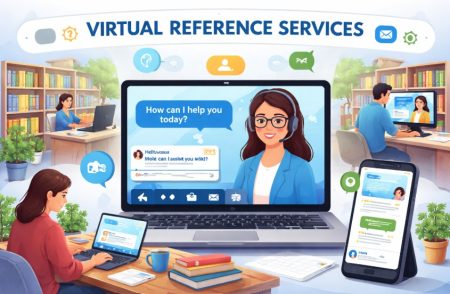
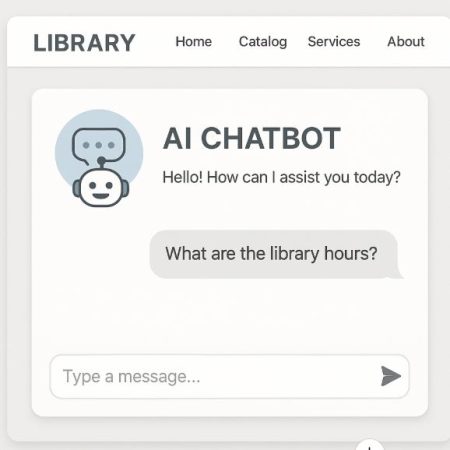
Virtual assistants, driven by advancements in artificial intelligence, are transforming how libraries deliver services and engage with users. These AI-powered tools are designed to simulate human interactions, providing support through text or voice-based platforms. Virtual assistants have emerged as valuable assets in libraries, offering seamless assistance with a wide range of tasks. From answering frequently asked questions to guide users through digital catalogs and e-resources, these tools enhance the accessibility and efficiency of library services.
Their relevance in libraries extends beyond basic functionality. Virtual assistants operate 24/7, enabling patrons to access support anytime, even outside traditional library hours. This capability is particularly valuable in catering to diverse user groups, including students, researchers, and community members with varying schedules. Furthermore, they help bridge the gap between traditional library services and the growing demand for digital solutions by simplifying navigation, providing personalized recommendations, and assisting users with library programs or events.
By automating routine inquiries, virtual assistants also free up library staff to focus on specialized services that require human expertise. This dual benefit of improved user experience and operational efficiency underscores their importance in modern library settings. As libraries continue to evolve in response to technological advancements and user expectations, virtual assistants serve as a critical tool in redefining the library experience for the digital age.
The Primary Goals of Implementing a Virtual Assistant in a Library
Libraries have long been pillars of knowledge and community engagement, evolving over time to meet the needs of their users. In recent years, integrating advanced technology has become essential for enhancing library services and maintaining their relevance in a digital-first world. Among the most transformative tools being adopted are virtual assistants—AI-powered systems designed to improve accessibility, efficiency, and user engagement. Implementing virtual assistants in libraries serves several key goals that collectively reshape the library experience for patrons and staff alike.
- Enhancing User Experience: One of the most significant goals of implementing a virtual assistant in a library is to enhance the overall user experience. Virtual assistants provide instant, accurate responses to various patron inquiries, from locating specific books to explaining library policies. Unlike traditional service models that depend on staff availability, virtual assistants operate 24/7, ensuring that users can access help whenever they need it. This round-the-clock support is particularly beneficial for students, researchers, and other patrons who may require assistance outside regular library hours. Virtual assistants offer seamless and consistent service to make library interactions more convenient and user-friendly.
- Increasing Accessibility: Virtual assistants are instrumental in making libraries more inclusive and accessible. They can cater to diverse user groups by offering features such as multilingual support, allowing patrons to communicate in their preferred language. For individuals with disabilities, virtual assistants can provide tailored assistance through voice commands, text-based interfaces, or integration with assistive technologies. These capabilities break down barriers to accessing information, ensuring that libraries serve all members of their communities equitably.
- Streamlining Operations: Libraries often handle a high volume of repetitive inquiries, such as questions about operating hours, borrowing policies, or resource availability. Virtual assistants can automate responses to these routine queries, freeing up librarians to focus on more specialized tasks like research support, program development, and community outreach. By handling these repetitive tasks efficiently, virtual assistants not only improve operational workflows but also enhance the quality of interactions between staff and patrons by enabling more meaningful engagement.
- Facilitating Resource Discovery: Navigating the extensive collections of physical and digital resources in a library can be daunting for many users. Virtual assistants simplify this process by acting as intelligent guides. They can help patrons locate specific materials, suggest resources based on user preferences, and provide step-by-step instructions for accessing digital databases or e-books. By streamlining the search process, virtual assistants ensure that patrons can make the most of the library’s offerings without feeling overwhelmed.
- Promoting Digital Literacy: As libraries continue to integrate digital tools and platforms, educating patrons about these technologies becomes increasingly important. Virtual assistants play a key role in promoting digital literacy by guiding users through the use of online catalogs, e-resources, and other digital services. They can also provide tutorials or answers to technology-related questions, empowering patrons to navigate the digital aspects of the library confidently and independently. This focus on digital literacy helps libraries bridge the gap between traditional services and modern technological expectations.
- Improving Cost-Effectiveness: While implementing a virtual assistant involves an initial investment, it can lead to significant cost savings in the long term. By automating routine services, libraries can optimize their staffing resources, reducing the need for additional personnel to handle repetitive tasks. This allows libraries to allocate their budgets more effectively, investing in areas such as expanding collections, upgrading facilities, or developing new programs. Virtual assistants also provide consistent service without requiring breaks, overtime, or additional shifts, further enhancing cost efficiency.
- Building Future-Ready Libraries: Adopting virtual assistants positions libraries as forward-thinking institutions that embrace innovation to better serve their communities. By staying aligned with technological trends, libraries can attract tech-savvy users, particularly younger generations who are accustomed to digital tools and AI-driven solutions. Moreover, virtual assistants lay the groundwork for future integrations with advanced AI technologies, ensuring that libraries remain adaptable and competitive in an ever-evolving digital landscape. This future-ready approach enables libraries to continue their mission as dynamic hubs of knowledge and community engagement.
Implementing virtual assistants in libraries represents a strategic initiative to enhance service delivery, accessibility, and operational efficiency. By addressing key goals such as improving user experience, increasing accessibility, and streamlining operations, virtual assistants are transforming libraries into modern, inclusive, and technologically advanced spaces. As libraries continue to evolve in response to changing user needs and expectations, virtual assistants stand out as a powerful tool for shaping the future of library services.