Digital transformation in libraries represents a profound shift in how libraries operate, manage, and deliver resources to their users. This process involves the integration of digital technologies to streamline operations, enhance user experience, and expand access to information in ways that were previously unimagined. Traditional library resources, such as books, journals, and archives, are increasingly being supplemented or even replaced by digital formats, such as e-books, online databases, and multimedia collections. As libraries embrace digital tools, they not only rethink their physical spaces but also reimagine their role in education, research, and community engagement.
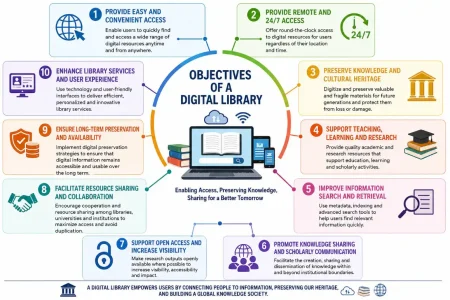
The transition to digital resources has revolutionized the way users access information. Digital libraries provide users with the flexibility to access materials from anywhere in the world, often instantly, thus overcoming geographical and time constraints. Additionally, digital technologies have made it easier for libraries to preserve rare and fragile materials through digitization, ensuring long-term access while minimizing the risk of physical deterioration.
However, the impact of digital transformation on library resources is not without challenges. Issues such as data security, digital literacy, copyright concerns, and the digital divide require careful consideration. Libraries must balance the integration of cutting-edge technologies with the need for equitable access, ensuring that all users, regardless of their background or resources, can benefit from the digital shift. In this context, understanding the scope of digital transformation and its effects on library resources is crucial for librarians, educators, and policymakers. It shapes the future of libraries, transforming them into dynamic hubs of information that cater to a diverse and ever-evolving global community.
The Impact of Digital Transformation on Library Resources
The rapid evolution of digital technologies has fundamentally reshaped numerous industries, and libraries are no exception. As institutions historically dedicated to the preservation and dissemination of knowledge, libraries are embracing digital transformation as a means of staying relevant in the digital age. The impact of digital transformation on library resources extends beyond simply digitizing books and articles; it encompasses the entire spectrum of library functions, from collection management and user access to staff roles and space utilization. Let’s explore the multifaceted effects of digital transformation on library resources, highlighting both the opportunities and challenges that come with this shift.
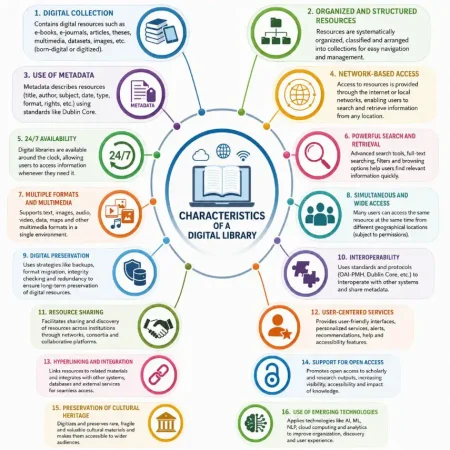
- Redefining Library Collections: One of the most significant ways in which digital transformation has impacted library resources is the transition from physical to digital collections. While traditional libraries have long been repositories of printed books, journals, and other physical materials, digital technologies have introduced new formats, such as e-books, digital archives, online databases, and multimedia resources. These digital collections offer numerous advantages, including easy access, reduced physical storage requirements, and the ability to serve a global audience.
Digital resources are particularly beneficial in academic libraries, where access to scholarly journals and research databases has become crucial. The ability to provide instant access to a vast array of digital publications enables researchers, students, and faculty members to engage with materials anytime, anywhere. The widespread availability of e-books, open-access journals, and digital research repositories further democratizes knowledge, making it more accessible to individuals who may not have had access to physical resources. - Enhanced Preservation and Access to Rare Resources: Another major impact of digital transformation is the ability to preserve and provide access to rare and fragile resources. Libraries house collections of historical documents, manuscripts, and archives that are often delicate and prone to deterioration. Through digitization, libraries can create high-quality digital copies of these materials, ensuring their preservation for future generations while maintaining broader accessibility.
For example, rare manuscripts or fragile books that were once inaccessible to the public due to their fragile condition can now be digitized, allowing for virtual browsing and study. Digital preservation not only extends the life of these materials but also allows researchers to access them remotely, breaking down geographical and physical barriers that might have once limited access. - Evolving Roles and Skill Sets of Library Staff: The advent of digital transformation has also brought about significant changes in the roles and responsibilities of library staff. Traditional tasks such as cataloging physical materials and shelving books have given way to more technical responsibilities, including digital content management, metadata creation, and the maintenance of digital archives. Library staff members now require a diverse set of skills, ranging from information technology expertise to digital curation and user experience design.
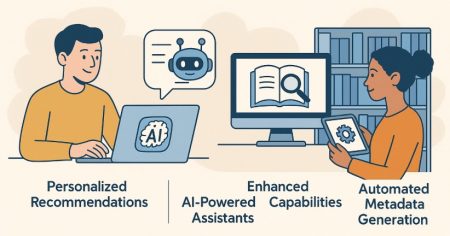
The integration of artificial intelligence (AI) and machine learning in libraries has further transformed staff functions. These technologies assist in managing large volumes of digital content, optimizing search functions, and providing personalized recommendations to users. Additionally, library staff must be prepared to support users in navigating the increasingly complex landscape of digital resources, which often includes teaching digital literacy and assisting with access to electronic databases, e-books, and online repositories. - The Hybrid Library Space: As libraries shift to digital resources, the physical space of the library is also being reimagined. Traditional libraries, once dominated by rows of bookshelves, are evolving into collaborative spaces designed to meet the needs of a digital-first world. Many libraries are incorporating technology hubs, digital labs, and multimedia centers where users can interact with digital tools and resources. The demand for quiet study spaces, group work areas, and areas for digital collaboration has led to a redesign of library layouts.
At the same time, physical collections remain an integral part of library resources. While the focus is increasingly on digital access, many libraries are still home to significant physical collections that require care and preservation. As such, libraries are embracing a hybrid model, combining both digital and physical resources to create a comprehensive and dynamic environment for users. - Ensuring Equitable Access: Despite the benefits of digital transformation, there are challenges associated with ensuring equitable access to digital resources. The digital divide, where certain groups have limited or no access to technology or the internet, remains a pressing issue for many libraries. Although digital resources can significantly expand access to information, libraries must address the disparity in digital access, especially for individuals from low-income backgrounds, rural areas, or developing countries.
To combat these challenges, many libraries are working to provide access to computers, internet connectivity, and digital literacy training to help users bridge the digital divide. Furthermore, libraries are focusing on making digital resources more user-friendly and accessible to people with disabilities, ensuring that all users have equal opportunities to benefit from the digital shift. - Copyright and Security Challenges: The digital transformation of library resources also raises important concerns related to copyright, intellectual property, and digital security. With the increased use of digital content, libraries must navigate complex copyright laws and licensing agreements to ensure that they are legally compliant when offering access to digital materials. Additionally, the protection of digital resources from unauthorized access, theft, and manipulation is a growing concern.
Libraries must invest in robust cybersecurity measures to safeguard their digital assets, particularly when dealing with sensitive materials or personal user data. They must also engage in ongoing discussions with publishers and content providers to negotiate fair access terms that benefit both users and creators.
The digital transformation of library resources is reshaping how libraries operate and serve their communities. While the transition to digital formats offers significant benefits, including greater access, preservation of rare materials, and more efficient resource management, it also presents challenges such as ensuring equitable access, maintaining security, and adapting staff roles to new technologies. As libraries continue to evolve in response to digital changes, they remain vital institutions for knowledge sharing, research, and learning. The future of libraries lies in their ability to balance the integration of new technologies with their core mission of providing access to information and fostering intellectual engagement for all users.
The Primary Drivers of Digital Transformation in Libraries and Their Impact on Resource Management and Access
The digital transformation of libraries is being driven by a combination of technological advancements, evolving user expectations, cost considerations, and the growing demand for open access to scholarly materials. Among the most significant drivers of this transformation are advancements in technology, such as cloud computing, artificial intelligence (AI), and machine learning. Cloud computing has enabled libraries to store and access vast amounts of digital content remotely, making resources available to users anywhere at any time. This shift not only reduces the need for physical storage space but also facilitates more efficient management and distribution of materials. Artificial intelligence is further transforming library services by automating tasks such as cataloging, metadata creation, and even user recommendations, streamlining operations, and enhancing the user experience. Machine learning helps libraries analyze large datasets to identify trends, improve resource curation, and offer personalized content based on user behavior.
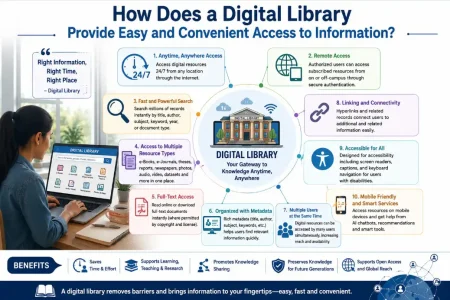
Another crucial driver of digital transformation is the growing expectation from users for instant access to library resources in digital formats. With the increasing reliance on mobile devices and the internet, library patrons now expect the same level of convenience and on-demand access to scholarly materials that they experience with commercial platforms. This has led to the widespread adoption of remote access solutions, allowing students, researchers, and faculty to access journals, e-books, and other digital resources both on and off-campus. Additionally, mobile-friendly platforms have made it easier for users to interact with library systems via their smartphones and tablets, making libraries more accessible and integrated into users’ daily lives.
Cost efficiency and resource optimization also play a significant role in the digital transformation of libraries. By moving from physical to digital collections, libraries can reduce costs related to the acquisition, maintenance, and storage of physical items. Digital resources, such as e-books and online journals, also eliminate the need for physical shelving, allowing libraries to optimize space and resources. Moreover, digital tools enable libraries to automate many of their operations, such as cataloging and circulation, reducing administrative burdens and allowing staff to focus on more value-added activities, such as user support and programming.
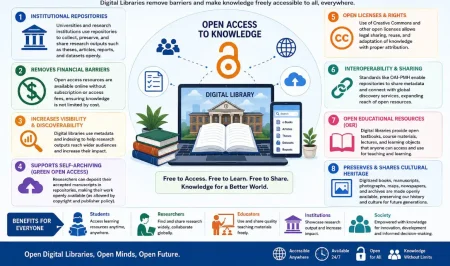
The rise of open access and the increasing need for global collaboration in research and education are also pushing libraries toward digital transformation. Open access initiatives aim to make scholarly resources freely available to the public, and libraries are responding by adopting institutional repositories to house and share research outputs. These digital archives preserve academic work and promote knowledge sharing within the global academic community. Additionally, collaborative platforms for research and learning are enabling scholars and students to work together more efficiently, breaking down geographical and institutional barriers.
Data-driven insights and analytics are another key factor influencing the digital transformation of libraries. Libraries are now able to gather and analyze data on user interactions with digital resources, helping them identify trends, understand user behavior, and make informed decisions about resource acquisition and management. By leveraging this data, libraries can tailor their collections to meet the specific needs of their users, ensuring that resources are utilized efficiently and effectively.
However, the shift toward digital resources also brings challenges, particularly in terms of security and privacy. As libraries store more user data and digital materials, they must invest in robust cybersecurity measures to protect sensitive information and ensure compliance with privacy laws. Managing digital rights and licensing agreements for digital content is another ongoing challenge, as libraries must navigate the complexities of copyright laws to ensure legal and equitable access to resources.
The Role of Digital Archives and Institutional Repositories in Preserving and Providing Access to Rare and Fragile Library Materials
Digital archives and institutional repositories play a crucial role in the preservation and access to rare and fragile library materials, offering a solution to the challenges posed by the physical deterioration of valuable resources. Traditional library collections often include documents, manuscripts, books, and records that are irreplaceable and may be susceptible to degradation over time due to handling, environmental conditions, and natural aging. By digitizing these materials, libraries ensure their long-term preservation while minimizing the risk of loss or damage. Digital archives create high-quality, accessible copies of these items, which can be stored safely on digital platforms, reducing the need for physical handling and exposure to potential harm. This process not only extends the life of these materials but also makes them available for future generations, ensuring that valuable cultural and academic knowledge is preserved.
Institutional repositories, in particular, serve as a digital repository for the intellectual output of an academic institution, including research papers, theses, dissertations, and faculty publications. These repositories act as a digital archive that promotes open access, providing researchers, students, and the public with immediate access to scholarly work without geographical or time constraints. By hosting these materials in a centralized online space, institutional repositories also foster collaboration and knowledge sharing across academic and research communities. Additionally, these repositories support the mission of academic institutions to preserve the research outputs of faculty and students, contributing to the institution’s academic legacy.
The digital nature of archives and repositories also provides enhanced searchability and accessibility. Users can easily search through large collections of materials, quickly finding specific documents or pieces of information. This is especially beneficial for rare or fragile materials, as it enables users to access the content without the risk of physically handling delicate items. Furthermore, digital archives and institutional repositories often provide metadata, which enhances discoverability and helps users locate relevant resources more efficiently. In this way, these digital platforms play an essential role in the ongoing efforts to safeguard rare and fragile library materials while expanding access to them in a way that was previously impossible with physical collections alone.
The Influence of Digital Resources on the Physical Space and Layout of Libraries
The shift to digital resources has significantly influenced the physical space and layout of libraries, prompting a rethinking of how these spaces are structured and utilized. Traditionally, libraries were designed to accommodate vast collections of physical books, journals, and reference materials, with rows of shelves taking up much of the available space. However, as digital resources such as e-books, online journals, and databases have become more prevalent, libraries are no longer reliant on storing large volumes of physical materials. This transition has allowed libraries to repurpose their spaces to better serve the needs of modern users.
One of the most significant changes is the reduction in the need for large, dedicated areas for physical collections. With many resources now available digitally, libraries are able to free up space previously occupied by bookshelves, making room for more flexible and dynamic learning environments. For instance, many libraries have transformed former book storage areas into technology centers, digital labs, and multimedia stations where users can access digital content, engage with interactive learning tools, or work collaboratively on projects. These spaces are designed to support the growing demand for digital literacy and hands-on engagement with technology.
In addition to creating more tech-oriented spaces, the shift to digital resources has also influenced the design of study and work areas. Libraries are increasingly incorporating varied environments to cater to different types of users and activities. While quiet study zones remain essential, libraries now also offer collaborative spaces that encourage group work and social learning. Flexible seating arrangements, movable furniture, and open areas promote a more interactive and adaptable approach to learning, reflecting the shift toward digital and collaborative work.
The integration of digital technologies within the library has led to the inclusion of self-service stations, digital catalogs, and interactive kiosks, all of which streamline the process of accessing materials and information. These features enhance user convenience and reduce the need for traditional reference desks or card catalog systems. Libraries are also focusing on improving user experience by making the physical space more user-friendly, ensuring that patrons can easily navigate both digital and physical resources.
The shift to digital resources has led to a transformation in the physical space and layout of libraries. By repurposing traditional storage areas and introducing technology-driven spaces, libraries are evolving to meet the demands of a digital age. These changes allow libraries to support a more flexible, collaborative, and interactive learning environment, ensuring that they remain relevant and accessible to users in an increasingly digital world.
The Implications of Digital Transformation for Library Staff: Evolving Roles and Skill Sets
The digital transformation in libraries is reshaping not only the way resources are managed and accessed but also the roles and responsibilities of library staff. As libraries increasingly embrace digital technologies such as cloud computing, artificial intelligence (AI), and data analytics, the traditional functions of librarians and library personnel are evolving to meet the demands of a more technology-driven environment. This transformation has had far-reaching implications for the skills, expertise, and functions required of library staff, compelling them to adapt to a rapidly changing landscape.
- Emergence of New Roles and Responsibilities: One of the most significant effects of digital transformation on library staff is the creation of new roles and responsibilities. Traditionally, librarians were tasked with managing physical collections, assisting with research, and organizing library spaces. However, as more libraries transition to digital formats, staff members are increasingly taking on roles that require expertise in digital content management, data curation, and online services. These roles often involve tasks such as overseeing digital repositories, managing electronic resources, and ensuring that digital collections are accessible to users both remotely and on-site.
For example, digital archivists and digital curation specialists are becoming integral parts of the library workforce, responsible for the preservation of digital materials and the management of institutional repositories. These professionals must possess specialized knowledge in areas like metadata creation, digital preservation techniques, and content migration to ensure that valuable resources are preserved and remain accessible over time. - Technological Proficiency and IT Skills: As libraries adopt advanced technologies such as cloud-based storage, automated cataloging systems, and AI-driven tools, there is a growing need for library staff to possess strong technological skills. Librarians and support staff must now be proficient in using a range of digital tools, including library management systems (LMS), e-resource platforms, and content management software. Familiarity with cloud computing platforms and data management systems is also increasingly important, as libraries rely on these technologies to store, organize, and access vast collections of digital content.
Moreover, with the increasing integration of artificial intelligence and machine learning into library services, staff members are required to have a basic understanding of these technologies to manage and troubleshoot AI-driven tools. From chatbots that assist with user inquiries to AI-powered search engines that improve resource discovery, library staff must be prepared to support and optimize these technologies to enhance the user experience. - Focus on User Experience and Digital Literacy: As libraries move toward digital resources, the focus of library staff is shifting toward improving the user experience and providing support for digital literacy. In the past, library staff were primarily concerned with assisting users in accessing physical books and printed materials. Today, however, they are tasked with guiding users through a growing array of digital tools and resources. This includes helping patrons navigate online databases, e-books, digital archives, and other electronic resources, which can be more complex than traditional library materials.
In addition, digital literacy has become a key area of focus for library staff. Libraries are increasingly offering training programs and workshops to help users develop the necessary skills to effectively engage with digital content. Library staff members, in turn, must be equipped with the knowledge and teaching skills to deliver these programs, helping users become proficient in digital research, online safety, and the ethical use of information. The ability to teach and promote digital literacy has thus become an essential skill for modern library staff. - Collaboration with External Stakeholders: The digital transformation of libraries is also leading to increased collaboration between libraries and external organizations. These collaborations often involve partnerships with universities, research institutions, and technology providers to enhance the library’s digital offerings. Library staff are increasingly working alongside IT professionals, faculty members, and external vendors to ensure the seamless integration of digital tools into library services.
In addition, libraries are collaborating with publishers and content providers to negotiate access to digital resources, such as e-books, online journals, and databases. These partnerships require library staff to be well-versed in licensing agreements, copyright laws, and subscription management to ensure that the library’s digital resources are legally compliant and accessible to users. - Continuous Professional Development and Training: The rapid pace of technological change in libraries means that library staff must engage in ongoing professional development to stay current with new tools and trends. As digital transformation continues to evolve, the need for continuous training in emerging technologies, data management, and digital preservation practices is critical. Many libraries are investing in training programs and professional development opportunities to help staff acquire the skills needed to manage digital resources effectively.
Staff members are also encouraged to stay informed about developments in fields like information technology, digital humanities, and open-access publishing. This ensures that library staff remain adaptable and capable of supporting the ever-changing needs of library users in the digital age.
The digital transformation of libraries has brought about significant changes in the roles and responsibilities of library staff. As libraries increasingly rely on digital technologies to manage resources, improve user experiences, and offer new services, library staff must adapt by acquiring new skills in areas such as digital content management, IT proficiency, user support, and collaboration with external stakeholders. The evolution of library staff roles reflects the broader shift in libraries from traditional, print-based institutions to dynamic, technology-driven hubs of information and learning. For libraries to remain effective and relevant in the digital age, it is essential that library staff continue to embrace new technologies, develop their expertise, and prioritize digital literacy and user engagement. Through these efforts, libraries can continue to serve as valuable resources for their communities, helping individuals navigate the complex and ever-changing landscape of digital information.
The Impact of Digital Transformation on Library Patrons’ Expectations and Libraries’ Response
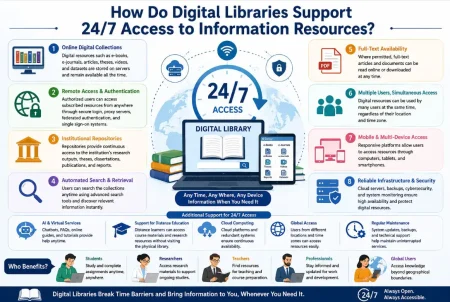
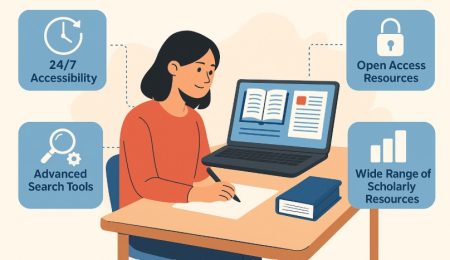
Digital transformation has significantly influenced library patrons’ expectations, shifting their demands from traditional, in-person services to more flexible, accessible, and technology-driven experiences. In an era where users are accustomed to the convenience of digital platforms in almost every aspect of their lives, patrons now expect libraries to provide seamless, on-demand access to a wide range of digital resources, including e-books, journals, research databases, and multimedia content. The expectation for 24/7 access to information is no longer a luxury but a necessity, as users seek the freedom to access materials from anywhere, at any time, using their preferred devices, whether it be smartphones, tablets, or laptops.
As a result of this digital shift, patrons also expect a more personalized and intuitive user experience. They want libraries to deliver content that is relevant to their individual needs, often in the form of AI-powered recommendations, customized search results, and tailored research assistance. The ability to quickly find and access materials, without the limitations of physical space and hours of operation, has become a key expectation of modern library users. Additionally, digital literacy has become an essential skill for many patrons, who now rely on libraries not only for access to information but also for guidance in navigating the complexities of digital tools, online databases, and research platforms.
In response to these evolving expectations, libraries have made significant adjustments to their services and infrastructure. Many have invested in expanding their digital collections, ensuring that a wide variety of e-books, online journals, and research materials are available to users both on and off-campus. Libraries have also introduced self-service features such as digital catalogs, online lending systems, and automated checkout processes, allowing patrons to manage their library experience independently and efficiently. To support the growing demand for digital access, libraries are increasingly integrating cloud-based systems, which enable users to access resources remotely and instantly.
Moreover, libraries have enhanced their online presence and engagement by offering virtual reference services, webinars, and digital literacy training. These services help patrons navigate the digital resources available to them and improve their ability to conduct research in the digital age. Libraries have also prioritized mobile-friendly platforms, ensuring that patrons can access resources and services on the go. By responding proactively to the digital transformation, libraries have not only met the evolving needs of their patrons but have also positioned themselves as critical hubs of knowledge, learning, and support in the digital era. Through these efforts, libraries continue to play a vital role in empowering individuals to engage with information and knowledge in increasingly flexible and efficient ways.
Managing Physical and Digital Collections: Challenges and Balancing the Two in a Hybrid Environment
Managing both physical and digital collections presents libraries with a unique set of challenges, especially as the demand for digital resources continues to rise while traditional print materials remain integral to library services. One of the primary challenges libraries face is ensuring that both collections are efficiently organized and accessible without sacrificing the integrity or availability of either format. The sheer volume of materials, ranging from e-books and online journals to physical books, manuscripts, and archival documents, requires libraries to adopt sophisticated cataloging systems that can seamlessly integrate both physical and digital content. This often involves ensuring that metadata for digital resources is as robust as that for physical items, which can be a time-consuming and complex task.
Another challenge is the management of storage space. While digital collections eliminate the need for physical storage, libraries must still maintain significant physical space for books, archives, and other materials that are not easily digitized. As the digital collection grows, libraries are faced with the need to balance limited physical space with expanding digital resources. This can lead to logistical difficulties in resource allocation, where libraries must decide how much physical space to dedicate to traditional collections versus digital access points, such as computer stations, digital kiosks, or multimedia centers. Additionally, maintaining the physical infrastructure, such as servers for digital collections or space for digitization labs, adds another layer of complexity to the management process.
The preservation of both physical and digital materials also poses a significant challenge. Physical collections are subject to wear and tear over time, while digital content faces risks such as data corruption, file format obsolescence, and technological failures. Libraries must implement preservation strategies for both formats, which can involve investing in high-quality storage systems for physical items and robust backup solutions and digital preservation methods for electronic content. For example, physical archives may require climate-controlled environments, while digital content needs to be regularly backed up and migrated to newer formats to ensure long-term access.
Balancing the two types of collections in a hybrid environment requires libraries to adopt a flexible and adaptive approach. One effective strategy is the integration of technology to create a seamless user experience between physical and digital materials. Libraries can use digital catalogs and integrated library management systems (ILS) that allow users to search both physical and digital collections from a single interface. Additionally, implementing hybrid spaces—areas where users can access both physical books and digital resources—helps bridge the gap between the two formats. Providing training in digital literacy ensures that patrons are equally comfortable navigating both physical and digital resources. Furthermore, libraries must prioritize resource sharing and collaboration with other institutions. By participating in interlibrary loan programs or digital repositories, libraries can provide patrons with access to materials that may not be physically available on-site but can be accessed digitally or through external networks. This collaboration not only enhances the breadth of available resources but also alleviates some of the space and preservation pressures libraries face in managing both types of collections.
In conclusion, while managing both physical and digital collections presents various challenges, libraries can balance the two by employing a well-coordinated approach that integrates technology, adapts to space limitations, and focuses on long-term preservation. Through innovation and collaboration, libraries can effectively maintain a hybrid environment that meets the diverse needs of their users while ensuring the accessibility and preservation of both physical and digital resources.
Reference Articles:
- Afolabi, O. E., Oyebola, R. T., & Komolafe, R. S. (2024). Adoption of digital transformation strategies for library services by private university libraries in Osun State, Nigeria. Samaru Journal of Information Studies, 24(1), Article 1.
- Ashiq, M., Jabeen, F., & Mahmood, K. (2022). Transformation of libraries during Covid-19 pandemic: A systematic review. The Journal of Academic Librarianship, 48(4), 102534. https://doi.org/10.1016/j.acalib.2022.102534
- Baryshev, R. A., Tsvetochkina, I. A., Babina, O. I., Kasyanchuk, E. N., & Manushkina, M. M. (2020). Transformation of University Libraries During the Digital Era. Журнал Сибирского Федерального Университета. Гуманитарные Науки, 13(7), Article 7.
- Daigle, B. J. (2012). The Digital Transformation of Special Collections. Journal of Library Administration, 52(3–4), 244–264. https://doi.org/10.1080/01930826.2012.684504
- Ferreira, M., Preto, P., & Braga, I. (2021). Academic Libraries in The Digital Transformation: The Case of the Library of the Faculty of Economics of Porto. Bobcatsss, 44–53. https://doi.org/10.34630/bobcatsss.vi.4959
- Hapsari, D., Haryanto, H., & Firdausy, A. G. (2025). Digital library innovation and challenges in supporting sustainable development through digital transformation. BIS Information Technology and Computer Science, 2, V225009–V225009. https://doi.org/10.31603/bistycs.186
- Horban, Y., Dolbenko, T., Kobyzhcha, N., Kasian, V., Karakoz, O., & Haisyniuk, N. (2024). Digital Transformation of Ukrainian Libraries: Current State and Prospects. AFRICAN JOURNAL OF APPLIED RESEARCH, 10(1), Article 1. https://doi.org/10.26437/ajar.v10i1.672
- Indrák, M., & Pokorná, L. (2020). Analysis of digital transformation of services in a research library. Global Knowledge, Memory and Communication, 70(1/2), 154–172. https://doi.org/10.1108/GKMC-09-2019-0118
- Innovative Digital Transformation for Dynamic Information Service Sustainability in University Libraries in Nigeria. (2022). Folia Toruniensia, 22(1), 67–86.
- Jabeen, M., Faraz, M. T., & Jabeen, M. (2024). Digital transformation of reading behaviors among allied health students: Insights from medical libraries in Pakistan. Global Knowledge, Memory and Communication, ahead-of-print(ahead-of-print). https://doi.org/10.1108/GKMC-11-2023-0460
- Kempf, K. (2023). Moving Libraries toward Digital Transformation. The International Information & Library Review, 55(3), 233–240. https://doi.org/10.1080/10572317.2023.2231715
- Khoeini, S., Noruzi, A., Naghshineh, N., & Sheikhshoaei, F. (2024). Designing the digital transformation model of public university libraries in Iran based on Delphi method. Digital Library Perspectives, 41(1), 45–73. https://doi.org/10.1108/DLP-06-2024-0100
- Liman, Y. A., & Aliyu, M. M. (2023). Digital transformation and innovation of academic libraries: A content analysis. Samaru Journal of Information Studies, 23(1), Article 1.
- Liu, Y., Huang, J., & Wang, Y. (2024). Digital Transformation and the Future of Public Libraries in China: Assessing Innovations, Challenges, and User Engagement. Studies in Social Science & Humanities, 3(5), Article 5.
- Lotova, E. Y., & Юрьевна, Л. Е. (2022). Digital transformation of the university library in the context of information abundance. RUDN Journal of Informatization in Education, 19(3), Article 3. https://doi.org/10.22363/2312-8631-2022-19-3-249-264
- Maltese, V. (2018). Digital Transformation Challenges for Universities: Ensuring Information Consistency Across Digital Services. Cataloging & Classification Quarterly, 56(7), 592–606. https://doi.org/10.1080/01639374.2018.1504847
- Meesad, P., & Mingkhwan, A. (2024). Digital transformationDigital Transformation: Reshaping Access and Engagement. In P. Meesad & A. Mingkhwan (Eds.), Libraries in Transformation: Navigating to AI-Powered Libraries (pp. 101–135). Springer Nature Switzerland. https://doi.org/10.1007/978-3-031-69216-1_4
- Okunlaya, R. O., Abdullah, N. S., & Alias, R. A. (2022). Artificial intelligence (AI) library services innovative conceptual framework for the digital transformation of university education. Library Hi Tech, 40(6), 1869–1892. https://doi.org/10.1108/LHT-07-2021-0242
- Rahyadi, I., Betty, Dungcik, M., Ubudiah, I., & Wirahman, A. (2023). Printed or digital? An exploration of digital transformation in Indonesian library. AIP Conference Proceedings, 2594(1), 120017. https://doi.org/10.1063/5.0109155
- Sandhu, G. (2018). The Role of Academic Libraries in the Digital Transformation of the Universities. 2018 5th International Symposium on Emerging Trends and Technologies in Libraries and Information Services (ETTLIS), 292–296. https://doi.org/10.1109/ETTLIS.2018.8485258
- Singh, B. P. (n.d.). Digital Transformation of library services in the Mobile World: The future trends.
- Singh, K., Asif, M., & Ugc-Net, M. (2022). Emerging trends and technologies for digital transformation of libraries. IP Indian Journal of Library Science and Information Technology, 4, 41.