The Impact of Automation on Academic Libraries
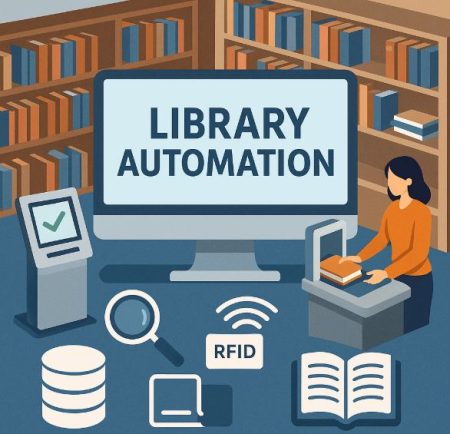
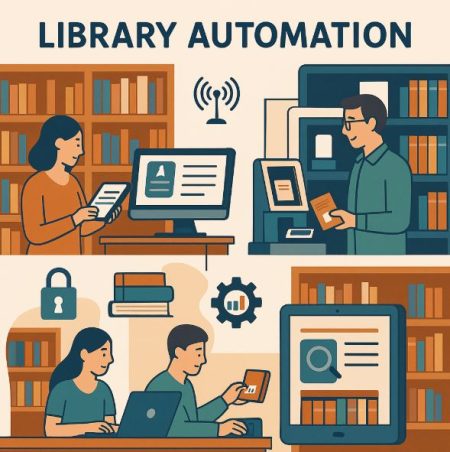
The integration of automation technologies in academic libraries has significantly transformed how libraries manage resources, interact with users, and deliver services. By streamlining routine tasks, improving operational efficiency, and enhancing user experience, automation has become a vital component of modern library management. The impact of automation in academic libraries extends across various areas, influencing everything from administrative workflows to user access to resources. Automation has improved operational efficiency by enabling libraries to automate tasks like cataloguing, circulation, acquisitions, and inventory management. These systems reduce human error, save staff time, and ensure smooth library operations. For example, automated circulation systems allow users to check out and return books independently, giving library staff more time for other tasks, such as user support and research assistance. Additionally, automated cataloguing processes ensure that new resources are added quickly and accurately by pulling bibliographic information from external databases, which enhances the accuracy of library catalogues and makes resources easier for users to locate.
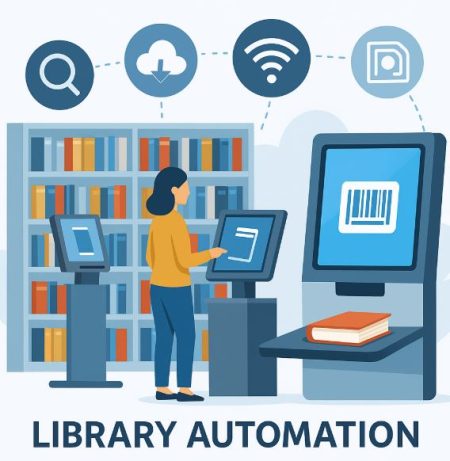
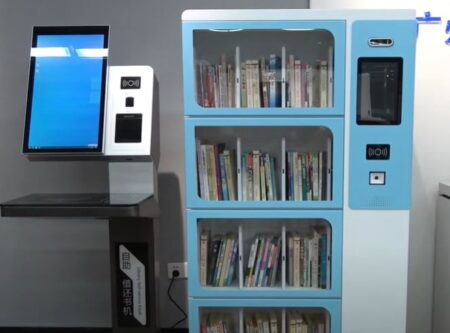
User experience has also been greatly enhanced by automation, particularly through self-service technologies. Self-checkout stations and automated book returns provide users with greater flexibility, reducing wait times and creating a seamless experience, especially for students who may have limited time between classes to visit the library. Furthermore, automated search systems and online catalogues allow students and faculty to access resources remotely, improving accessibility and availability. This is especially valuable as academic libraries increasingly support remote and hybrid learning environments, where access to materials outside of traditional library hours is critical. Automation also supports personalized services, offering tailored recommendations based on borrowing histories or research interests, which helps users discover relevant materials they might have otherwise overlooked.
The shift toward digital resources in academic libraries has been significantly facilitated by automation, enabling libraries to manage e-books, online journals, and databases more efficiently. Automated systems help integrate digital content into the library’s catalogue, making it easily discoverable and accessible to users, whether they are on or off campus. This has greatly improved the availability of digital resources, supporting the growing demand for online educational materials. Automated resource management ensures that users have consistent access to critical academic content, regardless of their physical location, making libraries more adaptable to the evolving needs of students and faculty.
In addition to improving efficiency and user experience, automation has also resulted in cost savings for academic libraries. By automating routine tasks, libraries can reduce the need for staff to perform manual labor, allowing them to allocate resources to other areas such as research support or community engagement. The reduction in errors and increased efficiency also means fewer misplacements of resources and more effective inventory control. Moreover, the automation of tasks like cataloguing and circulation reduces the need for physical resources, such as paper, and helps libraries move toward paperless operations, which contributes to both cost savings and environmental sustainability.
However, the transition to automation in academic libraries is not without its challenges. One of the major obstacles is the integration of new systems with existing legacy systems. Many academic libraries rely on traditional workflows, and the process of upgrading to automated systems can be complex, requiring significant investments in new hardware, software, and staff training. Libraries that lack dedicated IT staff may struggle with ongoing maintenance and technical support, which can lead to system downtime or disruptions in service. Security and privacy concerns are also critical as libraries handle sensitive user data, such as personal information and borrowing histories. Academic libraries must ensure their automated systems comply with data protection regulations like GDPR or FERPA and implement robust security measures to protect user data from cyber threats.
Despite these challenges, the impact of automation on academic libraries has been overwhelmingly positive. Automation has improved operational efficiency, enhanced the user experience, and made library services more accessible. By enabling libraries to manage both physical and digital resources more effectively, automation ensures that libraries can meet the needs of their academic communities in a rapidly changing educational landscape. While libraries must address the challenges of system integration, maintenance, and security, the strategic adoption of automation technologies is crucial for libraries to continue evolving and providing valuable resources for learning, research, and scholarship in the digital age.