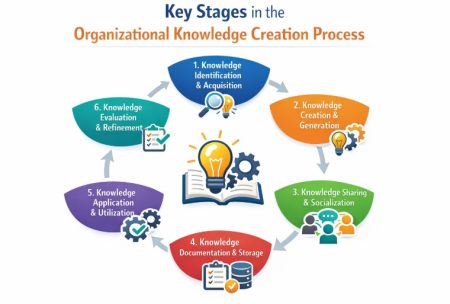
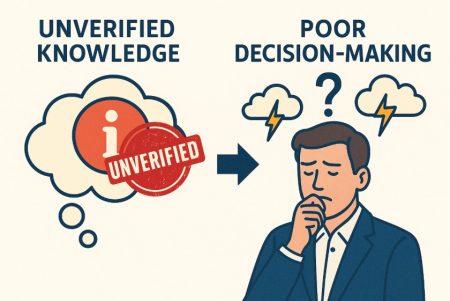
Organizing knowledge is a fundamental process that involves the systematic categorization and structuring of information to make it accessible, understandable, and usable. In fields such as library science, information management, and digital libraries, organizing knowledge plays a pivotal role in ensuring that vast amounts of data can be efficiently stored, retrieved, and shared. Knowledge organization typically involves creating frameworks such as classification systems, taxonomies, and metadata standards, which help in grouping similar concepts and making connections between pieces of information. The importance of this process lies in its ability to improve the efficiency of information retrieval, making it easier for users to locate relevant resources amidst the ever-growing volume of content. In libraries, for example, well-organized catalogs allow users to quickly find books, journals, and other materials, while digital libraries use sophisticated indexing and search algorithms to help users discover information across various formats. Furthermore, in information management, knowledge organization ensures that businesses, researchers, and institutions can maintain control over their data, streamline decision-making processes, and enhance overall productivity. By optimizing the way knowledge is structured, these fields empower users to access critical information when needed, fostering learning, research, and informed decision-making.
The Complexity of Knowledge
The complexity of knowledge stems from its diverse nature, vast scope, and the ever-evolving ways in which it is created, organized, and utilized. Knowledge is not a singular, unified entity; it exists in various forms and can be categorized into explicit and tacit knowledge. Explicit knowledge is easily articulated, documented, and shared, such as in textbooks, articles, or databases. For example, a medical textbook detailing human anatomy provides clear, structured knowledge that is easily accessible and transferable. On the other hand, tacit knowledge, which encompasses personal experiences, intuition, and skills, is far more difficult to articulate or organize. A skilled surgeon’s ability to perform complex procedures based on years of practice is a form of tacit knowledge that cannot easily be captured in written form. This difference between explicit and tacit knowledge highlights one of the fundamental complexities of organizing knowledge—how to categorize and store both types effectively.
Knowledge spans across a multitude of subjects, each with its own set of complexities. For example, the physical sciences deal with empirical data and controlled experiments, while the humanities, such as literature or philosophy, often explore abstract concepts and subjective interpretations. The distinct ways in which knowledge is structured in these fields complicate efforts to create a universal system of organization. Interdisciplinary fields like environmental science, which combine aspects of biology, chemistry, and sociology, add another layer of complexity, as they require the integration of knowledge from diverse domains with differing terminologies, methodologies, and conceptual frameworks.
The evolving nature of knowledge further complicates its organization. As new discoveries are made and societal understanding changes, previously held beliefs may be revised or discarded. Consider the field of astronomy- what was once believed about the structure of the universe has been transformed by new discoveries, such as the existence of dark matter. These shifts in knowledge demand that systems used to organize information remain flexible and adaptable. What is considered accurate or true today might be challenged by new research tomorrow, making it difficult to create a permanent, rigid structure for organizing knowledge.
The sheer volume of knowledge today adds another dimension to its complexity. With the advent of digital technologies, the amount of data being produced is growing exponentially. Every day, millions of new articles, research papers, and multimedia files are generated, making it increasingly difficult to keep up with and organize this vast amount of information. For instance, digital libraries and repositories like PubMed or JSTOR contain an overwhelming number of articles on various subjects, requiring sophisticated systems to categorize, index, and ensure that users can quickly find relevant material.
Knowledge is often deeply interconnected. Ideas and concepts from different disciplines may overlap or inform each other, making organizing knowledge challenging. For example, a research paper in the field of climate change may draw on concepts from environmental science, economics, politics, and even sociology, creating complex webs of relationships between different types of knowledge. This interconnectedness complicates the task of organizing knowledge in a way that reflects these relationships and prevents oversimplification.
Knowledge is shaped by cultural and contextual differences, which further complicates its organization. What is considered valuable or important knowledge can vary from one society to another. For instance, Western medicine may prioritize scientific, evidence-based treatments, while traditional medicine in other cultures may emphasize holistic and spiritual healing methods. The differences in how knowledge is perceived and valued across cultures make it challenging to create standardized systems for organizing knowledge that are universally applicable.
The Challenges of Organizing Knowledge
Organizing knowledge is a critical endeavor that facilitates the efficient storage, retrieval, and use of information. However, the task is fraught with challenges due to the diverse, dynamic, and complex nature of knowledge itself. These challenges arise from various factors, including the sheer volume of information, the evolving nature of knowledge, cultural differences, technological limitations, and the intricacies of human cognition.
- Volume and Growth of Information: One of the most pressing challenges in organizing knowledge today is the overwhelming volume of information being produced. In the digital age, the amount of data generated daily is staggering. With the rise of the internet, digital publications, social media, and research databases, the sheer amount of information has exploded, making it difficult to manage and organize effectively. For instance, academic databases such as JSTOR, PubMed, or Google Scholar house millions of articles and papers that need to be classified and made accessible to users. The speed at which new content is produced requires constant updates to knowledge management systems to ensure they remain relevant and functional. The difficulty lies not just in the volume but in ensuring that users can easily navigate through this sea of information to find what is most relevant to their needs.
- Diversity and Complexity of Knowledge: Knowledge comes in many forms—explicit, tacit, structured, and unstructured—and this diversity presents another significant challenge. Explicit knowledge, such as written texts, manuals, or research papers, is relatively easy to categorize and store. However, tacit knowledge, which consists of personal experiences, skills, and intuitions, is harder to capture and organize. For example, a seasoned doctor’s experience in diagnosing illnesses may not be easily articulated or classified in a textbook. This gap between explicit and tacit knowledge complicates the design of knowledge management systems that aim to incorporate both types of knowledge.
Moreover, knowledge spans a wide array of disciplines, each with its own structure, terminology, and methods of inquiry. Fields such as medicine, law, and engineering require highly specialized knowledge and often use complex terminologies, making it difficult to standardize categorization across disciplines. Furthermore, interdisciplinary fields, such as environmental science, which combine elements from biology, sociology, and economics, introduce additional complexity. How can knowledge be classified in such a way that it serves the needs of users from multiple disciplines, each bringing a different perspective and framework? - The Evolving Nature of Knowledge: Another key challenge is the constantly evolving nature of knowledge. New discoveries, shifting societal values, and technological advancements regularly redefine what we know. For instance, in the field of medicine, treatments that were once considered state-of-the-art are now outdated as new research emerges. This ever-changing landscape makes it difficult to create knowledge management systems that remain up-to-date. As new knowledge is generated, it must be integrated into existing systems in a way that is coherent and reflects the most current understanding. Static knowledge organization systems are ill-equipped to handle such continuous change, necessitating flexible, dynamic approaches to categorization and indexing.
- Interconnectedness of Knowledge: Knowledge is rarely isolated; rather, it is interconnected across different domains. Concepts from one field often inform and influence those in another, making knowledge organization even more complex. For example, research on climate change may involve elements of environmental science, economics, politics, and sociology, making it difficult to categorize within a single framework. Traditional classification systems, such as the Dewey Decimal Classification (DDC) or the Library of Congress Classification (LCC), are often organized by specific disciplines, but they fail to account for the fluid and interconnected nature of modern knowledge. How can knowledge be categorized in a way that reflects the relationships between disparate ideas while still being useful for specific searches?
- Technological Limitations: While technological advancements have vastly improved our ability to store and organize information, they also present challenges. One of the main issues is the lack of interoperability between different knowledge management systems. Many institutions, such as libraries and universities, use different platforms and systems to store data. This lack of standardization often leads to compatibility issues, making it difficult to share and retrieve information across systems. For instance, a user may struggle to access articles stored in one database because the system is incompatible with another platform that houses additional resources.
Moreover, while artificial intelligence (AI) and machine learning (ML) have made significant strides in assisting with knowledge organization, these technologies are still in development. They offer the potential to automate the categorization of knowledge and improve search functions, but they also face challenges related to accuracy, scalability, and bias. AI-based systems may misclassify information or struggle with complex or ambiguous data, further complicating the task of organizing knowledge. - Cultural and Societal Differences: Knowledge is also shaped by cultural and societal factors, which can influence how it is organized and classified. What one society values as important knowledge may be viewed differently in another. For example, Western medical practices may prioritize evidence-based treatments, while traditional medicine in other cultures may place more emphasis on holistic healing. These differing perspectives can make it difficult to create a universal classification system that satisfies the needs of a global audience. Additionally, language barriers create further challenges. Translating concepts across languages often leads to nuances being lost, which can hinder the categorization and understanding of knowledge in multilingual systems.
- Human Factors and Cognitive Limitations: Organizing knowledge also involves considering human factors. Users interact with knowledge management systems, and their diverse needs, preferences, and cognitive abilities play a crucial role in how information is organized. For instance, some users may be familiar with certain technical terms, while others may not, requiring systems to strike a balance between technical specificity and user-friendliness. Additionally, human cognitive limitations, such as attention span and memory, need to be accounted for when designing knowledge systems. Overly complex categorization systems with too many categories or subcategories can overwhelm users, making it harder for them to find the information they need.
- Ethical and Legal Issues: Finally, ethical and legal considerations complicate the organization of knowledge. Issues such as intellectual property rights, privacy, and data security need to be carefully considered when creating knowledge management systems. For example, academic papers and research data may be restricted by copyright laws, limiting access and sharing. Similarly, personal information or sensitive data must be organized in a way that respects privacy and complies with legal regulations. These concerns create additional layers of complexity in how knowledge is categorized and made accessible.
The challenges of organizing knowledge are vast and multifaceted, encompassing issues related to the volume and diversity of information, the evolving nature of knowledge, technological limitations, and cultural differences. As knowledge continues to grow and become increasingly interconnected, the need for effective, flexible, and adaptive systems for organizing and managing information becomes more pressing. Despite these challenges, advancements in technology, such as AI and machine learning, along with improved global collaboration, offer promising solutions for overcoming some of these barriers. The task of organizing knowledge may be complex, but it is essential to ensure that valuable information remains accessible, usable, and useful for future generations.
Solutions and Innovations in Organizing Knowledge
As the challenges of organizing knowledge continue to evolve, so too do the innovative solutions and strategies designed to address them. Technological advancements, interdisciplinary approaches, and new frameworks for collaboration have led to the development of creative ways to organize, manage, and access information more efficiently. These innovations are crucial for tackling the complexities associated with the volume, diversity, and dynamic nature of knowledge. Here, we explore some of the most promising solutions and innovations in the field of knowledge organization.
- Artificial Intelligence (AI) and Machine Learning (ML): One of the most significant innovations in knowledge organization is the integration of artificial intelligence (AI) and machine learning (ML). These technologies offer tremendous potential in automating the organization, classification, and retrieval of knowledge. AI and ML can process vast amounts of data, identify patterns, and improve the categorization of knowledge in ways that were previously impossible for humans to manage alone.
For example, machine learning algorithms can be used to automatically tag content with relevant keywords, classify documents into appropriate categories, and even improve search results based on user behavior and preferences. Natural language processing (NLP), a subset of AI, can also be employed to understand the meaning and context of text, enabling more accurate categorization of information. These technologies are particularly useful for managing unstructured data, such as text-based content, social media posts, and multimedia files, which are increasingly becoming a significant portion of the knowledge base.
Example: In digital libraries, AI-based systems are already used to recommend relevant research papers to users, taking into account their search history, academic interests, and the semantic meaning of the content they are accessing. - Interoperability and Standards for Knowledge Sharing: Another important innovation is the push toward interoperability—the ability of different systems and platforms to work together seamlessly. As knowledge is often stored in different formats and systems (e.g., academic databases, digital libraries, social media platforms), ensuring these systems can communicate and share information is crucial. Standardization of metadata and classification systems is a key part of this solution.
For example, initiatives like Dublin Core metadata standards and the Resource Description and Access (RDA) framework provide common structures for describing resources in digital libraries and repositories. By adopting standardized metadata schemes, libraries, organizations, and research institutions can improve the ease of sharing and accessing knowledge across different systems. This is particularly important for fields that rely heavily on cross-discipline collaboration, where knowledge is spread across various repositories and databases.
Example: The Open Archives Initiative Protocol for Metadata Harvesting (OAI-PMH) is widely used in digital libraries to enable the sharing of metadata across repositories, enhancing the discoverability and interoperability of resources. - Knowledge Graphs and Semantic Technologies: A major advancement in organizing complex, interconnected knowledge is the use of knowledge graphs and semantic technologies. Knowledge graphs represent relationships between different entities, concepts, and facts in a graph-based structure, where nodes represent entities (such as people, places, or concepts) and edges represent the relationships between them. This structure reflects how knowledge is often interconnected, making it easier to retrieve information in a contextually relevant manner.
By using semantic technologies, which enable machines to understand the meaning and context of information, knowledge graphs help bridge the gap between different disciplines, allowing for a more holistic view of knowledge. This innovation allows systems to move beyond simple keyword searches to provide results that reflect the user’s intent and the relationships between different pieces of information.
Example: Google’s search engine uses a form of a knowledge graph to enhance search results, providing users with not only relevant links but also contextualized information about the topics they are searching for, such as facts, images, and related concepts. - Crowdsourcing and Collaborative Knowledge Organization: Crowdsourcing has emerged as a valuable tool for organizing knowledge in ways that leverage the collective intelligence of large groups of people. Platforms like Wikipedia have shown how collaborative efforts can be used to organize vast amounts of information, continually refined and updated by a community of contributors.
In the context of knowledge organization, crowdsourcing can be employed to create taxonomies, categorize resources, and update information. By involving diverse contributors, crowdsourcing ensures that multiple perspectives are included, leading to more comprehensive and accurate systems of knowledge classification. Additionally, this approach can help address the limitations of traditional, centralized knowledge management systems, providing a more dynamic, community-driven approach to organizing information.
Example: Projects like Wikidata allow users to collaboratively contribute and update structured data, which is used by various applications and systems to organize knowledge across domains. - User-Centric and Adaptive Knowledge Systems: User-centric design and adaptive systems are essential innovations in knowledge organization. Traditional classification systems are often static and based on predefined structures, which may not always align with the needs and preferences of users. In contrast, adaptive knowledge systems use feedback loops and personalization techniques to continuously evolve based on user interactions.
These systems allow for more personalized and flexible information retrieval, adapting to the individual needs of users over time. For example, recommender systems can learn from a user’s previous searches, interactions, and preferences to suggest relevant resources or categorize knowledge in ways that are most beneficial to the user. These systems become more efficient by incorporating user feedback, reducing cognitive overload, and enhancing the overall user experience.
Example: Amazon’s recommendation engine uses past purchase behavior and browsing history to suggest products tailored to individual preferences, which can be applied to knowledge organization systems in libraries and digital repositories. - Blockchain for Knowledge Security and Provenance: Blockchain technology has found a niche in the world of knowledge organization, especially in areas related to knowledge security, provenance, and data integrity. Blockchain’s decentralized nature ensures that information cannot be tampered with, and its use of cryptographic hashing provides a verifiable and immutable record of transactions.
In knowledge management, blockchain can be used to track the origins of data, establish ownership, and ensure that information is secure. For example, in academic publishing, blockchain could be used to ensure the transparency and traceability of research findings, preventing issues like plagiarism or data manipulation.
Example: Everledger, a blockchain-based platform, tracks the provenance of diamonds, ensuring transparency in the supply chain. Similar blockchain-based solutions could be applied to academic publishing to maintain the integrity and traceability of scholarly articles. - Flexible Taxonomy and Tagging Systems: Another solution to the challenge of organizing diverse and interconnected knowledge is the use of flexible taxonomies and tagging systems. Unlike traditional classification systems, which rely on fixed categories, flexible taxonomies allow users to assign multiple tags to a piece of knowledge, making it easier to categorize and retrieve information from multiple angles.
This method helps to overcome the problem of rigid categorization, especially in interdisciplinary fields, where a single piece of knowledge may span multiple categories. Flexible tagging systems also allow users to apply their own labels, which can be particularly useful in digital repositories or social media platforms where content is user-generated.
Example: Folksonomies, or user-generated tagging systems like those found on platforms such as Delicious or Flickr, allow users to categorize and tag content in a way that reflects personal or collective understanding, enhancing searchability and context.
Innovations in knowledge organization are continually reshaping how we classify, retrieve, and use information. From AI and machine learning to blockchain and crowdsourcing, these technological advancements offer powerful solutions to the complexities of organizing knowledge. However, while these innovations hold great promise, they also present new challenges that require ongoing adaptation and refinement. As knowledge continues to grow and evolve, the tools and systems we use to organize it must also remain flexible, adaptive, and responsive to the ever-changing landscape of information. Through continued innovation, the challenges of organizing knowledge can be met, allowing for more efficient, effective, and accessible knowledge management systems.
Reference Articles:
- Bhatt, G. D. (2000). Organizing knowledge in the knowledge development cycle. Journal of Knowledge Management, 4(1), 15–26. https://doi.org/10.1108/13673270010315371
- Boulus-Rødje, N., & Bjorn, P. (2015). Design Challenges in Supporting Distributed Knowledge: An Examination of Organizing Elections. Proceedings of the 33rd Annual ACM Conference on Human Factors in Computing Systems, 3137–3146. https://doi.org/10.1145/2702123.2702458
- Coakes, E. (2003). Knowledge Management: Current Issues and Challenges. Idea Group Inc (IGI).
- Denizhan Kalkan, V. (2008). An overall view of knowledge management challenges for global business. Business Process Management Journal, 14(3), 390–400. https://doi.org/10.1108/14637150810876689
- Foss, N. J. (2007). The Emerging Knowledge Governance Approach: Challenges and Characteristics. Organization, 14(1), 29–52. https://doi.org/10.1177/1350508407071859
- Garcia, S., & Sosa-Fey, J. (2020). KNOWLEDGE MANAGEMENT: WHAT ARE THE CHALLENGES FOR ACHIEVING ORGANIZATIONAL SUCCESS? International Journal of Business & Public Administration, 17(2), 15–28.
- Sharp, D. (2003). Knowledge Management Today: Challenges and Opportunities. Information Systems Management. https://doi.org/10.1201/1078/43204.20.2.20030301/41468.6
- Teece, D. J., & Nonaka, I. (2000). Managing Industrial Knowledge: Perspectives on Cooperation and Competition. 1–352.