Libraries and the Knowledge-Based Economy are closely intertwined, as libraries play a crucial role in facilitating the generation, dissemination, and application of knowledge that drives modern economic growth. In a knowledge-based economy, where innovation, research, and intellectual capital are key drivers of success, libraries act as hubs of learning and collaboration. They provide access to vast digital and physical resources, support lifelong learning, and foster an environment where students, professionals, and researchers can engage with new ideas and technologies.
Libraries are evolving into dynamic, technology-rich spaces, incorporating digital tools, research databases, and collaborative platforms that reflect the needs of a knowledge-driven society. By enabling access to information, promoting digital literacy, and fostering an innovative culture, libraries contribute to developing skilled workforces and creating intellectual capital, essential for sustainable growth in a knowledge-based economy.
What is a Knowledge-Based Economy?
A knowledge-based economy (KBE) is an economic system where knowledge, information, and expertise are the primary drivers of growth, productivity, and innovation. In contrast to traditional economies that rely on physical resources, land, and manual labor, a KBE focuses on intellectual capital, technological development, and a highly skilled workforce. Knowledge is treated as a valuable asset, influencing industries such as technology, research, education, and services. Innovation and creativity are central to a KBE, with continuous advancements in information and communication technologies (ICT) shaping the economy. The education system is critical, producing skilled individuals who can generate, apply, and distribute knowledge efficiently. Investment in research and development (R&D) becomes vital as it fuels discoveries, leading to economic growth and competitiveness in global markets. Countries that embrace the principles of a KBE, such as the United States, South Korea, and Germany, often see success by emphasizing innovation, education, and technological infrastructure. A knowledge-based economy is characterized by the increasing importance of intellectual resources and information-driven industries in shaping economic outcomes.
What Role Do Libraries Play in Supporting a Knowledge-Based Economy?
Libraries play a critical role in supporting a knowledge-based economy (KBE) by acting as hubs for knowledge creation, dissemination, and collaboration. They provide the resources, technology, and services necessary to foster innovation, enhance learning, and build intellectual capital. Here are the key ways in which libraries contribute to the growth and sustainability of a knowledge-based economy:
- Access to Information and Knowledge Resources: Libraries provide open access to vast amounts of information in both physical and digital formats, including books, academic journals, research papers, and databases. This easy access is crucial for individuals, students, professionals, and researchers seeking knowledge to innovate and drive economic growth.
- Digital Libraries and E-Resources: Modern libraries offer digital platforms where users can access e-books, research databases, and online journals. These resources allow knowledge to flow more freely, enabling researchers and businesses to stay updated with the latest innovations, technologies, and research findings.
- Open Access and Knowledge Sharing: Many libraries promote open access to research and data, which allows for the widespread dissemination of information without traditional barriers such as high subscription costs. This practice enhances collaboration and knowledge-sharing, which is critical in a knowledge-based economy where collective innovation is a key driver of progress.
- Support for Research and Development (R&D): Libraries are indispensable in supporting research and development (R&D) efforts, a central pillar of a knowledge-based economy.
- Research Assistance: Libraries provide access to specialized research databases, scholarly publications, and research tools that are essential for academics, scientists, and innovators. These resources enable high-quality research that leads to new discoveries, technologies, and innovations, fueling economic growth.
- Collaborative Spaces: Many libraries now offer collaborative workspaces where researchers, students, and professionals can collaborate on projects, exchange ideas, and innovate. These spaces support teamwork, creative thinking, and interdisciplinary research, which are critical for generating new knowledge in a KBE.
- Promoting Lifelong Learning and Skills Development: In a knowledge-based economy, continuously acquiring new skills and knowledge is essential for maintaining a competitive workforce. Libraries significantly promote lifelong learning by offering resources and programs that help individuals acquire new skills and stay current with industry trends.
- Educational Programs and Workshops: Libraries often host workshops, training sessions, and courses on digital literacy, data analysis, coding, and emerging technologies. These programs help individuals and businesses adapt to the rapid technological changes in a knowledge-based economy, ensuring the workforce remains agile and competitive.
- Access to Online Learning Platforms: Many libraries provide free or discounted access to online learning platforms like Coursera, edX, and LinkedIn Learning, allowing users to develop new skills essential for succeeding in a KBE. This supports career advancement and the development of highly skilled workers.
- Fostering Innovation and Entrepreneurship: Libraries play an increasingly important role in fostering innovation and entrepreneurship, both essential for the growth of a knowledge-based economy.
- Innovation Labs and Makerspaces: Many modern libraries are equipped with makerspaces and innovation labs, providing access to advanced technologies like 3D printers, virtual reality (VR) systems, and software development tools. These spaces enable users to experiment with new ideas, prototype innovations, and turn creative concepts into reality, supporting entrepreneurial endeavors.
- Business Resources: Libraries offer resources and support for startups and entrepreneurs, including access to market research databases, business planning tools, and networking opportunities. This access helps small businesses and entrepreneurs navigate challenges, develop new products or services, and contribute to the economy through innovation.
- Bridging the Digital Divide: In a knowledge-based economy, digital access is critical. Libraries play a key role in bridging the digital divide by providing access to technology and the internet for individuals who may not have these resources at home.
- Free Access to Technology: Public libraries often provide free access to computers, high-speed internet, and digital devices, ensuring that all individuals—regardless of socioeconomic status—can participate in the digital economy. This access is particularly important for underserved communities, where people may lack the resources to engage with the knowledge economy independently.
- Digital Literacy Programs: Many libraries offer digital literacy training to help individuals develop the technical skills needed to participate in the knowledge economy. This includes teaching basic computer skills, internet navigation, and advanced topics such as data analysis and cybersecurity. These skills are essential for employment and innovation in a KBE.
- Curation and Preservation of Knowledge: Libraries play a vital role in curating and preserving knowledge for future generations. They maintain archives, digital repositories, and historical records that are essential for academic research and long-term innovation.
- Knowledge Repositories: Libraries act as custodians of intellectual property, research, and cultural heritage, ensuring that valuable knowledge is preserved and made accessible for future research. This curation process supports innovation by providing researchers with access to a wealth of historical and contemporary information.
- Digital Archiving: In a KBE, where much knowledge is created and shared digitally, libraries are increasingly responsible for digital preservation. They archive digital content such as research papers, data sets, and digital media, ensuring that this knowledge remains accessible over time despite rapid technological changes.
- Supporting Sustainable Development: Libraries contribute to the sustainable development of a knowledge-based economy by promoting environmentally responsible practices and encouraging the use of green technologies.
- Eco-Friendly Infrastructure: Many libraries are adopting sustainable building designs and energy-efficient technologies, such as solar panels and green roofs, to minimize their environmental impact. By setting an example, libraries encourage the broader community to adopt sustainable practices.
- Promoting Environmental Awareness: Libraries often run programs and provide resources that educate the public about environmental sustainability, climate change, and green technologies. This helps raise awareness and promotes the development of eco-friendly innovations, contributing to the overall sustainability of the economy.
Libraries are central to the success of a knowledge-based economy, acting as key facilitators of innovation, education, and collaboration. By providing access to information, fostering research and development, promoting lifelong learning, and bridging the digital divide, libraries support the growth of a skilled and knowledgeable workforce. They also play an important role in preserving intellectual capital and promoting sustainable practices. As knowledge continues to drive economic progress, libraries will remain essential in ensuring that individuals, businesses, and societies can access and benefit from the resources needed to thrive in a knowledge-driven world.
How Libraries Drive Intellectual Capital in a Knowledge-Based Economy
Libraries play a vital role in driving intellectual capital in a knowledge-based economy by providing access to knowledge, supporting innovation, and fostering lifelong learning. Intellectual capital, which encompasses the knowledge, skills, creativity, and innovations of individuals and organizations, is the foundation of a knowledge-based economy. Libraries act as hubs of information and resources, offering vast collections of both physical and digital materials, including books, academic journals, research papers, and databases. These resources allow individuals, researchers, and businesses to access the knowledge necessary for developing new ideas, technologies, and products, thus contributing to the creation of intellectual capital.
In addition to providing access to information, libraries support research and development (R&D) efforts by offering specialized databases, research tools, and collaborative spaces. Many modern libraries are equipped with innovation labs and makerspaces, where users can experiment with new technologies such as 3D printing, virtual reality (VR), and software development tools. These spaces encourage creativity and innovation, enabling entrepreneurs, students, and researchers to develop prototypes, collaborate on projects, and refine their ideas. By facilitating collaboration and providing access to cutting-edge tools, libraries help generate the intellectual capital needed to drive economic growth in a knowledge-based economy.
Moreover, libraries promote lifelong learning by offering educational programs, workshops, and access to online learning platforms. In a knowledge-driven economy, individuals must continuously update their skills to keep pace with technological advancements. Libraries provide opportunities for people of all ages and backgrounds to acquire new knowledge and stay competitive in the job market. Programs on digital literacy, data analysis, and coding, for example, help individuals develop the skills necessary to thrive in a rapidly changing economy. By nurturing a culture of continuous learning and skill development, libraries contribute to the growth of intellectual capital, ensuring that the workforce remains innovative and adaptable.
What Strategies Can Libraries Adopt to Facilitate Knowledge Creation and Innovation in a Knowledge-Based Economy?
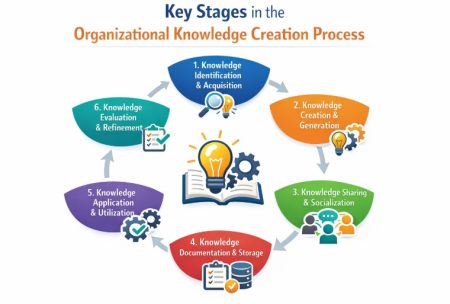
Libraries play a vital role in facilitating knowledge creation and innovation, especially in a knowledge-based economy where intellectual capital and the flow of information drive economic growth. To enhance their role, libraries can adopt several strategies to support knowledge creation and innovation. Below are key strategies that libraries can implement:
- Expand Access to Digital Resources and E-Libraries: One of the primary strategies libraries can use to support knowledge creation is to expand their digital collections and resources. By investing in digital databases, e-books, and online journals, libraries can provide users with easy access to a wealth of information from anywhere in the world. In a knowledge-based economy, the ability to access information remotely is crucial for researchers, students, and professionals alike. This shift from physical to digital collections enhances access to knowledge, enabling users to stay informed, engage in research, and innovate without geographical barriers.
Libraries must also collaborate with institutions and publishers to offer access to specialized and emerging digital resources, including open-access materials. Expanding digital collections and ensuring that users can access them remotely allows libraries to play a more active role in facilitating research, innovation, and knowledge dissemination. - Support Open Access Initiatives: Libraries can promote and participate in open-access initiatives, which democratize knowledge by making academic research and scholarly publications freely available to the public. By supporting open-access publishing and building institutional repositories, libraries can ensure that valuable knowledge is not locked behind paywalls, allowing it to be accessed and used by anyone, anywhere.
Open access fosters a culture of collaboration, where researchers, students, and innovators can share knowledge without financial or institutional barriers. By adopting open-access policies and curating freely available content, libraries help accelerate the spread of knowledge, encourage collaboration, and promote innovation in diverse fields. - Create Collaborative Learning Spaces: To foster innovation and creativity, libraries can establish collaborative learning environments, such as makerspaces or innovation labs. These spaces provide users with access to technology, tools, and resources that support hands-on experimentation and creative problem-solving. Equipped with technologies like 3D printers, design software, coding platforms, and prototyping tools, makerspaces enable users to turn their ideas into tangible projects.
Collaborative spaces also bring together individuals from various disciplines, encouraging interdisciplinary work and sharing ideas. Libraries that offer makerspaces and innovation hubs empower users to experiment, collaborate, and create new knowledge, fostering a culture of innovation that aligns with the principles of a knowledge-based economy. - Offer Digital Literacy and Skill Development Programs: In a knowledge-based economy, digital literacy and technological skills are essential for participating in innovation. Libraries can facilitate knowledge creation by offering training programs and workshops that focus on digital skills such as coding, data analysis, digital content creation, and information literacy. These programs equip users with the technical expertise needed to engage effectively in today’s technology-driven economy.
Digital literacy programs are particularly important for bridging the gap between those without access to digital tools. By providing training in emerging technologies and digital skills, libraries ensure that users are prepared to leverage technology in their research, learning, and professional endeavors, thus contributing to innovation and economic growth. - Develop Research Support and Data Management Services: Another key strategy for libraries to facilitate knowledge creation is to offer research support services and data management tools. Libraries can assist researchers by providing access to specialized databases, offering guidance on citation management, and helping organize and preserve research data. Additionally, libraries can provide platforms for managing and analyzing large datasets, allowing researchers to work more efficiently and collaboratively.
Data management services, including the curation of datasets, are becoming increasingly important as research in a knowledge-based economy relies heavily on data analysis and interpretation. Libraries that offer these services enable researchers to focus on creating new knowledge while ensuring their data is properly managed and accessible for future use. - Promote Knowledge Sharing through Events and Workshops: Libraries can actively facilitate knowledge sharing by hosting events such as conferences, workshops, and seminars on relevant topics. These events provide opportunities for individuals from diverse backgrounds to come together, share ideas, and collaborate on projects. Libraries can invite experts, researchers, and thought leaders to lead discussions on current trends, new technologies, and innovative research, creating a platform for knowledge exchange.
Through these events, libraries foster a sense of community among innovators, researchers, and entrepreneurs, encouraging the development of new ideas and solutions. Libraries can also leverage digital platforms to host virtual workshops, extending their reach to a global audience and enhancing knowledge sharing on a larger scale. - Facilitate Access to Emerging Technologies: To stay at the forefront of innovation, libraries must offer access to emerging technologies such as artificial intelligence (AI), machine learning, virtual reality (VR), and data analytics tools. By providing users with hands-on access to these technologies, libraries can enable them to experiment, create, and innovate. Offering training sessions and workshops on how to use these tools effectively will help users integrate them into their research and professional work.
Libraries that embrace emerging technologies position themselves as innovation hubs, supporting the development of new knowledge and ideas that drive economic growth and societal advancement. Providing access to such technologies encourages creativity and innovation in fields ranging from engineering and healthcare to arts and education. - Collaborate with Educational Institutions and Industries: Libraries can strengthen their role in knowledge creation by collaborating with educational institutions, research organizations, and industries. Through these partnerships, libraries can provide resources and services that meet the specific needs of academic researchers, students, and industry professionals. For example, libraries can work with universities to co-create research databases or partner with industries to offer research support and data analysis services for innovation-driven projects.
By building strong networks across sectors, libraries enable the transfer of knowledge from academia to industry and vice versa. These collaborations not only enhance the library’s role in supporting innovation but also create a continuous flow of intellectual capital that benefits the broader economy. - Encourage Intellectual Property Awareness: In a knowledge-based economy, protecting intellectual property (IP) is crucial for encouraging innovation and safeguarding the rights of creators. Libraries can promote intellectual property awareness by offering educational programs on copyrights, patents, and trademarks. These programs help users understand how to protect their work while also encouraging the ethical use of others’ intellectual property.
By fostering a deeper understanding of intellectual property laws, libraries empower creators and innovators to share their work while maintaining ownership, thus promoting a balance between knowledge sharing and protection of intellectual capital. - Preserve and Curate Intellectual Capital: Libraries have always played a critical role in preserving intellectual capital, and this role becomes even more important in a knowledge-based economy. Libraries must continue to curate and preserve books, research papers, digital archives, and cultural artifacts that represent the intellectual heritage of societies. By organizing and making sense of this vast amount of information, libraries ensure that valuable knowledge is not lost over time and remains accessible to future generations.
In addition to preserving historical knowledge, libraries must also focus on curating and archiving digital content, ensuring that today’s intellectual capital is available for tomorrow’s innovators. This preservation supports continuous knowledge creation by providing a foundation on which future innovations can be built.
In a knowledge-based economy, where innovation and intellectual capital are the main drivers of growth, libraries must evolve to support and facilitate knowledge creation. Libraries can remain at the forefront of innovation by expanding access to digital resources, promoting open access, fostering collaboration, supporting research, and embracing emerging technologies. As institutions dedicated to the preservation and dissemination of knowledge, libraries have the potential to be catalysts for creativity, discovery, and innovation, ensuring their ongoing relevance in a rapidly changing economic landscape. Investing in these strategies will empower libraries to play a pivotal role in shaping the future of knowledge creation and economic development.
How Can Libraries Help Bridge the Digital Divide in a Knowledge-Based Economy?
In a knowledge-based economy (KBE), access to information, digital literacy, and technology are essential for participation and economic growth. However, the digital divide—a gap between those with access to digital technologies and the internet and those without—presents a significant barrier to individuals, communities, and even entire regions in their ability to thrive in such an economy. Libraries, as institutions dedicated to the democratization of knowledge, play a crucial role in bridging this divide. Through a combination of providing access to technology, offering digital literacy training, and creating inclusive spaces, libraries can help individuals and communities overcome these barriers and fully participate in the knowledge economy.
Here’s how libraries can bridge the digital divide in a knowledge-based economy:
- Providing Free Access to Technology and the Internet: The most direct way that libraries bridge the digital divide is by providing free access to technology and the Internet. In many underserved or rural communities, individuals do not have personal computers, smartphones, or home internet connections. Libraries fill this gap by offering:
- Public Access Computers: Libraries provide access to computers equipped with essential software that individuals can use for research, job searches, education, or communication.
- Free Wi-Fi: Many libraries offer free Wi-Fi access to patrons, both within the library and in some cases, extending the service to surrounding areas. This ensures that even those who do not own devices can use their phones or laptops to access online resources.
- Mobile Hotspots: Some libraries lend mobile Wi-Fi hotspots, allowing users to access the internet at home for free, which is particularly important for students or job seekers.
By providing these resources, libraries offer people the tools to access information, services, and opportunities that are increasingly available only through digital means.
- Offering Digital Literacy Programs: Access to technology is only part of the solution. Many people lack the necessary skills to use digital tools effectively. Libraries bridge this skills gap by offering digital literacy programs that help users learn how to:
- Navigate the Internet: Courses on how to use search engines, access websites, and evaluate the credibility of online information.
- Use Software and Applications: Libraries provide training on common tools such as word processors, spreadsheets, and email, helping individuals complete essential tasks like creating resumes, writing reports, or communicating online.
- Understand Online Privacy and Security: Education on how to stay safe online, including password management, identifying phishing scams, and protecting personal information.
These programs are especially important for older adults, low-income individuals, and those in underserved communities who may not have had prior exposure to digital technologies. By improving digital literacy, libraries ensure that more people can fully participate in a digital economy.
- Creating Inclusive and Safe Spaces: Libraries are community spaces where individuals from all backgrounds can access digital tools without stigma. Unlike some other environments, libraries offer a neutral, welcoming space for:
- Low-Income Individuals: Those who cannot afford personal technology or internet access can come to the library to complete essential tasks like applying for jobs, conducting research, or engaging in online learning.
- Elderly Populations: Many libraries offer digital literacy programs tailored to older adults, helping them become more comfortable with using computers and the internet for tasks such as managing finances, accessing healthcare information, or connecting with family.
- People with Disabilities: Libraries are increasingly offering adaptive technologies such as screen readers, specialized keyboards, or hearing assistance devices to ensure that people with disabilities can use digital resources effectively.
By providing an inclusive and supportive environment, libraries reduce the social and economic barriers that often prevent individuals from accessing technology and participating in the digital world.
- Enabling Remote Access to Library Resources: Besides offering technology and internet access within their physical spaces, libraries are increasingly enabling remote access to their digital collections. Through e-libraries, individuals can access resources such as:
- E-Books and Journals: Many libraries provide online borrowing options for e-books, academic journals, and other digital publications, allowing patrons to access knowledge without needing to visit the library in person.
- Online Learning Platforms: Libraries often partner with online education providers like Coursera, edX, or LinkedIn Learning to offer free access to digital courses and certifications, helping patrons gain new skills or advance their careers.
- Virtual Library Services: Many libraries offer online chat, email, or video consultations with librarians, enabling patrons to receive research assistance, find resources, or get technical support without needing to visit the library.
By offering these remote services, libraries ensure that even those who cannot physically access the library—due to geographic, health, or other barriers—can still benefit from its resources.
- Supporting Job Seekers and Economic Empowerment: Libraries are often the go-to resource for job seekers who need digital tools to search for employment, create resumes, or complete applications. To support economic empowerment, libraries offer:
- Job Search Assistance: Access to job boards, career development websites, and online job applications, allowing individuals to search for and apply for jobs.
- Career Workshops: Libraries frequently host workshops on resume writing, interview preparation, and how to navigate job portals.
- Workforce Development Programs: Many libraries partner with local businesses or government agencies to provide job training, certifications, and skill-building workshops that help individuals enhance their employability in a digital world.
By offering these resources and programs, libraries contribute to economic inclusion and mobility, ensuring that individuals from all backgrounds can participate in the workforce.
- Collaborating with Schools and Educational Institutions: Libraries are crucial partners in supporting students and bridging the digital divide in education. Many students, particularly in low-income areas, do not have access to reliable internet or computers at home. Libraries support students by:
- Providing Homework Help: Offering access to academic databases, quiet study spaces, and technology for completing assignments.
- Supporting Distance Learning: With the rise of online learning, libraries provide the necessary infrastructure—such as computers, internet access, and quiet study rooms—for students participating in virtual classes.
- Partnering with Schools: Libraries often work with local schools to ensure students can access digital textbooks, educational software, and other academic resources.
Through these collaborations, libraries help students overcome digital barriers and ensure that they have the tools needed to succeed in their education.
- Advocating for Digital Equity: Beyond providing direct services, libraries can also advocate for digital equity by partnering with governments, tech companies, and community organizations to:
- Promote Affordable Internet Access: Advocate for policies and initiatives that ensure affordable high-speed internet for underserved communities.
- Expand Public Wi-Fi Access: Partner with municipalities to extend public Wi-Fi access to parks, community centers, and other public spaces, ensuring broader internet coverage.
- Raise Awareness about the Digital Divide: Engage in public discussions and campaigns to highlight the challenges of digital inequality and propose solutions for closing the gap.
Through advocacy efforts, libraries help drive systemic changes that address the root causes of the digital divide.
In a knowledge-based economy, where access to information, digital tools, and skills is essential for economic participation, libraries are critical in bridging the digital divide. By providing free access to technology, offering digital literacy programs, creating inclusive spaces, and advocating for digital equity, libraries ensure that individuals and communities are not left behind in the digital age. As economies continue to evolve, libraries will remain indispensable institutions, empowering people to access the knowledge and opportunities they need to thrive in a technology-driven world.