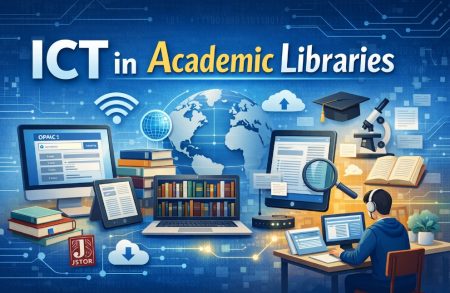
Information and Communication Technology (ICT) has revolutionized the way libraries operate, transforming traditional practices and redefining user experiences. ICT in library services refers to the integration of digital tools, systems, and technologies to enhance the management, accessibility, and delivery of library resources. This includes the use of computers, the internet, online databases, digital catalogs, e-books, and other software solutions.
The importance of ICT in libraries cannot be overstated. With the rapid growth of digital information, ICT enables libraries to efficiently manage vast amounts of data, streamline operations, and provide users with faster, more convenient access to resources. It fosters an environment where users can access materials remotely, engage with interactive content, and benefit from personalized services. Furthermore, ICT facilitates preserving and digitizing rare and fragile materials, ensuring that valuable information is safeguarded for future generations.
ICT also plays a crucial role in broadening access to information and breaking down barriers such as geographical location and physical limitations. Through online catalogs, virtual libraries, and digital repositories, users can access library resources from anywhere, at any time. This democratization of knowledge is vital in ensuring that libraries remain relevant in an increasingly digital world.
Role of ICT in Library Services
Information and Communication Technology (ICT) has become an essential tool for libraries, significantly transforming how they operate and interact with users. Libraries have long been seen as pillars of knowledge, preserving and providing access to vast amounts of information. However, as the world becomes more connected and technologically advanced, the role of ICT in library services has evolved, pushing libraries toward more dynamic, efficient, and user-centered service models. Integrating ICT into library services improves operational efficiency, broadens access to information, supports educational goals, and fosters lifelong learning.
- Automation and Streamlining Library Operations: One of the most significant ways ICT has impacted library services is through the automation of traditional library functions. The adoption of Integrated Library Management Systems (ILMS) has revolutionized tasks such as cataloging, circulation, and inventory management. These systems enable libraries to automate the process of checking in and checking out books, tracking usage statistics, and organizing digital records. The automation of repetitive tasks frees up valuable time for library staff to focus on more engaging, service-oriented activities.
Library automation has also enhanced efficiency by reducing human errors in managing the collection, ensuring accurate data entry, and improving overall organization. Furthermore, the ability to track library materials in real time allows for better inventory control, making the library environment more organized and accessible for both staff and users. - Enhanced Access to Information: ICT has fundamentally changed how users access library resources. Gone are the days of relying solely on physical books and in-person visits. Today, library users can access a broad array of resources online, including e-books, research databases, scholarly journals, and multimedia content. The shift to digital formats allows libraries to serve a wider audience, reaching users who may be geographically distant or unable to visit in person.
Through digital catalogs and online portals, users can easily search for books, articles, and other materials without the need to physically browse the shelves. This saves time and improves the user experience, as they can find resources more quickly and efficiently. With access to digital libraries, individuals can read, download, and engage with materials from the comfort of their homes, making library services more accessible than ever before. - Digital Catalogues and Online Databases: The traditional card catalogue has been replaced with digital catalogues, which are much easier to search, browse, and update. These online systems enable users to locate resources quickly by typing keywords or subjects, offering an efficient and user-friendly way to explore a library’s collection. Digital catalogs also allow libraries to manage larger collections, including rare and out-of-print materials that may not be readily available in physical formats.
Online databases further enhance access to specialized information, including academic journals, research papers, and proprietary databases. These resources are crucial for students, researchers, and professionals who require the latest research and publications. Many libraries also provide remote access to databases, ensuring users can continue their research from anywhere, at any time. - Digitization and Preservation of Resources: One of the most important roles ICT plays in library services is the digitization and preservation of rare, fragile, or aging materials. Libraries are tasked with safeguarding and preserving historical documents, manuscripts, and other physical resources that may deteriorate over time. By digitizing these materials, libraries ensure their long-term preservation and facilitate global access to them.
Digitization also enhances the security of rare items, as physical handling of fragile materials is minimized. Additionally, digitized collections can be accessed by a wider audience, allowing people to explore valuable historical or academic resources that were once restricted due to their physical condition or rarity. - User Engagement and Personalized Services: In the digital era, user engagement has become increasingly important, and ICT is helping libraries provide personalized services to meet the evolving needs of users. Libraries now offer online portals, mobile applications, and interactive websites that allow users to engage with library services, request materials, and participate in events or programs remotely.
Personalization features powered by ICT enable libraries to offer tailored recommendations based on users’ previous searches, borrowing history, or interests. This personalized approach not only enhances the user experience but also increases the chances of users finding valuable resources that they may not have discovered otherwise. In addition, libraries can send users automated alerts and notifications about new resources, upcoming events, or library updates, keeping them informed and engaged with library services. This level of communication and interaction fosters a stronger connection between libraries and their communities. - Virtual Libraries and E-Learning: The rise of ICT has given birth to virtual libraries, which are online platforms providing access to a wide range of digital resources. Virtual libraries eliminate the need for physical space, enabling users to access materials from anywhere in the world. These online libraries are particularly valuable for those who live in remote areas or lack access to traditional brick-and-mortar libraries.
ICT also supports e-learning initiatives, where libraries provide online courses, webinars, and instructional content. This creates an ideal platform for students, professionals, and lifelong learners to continue their education remotely. The integration of ICT in library services thus contributes to the broader educational ecosystem, offering new ways for users to learn, explore, and engage with knowledge. - Collaboration and Resource Sharing: Through ICT, libraries can collaborate more effectively with other institutions, organizations, and libraries worldwide. Cloud-based systems and resource-sharing platforms enable libraries to exchange materials, research findings, and information, creating a global knowledge network. This collaboration fosters a sense of interconnectedness, making it easier for users to access a broader range of resources.
ICT-driven initiatives like interlibrary loan systems have expanded access to resources beyond a single library’s physical collection. Users can borrow materials from other libraries in a seamless and efficient manner, increasing the variety of resources available to them. - Promoting Digital Literacy and Lifelong Learning: As digital technologies continue to evolve, the need for digital literacy has never been more important. Libraries are at the forefront of promoting digital literacy by providing training, workshops, and resources that help users improve their technological skills. Whether it’s teaching how to use search engines effectively or providing guidance on safely navigating the internet, libraries offer essential services to help users become more confident and competent in using technology. Furthermore, libraries have long been advocates of lifelong learning. By providing access to a wide range of educational resources—whether through physical books or digital content—libraries support individuals at all stages of life in their learning journeys. ICT enables libraries to continue this mission by offering online courses, digital workshops, and resources that support learners of all ages.
The role of ICT in library services is not just about adopting new technologies; it is about reimagining the way libraries serve their communities. From automating operations to offering enhanced access to information, ICT has enabled libraries to remain relevant in an increasingly digital world. The integration of digital tools and systems has enhanced user experience, expanded access to resources, and supported the preservation of knowledge for future generations. As technology continues to evolve, the role of ICT in library services will only grow, shaping libraries into even more vital hubs of knowledge, education, and digital literacy.
The Impact of ICT on Library Services
Information and Communication Technology (ICT) has profoundly transformed libraries, reshaping how they operate, deliver services, and engage with users. Libraries, historically seen as repositories of physical books and documents, have evolved into dynamic, information-driven institutions that provide access to a wide range of digital resources. The impact of ICT on library services is extensive, influencing various aspects of library operations, access to information, user experience, and long-term preservation of materials.
- Improved Accessibility to Resources: One of the most significant impacts of ICT on library services is the improved accessibility of information. Traditional libraries, with their physical collections, limited users to in-person visits. However, ICT has enabled libraries to digitize their resources, making them available online to users anywhere, at any time. Digital libraries, e-books, online databases, and multimedia content are now accessible through Internet platforms, breaking down geographical barriers and enhancing access to information. Users can now search and access materials remotely, from home, or on the go without the need to physically visit the library. This increased accessibility is particularly beneficial for users with disabilities, those in remote areas, or individuals with limited mobility, ensuring that everyone has an equal opportunity to benefit from library services.
- Enhanced Efficiency and Automation: ICT has automated many traditional library functions, significantly improving operational efficiency. Integrated Library Management Systems (ILMS) have streamlined tasks such as cataloging, circulation, and inventory management. Automated systems reduce manual labor, minimize human error, and speed up the process of checking in and checking out materials. With automation, library staff can better track resources, manage book loans, and organize collections. Furthermore, automation allows for real-time inventory updates, ensuring accurate data on resource availability. This efficiency frees up staff to focus on more value-added tasks, such as user engagement and program development.
- Transformation of Library Cataloguing and Information Retrieval: The traditional card catalog has become obsolete with the advent of digital catalogs. ICT enables libraries to maintain online, searchable catalogs that are user-friendly and easy to navigate. Users can search for resources by keywords, titles, authors, and subject matter, making it much easier to find materials in large collections. Digital cataloguing allows for the storage and retrieval of vast amounts of information quickly, ensuring that users can access the resources they need with minimal effort. Additionally, these systems are easily updated, which means libraries can add new materials or remove outdated ones without significant disruptions.
- Digitization and Preservation of Resources: ICT plays a crucial role in the preservation of rare, fragile, or old materials that are difficult to maintain in physical form. Libraries have embraced digitization to convert printed materials, manuscripts, and photographs into digital formats, ensuring their long-term preservation. This process safeguards valuable content from deterioration caused by physical wear and tear, environmental factors, and age. Digitization also broadens the accessibility of these materials to a global audience. Rare books and historical documents, once limited to physical archives or specific locations, can now be accessed remotely by anyone with an internet connection. This process has transformed libraries into global information hubs, offering access to information and cultural heritage that would have been otherwise inaccessible to many users.
- User Engagement and Personalization: ICT has significantly improved user engagement by enabling libraries to offer personalized services tailored to individual needs. Online systems can track users’ borrowing history, preferences, and searches to suggest books, articles, or resources based on their interests. Additionally, libraries can send notifications and alerts about new acquisitions, upcoming events, or changes in operating hours, ensuring users are informed and engaged. Mobile apps, websites, and social media platforms also provide opportunities for libraries to interact with users, promote services, and encourage participation in library programs. These technologies help libraries build a stronger relationship with their communities, reaching users beyond the traditional in-person experience.
- Collaboration and Resource Sharing: ICT has made it easier for libraries to collaborate and share resources with one another, leading to a more interconnected and resource-rich environment. Cloud-based platforms and interlibrary loan systems enable libraries to exchange materials and provide access to a broader range of resources than a single library could offer on its own. This collaboration extends beyond local and national boundaries. Libraries can connect with institutions worldwide, exchanging knowledge and research findings and providing users with access to global resources. This fosters a sense of community and opens up new opportunities for research, learning, and discovery.
- Enhanced Learning and Education: Libraries have long been centers for learning, and ICT has further cemented this role by supporting e-learning and digital education initiatives. Through online learning platforms, webinars, and digital tutorials, libraries provide users with the tools and resources to continue their education remotely. Moreover, ICT has helped libraries offer digital literacy programs, helping users gain the skills they need to navigate the digital world. In a society increasingly dependent on technology, these programs are vital in ensuring that individuals are equipped to participate fully in the information economy.
- Cost-Effectiveness: While the initial investment in ICT infrastructure can be substantial, the long-term benefits are significant. Automation and digital tools reduce the need for extensive manual labor and paper-based resources, leading to cost savings for libraries. For example, digital materials can be accessed by multiple users simultaneously, eliminating the need for physical copies or space to store them. Additionally, libraries can reduce overhead costs associated with maintaining physical infrastructure, such as heating, lighting, and security, as digital resources can be stored in the cloud or on servers. This cost-effectiveness allows libraries to allocate their resources more efficiently, focusing on improving services and expanding their offerings.
- Digital Divide and Equity Issues: While ICT has significantly improved access to library resources, it also presents challenges in terms of the digital divide. Not all users have access to the internet, computers, or the necessary skills to navigate digital systems. Libraries must address these disparities by providing training, offering public access to computers, and ensuring that their digital resources are accessible to all users, regardless of their technological proficiency. To overcome this divide, libraries are increasingly becoming hubs for digital literacy programs, ensuring that every user has the opportunity to learn how to use ICT effectively and benefit from the digital resources available.
- Future Trends and Innovation: The impact of ICT on library services is an ongoing process, with new technologies continually reshaping the landscape. Future trends may include the integration of artificial intelligence (AI) to further enhance resource discovery and user interaction, the use of augmented reality (AR) and virtual reality (VR) for immersive learning experiences, and the development of even more sophisticated data management tools. Libraries will continue to adapt to emerging technologies, ensuring they remain at the forefront of information access and service delivery. As ICT continues to evolve, libraries will play a vital role in ensuring equitable access to information and contributing to the development of a digitally literate society.
ICT has profoundly impacted library services, enhancing accessibility, efficiency, and user engagement. From improving resource management and facilitating the digitization of materials to fostering collaboration and supporting lifelong learning, ICT has transformed libraries into modern, dynamic institutions that continue to meet the evolving needs of users. However, the integration of ICT also comes with challenges, including addressing the digital divide and ensuring equitable access to resources. As technology continues to advance, libraries must remain adaptable, embracing new innovations to stay relevant and continue providing valuable services to their communities.
How the Integration of ICT Has Transformed Traditional Library Services
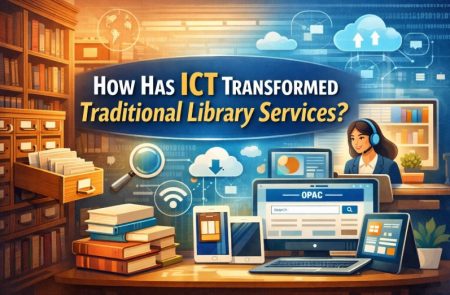
The integration of Information and Communication Technology (ICT) into library services has radically transformed traditional library operations, moving them from physical, paper-based systems to digital, automated platforms. Historically, libraries were primarily spaces for physical books, documents, and in-person interactions. However, with the incorporation of ICT, libraries have expanded their capabilities, offering a much broader range of services. Automated systems, such as Integrated Library Management Systems (ILMS), have streamlined tasks such as cataloging, checkouts, and inventory management, significantly increasing efficiency and reducing the workload of library staff. This has allowed libraries to offer faster and more accurate services to users.
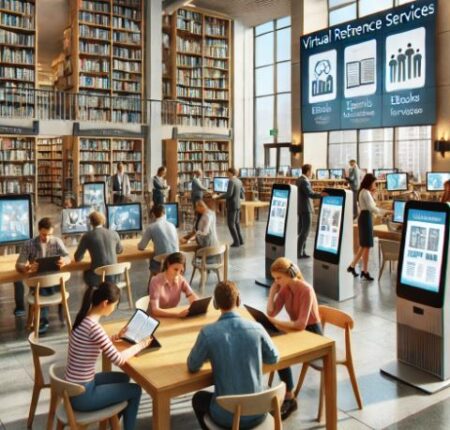
ICT has revolutionized the accessibility of information. Traditional libraries require users to visit in person to access physical materials, but now, digital catalogs, online databases, and e-libraries enable users to search, borrow, and access resources remotely, anytime and anywhere. This shift has expanded the reach of libraries, making them accessible to individuals who may be geographically distant, have physical disabilities, or lack time to visit in person.
The digitization of resources has also transformed how libraries preserve and manage collections. Rare or fragile materials, once only available for in-person examination, can now be digitized and stored in secure online repositories, ensuring both their preservation and broader access. Furthermore, ICT has enabled libraries to offer more interactive, user-friendly experiences through websites, mobile apps, and social media, engaging users beyond the traditional physical space.
ICT has enhanced the efficiency and functionality of library operations and significantly broadened access to resources, making libraries more inclusive, accessible, and essential to modern knowledge sharing and learning. The integration of technology into library services has redefined the role of libraries in society, establishing them as dynamic digital hubs of information and learning.
Key Technological Tools Utilized in Modern Library Services
Modern libraries have increasingly integrated various Information and Communication Technology (ICT) tools to enhance service delivery, streamline operations, and improve user experience. These technological tools are essential in transforming libraries into digital hubs of information, making it easier for users to access resources, interact with library systems, and engage with learning materials. Below are some key technological tools widely used in contemporary library services:
- Integrated Library Management Systems (ILMS): Integrated Library Management Systems (ILMS) are perhaps the most critical technological tool used in modern libraries. These systems automate various functions like cataloging, circulation (checking in and out materials), and inventory management. ILMS helps libraries maintain accurate records of books and other materials, streamline staff workflows, and improve the efficiency of day-to-day operations. They enable users to search for and access resources quickly while also supporting functions such as reservations and overdue reminders.
- Digital Catalogs and Online Public Access Catalogs (OPAC): Digital catalogs and OPACs are web-based systems that allow users to search for and locate library resources remotely. These catalogs have replaced traditional card catalogs and offer advanced search functionalities such as keyword search, filters for various formats (e-books, audiobooks, journals), and the ability to view availability and location details. OPACs provide a user-friendly interface for both library staff and patrons, helping them efficiently navigate and discover the library’s holdings.
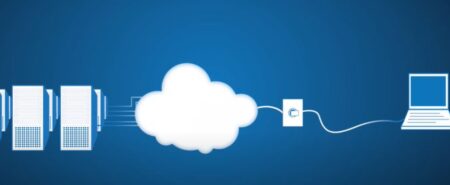
- Cloud-Based Storage and Digital Repositories: Cloud technology has transformed how libraries store and manage digital resources. Cloud-based platforms allow libraries to store vast amounts of information, including e-books, journals, and multimedia content, in a secure, accessible manner. Digital repositories are particularly useful for storing and sharing academic research, archival materials, and digitized collections. They ensure that resources can be accessed by users from anywhere, providing a flexible and scalable storage solution.
- E-Libraries and Digital Libraries: Digital libraries or e-libraries are online platforms that provide access to a range of digital resources, including e-books, research articles, databases, and multimedia materials. They extend the accessibility of library resources to users who cannot physically visit the library. E-libraries have become indispensable in academic settings, offering users access to a wealth of information without the limitations of physical space or time.
- Mobile Applications: Mobile apps have become a fundamental tool in making library services more accessible. Libraries have developed mobile apps that allow users to check out books, search catalogs, renew materials, reserve resources, and receive notifications about library events or new acquisitions. These apps are designed to improve the convenience and accessibility of library services, particularly for users who prefer using smartphones and tablets for information retrieval.
- Learning Management Systems (LMS): Learning Management Systems (LMS) enable libraries to offer online courses, workshops, and other educational resources. These systems are widely used for e-learning, allowing libraries to support distance learning, provide digital literacy programs, and host online workshops. LMS platforms like Moodle, Blackboard, and Canvas are common in educational institutions, helping libraries engage students and other learners beyond the physical library space.
- Online Databases and Search Engines: Online databases and search engines are essential tools for accessing academic papers, journals, research articles, and scholarly materials. Library databases, such as JSTOR, ProQuest, and EBSCOhost, offer users access to vast collections of peer-reviewed research and other scholarly materials that would otherwise be difficult to obtain. These databases are accessible remotely, enabling users to conduct research and access information from virtually anywhere.
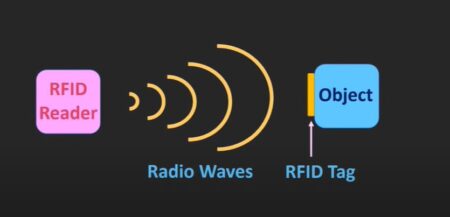
- RFID (Radio Frequency Identification) Technology: Radio Frequency Identification (RFID) technology is increasingly used in libraries for inventory management, book checkout, and user authentication. RFID tags are attached to library materials and are read by RFID scanners, making the checkout and check-in processes faster and more efficient. This technology also helps libraries track and manage their collections in real time, reducing errors and improving overall operational efficiency.
- Social Media and Collaborative Platforms: Libraries are increasingly using social media platforms like Facebook, Twitter, and Instagram to connect with users, promote library events, share resources, and engage with the community. These platforms allow libraries to maintain a presence outside of the physical space, reach a broader audience, and encourage user interaction. Additionally, collaborative platforms such as Google Drive, SharePoint, or library-specific forums enable users and staff to share information and collaborate on research projects.
- Chatbots and Virtual Assistants: Libraries are integrating chatbots and virtual assistants to enhance customer service. These AI-powered tools assist users in finding information, answering frequently asked questions, providing library updates, and assisting with common tasks like reserving materials. Chatbots provide instant responses, improving user satisfaction and offering 24/7 assistance, especially useful in virtual environments.
The integration of these technological tools has profoundly impacted modern library services, expanding their capabilities far beyond the traditional scope. Libraries are now able to offer more convenient, accessible, and interactive services, meeting the needs of a digital-savvy user base. ICT is reshaping libraries into dynamic centers of knowledge, learning, and community engagement, from automation and digital resource management to mobile applications and immersive technologies. As technology continues to advance, libraries will remain essential in providing equitable access to information, fostering learning, and supporting the evolving needs of their communities.