
A library catalogue is an organized system used to manage and access the resources within a library’s collection. It serves as a central tool for users to locate books, journals, e-books, audiovisual materials, and other resources available in the library. The primary purpose of a library catalogue is to provide an efficient and effective means of accessing a library’s vast array of materials, ensuring that users can easily find the resources they need. Whether the user is a student searching for academic references, a researcher looking for specialised materials, or a member of the general public browsing for leisure reading, the catalogue plays a critical role in facilitating the discovery of resources. Through a well-structured catalogue, libraries can organize their collections to support both browsing and precise searching, ensuring that users can locate relevant information quickly. As libraries expand their collections and services, particularly in the digital age, the catalogue’s role in enabling efficient access to both physical and electronic resources becomes even more essential, contributing to the overall effectiveness and accessibility of library systems.
How Does the Organization of a Library Catalogue Impact User Accessibility?
The organization of a library catalogue plays a crucial role in determining how easily users can access and interact with the library’s resources. An effective catalogue system ensures that users can quickly locate materials, whether they are browsing physical shelves or searching through digital records via OPAC. One of the most fundamental aspects of catalogue organization is the use of classification systems such as the Dewey Decimal Classification (DDC) or the Library of Congress Classification (LCC). These systems group resources based on subject matter, allowing users to navigate the collection more efficiently. For example, in the Dewey Decimal system, books on biology are categorized under the 570 range, making it easier for users to find all related materials on that subject in one section. This grouping saves time and enhances the discoverability of related resources, which is particularly useful in academic settings where users often require multiple materials on a similar topic.
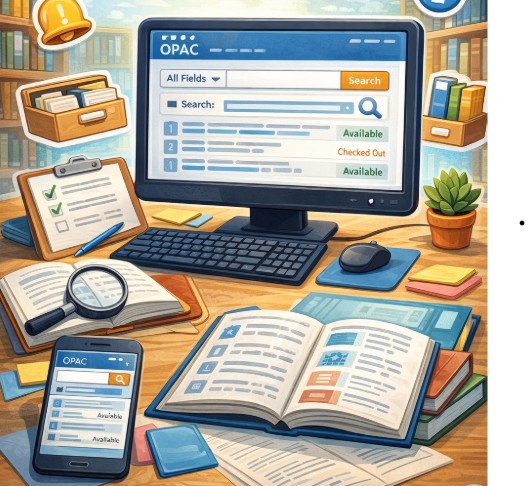
In modern libraries, especially those with digital catalogues, the search functionality plays an equally significant role in improving user accessibility. Digital catalogues offer advanced search features, allowing users to search by keywords, author, title, or subject. This functionality streamlines the process of finding specific resources, saving users time and effort. Advanced search filters, such as the ability to narrow results by format (e.g., e-books, journals, or videos) or availability, further enhance user experience by ensuring that users can locate the resources that meet their specific needs. For instance, a student looking for climate change articles can filter the results to show only books or online resources, narrowing down the options to those that are most relevant to their research. The ability to refine search results in such a detailed manner significantly improves the efficiency and precision of the search process, making resources more accessible.
The user interface (UI) design in a library catalogue also directly impacts how accessible the system is. A well-organized UI should be intuitive, with clear labelling, simple navigation, and logical flow, ensuring that users can easily find what they need, regardless of their technological expertise. Libraries often design interfaces that include user-friendly features such as clear menu options, easy-to-follow search bars, and result previews that make browsing seamless. Additionally, accessibility features such as screen reader support, multilingual options, and high-contrast modes are critical in ensuring that the catalogue is usable by all patrons, including those with disabilities or non-native language speakers. By offering a straightforward and inclusive interface, libraries ensure that all users, from students to researchers, can navigate the system without unnecessary confusion or barriers.
Metadata, which includes key information about a resource such as its author, title, publisher, and subject, also plays a vital role in enhancing accessibility. Well-organized metadata allows users to understand the content of a resource before they access it, ensuring that the material is relevant to their needs. For instance, when searching for books on a specific topic, the catalogue metadata might include keywords, tags, or subject categories, enabling users to quickly determine whether the resource fits their research objectives. The richness of metadata is particularly important in large catalogues where users may not be familiar with the library’s classification system. It helps guide them toward the most relevant resources, improving overall efficiency.
The ability to access library resources remotely is another important factor in user accessibility, particularly in today’s increasingly digital world. Many libraries now provide remote access to e-books, journals, and other digital resources through systems like OpenAthens or integrated library systems. For example, users at institutions like North South University can access the library’s resources remotely through OpenAthens, allowing them to search for and download materials from anywhere, whether they are on campus or off. This flexibility is especially valuable for students, researchers, and faculty members who may not be able to visit the library in person or need access to materials outside of regular library hours. By offering remote access, libraries ensure that resources are available at the user’s convenience, significantly improving accessibility.
In addition to digital resources, the organization of the physical borrowing system is also crucial in enhancing user accessibility. A well-organized catalogue system provides real-time information about the availability of materials, allowing users to determine whether a resource is currently checked out or available for borrowing. Modern library systems, such as Koha, allow users to check the availability of books and even place holds on resources that are not available at the moment. This feature ensures that users can still access in-demand materials when they become available, improving their overall experience and making library resources more accessible even during busy periods.
In conclusion, the organization of a library catalogue is essential to ensuring that users can easily find and access resources. A well-structured classification system, combined with efficient search functionality, user-friendly design, rich metadata, remote access, and effective borrowing systems, greatly enhances user accessibility. Libraries that prioritise accessibility in their catalogue design ensure that users, regardless of their background, technological skills, or physical location, can make full use of the library’s resources. As technology continues to evolve, maintaining an accessible and well-organized catalogue remains a key priority for libraries in meeting the diverse needs of their users.





1 Comment
I am an author and have books listed in the Wilderness Coast Public Libraries, but one, The Edge of the Devil’s Hammock, does not have a book image as part of the record. I would love to have the image added to the catalog.
I am a retired school librarian. I would be very appreciative, and I will text or email the image to you if needed.