What is Meant by 24/7 Library Services?
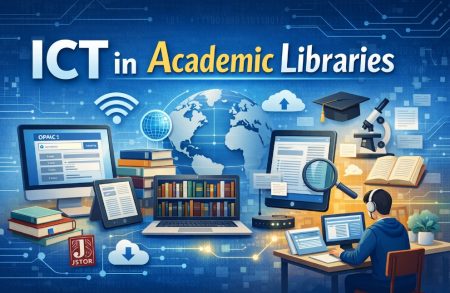
24/7 library services refer to the continuous availability of library resources and services to users 24 hours a day, 7 days a week, regardless of the library’s physical opening hours. Instead of being limited to on-site visits, users can access a wide range of library facilities anytime and from anywhere through the use of Information and Communication Technology (ICT). These services typically include online public access catalogs (OPAC), e-books, e-journals, digital repositories, institutional repositories, online databases, remote authentication systems, and virtual reference services. By providing uninterrupted access to information, 24/7 library services cater to diverse user needs, including late-night study, distance learning, research deadlines, and flexible learning schedules. Overall, 24/7 library services transform the library from a time-bound physical space into a user-centered, always-available information hub that enhances learning, teaching, and research in the digital age.
How Does ICT Help Libraries Provide 24/7 Services?
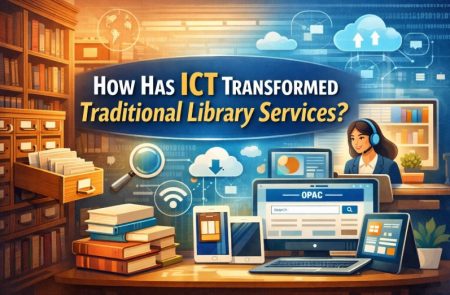
The concept of the library has evolved significantly with the advancement of Information and Communication Technology (ICT). Traditional libraries were once confined to physical spaces and fixed working hours, limiting access to information. Today, ICT has enabled libraries to extend their services beyond time and location barriers, allowing users to access resources 24 hours a day, 7 days a week. Through digital tools, automated systems, and online platforms, libraries now function as always-available knowledge centers that support education, research, and lifelong learning.
- Digital Collections and Electronic Resources: One of the most important ways ICT supports 24/7 library services is through the development of digital collections. E-books, e-journals, online databases, digitized manuscripts, and scanned rare documents can be accessed at any time through the internet. Unlike printed materials, digital resources do not require physical presence or staff assistance. As a result, students and researchers can access, read, download, and use information at any time, including late at night, on weekends, or on holidays, thereby greatly increasing convenience and academic productivity.
- Online Public Access Catalog (OPAC): ICT enables libraries to provide web-based OPAC systems that are accessible around the clock. Through OPAC, users can search the library’s holdings, check the availability of books, view bibliographic details, place reservations, and renew borrowed items. This continuous access allows users to plan their studies and research activities without depending on library opening hours, making library services more user-centered and efficient.
- Remote Access to Library Resources: ICT plays a crucial role in enabling remote access to library resources. Through secure authentication systems, authorized users can access subscribed e-journals, databases, and digital collections from outside the library premises. This service is especially beneficial for distance learners, part-time students, and researchers working from home or in different time zones. Remote access ensures that learning and research can continue uninterrupted at any hour.
- Library Websites and Online Portals: A library website serves as a 24/7 service gateway. It provides access to catalogs, databases, institutional repositories, notices, user guides, tutorials, and recorded training sessions. Even when the physical library is closed, users can find necessary information, learn how to use resources, and stay updated through the library website. This constant availability reduces dependency on in-person assistance and improves user self-reliance.
- Institutional Repositories and Digital Archives: ICT enables libraries to develop institutional repositories and digital archives that preserve and disseminate scholarly works, including theses, dissertations, research articles, and conference papers. These platforms operate continuously and often provide open access to academic content. By making research outputs available 24/7, libraries enhance knowledge sharing, global visibility, and academic collaboration.
- Library Automation and Self-Service Systems: Library automation systems manage circulation, cataloging, membership, and user accounts digitally. Through these systems, users can check due dates, renew materials, view borrowing history, and receive automated notifications at any time. Self-service features reduce workload for library staff while ensuring uninterrupted access to essential services for users.
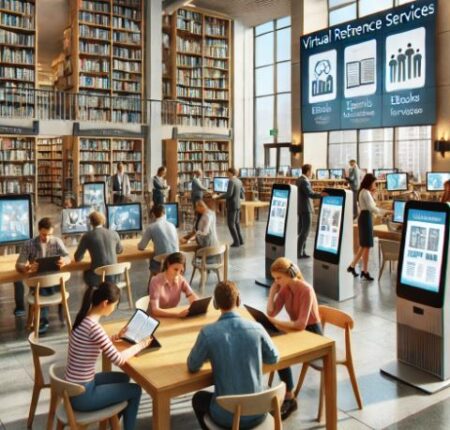
- Virtual Reference and Online Help Services: ICT has introduced virtual reference services, such as email support, online chat, and AI-based chatbots. These tools allow users to ask questions and seek assistance beyond regular service hours. Automated systems can instantly answer frequently asked questions, guide users in accessing resources, and provide basic research support, ensuring continuous user engagement.
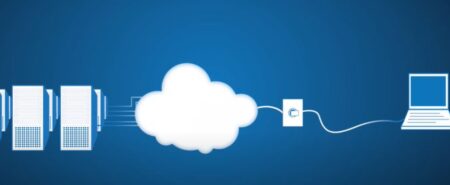
- Mobile Technology and Cloud-Based Services: Mobile-friendly websites, library apps, and cloud-based systems further strengthen 24/7 service delivery. Users can access library services on smartphones and tablets at any time and from anywhere. Cloud computing ensures system reliability, data security, and minimal downtime, allowing uninterrupted access even during technical maintenance or local disruptions.
ICT has transformed libraries into always-available information centers by removing limitations of time and location. Through digital resources, online catalogs, remote access systems, automated services, virtual assistance, and reliable technological infrastructure, libraries can now provide effective 24/7 services. This continuous access supports flexible learning, enhances research productivity, and promotes lifelong learning, reinforcing the library’s vital role in the modern information society.
To What Extent Has ICT Reduced Dependency on Physical Library Hours?
Information and Communication Technology (ICT) has significantly reduced users’ dependency on traditional physical library hours by transforming how information resources and services are accessed. Through ICT-enabled platforms, libraries now operate in a virtual 24/7 environment, allowing users to retrieve information anytime and from anywhere. Online Public Access Catalogues (OPACs), institutional repositories, digital libraries, and subscribed e-journal databases enable students and researchers to search, download, and use academic resources beyond the constraints of opening and closing times. This shift has particularly benefited distance learners, part-time students, and researchers who require flexible access to information outside regular working hours.
ICT has also expanded library services beyond physical spaces through remote authentication systems, virtual reference services, and automated circulation tools. Technologies such as remote access platforms, email, and chat-based reference services, and self-service systems allow users to renew books, place reservations, and seek research assistance without visiting the library in person. As a result, routine library interactions that once required staff availability during fixed hours can now be completed independently at any time, reducing pressure on physical service counters and staff schedules.
However, despite this reduced dependency, ICT has not completely eliminated the need for physical library hours. Certain services-such as access to print collections, special and rare materials, collaborative study spaces, and in-person research consultations-still require users to be physically present. Moreover, users with limited digital literacy or inadequate internet access may continue to rely on physical library visits. Therefore, ICT has substantially minimized but not entirely replaced the importance of physical library hours, repositioning libraries as hybrid spaces where digital accessibility complements, rather than substitutes, traditional in-person services.