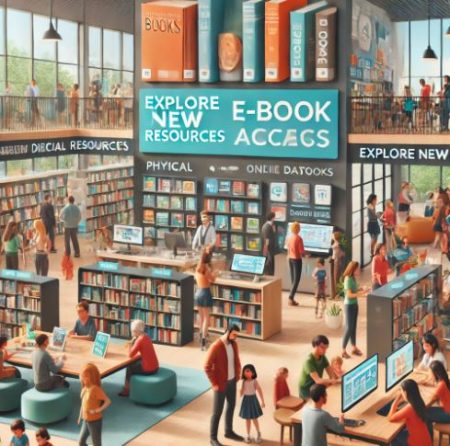
Libraries have evolved from traditional book-lending institutions into dynamic learning ecosystems that actively promote lifelong learning and knowledge acquisition. In today’s rapidly changing world, where information and skills become obsolete quickly, the role of libraries in continuous education has become more significant than ever. They provide access to an extensive range of resources-print books, scholarly journals, e-books, databases, and multimedia content-that allow individuals to explore new subjects and keep their knowledge up-to-date. For example, academic libraries often provide access to subscription-based research databases such as JSTOR, Scopus, or ProQuest, enabling students, researchers, and professionals to engage in advanced learning and research.
Beyond resources, modern libraries focus on building digital literacy skills by offering workshops and training programs on topics such as information literacy, citation management tools like Mendeley or EndNote, and plagiarism awareness. Public libraries frequently host community-based programs, such as computer literacy classes for adults or coding workshops for children, helping diverse groups adapt to technological advancements. Many libraries also integrate cutting-edge technologies, such as RFID-enabled self-check systems, high-speed internet access, and digital platforms for remote users, ensuring that learning opportunities are not limited by physical space. For instance, libraries offering remote access through platforms like OpenAthens or institutional logins allow users to continue learning from anywhere.
Moreover, libraries serve as collaborative spaces where users engage in knowledge sharing through study groups, reading clubs, and makerspaces—areas equipped with tools and technology for creative projects. These activities encourage not only self-directed learning but also social learning and problem-solving. By supporting individuals at every stage of life—whether a student preparing for research, a professional seeking skill enhancement, or a retiree exploring personal interests—libraries truly act as catalysts for lifelong learning. Their adaptability in embracing both physical and digital services demonstrates their crucial role in empowering individuals to acquire, apply, and expand knowledge in a continuously evolving society.
What is Lifelong Learning?
Lifelong learning is the ongoing, voluntary, and self-motivated pursuit of knowledge and skills for personal, professional, and social development throughout an individual’s life. Unlike traditional education, which usually occurs during a specific period such as school or university years, lifelong learning continues well beyond formal education systems. It encompasses both formal and informal learning experiences-ranging from academic courses, workshops, and professional training to self-directed study through books, online platforms, and everyday problem-solving. This approach empowers individuals to adapt to societal changes, technological advancements, and evolving job markets, ensuring they remain competent and informed in a rapidly changing world.
The importance of lifelong learning has grown significantly in the 21st century due to the increasing pace of innovation and the need for continuous skill development. For example, professionals in fields like information technology or healthcare must consistently update their knowledge to stay relevant as new technologies and medical advancements emerge. Similarly, public libraries and educational institutions offer access to MOOCs (Massive Open Online Courses), e-books, and digital databases, allowing individuals to learn new subjects at their own pace. Even simple activities like attending a library workshop on research skills, participating in community-based book clubs, or using online platforms such as Coursera or Khan Academy are practical examples of lifelong learning in action.
Beyond professional growth, lifelong learning contributes to personal enrichment and intellectual fulfillment. People engage in learning new languages, developing hobbies such as photography or music, or exploring literature and art for personal satisfaction. This process fosters creativity, critical thinking, and problem-solving skills, enhancing overall quality of life. Moreover, lifelong learning plays a key role in social inclusion by giving individuals, regardless of age or background, the opportunity to participate fully in a knowledge-driven society. In essence, lifelong learning is not just a concept but a necessity in modern life, enabling individuals to thrive in an ever-evolving global landscape.
How Do Libraries Support Lifelong Learning and Knowledge Acquisition?
Lifelong learning is the continuous pursuit of knowledge for personal, academic, and professional development throughout life. In the 21st century, the demand for lifelong learning has become more critical due to rapid technological advancements, dynamic job markets, and the ever-expanding volume of information. Libraries play a central role in supporting this process by offering free access to knowledge resources, digital tools, and community-based learning opportunities. They are no longer limited to lending books; rather, they have transformed into dynamic learning hubs that empower individuals at all stages of life. Below are the key ways libraries contribute to lifelong learning and knowledge acquisition.
- Libraries as Gateways to Information: The primary function of libraries has always been to provide access to information. Today, this access has expanded significantly to include print and digital resources. Academic libraries maintain large collections of scholarly books, peer-reviewed journals, and research databases, such as JSTOR, Scopus, and Emerald, which are vital for students and researchers. Public libraries complement this by offering general reading materials, newspapers, magazines, and e-books for all age groups. These resources ensure that individuals, regardless of their economic or educational background, can pursue knowledge freely and continuously. Example: A university student conducting research for a thesis can access hundreds of scholarly articles through the library’s subscription databases, while a job seeker can use the public library to find resources on career development and professional certifications.
- Digital Literacy and Technology Integration: In an increasingly digital world, access to technology and the ability to use it effectively are crucial for lifelong learning. Libraries play a vital role in bridging the digital divide by providing free internet access, computer workstations, and training programs on digital literacy. Users learn essential skills such as online searching, using productivity software, and navigating digital platforms. Many libraries also conduct workshops on using reference management tools like EndNote, Zotero, or Mendeley, helping students and researchers manage their academic work efficiently. Example: Public libraries often provide basic computer literacy classes for older adults, while academic libraries offer sessions on advanced database search strategies and plagiarism detection tools like Turnitin.
- Educational Workshops and Skill Development Programs: Libraries actively organize workshops, seminars, and webinars that foster skill development and continuous education. These programs range from information literacy sessions to advanced research training and professional development courses. Some libraries collaborate with educational institutions and online learning platforms to offer free or discounted access to MOOCs (Massive Open Online Courses). These initiatives make libraries key contributors to the global learning ecosystem. Example: A library workshop on “Effective Research Strategies” teaches students how to identify scholarly sources, evaluate credibility, and cite properly, which are essential skills for academic success.
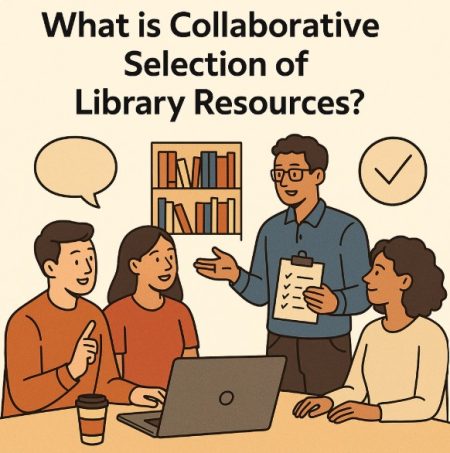
- Collaborative and Community-Based Learning: Libraries are designed to promote both individual and collaborative learning. Modern libraries provide quiet study zones, group discussion rooms, and community spaces where people can share ideas and work together. They also host book clubs, reading circles, and makerspaces—areas equipped with tools and technology for hands-on learning. Makerspaces allow users to experiment with robotics, 3D printing, and creative design, making libraries hubs for innovation and creativity. Example: A public library with a makerspace can offer coding boot camps or 3D modeling workshops, allowing learners to acquire technical skills in a collaborative environment.
- Remote Access and E-Resources: One of the most significant contributions of libraries to lifelong learning is the provision of remote access to digital resources. Through systems like OpenAthens or institutional logins, users can access e-books, research databases, and academic journals from anywhere, eliminating physical limitations. This service is particularly valuable for professionals, researchers, and distance learners who cannot visit the library regularly. Example: During the COVID-19 pandemic, libraries around the world strengthened remote access services, allowing students to download digital textbooks, attend virtual library orientations, and participate in online research workshops from home.
- Lifelong Learning for Diverse Audiences: Libraries are inclusive spaces that cater to learners of all ages, backgrounds, and abilities. They offer early literacy programs for children, homework help for students, continuing education classes for adults, and technology training for senior citizens. Special services for people with disabilities, such as audiobooks, Braille resources, and screen readers, ensure equal access to information. By addressing the needs of diverse user groups, libraries reinforce their role as community learning centers. Example: Many public libraries conduct storytime sessions for children to build early reading skills while also hosting financial literacy programs for adults and computer classes for seniors.
- Promoting Ethical and Responsible Knowledge Use: In addition to providing access to resources, libraries teach users how to evaluate information critically and use it ethically. Information literacy programs focus on identifying credible sources, avoiding misinformation, and understanding plagiarism. Academic libraries often provide plagiarism detection services and citation tools to promote academic integrity. These initiatives ensure that learners not only acquire knowledge but also develop responsible information practices. Example: A university library may provide Turnitin access and organize a session on ethical research practices, guiding students on paraphrasing and proper citation techniques.
- Future Trends in Library Support for Lifelong Learning: As technology evolves, libraries are adopting innovative solutions to enhance learning. Artificial Intelligence-powered recommendation systems, virtual and augmented reality for immersive learning experiences, and fully digital libraries are emerging as key trends. Hybrid models that combine physical collections with robust digital platforms will continue to dominate the future of libraries. These trends ensure that libraries remain relevant and adaptive in an ever-changing educational landscape. Example: Some libraries are experimenting with virtual reality tools for science education or offering AI-driven platforms that suggest personalized reading and research materials.
Libraries have transcended their traditional roles and emerged as powerful enablers of lifelong learning and knowledge acquisition. They provide inclusive access to information, facilitate skill development, and foster collaborative and digital learning. By embracing technological innovations and prioritizing community engagement, libraries ensure that learning remains accessible, continuous, and meaningful for everyone. In a world where knowledge is the key to progress, libraries stand as timeless pillars of education and personal growth.