A library catalogue is a systematic listing of all the resources housed within a library’s collection, such as books, journals, audio-visual materials, and other reference materials. Traditionally, the catalogue serves as the primary tool for organizing and providing access to the library’s vast array of resources, making it easier for library patrons to locate and retrieve the materials they need. In the pre-digital era, these catalogues were often maintained in physical formats, such as card catalogues, where each resource was meticulously indexed with details like author, title, publication date, and call number. The catalogue was an essential reference point for library users, as it allowed them to navigate the library’s collection efficiently and identify specific materials within the library’s physical space. In this traditional setting, the role of the catalogue was fundamental: it provided a means for patrons to search for books and other resources based on their specific needs, whether by author, title, subject, or classification system. Even before the advent of digital catalogues, the physical library catalogue helped to ensure that users could access and borrow materials with minimal time and effort, serving as the backbone of the library’s operational system and facilitating seamless interaction between users and library resources.
What is a Traditional Library Catalogue?
A traditional library catalogue is a physical system used to organize and locate the resources within a library’s collection, such as books, journals, and other materials. Before the advent of digital catalogues, traditional catalogues were maintained in physical formats, typically as card catalogues, and served as the primary tool for users to identify and access library resources. Each item in the library’s collection was represented by a card or similar document that provided essential bibliographic details about the material, such as the author’s name, title, publisher, date of publication, and call number. This system allowed library patrons to search for materials based on specific criteria like author, title, or subject, offering an organized method of navigating a library’s holdings.
For example, in a traditional library catalogue, a book titled “To Kill a Mockingbird” by Harper Lee would be listed on a card that provides the author’s name, title, publisher (J.B. Lippincott & Co.), publication year (1960), and the call number assigned to the book according to a classification system. In this case, the card could be found by searching for the title or author in an alphabetized drawer of cards. The call number on the card would then direct the user to the correct shelf location within the library.
The catalogue was typically organized using classification systems like the Dewey Decimal Classification or Library of Congress Classification, which grouped resources by subject. For example, all books related to history might be found under the 900s in Dewey Decimal Classification, while literature might be grouped under 800. This hierarchical organization made it easier for users to find related materials and allowed for efficient browsing within specific subject areas.
The traditional library catalogue system was largely manual and required physical interaction, with library users browsing through alphabetized cards or consulting library staff for assistance. While the system worked effectively for its time, it had limitations in search flexibility. For instance, it did not allow for complex searches or remote access, and users had to be physically present in the library to browse the catalogue. Nonetheless, it provided a vital function in helping patrons find the resources they needed, serving as the backbone of library information management for many decades.
Although digital catalogues and online public access catalogues (OPACs) have largely replaced traditional card catalogues, understanding the traditional system offers valuable insight into the evolution of library cataloguing methods. Through their systematic organization and manual search process, traditional catalogues laid the groundwork for the modern systems we use today to access and retrieve information.
Features of a Traditional Library Catalogue
A library catalogue is essential in organizing and accessing library resources, ensuring that library patrons can easily locate and borrow materials. In the traditional library setting, before the advent of digital catalogues, libraries relied heavily on physical catalogues to maintain and organize their collections. Traditional library catalogues, often in the form of card catalogues, played a crucial role in managing library materials, making them accessible to users in an efficient and systematic way. Here are the key features of a traditional library catalogue and its importance in the pre-digital era.
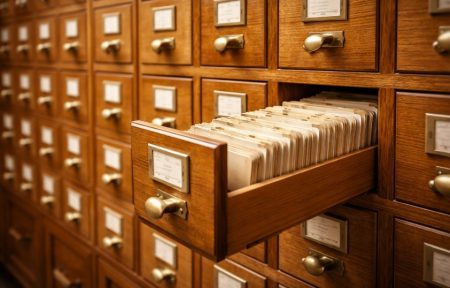
1. Physical Format of Traditional Library Catalogues: In the past, a traditional library catalogue was primarily maintained in a physical format, usually as a card catalogue system. Each resource in the library’s collection was represented by an individual index card, which contained essential bibliographic details about the material. These cards were stored in large, wooden filing cabinets, which were often arranged alphabetically by author, title, or subject. Users would physically browse through these cards to locate the items they needed, with the cards providing an organized, tangible way to access information.
2. Alphabetical Arrangement: The traditional library catalogue was typically organized alphabetically. This arrangement allowed users to quickly locate a resource based on the first letter of the author’s surname, title, or subject heading. The alphabetical order was easy to understand, even for those unfamiliar with library systems, and provided a straightforward method of searching. For example, a user could find a book by browsing the cards under the author’s last name or by searching under the title of the book.
3. Bibliographic Information on Each Card: Each catalogue entry in a traditional system contained essential bibliographic information about the library resource. This information generally included:
-
- Author’s Name: The name of the author, editor, or creator of the work.
- Title: The title of the book, journal, or other materials.
- Publisher Information: The publisher’s name, place of publication, and sometimes the year of publication.
- Edition: Information about the edition of the material, if applicable.
- Date of Publication: The year the item was published.
- Call Number: A unique code or number used to locate the material on the library shelves.
- Subject Heading: A brief description or classification of the material’s subject, often based on standardized classification systems like the Dewey Decimal or Library of Congress Classification.
This comprehensive bibliographic information ensured that users could identify and differentiate between similar items and locate them efficiently.
4. Call Numbers and Classification Systems: The call number is a crucial feature of traditional library catalogues. It served as the library’s internal code for categorizing and locating materials. Call numbers are assigned according to specific classification systems, such as the Dewey Decimal Classification or the Library of Congress Classification. These systems group books and other resources by subject, with each call number representing a specific location on the library shelves.
For example, books on history might have a call number beginning with “900” in the Dewey Decimal system, while books on literature would begin with “800”. This hierarchical classification system enabled users to quickly locate a resource by identifying the call number on the catalogue card and matching it to the corresponding location on the shelf.
5. Manual Search Process: In traditional catalogues, the search process was manual and required physical interaction with the catalogue cards. Users had to browse through alphabetized drawers of cards to find the material they were looking for. The process could be time-consuming, especially in large libraries, but it was the primary method for locating materials before the digital age. Although it was relatively simple, this manual search required users to be familiar with the system and the library’s organization.
6. Subject Headings and Indexing: In addition to the author and title, traditional catalogues often included subject headings that helped to categorize materials by topic. These subject headings were typically based on standardized systems such as the Library of Congress Subject Headings (LCSH) or Dewey Decimal Classification, helping users find books on similar topics. The subject index, along with the author’s name and title, formed a comprehensive system of access that made it easier to discover relevant resources.
7. Physical Accessibility and Limited Search Capabilities: One significant limitation of traditional catalogues was their restricted accessibility. Users could only interact with the catalogue within the physical library. Searching required users to be present in the library, making it difficult for those unable to visit in person. Furthermore, traditional catalogues lacked the advanced search functionalities found in digital systems. Complex queries, such as searching for materials by publisher, publication year, or keyword, were not possible in a traditional catalogue. These limitations led to the development of more sophisticated digital cataloguing systems.
8. Manual Updates and Maintenance: Maintaining a traditional catalogue requires regular manual updates. Librarians were responsible for adding new resources, removing outdated materials, and ensuring the accuracy of the information in the catalogue. This was a time-consuming task, especially in libraries with large collections. As books and resources were constantly being added or withdrawn, the catalogue had to be continuously adjusted to reflect changes in the library’s holdings.
9. Interaction with Library Staff: The traditional catalogue system also encouraged interaction between library users and staff. Library staff played an essential role in assisting users with locating resources. Users who had trouble finding material could consult librarians or library assistants for help. This interaction fostered a sense of community within the library as patrons and staff worked together to navigate the catalogue.
Traditional library catalogues were essential to library operations before the digital age, providing a structured and organized way to catalogue and locate resources. Despite their limitations, such as the need for manual searches and updates, traditional catalogues served as the backbone of library systems, ensuring that users could find the materials they needed. While modern digital catalogues have largely replaced them, understanding the features and significance of traditional catalogues provides valuable insight into the history of library information systems and the evolution of library technology.
The Advantages of Traditional Library Catalogues
Traditional library catalogues, once the cornerstone of library information management, provided a structured and reliable means for library users to access a wide range of resources. Although digital catalogues have largely replaced them in modern libraries, traditional catalogues still hold significant advantages, particularly in terms of simplicity, user engagement, and reliability. This article explores the various advantages of traditional library catalogues, illustrating their effectiveness and impact on library operations and user experiences.
- Simplicity and Accessibility for Basic Needs: One of the primary advantages of traditional library catalogues was their simplicity. For users seeking a straightforward task, such as locating a book by author, title, or subject, traditional catalogues offered an uncomplicated method. The information was organized alphabetically, making it intuitive for users to search. For example, in a traditional card catalogue, a user looking for a book by Charles Dickens would simply browse the “D” section of the catalogue, where cards detailing titles like Oliver Twist or A Tale of Two Cities would be clearly listed. This simplicity made the system accessible to library users of all ages and technological proficiency.
- Tangible Interaction with Library Resources: Traditional catalogues provided a hands-on, tactile experience that engaged library users in a physical way. The act of browsing through rows of neatly organized cards gave users a direct connection to the library’s collection. For example, a user might pull out a card for Moby Dick and see not only the book’s title and author but also its call number, publisher, and subject heading. This physical interaction was satisfying and helped users gain a deeper understanding of how library resources were categorized and organized. Many library patrons enjoyed the sensory experience of flipping through the cards, which contributed to the library’s atmosphere of exploration and discovery.
- Efficient for Basic Search Queries: For basic searches, traditional catalogues were remarkably efficient. A user simply needed to look up a specific author or title, and the catalogue card provided all the necessary details, including the call number and location of the material on the shelf. For example, if someone were looking for the classic novel Pride and Prejudice by Jane Austen, they could quickly locate the entry under “Austen” in the author section, find the relevant card, and proceed directly to the appropriate shelf. This simple method of access made it easy for library patrons to find materials without needing to navigate complex search systems or specialized terminology.
- No Dependency on Technology: Another key advantage of traditional catalogues was their independence from technology. Unlike digital systems that require computers, software, and internet connectivity, traditional card catalogues functioned without any reliance on electronic devices. This was particularly beneficial in areas where access to technology was limited. For example, in the 1960s and 1970s, before the Internet became widespread, libraries relied on physical card catalogues for access to resources. In these cases, users could access the catalogue at any time, regardless of technological disruptions. This made the system highly dependable, as it was not vulnerable to system crashes, software errors, or power outages.
- Visual Organization and Easy Browsing: Traditional library catalogues allow users to browse and visually scan cards for relevant information. This physical arrangement made it easier to spot related resources in the same section. For example, when searching for a specific author’s works, a user could quickly identify all of the books by that author simply by looking through the alphabetized cards. This was particularly helpful for users who were unfamiliar with specific titles but were interested in a particular subject or author. A user interested in science fiction could easily browse through the “S” section and find works by authors like Isaac Asimov, Arthur C. Clarke, and Ursula K. Le Guin, all located together.
- Encouraged User Interaction with Library Staff: Using traditional catalogues often required library users to interact with staff, fostering a sense of community within the library. If users were having trouble finding a resource or understanding the cataloguing system, librarians or assistants were readily available to provide guidance. This created an environment where patrons felt supported and could ask questions about the catalogue or the library’s collection. For example, if a user is unable to find a book, a librarian might assist in identifying the correct call number or even locate the book on the shelf, strengthening the relationship between users and library staff.
- Low Cost and Simple Maintenance: Traditional catalogues were relatively inexpensive to create and maintain. The system required no advanced software or hardware, and updates were made manually by adding or removing cards. This simplicity made traditional catalogues especially attractive to smaller libraries or those with limited budgets. For instance, a small town library with modest funding could easily maintain a traditional card catalogue without the need for expensive digital infrastructure. Regular updates, such as adding new books or updating information, were easily managed by library staff with minimal resources.
- Reliability and Durability: Traditional catalogues, made of durable materials like card stock and housed in sturdy wooden drawers, were reliable and long-lasting. The catalogue could remain operational for years if the physical cards were maintained and properly organized. A well-maintained card catalogue could withstand frequent use, making it a robust system for libraries that did not have the resources to implement and maintain more complex digital catalogues.
- Promoted Library Literacy and Understanding: The manual process of using traditional catalogues helped users develop a deeper understanding of how libraries organize their materials. Browsing through the cards taught users how resources were categorized and what the call numbers meant. This knowledge fostered library literacy, helping users navigate library collections more effectively. Over time, frequent users would become familiar with how books were organized by subject, author, and classification, contributing to their overall understanding of library systems.
While traditional library catalogues have largely been replaced by digital systems in modern libraries, they offered a range of advantages that made them effective and user-friendly during their time. Their simplicity, tactile interaction, independence from technology, and ability to visually organize resources made them valuable tools for library users and staff. Though digital catalogues now offer more advanced search capabilities, the traditional catalogue system played a crucial role in shaping the way libraries organized and shared information, and its impact is still felt today.
Transition to Digital Catalogues
The transition from traditional card catalogues to digital catalogues marked a significant shift in the way libraries manage and provide access to their collections. While traditional catalogues had served libraries well for many years, the limitations of manual searching, space constraints, and the need for more sophisticated search capabilities led to the development of digital cataloguing systems. The shift to digital catalogues, which began in the late 20th century, revolutionized the way library materials were accessed, organized, and retrieved, offering numerous advantages that traditional systems could not provide.
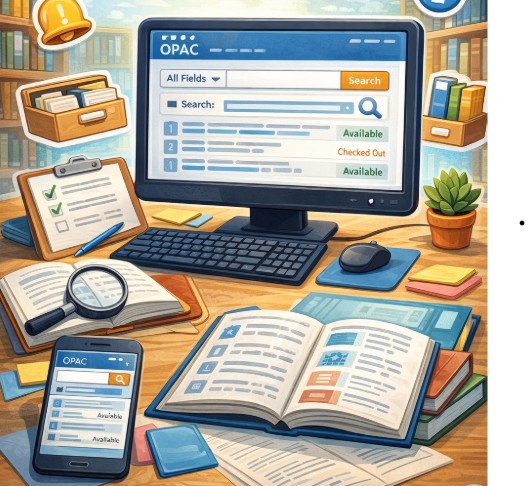
Digital catalogues, often referred to as Online Public Access Catalogues (OPACs), allow users to search for library materials through computer systems, providing faster, more efficient, and more versatile methods of information retrieval. Unlike traditional card catalogues, which require users to physically browse through index cards, digital catalogues enable users to search by multiple criteria, such as author, title, subject, publication year, and even keywords. This advanced search functionality makes it easier for patrons to find resources that match their specific needs without having to manually sift through large volumes of cards.
The transition also brought with it the ability to access catalogues remotely. Digital catalogues can be accessed via the internet, allowing users to search for materials and check availability from anywhere, at any time. This shift was particularly impactful for users who were unable to visit the library in person. For instance, a student at a university could access the library’s digital catalogue from their dorm room, searching for books, journals, or electronic resources without having to visit the library physically. This increased accessibility greatly improved the convenience for library patrons and expanded the reach of library services.
Another key advantage of digital catalogues is the ability to manage large volumes of data with ease. Unlike traditional card catalogues, which require significant physical storage space, digital catalogues can store vast amounts of bibliographic data without taking up physical space. This made it possible for libraries to house and organize far larger collections without the physical constraints that came with maintaining thousands of index cards. Additionally, the maintenance of digital catalogues is much more efficient. Updates can be made quickly and remotely, with new acquisitions and changes to existing records added automatically through integrated systems. This reduces the workload for library staff and ensures that the catalogue is always up-to-date.
The digital format also allows for greater integration with other library systems, such as circulation systems, e-books, and digital archives. For example, a digital catalogue can link directly to electronic journals, e-books, and other online resources, providing users with instant access to a variety of materials without having to leave the catalogue interface. This integration improves the overall user experience and supports modern libraries’ expanding role in digital and remote access to resources.
However, the transition to digital catalogues did not come without its challenges. Libraries had to invest in new technology, such as computers, servers, and software, which required both financial and technical resources. Additionally, library staff had to be trained in using and maintaining the new systems, which posed a learning curve for many institutions. There was also a period of overlap where digital and traditional catalogues existed simultaneously, requiring users to adapt to new technologies while still being familiar with the old systems. Furthermore, not all library users were comfortable with technology, and some older patrons still preferred the tactile nature of traditional catalogues.
Despite these challenges, the benefits of digital catalogues far outweigh the drawbacks. Digital catalogues allowed for greater accuracy, efficiency, and ease of access, enhancing the overall library experience for users. Today, digital catalogues are integral to library systems worldwide, providing patrons with powerful tools to locate and access materials quickly and efficiently. The transition to digital catalogues represents a key moment in the evolution of library management, one that reflects broader trends in technology and information accessibility in the modern era.