In the rapidly changing landscape of the 21st century, librarians today grapple with a myriad of challenges as they strive to stay relevant to users whose expectations and behaviors are shifting dramatically. The transition to digital platforms has significantly reshaped how people seek and consume information. For example, many students now prefer accessing e-books and journal articles on their smartphones or laptops instead of physically visiting the library, forcing librarians to balance traditional print collections with a growing demand for seamless online access. This digital shift is further complicated by information overload, as users are often overwhelmed by vast amounts of unverified content available through search engines and social media, requiring librarians to step in as guides for critical evaluation.
Financial constraints also pose difficulties, limiting libraries’ ability to subscribe to expensive databases or invest in the latest technology. For instance, small university or public libraries may struggle to afford subscriptions to platforms like Scopus or Web of Science, even though users expect access to such global resources. At the same time, the rise of personalization, driven by data analytics and AI, creates expectations for intuitive search results similar to Google or Netflix. While these tools can make libraries more user-friendly, they also raise concerns about privacy, algorithmic bias, and sustainability.
Librarians are increasingly expected to enhance users’ digital literacy, such as teaching students how to distinguish scholarly articles from predatory journals or guiding communities in using AI responsibly for academic work. In many cases, librarians have had to transform into trainers and educators, offering workshops on citation management tools like Mendeley or software like Turnitin. Yet, these new roles also highlight staff shortages and skill gaps; for example, not every librarian is trained in coding, database management, or AI literacy, despite rising demand for these skills. These challenges extend beyond technology. Different user groups-such as undergraduate students, faculty, and alumni-often display diverse behaviors and needs. While faculty may request access to specialized research databases, undergraduates may simply want quick access to textbooks or multimedia resources. Librarians, therefore, must continuously adapt by innovating services, reskilling, and building collaborative strategies to remain effective in meeting evolving user behaviors.
Challenges Librarians Face in Adapting to Changing Trends in User Behavior
Libraries have long been at the heart of knowledge creation and dissemination, serving as bridges between information and communities. However, user behavior is constantly evolving in response to technological advancements, social change, and global shifts in education and research. Librarians now face multiple challenges as they adapt their services, collections, and roles to meet these new demands. From digital transformation to skill development, these challenges highlight the need for continuous innovation and flexibility.
- Transition from Print to Digital Resources: The move from print to digital resources has reshaped nearly every aspect of library operations. Users increasingly prefer the convenience of accessing e-books, online journals, and databases from anywhere, at any time. This trend pushes libraries to invest more in digital subscriptions while still maintaining physical collections for users who value the tactile experience of books or who study in fields where physical copies are essential, such as art history. Balancing these two demands is costly and complex, requiring librarians to carefully manage budgets and space while ensuring equitable access. For example, many academic libraries now reconfigure reading rooms into digital learning hubs, with more computers and collaborative spaces replacing traditional stacks.
- Information Overload and Misinformation: The abundance of online information has created a paradox: while users have more knowledge at their fingertips than ever before, they often struggle to identify credible sources. Librarians face the challenge of teaching information literacy skills to help users distinguish between scholarly research, open-access publications, and misleading or fabricated content. This role has become more urgent in an era of widespread misinformation, where fake news and predatory journals can undermine research integrity. To address this, libraries frequently offer workshops on evaluating sources, recognizing citation practices, and avoiding plagiarism. These efforts highlight the librarian’s evolving role as a guide in navigating the digital knowledge landscape.
- Financial and Resource Constraints: Libraries are expected to provide access to premium online resources and cutting-edge technologies, but most operate under strict budgetary limitations. Subscription fees for academic databases, electronic journals, and e-book packages are continuously rising, making it difficult for smaller institutions to meet user expectations. For instance, a public university library may struggle to afford subscriptions to Elsevier or Springer journals that faculty and students expect for their research. Moreover, costs extend beyond subscriptions-libraries must also invest in IT infrastructure, digital repositories, and skilled personnel. This financial pressure often forces librarians to make tough decisions about which services to prioritize and which to scale back.
- Personalization and User Expectations: Modern users are accustomed to the highly personalized services offered by commercial platforms like Amazon, Netflix, or Google, and they increasingly expect the same from libraries. Patrons want intuitive search systems, curated recommendations, and quick access to the materials most relevant to them. However, implementing such personalized systems requires advanced data analytics and artificial intelligence tools, which may not always be available or affordable to libraries. Additionally, personalization raises ethical concerns related to privacy, data collection, and algorithmic bias. Librarians must strike a balance between meeting user expectations and protecting the rights and confidentiality of their patrons.
- Enhancing Digital Literacy: The librarian’s role has expanded to include educating users about digital tools and research strategies. Beyond simply locating resources, librarians now teach users how to evaluate websites, manage citations, avoid plagiarism, and use digital platforms effectively. For example, many libraries run training sessions on reference management software like Zotero or Mendeley, plagiarism detection tools like Turnitin, and research databases like PubMed or JSTOR. This shift reflects the growing recognition that digital literacy is an essential skill in higher education, professional development, and lifelong learning. For librarians, however, this also means taking on a teaching role that requires both expertise and communication skills.
- Technological Skill Gaps and Professional Development: As technology evolves rapidly, librarians must acquire new competencies in areas such as coding, data management, artificial intelligence, and digital archiving. However, not all librarians have the same opportunities for training, leading to skill gaps that make adaptation difficult. For example, a librarian trained decades ago may have limited exposure to metadata standards or database management, while newer professionals may excel in these areas but lack broader subject expertise. Professional development programs and continuous training are essential, but they also require time and financial investment—resources that are not always readily available. Without addressing these gaps, libraries risk falling behind in offering modern services.
- Diverse User Groups and Changing Needs: Librarians serve multiple user groups, each with distinct behaviors and expectations. Undergraduates may prioritize access to textbooks and multimedia resources, while graduate students and faculty often require specialized journals, datasets, and research tools. Alumni and community users, on the other hand, may seek career resources, lifelong learning opportunities, or cultural programming. Meeting such varied needs requires flexibility and creativity. For example, many academic libraries have introduced tiered access policies, offering different levels of resources depending on the user category. This diversity adds complexity to librarianship, as one-size-fits-all solutions rarely satisfy all patrons.
- Digital Equity and Accessibility: While many users have embraced digital resources, not all have equal access to the necessary devices, software, or internet connectivity. This digital divide remains a major barrier in both academic and public libraries. For instance, rural communities or low-income populations may rely heavily on library facilities for free internet, printing, and computer access. Librarians are challenged to ensure that digital resources are accessible to all, often by maintaining hybrid services that combine physical and digital access. Accessibility also extends to serving users with disabilities, requiring libraries to adopt inclusive technologies such as screen readers, adaptive devices, and accessible web interfaces.
Adapting to changing user behaviors is an ongoing process that requires librarians to balance tradition with innovation. The challenges range from managing financial pressures and technological shifts to meeting the diverse needs of users and addressing issues of equity. Librarians must continuously reskill, advocate for resources, and collaborate with stakeholders to ensure that libraries remain relevant and effective in a digital-first world. Despite these challenges, librarianship continues to evolve as a profession rooted in service, adaptability, and a commitment to making knowledge accessible to all.
How Librarians Manage the Shift from Print to Digital Resources While Meeting Diverse User Needs
The rise of digital technology has fundamentally transformed the way people access and consume information, and libraries are at the center of this transition. Once dominated by shelves filled with printed books and journals, libraries have evolved into hybrid spaces where digital databases, e-books, and online journals coexist alongside traditional print materials. This transformation offers greater accessibility and convenience, yet it also presents challenges, as librarians must carefully balance the growing demand for digital resources with the continued reliance on print materials to meet the needs of all user groups.
To address this, librarians adopt a hybrid approach that ensures essential print resources remain available while steadily expanding digital collections. For example, academic libraries often maintain core textbooks and reference works in print because many students still prefer physical copies for in-depth reading and note-taking, while at the same time investing in e-books and online journals that allow users, including distance learners, to access materials anytime and anywhere. Decisions about which resources to keep in print and which to acquire digitally are guided by borrowing data, faculty recommendations, and financial considerations, helping librarians strike a balance between tradition and modernity.
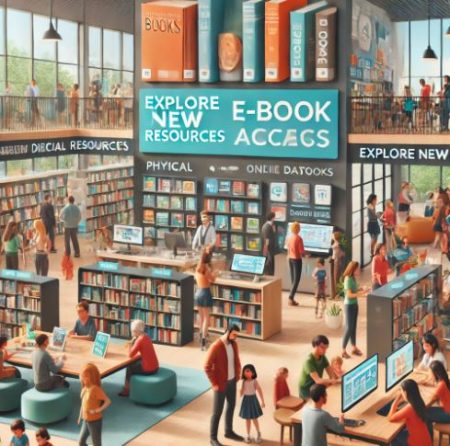
Different groups of users display varied preferences, and librarians respond by analyzing borrowing patterns and conducting surveys to better understand these needs. Undergraduate students often value the flexibility of digital access, while faculty members in fields such as literature or history may favor physical texts for close reading and detailed analysis. In public libraries, some patrons enjoy borrowing e-books through apps, while others rely heavily on print books for leisure reading. By offering multiple formats wherever possible, librarians ensure that no group is excluded during the ongoing transition to digital. The shift toward digital resources has also influenced the way physical library spaces are used. With less demand for large print collections, many libraries are repurposing stacks into digital learning labs, collaborative study spaces, and multimedia facilities. University libraries, for instance, now include more computer terminals, Wi-Fi-enabled workspaces, and even maker spaces, reflecting how user needs have evolved from silent reading rooms to active, technology-driven learning environments.
However, access to digital resources depends not only on availability but also on users’ ability to navigate them effectively. Librarians play a vital role in promoting digital literacy, teaching students, researchers, and community members how to search databases, use e-book platforms, and evaluate online sources for credibility. At the same time, they remain mindful of the digital divide, recognizing that not all patrons have equal access to devices or reliable internet connections. Libraries address this gap by providing on-site computers, free Wi-Fi, and user training sessions, ensuring inclusivity for disadvantaged groups.
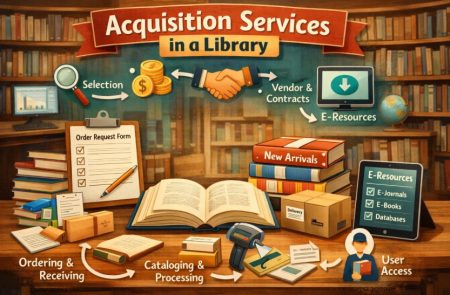
Budget constraints add another layer of complexity, as digital subscriptions to journals and databases are often expensive. Librarians must carefully allocate funds, balancing investments in digital platforms with the maintenance of physical collections. Some institutions have adopted demand-driven acquisition models, where e-books and other digital resources are purchased only when there is evidence of user demand. This strategy allows libraries to optimize their budgets and ensure that funds are spent on materials most relevant to their users.