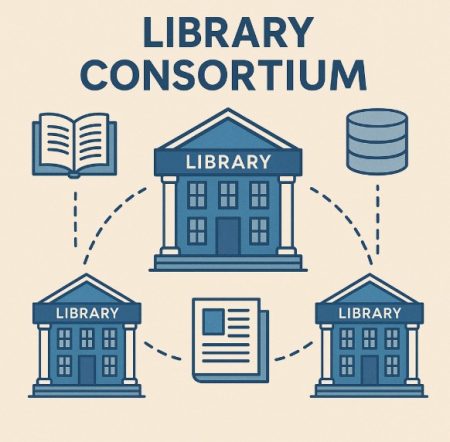
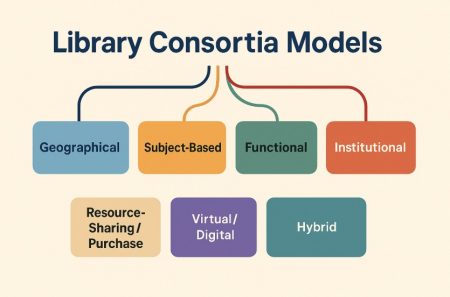
A library consortium is a collaborative arrangement between multiple libraries, pooling resources, sharing services, and working together to achieve common goals. The primary aim of a library consortium is to enhance access to information and resources, reduce costs, and improve the efficiency of library services. These collaborations can include academic, public, school, and special libraries.
The concept of library consortia dates back to the late 19th and early 20th centuries when libraries began to recognize the benefits of cooperation. One of the earliest examples is the establishment of the American Library Association (ALA) in 1876, which fostered a spirit of collaboration among libraries in the United States.
In the mid-20th century, technological advancements, particularly in telecommunications and computing, provided new opportunities for libraries to collaborate. The introduction of library networks and the development of shared cataloging systems, such as OCLC (Online Computer Library Center), founded in 1967, marked significant milestones in the evolution of library consortia.
In recent decades, the internet and digital technologies have further transformed library consortia. Modern consortia often include shared digital collections, interlibrary loan services, collective bargaining for electronic resources, and joint staff training programs. Examples of well-known library consortia include the Big Ten Academic Alliance, the Consortium of Academic and Research Libraries in Illinois (CARLI), and the European Research Libraries Consortium (LIBER).
Library consortia continue to play a crucial role in enhancing the capabilities of member libraries, providing broader access to resources, and promoting innovation and efficiency in library services.
Benefits of Library Consortia
Library consortia are collaborative agreements among libraries to share resources and services, enabling them to provide more extensive collections and improved services to their users. These partnerships can vary in size and scope, from local groups of libraries to international networks. Here are some of the key benefits of library consortia:
- Cost Efficiency and Resource Sharing: One of the primary benefits of library consortia is cost efficiency. By pooling their resources, libraries can negotiate better prices for electronic resources, databases, and subscriptions. This collaborative purchasing power often results in significant cost savings compared to individual acquisitions. Additionally, consortia enables libraries to share physical and digital resources, reducing the need for duplicate purchases and maximizing the use of existing collections.
- Expanded Access to Resources: Through consortia, libraries can provide their users access a wider range of materials than they could individually. Members can borrow items from other libraries within the consortium, significantly expanding the collection available to patrons. This interlibrary loan service is particularly beneficial for smaller libraries with limited budgets and collections.
- Professional Development and Training: Consortia often organizes professional development opportunities, workshops, and training sessions for library staff. These events promote sharing best practices, new technologies, and innovative services. By participating in these activities, library professionals can enhance their skills and stay updated with industry trends, ultimately improving the quality of service provided to users.
- Enhanced Technological Infrastructure: Library consortia frequently invest in shared technological infrastructure, such as integrated library systems (ILS), digital repositories, and online catalogues. This shared technology reduces costs and ensures a higher level of consistency and compatibility among member libraries. Users benefit from a seamless experience when accessing resources from multiple libraries within the consortium.
- Collaborative Projects and Initiatives: Consortia enables libraries to undertake large-scale projects and initiatives that would be challenging to accomplish individually. Examples include digitization projects, preservation efforts, and the development of specialized collections. Collaborative projects can create valuable resources that benefit the entire library community and its users.
- Improved User Services: By leveraging the collective expertise and resources of member libraries, consortia can offer enhanced services to users. These may include specialized reference services, access to expert consultations, and collaborative programming such as author talks, workshops, and cultural events. The improved services contribute to a richer and more diverse user experience.
- Advocacy and Influence: Library consortia can serve as powerful advocates for libraries at local, regional, national, and international levels. By speaking with a unified voice, consortia can influence policy decisions, secure funding, and promote the importance of libraries to various stakeholders. This collective advocacy strengthens the position of libraries and ensures their continued support and development.
- Increased Visibility and Community Engagement: Participation in a consortium can enhance the visibility and reputation of individual libraries. By being part of a larger network, libraries can reach a broader audience and engage with diverse communities. Collaborative marketing and outreach efforts can attract new users and increase community support for library services and programs.
Library consortia offer numerous benefits that enhance the capabilities and services of individual libraries. Consortia enable libraries to serve their communities better through cost savings, expanded access to resources, professional development, shared technology, collaborative projects, improved user services, advocacy, and increased visibility. As the information landscape continues to evolve, the role of consortia in supporting and advancing library services will remain crucial.
Why Library Consortia Are Essential
In today’s rapidly evolving information landscape, libraries face numerous challenges in meeting their users’ diverse and growing needs. The digital age has dramatically increased the volume of available information but also the complexity of accessing, managing, and preserving it. To effectively navigate these challenges, libraries increasingly rely on collaborative frameworks known as library consortia. These consortia are not just beneficial; they are essential for several reasons:
- Resource Sharing and Access: Library consortia allow member libraries to pool their resources, providing patrons access to a much larger collection of materials than any single library could offer. This includes books, journals, e-books, databases, and other digital resources. For example, if one library in the consortium has a rare book or an expensive journal subscription, other members can access these materials through interlibrary loans or shared digital platforms. This collective resource pool reduces redundancy and ensures that resources are used more efficiently across the consortium.
The OhioLINK consortium exemplifies this benefit by connecting Ohio’s college and university libraries, providing access to over 50 million library items. Students and faculty can request materials from any member library, significantly expanding their research capabilities. - Cost Efficiency: By joining forces, libraries in a consortium can negotiate better prices for electronic resources, databases, and other subscriptions. Bulk purchasing and collective bargaining power often lead to significant discounts that individual libraries could not achieve alone. This is particularly important in the face of budget constraints, allowing libraries to stretch their funds further and invest in additional resources or services.
The Consortium of Academic and Research Libraries in Illinois (CARLI) negotiates licenses for electronic resources on behalf of its member libraries, saving millions of dollars annually that can be redirected to other areas of need. - Enhanced Services: Consortia can implement shared technological platforms that improve the efficiency and reach of library services. Shared catalogs, for instance, allow users to search across multiple library collections from a single interface. Additionally, consortia can develop and maintain interlibrary loan systems, enabling quick and easy borrowing of materials between libraries. Collaborative digital initiatives like digitization projects can preserve and provide access to unique collections.
The Orbis Cascade Alliance, a consortium of academic libraries in the Pacific Northwest, operates a shared catalog system called “Summit.” This system allows users to search and request materials from any member library, streamlining the borrowing process. - Professional Development and Networking: Library consortia organize and facilitate training programs, workshops, and conferences that bring together librarians and library staff from different institutions. These events provide opportunities for professional growth, skill development, and the exchange of ideas. Networking within the consortium helps build a community of practice where members can support each other and collaborate on projects.
The Association of Research Libraries (ARL) offers numerous professional development opportunities, including leadership institutes and specialized training programs, helping member librarians to enhance their skills and advance in their careers. - Innovation and Best Practices: Consortia creates an environment that fosters innovation by encouraging member libraries to share successful initiatives and pilot new programs collectively. This collaborative approach allows libraries to experiment with emerging technologies and methodologies in a supportive setting. Sharing best practices helps to elevate the overall quality of services provided by member libraries.
The North East Research Libraries (NERL) consortium in the UK has implemented several innovative projects, such as joint digitization efforts and collaborative research data management systems, benefiting all member institutions. - Advocacy and Influence: A unified voice through a consortium can significantly enhance advocacy efforts at local, regional, national, and international levels. Consortia can lobby for funding, influence policy decisions, and raise public awareness about the importance of libraries. This collective influence is often more powerful than individual advocacy efforts.
The Council of Australian University Librarians (CAUL) advocates for the interests of academic libraries in Australia, securing funding and influencing national policies related to library services and information access. - Support for Specialized Needs: Specialized libraries, such as those focused on particular academic disciplines or professional fields, often require access to niche resources that may be rare or expensive. Consortia enables these libraries to share specialized collections and expertise, ensuring that their users have access to the necessary materials and knowledge.
The Medical Library Association (MLA) has several regional consortia that facilitate access to specialized medical journals and databases, providing crucial support to healthcare professionals and researchers. - Disaster Preparedness and Recovery: Library consortia can develop and implement shared disaster response and recovery plans, ensuring that member libraries are prepared to handle emergencies. This might include data backup and recovery services, mutual aid agreements, and coordinated response efforts during natural disasters or other crises. By working together, libraries can ensure continuity of services and support each other in times of need.
The Southeastern Library Network (SOLINET), now part of LYRASIS, has developed disaster planning resources and recovery services for its member libraries, helping them to prepare for and respond to emergencies.
Library consortia are critical to the modern library landscape, providing a framework for cooperation and shared success. By enabling resource sharing, cost efficiency, enhanced services, professional development, innovation, advocacy, support for specialized needs, and disaster preparedness, consortia helps libraries to thrive in an increasingly complex and interconnected world. As libraries continue to evolve in response to technological advancements and changing user expectations, the role of consortia will remain integral to their success and sustainability.