
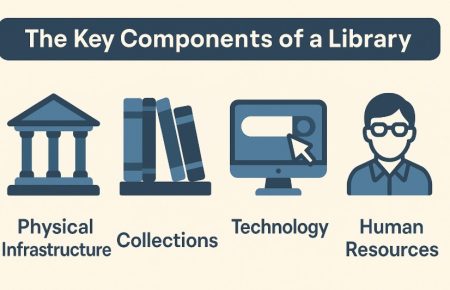
A library is a structured hub of knowledge and information, designed to collect, organize, preserve, and provide access to a wide range of resources for learning,…
A library is a structured hub of knowledge and information, designed to collect, organize, preserve, and provide access to a wide range of resources for learning,…

In the digital age, privacy has become a fundamental concern across all sectors, including libraries. For library users, privacy considerations encompass the protection of personal information,…
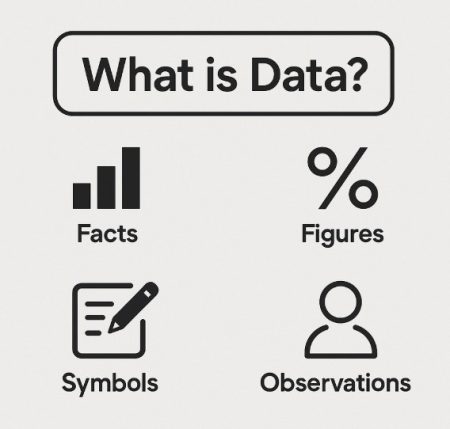
Data refers to unprocessed facts, figures, or observations collected from various sources, which can represent anything, such as numbers, text, images, audio, or video. In simple…
Data ethics refers to the set of moral principles and standards that guide the responsible collection, handling, analysis, sharing, and usage of data. In today’s digital…
Freedom of Information (FOI) refers to the fundamental right of individuals to access information held by public authorities, government agencies, and organizations performing public functions. It…
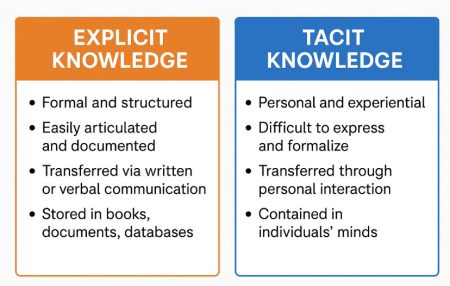
In the field of knowledge management, understanding the distinction between explicit knowledge and tacit knowledge is fundamental to effectively managing and utilizing intellectual resources. Explicit knowledge…
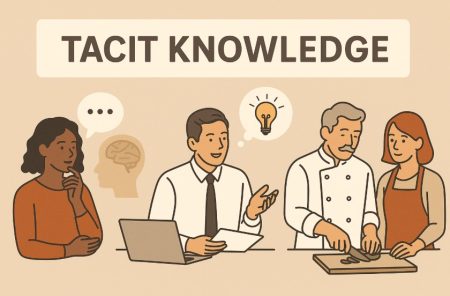
Tacit knowledge is a type of knowledge that is personal, experiential, and often subconscious, making it inherently difficult to express, formalize, or transfer through traditional means…

Explicit knowledge refers to information that can be clearly articulated, systematically documented, and easily communicated to others. This type of knowledge is typically expressed in formal…

Rare books in libraries represent unique, valuable, and often irreplaceable resources that preserve the intellectual, cultural, and historical heritage of societies. These books are considered “rare”…
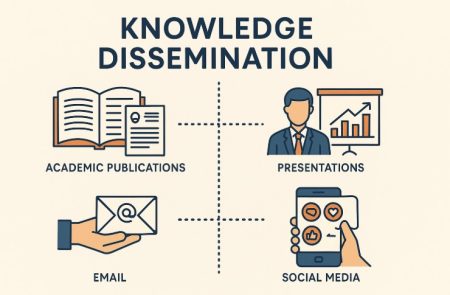
Knowledge dissemination refers to the deliberate and systematic process of distributing information, insights, and research findings to a targeted audience in a way that is accessible,…