
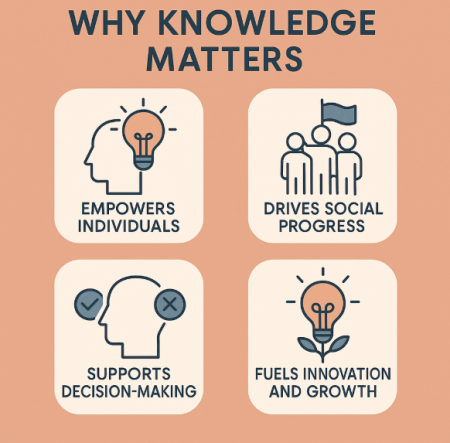
Knowledge is more than the simple possession of information; it is the ability to understand, interpret, and apply that information in meaningful ways. For example, knowing…
Knowledge is more than the simple possession of information; it is the ability to understand, interpret, and apply that information in meaningful ways. For example, knowing…
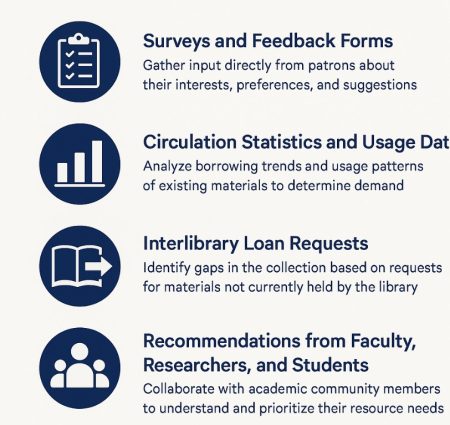
Libraries exist to serve their communities, whether those communities are students, researchers, professionals, or the general public. To remain relevant and effective, libraries must ensure that…
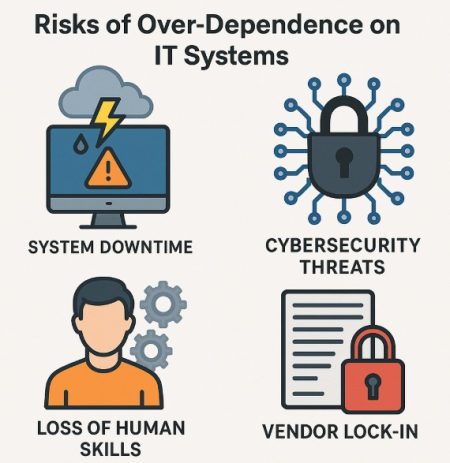
In today’s world, Information Technology (IT) systems have become the backbone of almost every sector, including organizations, governments, education, healthcare, and even our daily lives. Businesses…

In today’s digital era, information and knowledge serve as the backbone of progress, innovation, and decision-making in almost every sphere of life. Access to reliable information…
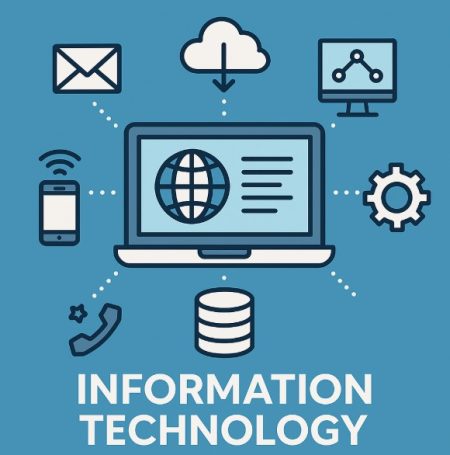
Information Technology (IT) refers to the use of computers, software, networks, and other digital systems to store, process, manage, and exchange information. It has become one of…
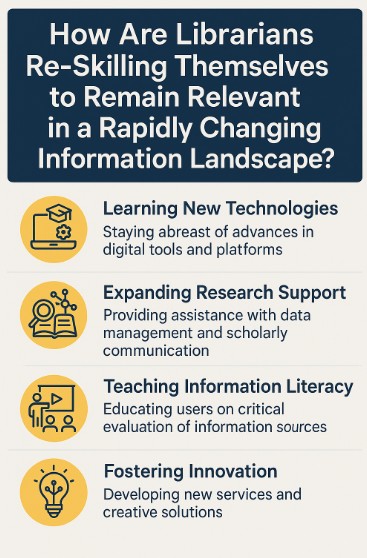
Librarianship in the rapidly changing information landscape has undergone a remarkable transformation, moving far beyond its traditional role of managing books and print collections. Today, librarians…
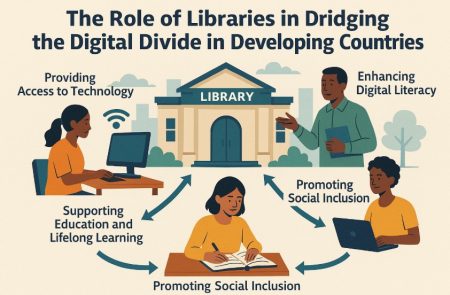
The digital divide refers to the gap between individuals, communities, and nations that have access to modern information and communication technologies and those who do not.…

In the rapidly changing landscape of the 21st century, librarians today grapple with a myriad of challenges as they strive to stay relevant to users whose…
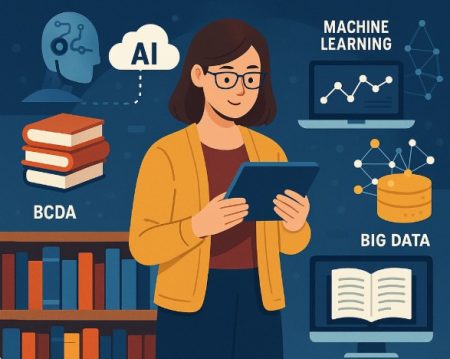
Emerging technologies like Artificial Intelligence, Machine Learning, and Big Data are revolutionizing librarianship-elevating libraries from static information repositories into dynamic, responsive, and deeply user-focused knowledge hubs.…
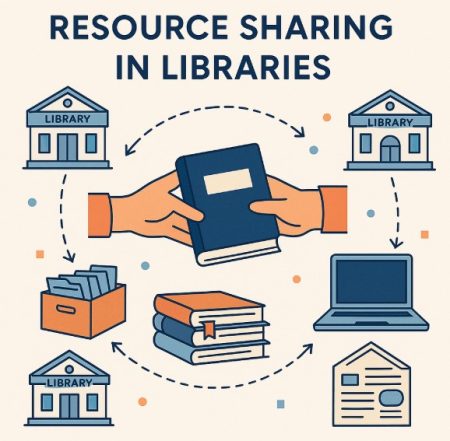
Resource sharing significantly expands access to materials beyond a single library’s own collection by creating collaborative networks among academic and research institutions. No library, regardless of…