What is a Digital Library?
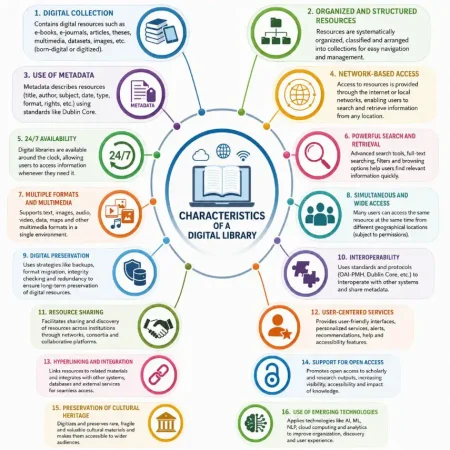
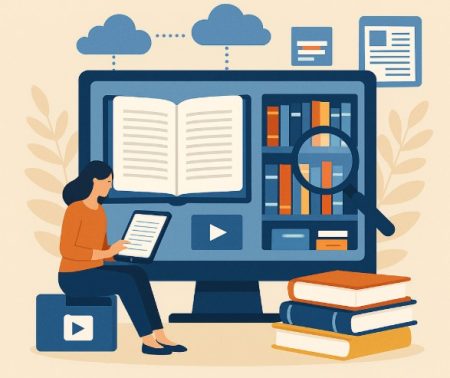
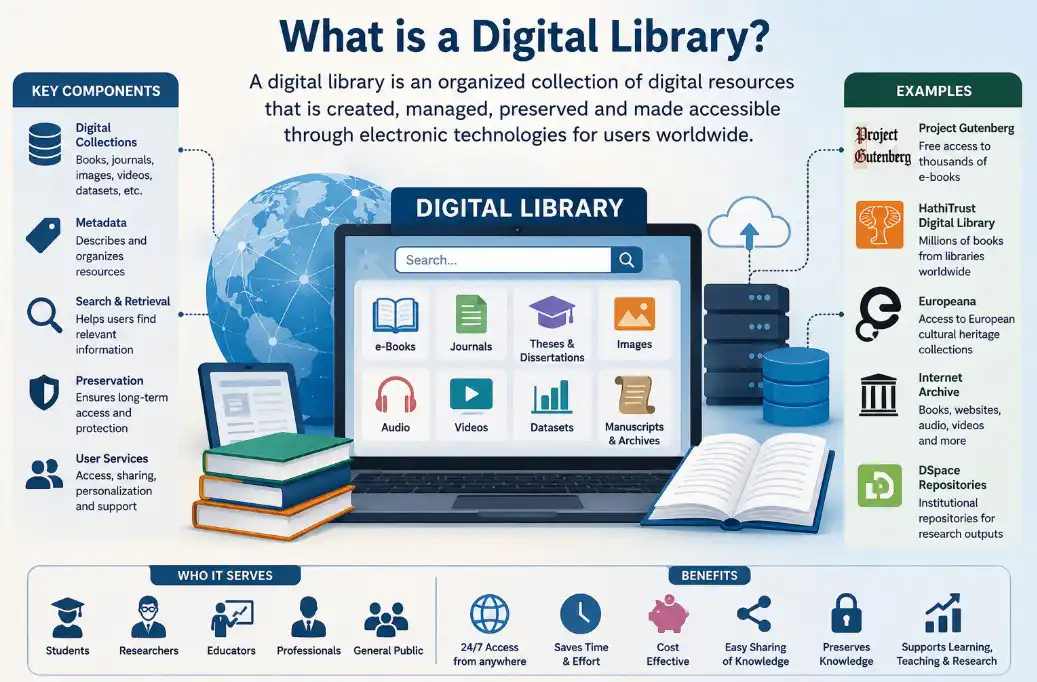
A digital library is an organized collection of digital resources that are created, acquired, managed, preserved, and made accessible through electronic technologies. In contrast to traditional libraries, which primarily contain printed books and other physical materials, a digital library stores information in digital formats such as e-books, electronic journals, digitized manuscripts, images, audio recordings, videos, research datasets, maps, and multimedia resources. These resources are systematically organized using standardized metadata and retrieval systems, which allow users to search, access, and retrieve information efficiently via computers, smartphones, tablets, or other internet-enabled devices. For example, Europeana provides access to millions of digitized books, artworks, photographs, and historical records from museums, libraries, and archives across Europe, while HathiTrust Digital Library offers millions of digitized books contributed by academic and research libraries worldwide.
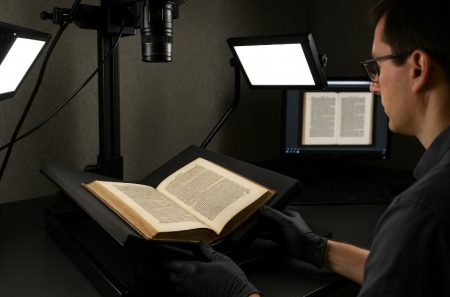
The concept of a digital library goes beyond merely converting printed materials into digital formats. It includes the integration of information technologies, digital preservation strategies, metadata standards, search and retrieval systems, and user-centered services to support learning, teaching, research, and lifelong education. Digital libraries may contain born-digital resources, such as electronic theses, online journals, research datasets, and digital reports, as well as digitized resources, including scanned rare books, historical newspapers, manuscripts, and photographs. For instance, Project Gutenberg provides free access to over 79,000 public-domain e-books, whereas the Internet Archive preserves books, websites, audio, videos, and software for public access.
Academic institutions also maintain institutional repositories; for example, DSpace is commonly used by universities to preserve and disseminate theses, dissertations, faculty publications, and research outputs. Digital libraries typically use international metadata standards such as Dublin Core, MARC 21, and MODS, along with interoperability protocols like OAI-PMH, to ensure effective organization, discovery, and sharing of information across different platforms.
Digital libraries serve diverse communities, including students, researchers, educators, professionals, policymakers, and the general public. They provide instant access to scholarly literature, institutional repositories, historical archives, government publications, educational resources, and multimedia collections, while eliminating many of the physical limitations associated with traditional libraries. For example, a university student can remotely access subscribed databases such as JSTOR or IEEE Xplore to download journal articles, while a historian can consult digitized manuscripts from the World Digital Library or national digital archives without having to travel to the holding institution.
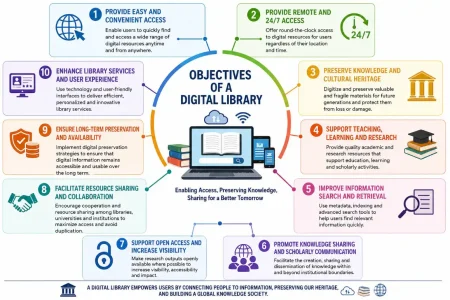
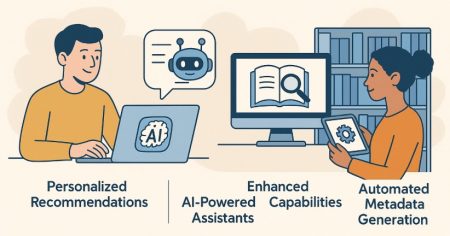
Modern digital libraries also offer advanced features such as full-text searching, citation export, personalized recommendations, multimedia support, artificial intelligence–assisted discovery, and integration with learning management systems. By combining digital technologies with traditional library principles of organization, preservation, and equitable access to knowledge, digital libraries have become an essential component of the global information infrastructure, enabling knowledge sharing, preserving cultural heritage, and supporting education and research on a worldwide scale.
How Does a Digital Library Differ from a Traditional Library? / Difference Between Digital Library and Traditional Library.
Digital and traditional libraries both serve as repositories of knowledge but differ significantly in their structure, functionality, and user experience. The rise of digital libraries has transformed how information is accessed and shared, offering new opportunities and overcoming many limitations of traditional libraries. Below is a comparison highlighting the key differences between the two:
| Aspect | Digital Library | Traditional Library |
|---|---|---|
| Format of Resources | Traditional libraries house physical materials such as books, journals, magazines, newspapers, maps, and manuscripts. These materials are printed or handwritten and must be accessed and handled in person. Rare and historical items in traditional libraries are often stored in climate-controlled environments to prevent damage. | Digital libraries provide resources in electronic formats, such as e-books, PDFs, multimedia files (audio, video, images), and scanned versions of physical documents. This enables content to be stored, distributed, and accessed digitally, reducing the reliance on paper and other physical materials. The variety of formats in digital libraries, including interactive and multimedia content, enhances the learning experience. |
| Accessibility | Accessibility is limited to a specific location, such as a school, university, or public library. Users must visit during designated operating hours, which can be restrictive for those in different time zones or with time constraints. | Digital libraries overcome these barriers by offering 24/7 online access. Users can log in from anywhere worldwide as long as they have an internet connection. This makes digital libraries especially useful for remote learners, researchers, and those in underserved regions. |
| Space Requirements | Physical libraries require substantial space for shelving books, maintaining archives, and providing reading areas. Expansion requires additional physical infrastructure, which can be costly and time-consuming. | Digital libraries eliminate the need for large physical spaces. Content is stored digitally, often in cloud-based storage systems, which can scale up effortlessly to accommodate more resources without the need for additional buildings or storage rooms. |
| Search and Retrieval | Locating materials in a traditional library can be time-intensive. Users rely on physical catalogues or the Classification system to find resources. This process may involve manual searching through shelves, which can be cumbersome and slow. | Digital libraries streamline the search process with advanced tools, including full-text search, Boolean operators, filters, and metadata tagging. These features enable users to locate specific resources or topics within seconds, saving time and effort. |
| Preservation of Materials | Physical materials are subject to wear and tear over time. Environmental factors such as humidity, temperature, and pests can also damage resources. Archival preservation in traditional libraries often requires expensive climate-controlled storage systems. | Digital libraries preserve content in electronic formats, protecting it from physical degradation. Scanning and digitization of rare or historical documents ensure that they remain intact and accessible for future generations. |
| Resource Sharing | Sharing resources between institutions often involves physical transfers, which can be time-consuming and expensive. Borrowing a book or journal from another library may require interlibrary loan services that rely on shipping and handling. | Digital libraries enable instant sharing of resources. Users from different locations can access the same material simultaneously, promoting collaboration and reducing duplication of resources across institutions. |
| Cost Considerations | Maintaining a traditional library involves significant expenses, including staffing, infrastructure, utilities, and acquisition of physical resources. Additional costs arise from repairs, binding, and preserving materials. | Digital libraries reduce costs associated with physical maintenance and storage. While initial investments in technology and software licensing can be high, they eliminate recurring costs like printing and physical resource distribution. |
| User Interaction | Users often rely on the expertise of librarians to locate specific resources or answer research-related questions. Interaction is personal and guided, making the traditional library experience more tailored in some cases. | Digital libraries emphasize self-service. Users navigate the platform independently using intuitive interfaces and search tools. However, many digital libraries also provide virtual support through chatbots, email, or online help desks. |
| Types of Resources | The collection primarily includes physical items like printed books, journals, and microfilm. Multimedia content is typically limited to audio cassettes, CDs, or DVDs available for borrowing. | Digital libraries offer a wider variety of content, including interactive e-books, online journals, videos, podcasts, and even simulations or augmented reality tools. This diversity caters to different learning styles and preferences. |
| Environmental Impact | Traditional libraries depend on printed materials, which involve paper production, printing, and transportation. This has an environmental footprint due to deforestation, energy consumption, and waste generation. | Digital libraries promote eco-friendly practices by reducing the need for paper, ink, and physical shipping. They contribute to sustainability by offering a green alternative to traditional resource management. |
| Accessibility for Users with Disabilities | Accessibility depends on physical infrastructure, such as ramps, elevators, and specially designed workstations. Materials for visually impaired users, such as braille books, may not always be available. | Digital libraries are more inclusive, offering features like screen readers, adjustable font sizes, text-to-speech tools, and audio resources. These features cater to users with visual, hearing, or motor impairments, making digital libraries more universally accessible. |
Main Features of a Digital Library
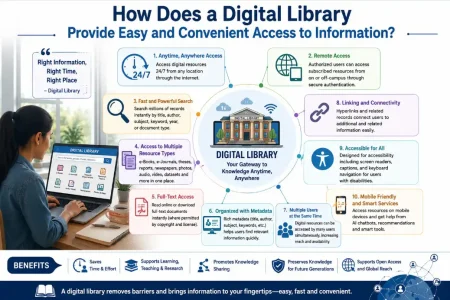
A digital library is more than just an online repository of information; it is a sophisticated system designed to facilitate easy access, organization, and management of digital resources. Below are the main features that define a digital library:
- Wide Variety of Digital Resources: One of the standout features of a digital library is its ability to house an extensive range of digital content. These resources include:
- E-books
- Journals and research articles
- Audiobooks and podcasts
- Videos and documentaries
- Scanned historical documents and archives. This diversity ensures that users can access knowledge in formats that suit their needs, making digital libraries a valuable resource for both academic and personal use.
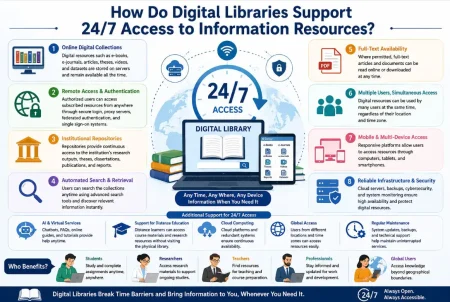
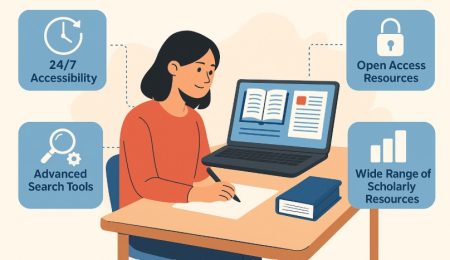
- 24/7 Accessibility: Unlike traditional libraries with fixed hours, digital libraries offer round-the-clock access. Users can log in anytime from anywhere worldwide as long as they have an internet connection. This feature is especially beneficial for:
- Remote learners and researchers in different time zones.
- Professionals who may need resources outside typical working hours. The flexibility of 24/7 accessibility supports the demands of modern lifestyles.
- Advanced Search and Retrieval Tools: Digital libraries are equipped with powerful search tools that make finding resources easy and efficient. These tools include:
- Full-text search to locate specific information within documents.
- Boolean operators (AND, OR, NOT) for precise queries.
- Filters for sorting results by type, date, or relevance.
- Metadata tagging for better categorization of resources. These capabilities drastically reduce the time spent searching for information compared to traditional methods.
- Long-Term Preservation of Resources: Digital libraries play a crucial role in preserving knowledge for future generations. Digitizing books, manuscripts, and other materials protects valuable resources from physical deterioration. Scanned historical documents and rare collections are safeguarded in electronic formats, ensuring their availability and accessibility over time.
- Remote Access: One of the most transformative aspects of digital libraries is their ability to provide remote access. Users no longer need to visit a physical location to access materials. This feature benefits:
- Individuals in rural or underserved areas with limited physical libraries.
- Institutions and learners participating in distance education. By removing geographical barriers, digital libraries democratize access to knowledge on a global scale.
- Multimedia Integration: Unlike traditional libraries that primarily focus on text-based resources, digital libraries integrate multimedia formats such as:
- Videos and interactive tutorials.
- Audio content like podcasts and lectures.
- Images, charts, and infographics. This multimedia approach caters to diverse learning preferences, making information more engaging and accessible.
- Scalability: Digital libraries are highly scalable and capable of expanding their collections without physical limitations. Cloud-based storage solutions enable these libraries to accommodate large volumes of data and adapt to the growing needs of users. Scalability ensures that digital libraries remain relevant and capable of supporting future demands.
- Cost Efficiency: Operating a digital library can be more cost-effective compared to maintaining a traditional library. Cost savings arise from:
- Reduced physical storage requirements.
- Elimination of printing, binding, and shipping expenses.
- Lower maintenance and staffing costs. While initial investments in technology may be significant, the long-term savings make digital libraries an attractive solution for institutions and organizations.
- Personalized User Experience: Digital libraries enhance user engagement through features that allow for personalization, such as:
- Saving bookmarks and creating reading lists.
- Receiving recommendations based on past searches or preferences.
Accessing user dashboards to track history and manage resources. These personalized features make the library more interactive and tailored to individual user needs.
- Collaborative Tools: Digital libraries foster collaboration among users by providing tools and features such as:
- Shared access to resources for group projects.
- Online discussion forums and research networks.
- Annotation and commenting tools for shared documents. These features promote teamwork and knowledge sharing, making digital libraries ideal for academic and professional collaborations.
Digital libraries are redefining the way we access and interact with information. From their 24/7 accessibility and advanced search tools to their cost efficiency and multimedia integration, these libraries offer a suite of features that meet the needs of a global audience. By breaking geographical barriers, preserving knowledge, and supporting collaborative learning, digital libraries have become indispensable in the digital age. As technology continues to evolve, the features of digital libraries will only become more sophisticated, further enhancing their value as hubs of knowledge and innovation.
Types of Resources in a Digital Library
A digital library offers vast resources, catering to diverse audiences such as students, researchers, educators, and the general public. These resources are stored in digital formats, making them easily accessible, shareable, and searchable. Below is an overview of the different types of resources that can typically be found in a digital library:
- E-Books: E-books are among the most popular resources in digital libraries. These electronic versions of printed books cover various topics, from academic textbooks and technical manuals to novels and self-help guides. E-books often come with interactive features, such as search functions, highlighting, and note-taking, making them user-friendly and versatile.
- Academic Journals and Research Articles: Digital libraries are invaluable for academic communities, providing access to peer-reviewed journals and research articles. These resources cover disciplines such as science, technology, medicine, humanities, and social sciences. Researchers rely on these journals to stay updated with the latest findings and to support their work with credible, evidence-based information.
- Multimedia Files: Many digital libraries go beyond text-based content to include multimedia resources that enrich the learning experience:
- Audio Files: Audiobooks, podcasts, and recorded lectures.
- Video Files: Documentaries, video tutorials, and educational recordings.
- Images: High-quality photographs, scanned illustrations, and artistic works. These formats cater to diverse learning preferences and make information more engaging and accessible.
- Rare and Historical Documents: Digital libraries often serve as custodians of rare and historical documents, preserving them for future generations. These include manuscripts, ancient texts, historical letters, and old maps. Digitization protects these fragile materials from physical deterioration while allowing users to explore them in high-resolution formats.
- Newspapers and Magazines: Archival and contemporary issues of newspapers and magazines are commonly found in digital libraries. These resources are essential for studying historical events, analyzing societal trends, and keeping up with current affairs. Access to these periodicals helps researchers and journalists gather information on specific topics or eras.
- Datasets and Databases: Specialized databases and datasets are key resources in digital libraries, particularly for researchers and analysts. These include:
- Statistical databases
- Scientific research data
- Economic and financial datasets
- Social survey results
These resources enable users to conduct data-driven research and analysis.
- Theses and Dissertations: Graduate theses and doctoral dissertations are often housed in digital libraries. These resources provide deep insights into specific research areas and serve as valuable references for academics and students undertaking similar studies.
- Government and Legal Documents: Digital libraries frequently include government publications, legal documents, and public records, such as:
- Legislative acts
- Policy papers
- Court rulings
- Census data
These resources are particularly useful for legal professionals, policy analysts, and researchers exploring governance and legal systems.
- Open Educational Resources (OER): Many digital libraries feature Open Educational Resources, which are free and openly licensed materials for teaching, learning, and research. Examples include open textbooks, lesson plans, and interactive simulations. OERs promote affordable and inclusive access to quality educational content.
- Technical Reports and Manuals: For professionals and students in technical fields, digital libraries provide access to:
- Industry standards
- Technical documentation
- Engineering and medical reports
These resources are essential for staying updated on advancements in technical and professional domains.
- Reference Materials: Digital libraries house a variety of reference materials to aid quick fact-checking and foundational research. These include:
- Dictionaries and thesauruses
- Encyclopedias
- Atlases and geographical maps
These resources are crucial for students, writers, and researchers alike.
- Digital Archives: Digital archives preserve historical materials, including:
- Recorded interviews and oral histories
- Archival photographs
- Digitized periodicals and manuscripts
These collections provide rich insights into history and culture, serving as a valuable resource for historians, sociologists, and cultural enthusiasts.
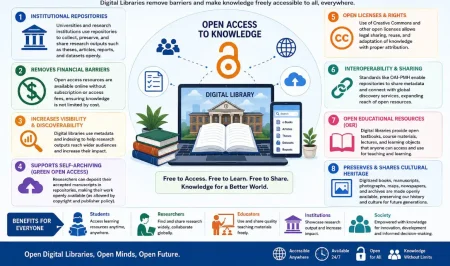
- Open-Access Resources: Many digital libraries promote open-access initiatives by offering free access to scholarly works and public domain materials. These include books, journals, and government publications available without subscription fees, ensuring equitable access to knowledge.
Digital libraries offer an incredible variety of resources to meet the needs of diverse users. From academic journals and multimedia files to historical documents and technical reports, the content in digital libraries supports education, research, and personal development. Digital libraries have become indispensable tools for individuals and institutions in the information age by providing easy access to these resources in digital formats. Whether you are a student, researcher, or lifelong learner, digital libraries offer something for everyone, ensuring that knowledge is accessible, inclusive, and sustainable.