
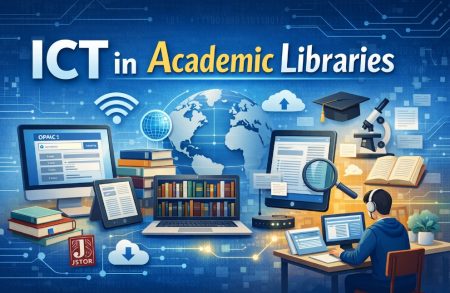
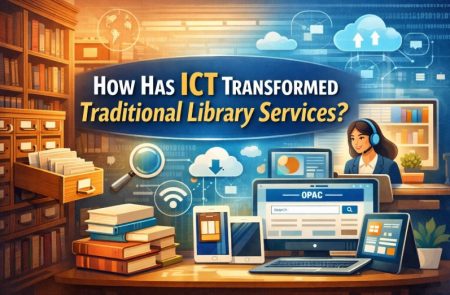
Information and Communication Technology (ICT) has become an integral part of modern library systems, fundamentally transforming the way information is collected, processed, stored, and disseminated. Traditionally, libraries relied on manual operations such as card catalogs, printed indexes, and face-to-face reference services. However, the rapid advancement of ICT encompassing computers, networking technologies, software applications, and digital communication tools has enabled libraries to move beyond physical boundaries and offer more efficient, accurate, and user-centered services. Through the adoption of ICT, libraries are no longer confined to being mere repositories of printed materials; instead, they function as dynamic information hubs that support teaching, learning, and research in a digital environment.
The integration of ICT in libraries has significantly enhanced core library operations, including acquisition, cataloguing, circulation, and serials management. Automated library management systems enable faster processing of materials, enhanced record accuracy, and seamless resource sharing. Online Public Access Catalogs (OPACs) and web-based library portals enable users to search collections remotely, check availability, and access electronic resources at any time. Moreover, ICT facilitates the development of digital libraries and institutional repositories, ensuring long-term preservation of scholarly content while providing wider and more equitable access to information.
ICT has also reshaped library user services by promoting interactive and personalized information delivery. Digital reference services, online databases, e-books, e-journals, and remote access platforms empower users to retrieve information independently and efficiently. At the same time, libraries utilize ICT to conduct information literacy programs, helping users develop critical skills for searching, evaluating, and ethically using information in an increasingly complex digital landscape. As a result, the role of library professionals has evolved from custodians of books to information facilitators, technology mediators, and research support specialists.
What is Information and Communication Technology (ICT)?
Information and Communication Technology (ICT) refers to the comprehensive range of digital technologies used to collect, store, process, transmit, and share information efficiently. It encompasses information technologies, including computers, servers, software applications, databases, and data management systems, as well as communication technologies such as the internet, mobile networks, email, video conferencing, and cloud-based platforms. For example, a computer running a library management system stores and processes bibliographic records, while the internet enables users to search online catalogs or access digital resources from anywhere in the world. Together, these technologies enable the rapid creation, organization, and communication of information, overcoming the limitations of time and distance.
In practical terms, ICT is widely applied across various sectors to improve efficiency and accessibility. In education, learning management systems and virtual classrooms enable online teaching and collaboration. In libraries, ICT is utilized in automated circulation systems, Online Public Access Catalogs (OPACs), digital libraries, and institutional repositories, enabling users to search collections, renew books, or download e-journals remotely. In business and government, ICT supports online banking, e-commerce platforms, e-governance services, and digital record management. These examples illustrate how ICT transforms traditional practices into faster, more reliable, and user-centered digital services.
Definition of Information and Communication Technology (ICT):
Information and Communication Technology (ICT) is a diverse set of technologies, tools, and systems for handling, managing, processing, transmitting, and exchanging information. It encompasses various digital technologies, including computers, software applications, networks, telecommunications infrastructure, digital devices, and the Internet. ICT enables the acquisition, storage, retrieval, manipulation, analysis, and dissemination of data and information. It plays a crucial role in facilitating communication, collaboration, and efficient information management across various domains, including education, business, healthcare, government, entertainment, and research. ICT has transformed the way we communicate, work, learn, and interact, revolutionizing industries and shaping the digital landscape of modern society. It encompasses both hardware and software components and serves as a foundation for digital innovation and technological advancements.
According to the Encyclopedia of Computer Science, “Information Communication Technology (ICT) is an imprecise term frequently applied to broad areas of activities and technologies associated with the use of computers and communications”.
According to Mahaptra and Ramesh, ICT, as “Information Communication Technology is the result of the technological convergence of existing single isolated technologies viz, computer technology, communication technology, information processing, publishing technology, etc.”
According to UNESCO, “ICT is a scientific, technological and engineering discipline and management techniques used in handling information and application and association with social, economic and cultural matters.”
According to the European Commission, the importance of ICT’s lies less in the technology itself than in its ability to create greater access to information and communication in underserved populations. Many countries around the world have established organizations for the promotion of ICT’s because it is feared that unless less technologically advanced areas have a chance to catch up, the increasing technological advances in developed nations will only serve to exacerbate the already-existing economic gap between technological “have” and “have not” areas. Internationally, the United Nations actively promotes ICT for Development (ICT4D) as a means of bridging the digital divide.
Ayodele (2002) defined ICT as electronic-based technology generally used to retrieve, store, process, and package information as well as provide access to knowledge.
Aluko (2004) also described ICT as enabling technologies (both hardware and software) necessary for the delivery of voice/audio, data (high speed and low speed), video, fa,x and internet services from point A to point B (or possibly to multiply B C etc) using wired and wireless media protocol (IP) and non IP networks.
Nwachukwu (2004) states that information and communication technologies (ICTs) are the application of computers and other technologies to the acquisition, organization, storage, retrieval, and dissemination of information. However, in this context, information and communication technology uses electronic devices, such as computers, telephones, the internet, and satellite systems, to store, retrieve, and disseminate information in the form of data, text, images, and others.
Why is Information and Communication Technology (ICT) Required for Libraries?
Information and Communication Technology (ICT) is required for libraries to meet the growing demand for fast, accurate, and convenient access to information in an increasingly digital society. Traditional library systems, which rely heavily on manual processes and printed materials, are no longer sufficient to handle the vast volume of information being produced today or to meet the expectations of users who demand instant and remote access to resources. ICT enables libraries to automate routine operations such as acquisition, cataloguing, circulation, and serials management, significantly reducing processing time and human error while improving overall efficiency and service quality.
Another important reason ICT is essential for libraries is its role in expanding access to information beyond physical boundaries. Through ICT tools such as Online Public Access Catalogs (OPACs), digital libraries, electronic databases, and remote access systems, users can search collections, access e-books and e-journals, and retrieve scholarly content at any time and from anywhere. This is particularly valuable for academic and research libraries, where students and faculty require uninterrupted access to up-to-date information resources for learning, teaching, and research activities. ICT also supports resource sharing and networking among libraries, enabling cooperative cataloguing and inter-library loan services.
ICT is also required to enhance library user services and information literacy. Digital reference services, library websites, virtual help desks, and online tutorials allow libraries to provide user-centered and personalized support. At the same time, ICT equips libraries to conduct information literacy programs that help users develop skills in searching, evaluating, and ethically using digital information. Furthermore, ICT ensures the preservation of knowledge through digitization projects and institutional repositories, safeguarding rare and fragile materials for future generations. In essence, ICT is not merely a supporting tool but a strategic necessity that enables libraries to remain relevant, accessible, and responsive in the modern information environment.
Impact of Information and Communication Technology on the Library Environment.
The impact of Information and Communication Technology (ICT) on the library environment has been profound and far-reaching. With the advent of ICT, libraries have undergone a significant transformation, revolutionizing how they operate, manage information, and serve their users. ICT has reshaped the library landscape by enabling digitalization, automation, and enhanced resource accessibility. It has empowered libraries to expand their collections beyond traditional print materials, embrace electronic resources, and provide remote access to users. Moreover, ICT has streamlined library processes, such as cataloging, circulation, and information retrieval, making them more efficient and user-friendly. The integration of ICT has not only modernized libraries but also transformed them into dynamic information centers that adapt to the ever-changing needs of users in the digital age. Some of the notable impacts on libraries, staff, and users are:
-
Impact on Library Collection: Information and Communication Technology (ICT) has significantly impacted library collections. With the digitization of resources, libraries now offer a broader range of materials in electronic formats, including e-books, e-journals, databases, and multimedia content. This digital transformation has expanded the availability and accessibility of resources, allowing users to access them remotely. Additionally, ICT has enabled libraries to enhance their collection management processes through automated cataloging systems and digital preservation techniques. Libraries can now efficiently acquire, organize, and store digital resources, ensuring long-term preservation and easy retrieval.
-
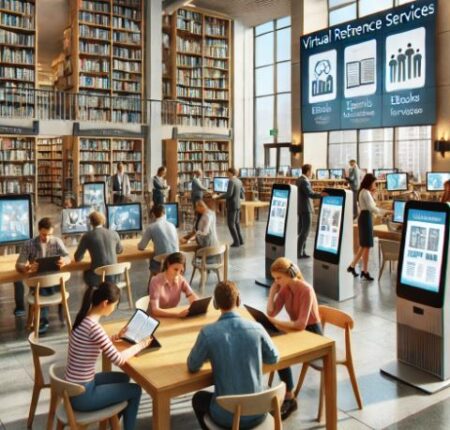
Impact on Library Staff: ICT has brought about substantial changes in the roles and responsibilities of library staff. The adoption of new technologies has necessitated the development of digital literacy skills among library professionals. Staff members must adapt to new systems and tools for cataloging, managing electronic resources, and assisting users in accessing digital materials. Moreover, ICT has transformed the way library staff interact with users. Virtual reference services, online communication channels, and collaborative platforms have become integral to supporting users remotely. Library staff now play a crucial role in guiding users through digital resources, providing technical assistance, and delivering online training programs.
-
Impact on Library Users: ICT has profoundly impacted library users, significantly enhancing their information-seeking experiences. Users can access library resources remotely, eliminating the constraints of physical proximity. The availability of electronic resources and online databases provides users with vast information at their fingertips. ICT has also facilitated improved search capabilities, allowing users to perform advanced searches, apply filters, and obtain more targeted and relevant results. Moreover, digital tools and interfaces have made it easier for users to navigate and explore library collections. Online communication, collaboration, and knowledge-sharing platforms have created new opportunities for users to engage with library staff and other researchers.
In conclusion, the intersection of Information and Communication Technology (ICT) with library services represents a paradigm shift that transcends traditional boundaries, catapulting libraries into the digital age. The indispensability of ICT in libraries lies not merely in its capacity to digitize collections or automate processes but in its transformative influence on the very essence of these institutions. As libraries continue to evolve, embracing the dynamic capabilities offered by technology, they preserve the sanctity of knowledge, democratize access, enhance user experiences, and foster community engagement. The marriage of ICT and libraries is not a superficial collaboration; it is a strategic alliance that propels these venerable institutions into the future, ensuring their relevance and vitality in an era defined by the rapid evolution of information. In this symbiotic relationship, ICT serves not as an auxiliary tool but as a catalyst for innovation, adaptability, and resilience, reaffirming the enduring role of libraries as indispensable guardians and disseminators of knowledge in the digital landscape. As we witness the ongoing integration of technology into libraries, it becomes clear that this evolution is not merely about staying current; it is about embracing a dynamic future where information, connectivity, and access converge to shape a new narrative for libraries—one that is technologically empowered, inclusive, and unwavering in its commitment to the timeless pursuit of knowledge.
Major Components of Information and Communication Technology (ICT) Used in Libraries
Information and Communication Technology (ICT) plays a vital role in the efficient functioning of modern libraries. It enables libraries to manage resources systematically, deliver user-centered services, and provide seamless access to information in both physical and digital formats. The major components of ICT used in libraries can be broadly categorized into hardware, software, networking technologies, digital resources, automation tools, and security systems. Each component contributes to transforming libraries into dynamic information and knowledge centers.
- Computer Hardware: Computer hardware forms the foundational infrastructure of ICT in libraries. It includes desktop computers, laptops, servers, scanners, printers, barcode readers, and storage devices. These hardware components are used for daily library operations such as cataloguing, circulation, data entry, digitization of documents, and user access to online resources. Servers store library databases and digital collections, while scanners and printers support digitization and document reproduction services.
- Library Software and Applications: Library software is one of the most critical ICT components used to manage and organize library functions. Integrated Library Management Systems (ILMS) or Library Management Systems (LMS) automate key operations such as acquisition, cataloguing, circulation, serials control, and reporting. Other software applications include digital library platforms, institutional repository systems, reference management tools, and office productivity software, all of which support efficient library administration and research services.
- Networking and Internet Technologies: Networking technologies connect computers and systems within the library and beyond. Local Area Networks (LAN), Wide Area Networks (WAN), Wi-Fi, and internet connectivity enable resource sharing, online searching, and remote access to library services. Through networking, libraries provide access to Online Public Access Catalogs (OPAC), electronic databases, e-journals, and e-books. Reliable internet connectivity is essential for academic libraries to support research, online learning, and collaborative information services.
- Digital Resources and Databases: Digital resources are a core ICT component in modern libraries. These include e-books, e-journals, online databases, digital archives, and institutional repositories. ICT enables libraries to subscribe to, manage, and provide access to these resources through web portals and discovery tools. Digital collections significantly enhance information availability, support research activities, and reduce dependence on physical materials.
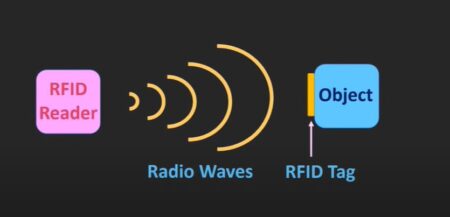
- Library Automation and RFID Technology: Automation technologies streamline library workflows and improve service efficiency. Barcode systems and Radio Frequency Identification (RFID) technology are widely used for automated circulation, self-check-in and check-out, inventory management, and theft detection. RFID systems reduce manual workload, improve accuracy, and enhance user convenience by enabling faster transactions and better resource tracking.
- Communication Tools and User Interfaces: ICT-based communication tools support interaction between libraries and users. Email services, library websites, mobile applications, virtual reference platforms, and online chat services allow libraries to provide timely assistance and updates. User interfaces such as OPACs, discovery systems, and digital library portals help users search, retrieve, and access information independently and efficiently.
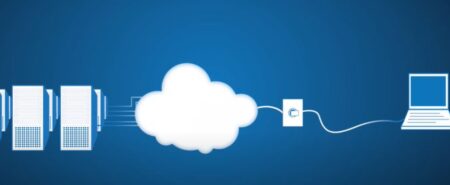
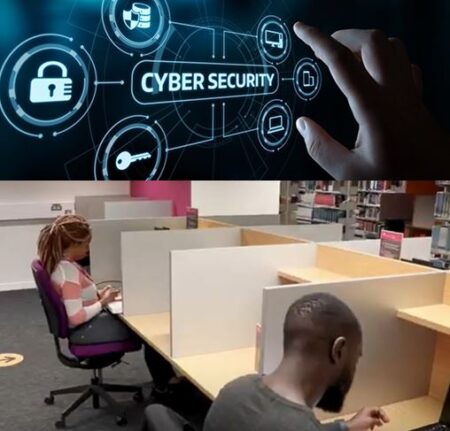
- Data Storage, Backup, and Security Systems: Data storage and security systems are essential components of ICT used in libraries to protect digital assets and user information. Cloud storage, external hard drives, backup servers, and digital preservation systems ensure long-term access to library data. Security tools such as firewalls, antivirus software, access control systems, and authentication mechanisms safeguard library networks, databases, and digital collections from unauthorized access and data loss.
The major components of ICT used in libraries work together to support efficient management, improved access, and high-quality information services. From hardware and software to networking, automation, and digital resources, ICT has transformed libraries into technologically advanced knowledge hubs. Effective integration of these components enables libraries to meet evolving user needs, support education and research, and remain relevant in the digital information age.
Reference Article:
- K.m, P. (2018). Use of ict resources and services at state university libraries in Gujarat a study. Retrieved from: http://hdl.handle.net/10603/247168


2 Comments
find very useful..yes where can i study my diploma in itc
Wow