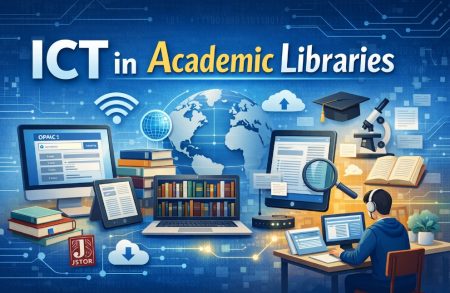
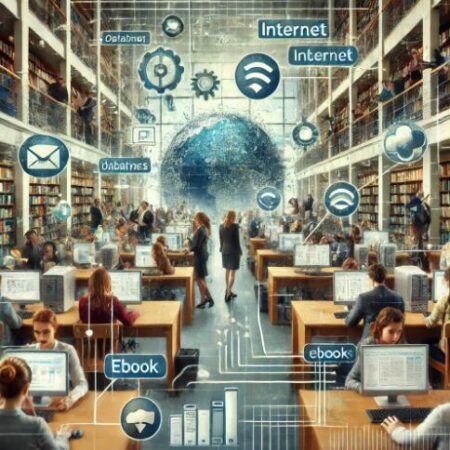
Internet-based resources in libraries refer to digital tools, databases, and platforms that provide access to a vast array of information through the internet. These resources include online journals, e-books, digital archives, databases like Emerald, Springer, PubMed, and IEEE Explore, as well as multimedia content, such as educational videos and interactive websites. For example, Emerald offers access to scholarly journals, books, and primary sources, while PubMed provides free access to biomedical and life sciences literature. Additionally, digital archives like the Internet Archive host vast collections of books, audio, and video recordings, providing users with access to rare materials that may not be available in physical form.
Over the past few decades, the integration of these resources into library services has revolutionized how information is accessed and used by library patrons. Unlike traditional library resources, such as physical books and print journals, internet-based resources offer convenience, speed, and a broader scope of material, including up-to-date research and multimedia formats. Libraries now serve as gateways to these digital resources, providing users with access to global knowledge and information from anywhere, at any time. For instance, platforms like Google Scholar and EBSCOhost allow users to search academic publications from multiple disciplines, helping researchers find relevant information quickly.
This shift not only enhances the accessibility of library collections but also transforms how libraries operate, requiring them to manage and curate digital content while ensuring its credibility, relevance, and quality. Libraries need to assess and filter online materials for their users, ensuring that they offer reliable, peer-reviewed, and accurate resources. As internet-based resources continue to evolve, libraries are embracing new technologies like cloud storage and digital preservation methods to meet the changing needs of their users in an increasingly digital world.
Internet-Based Resources in Libraries and Their Difference from Traditional Library Resources
Internet-based resources in libraries refer to a wide range of digital tools, platforms, and databases that provide users with access to information via the internet. These resources include online journals, e-books, digital archives, scholarly databases like JSTOR, PubMed, and ProQuest, as well as multimedia content such as educational videos and interactive websites. For example, JSTOR offers access to scholarly articles and books, while PubMed is focused on life sciences and biomedical literature. Libraries have increasingly integrated these digital resources into their services, transforming how information is accessed and utilized. Unlike traditional library resources, such as physical books, journals, and maps, internet-based resources can be accessed remotely from any location with an internet connection, offering a level of convenience and accessibility that physical collections cannot match.
One of the key differences between internet-based resources and traditional library resources is accessibility. While physical books and print journals often require users to visit the library in person, internet-based resources are available at any time and from anywhere. Additionally, internet-based resources offer a broader scope of information, encompassing millions of documents, articles, and multimedia materials, far beyond what could be physically stored in a library building. These resources are continuously updated, providing users with access to the most current research and information, unlike traditional resources, which can become outdated over time, particularly in rapidly changing fields like technology and medicine.
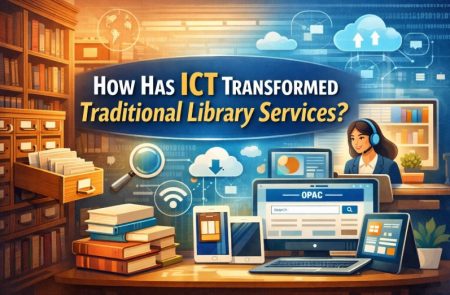
Another notable distinction is in search and retrieval capabilities. Traditional library materials often require users to browse through physical collections or use card catalogs, which can be time-consuming and less efficient. In contrast, digital resources allow for advanced search functions, such as keyword searches and filtering by date, author, or topic, enabling users to quickly find specific information. Moreover, internet-based resources are more interactive, offering features like annotations, bookmarks, and the ability to share content, making the user experience more dynamic compared to the passive engagement of reading print materials.
Finally, the cost and space efficiency of internet-based resources are significant advantages. While traditional library resources require physical storage space and ongoing maintenance, digital resources can be accessed by multiple users simultaneously and do not require the same physical footprint. Though there may be subscription fees associated with digital resources, they are often more cost-effective in the long term, providing greater access to a larger volume of information without the need for physical space.
Key Types of Internet-Based Resources Used in Libraries Today
The integration of internet-based resources in libraries has profoundly transformed how information is accessed and shared. These digital resources offer a wealth of materials that extend far beyond the traditional library shelves, making knowledge and learning more accessible to users worldwide. Libraries today utilize a variety of internet-based resources, each catering to specific needs, from scholarly research to multimedia learning. Below are the key types of internet-based resources commonly used in libraries today:
- Online Databases and Digital Repositories: One of the most significant categories of internet-based resources in libraries is online databases and digital repositories. These platforms host vast collections of academic papers, journals, research articles, and specialized content across different disciplines. Examples of widely used databases include JSTOR, ProQuest, EBSCOhost, and PubMed. JSTOR provides access to academic journals, e-books, and primary sources, while PubMed offers biomedical and life sciences research. These databases allow library users to conduct advanced searches, access peer-reviewed content, and retrieve scholarly articles quickly and efficiently. Digital repositories, such as institutional repositories maintained by universities, offer open access to research conducted within those institutions, further promoting the dissemination of academic work.
- E-Books and E-Journals: Another important internet-based resource is the collection of e-books and e-journals. Libraries subscribe to platforms like OverDrive, Project MUSE, and SpringerLink, providing users with access to thousands of digital books and academic journals. E-books, such as textbooks, fiction, and professional reference materials, can be read and downloaded directly on personal devices, eliminating the need for physical copies. E-journals allow researchers and students to stay current with the latest academic publications in their fields. These resources are indispensable for promoting research, enabling easy access to information without geographical constraints.
- Digital Archives and Special Collections: Libraries also make extensive use of digital archives and special collections, which preserve historical documents, rare books, manuscripts, photographs, and other valuable materials. The Internet Archive and Google Books are prime examples of platforms offering free access to digitized versions of older books and publications. Many libraries create and curate their own digital archives, making rare and fragile materials accessible to the public without the risk of physical deterioration. These digital archives are crucial for maintaining historical records and cultural heritage, ensuring that important information is preserved and available for future generations.
- Multimedia Resources: Multimedia resources, including videos, podcasts, and audio recordings, have become an essential component of internet-based library services. Platforms like YouTube EDU, Vimeo, and Library of Congress Digital Collections provide access to educational videos, documentaries, and lectures that support learning in various subjects. Podcasts, often available through library websites, offer audio content on topics ranging from history to literature to science. Multimedia resources support a variety of learning styles and are especially useful in providing visual and auditory learning opportunities that complement traditional text-based materials.
- Open Access Resources and Repositories: Open-access resources are another key category of internet-based library resources. These platforms provide free access to scholarly publications, research papers, and educational materials without subscription fees. Open access repositories like arXiv, Directory of Open Access Journals (DOAJ), and PubMed Central allow users to freely access research articles, making scholarly content available to a broader audience. Many academic institutions are also adopting open access policies, encouraging the deposit of research outputs in their institutional repositories, thus contributing to the open sharing of knowledge.
- Online Reference Tools and Encyclopedias: Reference tools and encyclopedias, which are typically available in digital formats today, are among the most frequently used internet-based resources in libraries. Tools such as Oxford Reference Online, Britannica Online, and Gale Virtual Reference Library provide users with access to a wide range of reference materials, including encyclopedias, dictionaries, handbooks, and other specialized resources. These tools are invaluable for students, researchers, and library users looking for reliable, quick information on a variety of subjects. Many of these platforms offer cross-referenced information and resources in multiple formats, making them comprehensive reference guides.
- Websites and Online Portals: Libraries often point users to websites and online portals that provide access to authoritative resources in a specific field or discipline. For example, government websites like the National Institutes of Health (NIH) or educational platforms such as Khan Academy offer rich, subject-specific content that supports learning. Many libraries maintain curated lists of reliable websites and portals for students and researchers, helping them navigate the wealth of online information available. These resources are especially useful for staying updated on current events, policies, and ongoing research projects.
- Cloud-Based Storage and Collaboration Tools: Cloud-based storage services, such as Google Drive, Dropbox, and Microsoft OneDrive, are increasingly integrated into library systems for file sharing, storage, and collaboration. Libraries often use these platforms to store and share research materials, documents, and multimedia files, allowing for easy collaboration among users. Many academic libraries provide cloud storage to students and faculty, enabling them to share files, store large research datasets, and collaborate on projects remotely.
- Discovery Tools and Library Catalogues: Library discovery tools, which serve as search engines for library
- , are essential for navigating the vast amount of digital content available. Tools like WorldCat, Primo, and Summon allow users to search for books, journals, and other materials across multiple platforms and databases. These integrated discovery systems provide a seamless user experience by allowing users to search for library resources, request interlibrary loans, and even access electronic resources directly from a single interface.
Internet-based resources have become a cornerstone of modern library services, enhancing access to information, promoting digital literacy, and providing users with a wealth of materials in various formats. From academic databases and e-books to multimedia resources and open access repositories, these resources serve a diverse range of user needs, from research to casual learning. As libraries continue to integrate and expand their digital resources, they will play an even greater role in bridging the information divide, supporting education, and facilitating the global sharing of knowledge.
How the Availability of Internet Resources Has Transformed Library Services and User Expectations
The availability of internet-based resources has dramatically transformed library services, reshaping both how libraries operate and how users engage with them. Traditionally, libraries offered physical materials such as books, journals, and maps, but the integration of internet-based resources, including online databases, e-books, digital journals, multimedia content, and digital archives, has expanded the scope of available materials. Users no longer need to be physically present at a library to access resources, allowing for greater flexibility and convenience. Platforms like JSTOR and ProQuest provide access to vast collections of academic articles, while e-book platforms like OverDrive and Project MUSE offer digital copies of books that can be borrowed and read on personal devices. Digital archives, such as the Internet Archive, preserve rare and historical materials, making them accessible to a global audience.
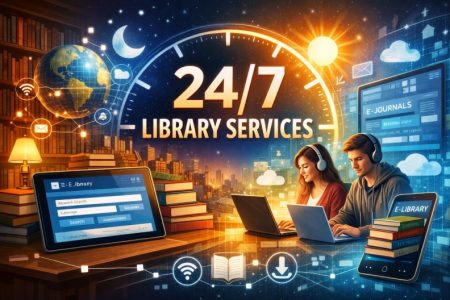
This shift has also increased the accessibility of information, allowing users to access library resources anytime and anywhere with an internet connection. This 24/7 access has become especially important for supporting distance education, research, and remote work. The volume of available digital resources surpasses the capacity of physical libraries, ensuring that users can access a much broader range of information. Internet resources are also continuously updated, providing access to the latest research, news, and data, unlike traditional library resources that can become outdated over time.
As internet-based resources have become more prevalent, user expectations have evolved significantly. Today, users expect speed and convenience when accessing information, seeking immediate availability with just a few clicks. The ability to search databases like Google Scholar, borrow e-books, and watch educational videos online has created a culture of immediacy, where information is expected to be readily accessible. This has raised expectations for user-friendly interfaces, seamless access, and efficient search tools that allow users to find the materials they need quickly and with minimal barriers. Additionally, the availability of internet-based resources has expanded the scope of information users expect to access. Libraries are no longer confined to local collections but can offer global access to a wide variety of materials, including content in different languages and from different regions. Digital archives also enable libraries to preserve and share rare and fragile materials that might not otherwise be accessible. This transformation has prompted libraries to reimagine their roles, not only as repositories of physical books but as dynamic digital hubs that curate and provide access to an ever-expanding range of resources.
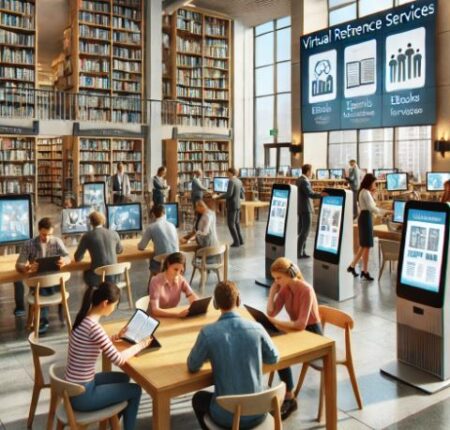
With this shift, the role of librarians has also evolved. Librarians are no longer solely responsible for managing physical collections; they now curate digital resources, help users navigate online databases, and provide support for digital literacy. They also ensure the quality and reliability of the resources users access, as the internet is filled with a vast amount of information, much of which may be unreliable or unverified. As libraries continue to embrace digital technologies, they will play an increasingly important role in guiding users through the vast sea of online information and helping them to critically assess and utilize these resources. Moreover, the rise of internet-based resources has impacted library spaces and physical collections. While physical books and materials remain important, the demand for in-person visits has decreased as more users turn to digital resources. In response, many libraries have transformed their physical spaces to accommodate collaborative work, digital learning, and community engagement. With fewer materials dedicated to physical storage, libraries now focus on creating spaces equipped with computers and digital resources to support the needs of modern users.
How Internet-Based Resources Contribute to Expanding Access to Information in Libraries
Internet-based resources have significantly expanded access to information in libraries, transforming how users interact with knowledge. One of the primary ways these resources contribute to access is through remote availability. Traditionally, users needed to visit libraries in person to access books and journals, but digital resources allow them to access materials from anywhere in the world. Platforms like Google Books and ResearchGate provide access to academic papers, books, and research publications that users can read or download at their convenience, regardless of location. This flexibility is especially important for users in remote or underserved areas who might otherwise lack access to physical library collections.
Another key way internet-based resources expand access is by broadening the range of materials available. Traditional libraries are often limited by physical space and budget constraints, which means they can only offer a selection of books, journals, and other materials. However, digital resources allow libraries to provide an almost limitless number of materials. For example, platforms like SpringerLink and Wiley Online Library give users access to a wide array of academic books, journals, and research articles across various disciplines. This expansion ensures that library users can explore diverse topics and access research that might not be available in their local libraries.
Internet-based resources also enhance access by providing real-time updates to content, keeping users informed with the latest research and developments. In fields like medicine and technology, where new knowledge emerges rapidly, digital platforms ensure that users can access up-to-date information. Websites like the Centers for Disease Control and Prevention (CDC) and TechCrunch provide timely updates on health and technology news, respectively. This continuous access to current information contrasts with the limitations of physical resources, such as print journals, which can quickly become outdated.
Moreover, the introduction of internet-based resources has improved search and discovery capabilities. Digital platforms allow users to search for information across vast collections with ease. For instance, discovery tools like EBSCOhost and WorldCat enable users to search for articles, books, and other resources across multiple databases and libraries. These advanced search functions, which allow users to filter results by author, subject, or date, streamline the research process and make it faster and more efficient compared to traditional methods like browsing physical catalogs.
Internet-based resources also provide access to rare and specialized materials that might not be available in physical collections. Digital archives like Europeana and the Digital Public Library of America (DPLA) host collections of historical documents, photographs, and artifacts that would be difficult to find in traditional libraries. By digitizing these materials, libraries make them accessible to users worldwide, preserving important cultural and historical records. Open-access repositories like the Social Science Research Network (SSRN) also provide access to specialized research papers and academic publications that might otherwise be restricted or difficult to obtain.
The variety of formats available in internet-based resources also supports diverse learning styles. Digital resources are not limited to text-based materials but often include videos, interactive tools, and podcasts. For example, platforms like TED-Ed and Coursera offer video lectures and educational content that can complement traditional reading materials. Similarly, podcasts available through platforms like Podbean and Apple Podcasts provide users with audio content on various subjects, offering a more flexible and engaging way to learn. This variety ensures that libraries can cater to visual, auditory, and kinesthetic learners, enhancing the overall learning experience.
Lastly, internet-based resources support the promotion of open access, which allows users to access scholarly work for free. Open-access journals, such as those available through the Directory of Open Access Journals (DOAJ), make high-quality academic research available to everyone, eliminating paywalls that often restrict access to critical information. This promotes equity in access to knowledge, ensuring that individuals from all socioeconomic backgrounds have the same opportunities to engage with and benefit from scholarly materials.
The Role of the Internet in Promoting Digital Literacy Among Library Users
The internet plays a crucial role in promoting digital literacy among library users by providing access to a wide range of online tools, resources, and educational opportunities. As libraries increasingly embrace digital technologies, they are positioned to teach users how to navigate, evaluate, and use digital information effectively. Internet-based resources such as e-books, online databases, and educational websites serve as platforms for developing digital literacy skills, helping users become more proficient in using digital tools for research, communication, and learning.
By providing access to resources like online tutorials, web-based courses, and interactive tools, libraries equip users with the skills necessary to thrive in the digital world. For example, many libraries offer workshops and training sessions on how to use the internet for research, how to evaluate the credibility of online sources, and how to stay safe while navigating the web. These initiatives empower users to not only access information but also critically assess and utilize it in meaningful ways. Additionally, libraries often provide access to open educational resources (OER) and online learning platforms, such as Coursera or Khan Academy, which support users in building skills in areas ranging from basic computer literacy to advanced digital research techniques.
The internet also fosters collaboration and engagement, further enhancing digital literacy. Online forums, social media, and collaborative tools like Google Docs or Slack enable users to engage in discussions, share knowledge, and work on projects remotely. Libraries leverage these platforms to help users understand the importance of digital collaboration, teaching them how to communicate effectively and work with others in digital environments. Through these interactive experiences, users develop essential digital communication and teamwork skills. Moreover, the internet enables libraries to offer resources and support beyond their physical spaces, ensuring that digital literacy initiatives reach a broader audience. With online access to library catalogs, databases, and educational content, users can learn at their own pace, regardless of location. This flexibility is particularly beneficial for people who may have limited access to formal education or traditional training resources. Ultimately, the internet’s role in promoting digital literacy is essential in preparing library users for success in an increasingly digital world, fostering skills that are crucial for personal, academic, and professional development.
Challenges Libraries Face When Integrating Internet-Based Resources into Their Collections
The integration of internet-based resources into library collections has brought numerous benefits, including increased access to information, enhanced convenience, and the ability to serve a wider audience. However, libraries face several challenges in effectively incorporating digital resources into their collections. These challenges range from technical issues to financial constraints, as well as the need to ensure the quality and credibility of online content. Below are some of the key challenges libraries encounter when integrating internet-based resources into their services.
- Budget and Financial Constraints: One of the most significant challenges libraries face when integrating internet-based resources is the financial cost associated with purchasing licenses, subscriptions, and maintaining digital collections. Many digital resources, such as academic databases (e.g., JSTOR, ProQuest) and e-book collections, require ongoing subscription fees that can strain library budgets. These costs can be particularly challenging for smaller libraries or those with limited funding. As libraries increasingly invest in digital content, balancing the allocation of funds between physical and digital resources becomes a complex decision. The high cost of digital resources can lead to difficult trade-offs, where libraries must prioritize certain databases or digital collections over others, potentially limiting the variety and breadth of resources available to users.
- Technical Infrastructure and Compatibility Issues: Libraries must ensure they have the technical infrastructure to support internet-based resources. This includes maintaining robust and reliable internet connectivity, appropriate hardware, and software systems for managing digital resources. Many libraries also need to upgrade their digital infrastructure to handle the growing demand for online access. For example, ensuring that databases are accessible to multiple users simultaneously without overloading server capacities or encountering slow access times can be a technical challenge. Additionally, libraries must ensure compatibility between digital resources and the devices used by library patrons. Users may access library materials on various devices, such as laptops, tablets, and smartphones, which can create compatibility issues when resources are not optimized for mobile devices or different operating systems. Ensuring smooth access across diverse platforms requires careful planning and regular technical updates.
- Digital Preservation and Long-Term Access: While internet-based resources offer immediate access to vast amounts of information, they also present challenges related to long-term preservation and sustainability. Digital content can become obsolete due to rapidly changing technology or software formats, and it requires continuous updates and maintenance to ensure long-term usability. Libraries must address issues related to digital preservation, ensuring that digital files are stored securely and remain accessible over time. Furthermore, digital content can be vulnerable to loss or corruption, especially if it is not backed up properly. As digital preservation strategies are still evolving, libraries face the ongoing challenge of ensuring that their digital collections remain available for future generations, just as physical archives have done for centuries.
- Quality Control and Credibility of Digital Resources: One of the advantages of internet-based resources is the vast amount of information available online. However, this abundance of resources also brings a significant challenge: ensuring the credibility and reliability of the content. Unlike traditional library materials, which are often curated, peer-reviewed, or selected based on clear criteria, the internet contains a vast range of unfiltered and potentially unreliable content. Libraries must navigate this vast digital landscape and selectively choose resources that meet established quality standards. This process requires time and expertise, as librarians need to evaluate the credibility, accuracy, and bias of online resources. Furthermore, the growing prevalence of misinformation online adds an additional layer of complexity. Libraries must educate users on how to critically evaluate digital content, which requires ongoing support and training.
- Digital Divide and Access Equity: While internet-based resources have the potential to increase access to information, they can also exacerbate the digital divide, particularly in regions where internet access is limited or unreliable. Users without stable internet connections or those with limited access to personal devices may struggle to take full advantage of digital resources. This issue can be particularly problematic for students in rural or economically disadvantaged areas who may not have access to high-speed internet or the latest technology. Libraries must address this inequity by providing access to computers, Wi-Fi, and digital training to ensure all users can benefit from the internet-based resources available to them. Additionally, libraries must consider accessibility for users with disabilities, ensuring that digital resources are compatible with assistive technologies, such as screen readers, to promote equitable access for all.
- User Training and Digital Literacy: The rapid adoption of internet-based resources requires library users to possess certain digital literacy skills, which can vary widely across different populations. While younger generations may be more comfortable navigating digital resources, older adults or users with limited technology experience may find it difficult to access and use online tools effectively. Libraries must provide training and support to help users develop the digital literacy skills necessary to use internet-based resources effectively. This includes teaching users how to search for, evaluate, and use digital information, as well as understanding issues related to privacy, security, and online ethics. Libraries may also need to offer workshops or one-on-one sessions to help patrons gain confidence and proficiency with digital tools.
- Intellectual Property and Licensing Concerns: As libraries integrate internet-based resources, they must navigate the complexities of intellectual property and licensing agreements. Digital resources often come with licensing restrictions that limit how materials can be accessed, shared, or redistributed. Libraries must ensure they comply with these licensing agreements while balancing the need to provide users with broad access to content. Additionally, the issue of copyright infringement can become more complicated in the digital age, as users may not always understand the legal implications of downloading, sharing, or using digital materials. Libraries play an essential role in educating users about copyright laws and fair use policies, ensuring that digital content is accessed and used responsibly.
Integrating internet-based resources into library collections offers numerous advantages, including enhanced access to information, greater convenience, and the ability to serve a wider and more diverse audience. However, libraries face a range of challenges, from financial constraints and technical infrastructure issues to the need for digital preservation and ensuring the credibility of online content. As libraries continue to expand their digital collections, addressing these challenges will be essential to maintaining the integrity and effectiveness of their services. By overcoming these obstacles, libraries can fully harness the potential of internet-based resources, empowering users with the knowledge and tools they need to succeed in an increasingly digital world.
Ensuring the Credibility and Reliability of Internet-Based Resources in Libraries
Libraries have a critical role in ensuring that users have access to credible and reliable internet-based resources, given the vast amount of unverified information available online. To achieve this, libraries focus on curating digital content that meets high standards of quality, accuracy, and authority. One of the most effective ways libraries ensure credibility is by subscribing to well-known, peer-reviewed databases and resources that are widely recognized for their academic rigor. Platforms such as IEEE Xplore, SpringerLink, and Oxford Journals provide access to authoritative academic content, including research papers, journals, and books, all of which undergo rigorous review processes. These resources are trusted by scholars, researchers, and students for their reliability and accuracy.
In addition to subscribing to reputable platforms, libraries implement strict evaluation criteria when selecting online content. For instance, when considering resources like Manupatra for legal research or Emerald Insight for business studies, libraries assess the credibility of the publishers, the qualifications of authors, and the depth of citation in the materials. These platforms are recognized for their high standards of quality, ensuring that the information provided is both authoritative and up-to-date. Similarly, legal databases like Manupatra are particularly useful in ensuring access to reliable and current legal resources, supporting law students and professionals in finding trusted legal information.
Another strategy libraries employ to ensure the credibility of internet-based resources is offering training programs to users on how to evaluate digital content effectively. These programs typically cover how to verify the credibility of an online resource by checking for author qualifications, examining the publisher’s reputation, and assessing the quality of sources cited within the material. For example, libraries may train users to distinguish between high-quality academic journals available on platforms like Springer or Oxford Journals and less reliable sources that may lack peer review. By teaching users critical evaluation skills, libraries empower them to navigate the vast digital landscape of information with confidence.
Furthermore, libraries are increasingly promoting open-access resources, which, while freely available, maintain rigorous quality standards. Platforms like DOAJ (Directory of Open Access Journals) and PubMed Central provide high-quality, peer-reviewed research that can be accessed without a subscription. These platforms serve as reliable alternatives to paid resources, ensuring that users have access to quality academic content regardless of financial barriers. Libraries also ensure that their digital collections are regularly reviewed and updated, removing outdated or unreliable materials and adding new, verified resources as they become available. By working closely with trusted publishers and curating content from recognized platforms like IEEE Xplore, Springer, and Emerald, libraries can ensure that the digital resources they offer meet the highest standards of credibility and reliability.