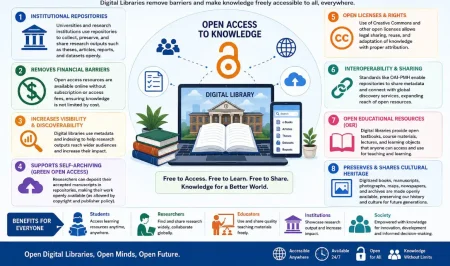
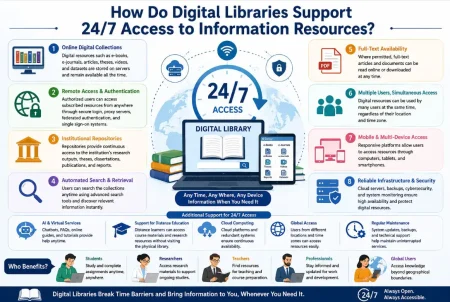
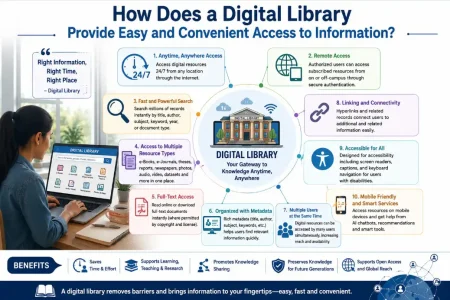
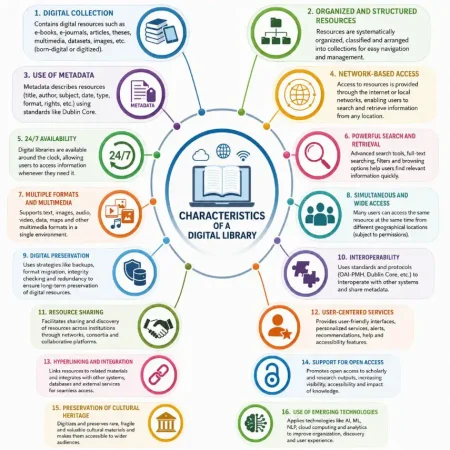
Digitization has fundamentally transformed the way students, researchers, and the general public access library resources by removing barriers of time, location, and physical availability. In the past, individuals had to physically visit libraries, consult card catalogues, and depend on limited printed materials that were often difficult to obtain. Today, digital platforms provide instant access to e-books, e-journals, databases, and institutional repositories from anywhere in the world, enabling users to access information conveniently and efficiently. For students, this shift means they can download textbooks, articles, and multimedia learning resources directly to their laptops or mobile devices. For example, many universities now provide remote access through authentication systems like OpenAthens or EZproxy, allowing learners to consult databases such as JSTOR or ScienceDirect without stepping inside the library.
For researchers, digitization has been even more transformative. Open access repositories like arXiv for physics and mathematics or PubMed Central for biomedical sciences have made scholarly outputs widely available at no cost, accelerating research and collaboration. University libraries that digitize theses and dissertations in platforms such as DSpace or EPrints provide global visibility to local research, enabling scholars from different parts of the world to access and cite previously inaccessible work. Similarly, large institutions such as the British Library and the Library of Congress have digitized rare manuscripts and archival materials, making unique collections accessible to researchers worldwide without the need for costly travel.
The general public has also greatly benefited from digitization. Public libraries now offer digital lending services through platforms such as OverDrive or Libby, which allow users to borrow e-books and audiobooks remotely. Digitized cultural heritage collections-such as UNESCO’s World Digital Library-make historical documents, photographs, and maps available to anyone with an internet connection, creating opportunities for lifelong learning. Even in community contexts, digitization bridges the digital divide by enabling people to access job portals, online courses, or government information through library websites and digital literacy programs.
By making information accessible across different platforms, digitization has redefined libraries as global knowledge hubs. Whether a student seeking course materials, a researcher exploring specialized data, or a member of the public engaging with cultural heritage, digitization ensures that knowledge is no longer confined to physical shelves but is available instantly and inclusively in the digital age.
The Impact of Digitization on the Delivery of Library Services
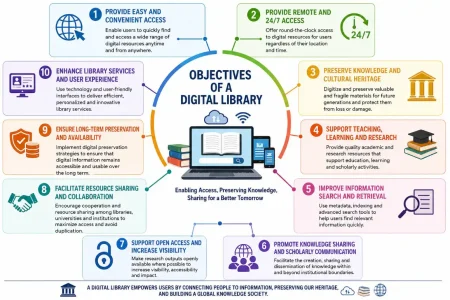
Digitization has dramatically reshaped the way libraries function, transforming them from physical repositories of books into hybrid knowledge centers that integrate both print and digital resources. This shift has expanded the scope of library services, making information more accessible, efficient, and user-friendly. While traditional roles of collection management and reference assistance still remain, digitization has added new layers of service delivery that are redefining modern librarianship. One of the most profound impacts has been the expansion of access to information. Libraries now provide e-journals, e-books, and databases that can be accessed remotely, often around the clock, without the need to visit the physical library. Platforms such as JSTOR, ScienceDirect, or SpringerLink allow students and researchers to download articles instantly, replacing long waits for interlibrary loans or physical copies. Institutional repositories powered by systems like DSpace or EPrints further ensure global visibility of local research outputs, creating opportunities for wider scholarly engagement.
Digitization has also increased the efficiency of library operations. Integrated Library Management Systems such as KOHA, Alma, or SirsiDynix automate cataloguing, circulation, and acquisitions, streamlining tasks that were once labor-intensive. RFID-enabled self-checkout machines and automated book drops allow users to borrow or return materials independently, while Online Public Access Catalogues enable patrons to search, reserve, and renew books from their own devices, enhancing convenience and saving time. Reference services have moved beyond the physical desk to digital platforms, with librarians providing virtual reference through email, live chat, and AI-based chatbots that respond to queries at any time. Research support services have also expanded, as librarians now offer online consultations, webinars, and digital literacy workshops on plagiarism prevention, citation management, and advanced database searching. This became particularly important during the COVID-19 pandemic when many libraries relied entirely on digital platforms to continue serving their users.
Another important contribution of digitization is in the preservation and access of rare or fragile materials. Rare manuscripts, historical documents, and special collections that were once restricted for conservation purposes can now be digitized and made available online. Institutions such as the British Library and the Library of Congress have digitized vast collections, enabling global users to access unique materials without risking damage to the originals. This process has democratized access to cultural heritage and created new opportunities for researchers. At the same time, digitization has broadened the role of libraries themselves. They are no longer just providers of resources but also partners in learning, research, and digital innovation. Many academic libraries now manage institutional repositories, support open access initiatives, and help faculty with data management. Public libraries, too, have embraced digital platforms to host e-learning programs, offer digital literacy training, and provide free internet access, ensuring their relevance as community hubs in the digital age.
Despite its many advantages, digitization also brings challenges. Licensing fees for digital resources are often high and put pressure on library budgets. Copyright restrictions and intellectual property issues limit the scope of digitization projects, while the digital divide means that not all users benefit equally from online services, particularly in areas with poor internet access. Librarians themselves face the challenge of continuously updating their skills to manage digital collections, metadata, and emerging technologies. Nevertheless, the impact of digitization on library services is both transformative and enduring. By expanding access, improving efficiency, supporting research, and preserving rare collections, digitization has redefined how libraries serve their communities. At the same time, challenges related to cost, copyright, and equity remind us that digitization is not only about technology but also about policy, planning, and inclusivity. Ultimately, digitization has elevated libraries from being custodians of print to becoming global knowledge gateways, ensuring they remain indispensable in an information-driven world.
How Digitization Has Influenced the Roles and Responsibilities of Library Professionals
The rapid advancement of digital technologies has significantly influenced the roles and responsibilities of library professionals, transforming librarianship from a traditional custodial role to a dynamic profession centered on digital access, knowledge facilitation, and user engagement. Where librarians once primarily focused on managing printed collections and providing in-person reference assistance, digitization has expanded their responsibilities to include digital resource management, information literacy instruction, research support, and technological innovation. This shift has redefined professional competencies, requiring librarians to adapt continuously to meet the evolving needs of students, researchers, and the general public.
In the pre-digital era, library professionals were largely responsible for acquiring, cataloging, classifying, and preserving physical materials. Digitization has expanded this scope to include the management of electronic resources such as e-books, e-journals, multimedia databases, and institutional repositories. Librarians now oversee licensing agreements, negotiate subscription packages, and ensure seamless remote access through authentication systems like OpenAthens or EZproxy. They must also maintain metadata quality and ensure interoperability across digital platforms, reflecting a more technical dimension of their responsibilities.
One of the most significant changes has been the librarian’s role as an educator in digital literacy. Users today often face an overload of information and need guidance in identifying credible sources, using databases effectively, and understanding copyright and plagiarism issues. Library professionals now conduct workshops on research databases, citation management tools like Zotero, EndNote, or Mendeley, and the use of plagiarism detection software such as Turnitin. Public libraries extend this role by teaching digital skills to broader communities, such as training seniors to use smartphones or guiding citizens in accessing e-government services.
Digitization has also made library professionals active participants in research and scholarly communication. They assist researchers in navigating open access policies, managing research data, and depositing publications into institutional repositories. Librarians support bibliometric and altmetric analyses, helping institutions measure research impact. In many universities, librarians collaborate with faculty on systematic reviews, grant applications, and publishing strategies, highlighting their role as research partners rather than background facilitators.
The increasing reliance on technology has turned librarians into innovators and system managers. They are now responsible for implementing and maintaining Integrated Library Management Systems, managing RFID-based circulation, and exploring artificial intelligence tools like chatbots for virtual reference services. Librarians must stay updated with emerging technologies such as machine learning for personalized recommendations and big data analytics for evidence-based collection development. This integration of technology underscores the profession’s evolving technical and analytical dimensions.
Digitization has also broadened the librarian’s role as a community leader and lifelong learning facilitator. Public libraries now provide access to online courses, digital literacy workshops, and makerspaces with 3D printers and multimedia tools. Academic librarians support graduate students and faculty through webinars, research consultations, and online tutorials. These initiatives demonstrate how digitization has shifted library professionals into proactive roles that extend beyond collections to directly shaping user learning experiences.
While digitization has created new opportunities, it has also introduced challenges. Library professionals must constantly upgrade their skills to keep pace with changing technologies, copyright laws, and evolving user expectations. Budgetary constraints and the high cost of digital resources add pressure, while the digital divide means librarians must balance digital services with continued support for users who rely on print. Professional development through workshops, certifications, and continuing education has therefore become essential for librarians to remain competent and relevant.
Overall, digitization has profoundly reshaped the roles and responsibilities of library professionals, expanding their duties from custodians of print to educators, research partners, technologists, and community leaders. They are now expected to manage complex digital infrastructures, teach digital literacy, support research, and embrace innovation while continuing to safeguard traditional resources. This transformation reflects the adaptability of librarianship in an age of rapid technological change. By balancing traditional values with digital innovation, library professionals continue to play a central role in connecting people with knowledge and ensuring equitable access to information in the digital era.
The Impact of Digitization on User Behavior and Expectations in Library Services
Digitization has significantly reshaped user behavior and expectations in library services by fostering a culture of immediacy, personalization, and remote accessibility. In the past, library users were accustomed to physically visiting libraries, consulting card catalogs, and waiting for resources to become available. Today, they expect instant access to e-books, e-journals, and online databases from any location, often through smartphones or personal devices. This shift has led to a preference for 24/7 availability of resources, compelling libraries to adopt remote access platforms and subscription models that meet these demands. Users also now expect intuitive and user-friendly search experiences, similar to commercial platforms like Google or Amazon, which has influenced libraries to upgrade their Online Public Access Catalogs with advanced search features, recommender systems, and personalized alerts.
Digitization has also changed how users interact with librarians and library services. Many now prefer virtual reference assistance, online tutorials, or AI-powered chatbots over traditional in-person consultations, especially for quick queries. Students and researchers increasingly rely on institutional repositories and open access resources, raising expectations for libraries to not only provide access but also support in areas like plagiarism prevention, citation management, and data literacy. For the general public, digitization has expanded expectations beyond traditional book lending to include access to multimedia content, digital literacy workshops, and online learning programs. Consequently, digitization has shifted user behavior from passive reliance on libraries for access to active engagement with diverse, digital-first services, creating higher expectations for flexibility, personalization, and innovation in modern library service delivery.
Digitization and the Long-Term Sustainability and Visibility of Rare and Fragile Resources
Digitization has become one of the most powerful strategies for libraries, archives, and museums in safeguarding rare and fragile resources while also amplifying their visibility to a global audience. Rare manuscripts, ancient printed books, archival photographs, maps, and audio-visual materials are often at risk of deterioration due to environmental conditions, chemical decay, or frequent handling by users. By creating high-quality digital surrogates, libraries reduce the physical use of these items, thereby minimizing the risks of wear, tear, or accidental damage. Digitized versions also serve as a form of disaster preparedness-should floods, fires, or other unforeseen events destroy the original collections, digital copies ensure that the intellectual and cultural value of these resources is not lost. For example, initiatives such as the British Library’s Endangered Archives Programme and the Library of Congress’s digitization projects preserve rare cultural artifacts by transferring them into sustainable digital formats.
In addition to preservation, digitization revolutionizes accessibility. Traditionally, access to rare or fragile resources was restricted to a small group of scholars who could physically visit the library or archive. Digitization removes these barriers, allowing global users to engage with collections through institutional repositories, digital archives, and international platforms. UNESCO’s World Digital Library, for instance, provides access to thousands of rare manuscripts and cultural items from around the world, giving students, researchers, and the general public the opportunity to explore resources that were previously inaccessible. Similarly, many university libraries digitize their special collections and host them online, thereby increasing the visibility of local heritage and research outputs to a global audience.
Digitization also supports long-term sustainability by integrating rare resources into modern research and education. High-resolution digital images, metadata, and searchable text allow scholars to conduct advanced studies, such as text mining, image recognition, and comparative analysis, without needing to physically interact with fragile items. For example, digitized historical newspapers enable researchers to conduct computational analysis of social, political, and cultural trends over centuries. Moreover, educators incorporate digitized materials into teaching and online learning platforms, exposing students to unique historical resources in ways that were not possible before. This ensures that rare resources remain relevant and continuously used in contemporary academic and cultural contexts.
However, digitization also comes with challenges that library professionals must address. Ensuring long-term digital preservation requires robust infrastructure, secure servers, and sustainable funding. File formats may become obsolete over time, and metadata standards must be carefully maintained to ensure the discoverability and usability of digital objects. Copyright issues can also complicate digitization projects, particularly when dealing with resources that may still be under intellectual property restrictions. Despite these challenges, the benefits of digitization far outweigh the limitations, as it ensures that rare and fragile resources are both protected and shared widely.
In essence, digitization contributes to long-term sustainability by protecting vulnerable collections from deterioration while simultaneously creating new digital records that can withstand the test of time. It enhances visibility by bringing rare materials to the attention of global audiences, democratizing access to cultural heritage and scholarship. By merging preservation with accessibility, digitization empowers libraries and archives to fulfill their dual mission of safeguarding the past and making it available to inform and inspire future generations.