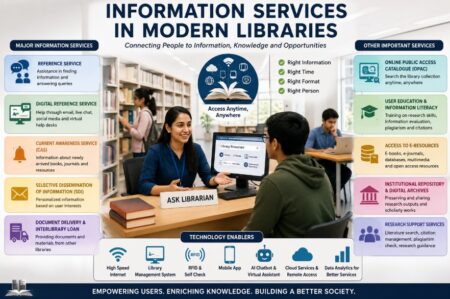
Information services refer to the systematic provision and management of data, knowledge, and resources essential for decision-making, problem-solving, and enhancing productivity. These services encompass a wide range of activities, including collecting, processing, storing, and disseminating information to individuals, organizations, and businesses. Information services aim to provide accurate, timely, and relevant information that helps users make informed decisions in various fields, from healthcare and education to finance and technology.
In modern society, information services have become an integral part of daily life and business operations. The rapid growth of digital technology and the internet has transformed how information is accessed and used. With vast amounts of data being generated every second, the ability to manage and leverage this information effectively is crucial for success in today’s fast-paced world. Information services enable individuals and organizations to navigate this ocean of data, ensuring that they can make informed decisions, stay competitive, and respond to challenges efficiently.
The importance of information services lies in their ability to facilitate communication, support innovation, and drive economic growth. They help businesses stay ahead of the curve by providing insights into market trends, customer behavior, and industry developments. They support research and knowledge dissemination in education, allowing students and scholars to access academic resources that further their learning and discoveries. In healthcare, timely access to accurate medical information can be a matter of life and death. Moreover, information services contribute to the democratization of knowledge, ensuring that people from all walks of life have access to essential information that empowers them to make better choices.
What is Information Service?
Information service refers to the systematic collection, organization, processing, and dissemination of information to meet the specific needs of users. Information services aim to provide relevant, accurate, and timely information that supports decision-making, problem-solving, research, and learning. These services are offered through various channels, including libraries, digital platforms, research institutions, and even business customer service departments. Information services are essential in nearly every sector, from education and healthcare to business and government, as they help individuals and organizations access the data and resources they need to function effectively.
For example, in libraries, information services involve providing access to books, journals, databases, and digital content that support academic and personal research. University libraries, such as those at North South University, offer access to various electronic resources, including scholarly articles and research papers, that students and faculty members use for academic purposes. These libraries also provide research assistance, helping users navigate complex information and make sense of vast databases.
In the business world, companies offer customer support services that provide customers with relevant information about products, services, or troubleshooting procedures. A company like Amazon, for instance, provides a wealth of information through its customer service team, FAQs, and product reviews, helping customers make informed purchase decisions. Similarly, businesses rely on market research firms, such as Nielsen, to gather and analyze data on consumer behavior, market trends, and competitor activities, offering valuable insights that inform business strategies.
In healthcare, information services play a life-saving role. Medical institutions and health organizations provide information about treatment options, drug interactions, and medical procedures. For instance, a hospital may offer online patient portals where individuals can access their medical records, lab results, and educational resources related to health conditions, making it easier for patients to manage their health. Additionally, medical professionals often rely on databases like PubMed to access the latest research and clinical guidelines, enabling them to provide the best care to their patients.
In government services, information services are crucial in providing citizens with up-to-date and accurate information about policies, regulations, and public services. Websites like the Social Security Administration’s site in the United States offer information services related to retirement benefits, disability claims, and other essential services. This ensures that citizens can easily access the information they need, without the need for direct interaction with government offices.
These real-life examples illustrate the diversity and importance of information services in modern society, showing how they support everything from personal learning and healthcare to business operations and government functions. Information services, whether provided in person or digitally, have become indispensable in ensuring that users can efficiently access the knowledge they need in today’s information-driven world.
Key Components of an Information Service
Information services play a pivotal role in today’s data-driven society, ensuring that individuals and organizations can access, interpret, and utilize the vast amounts of information available. These services involve multiple processes designed to help users find, analyze, and apply information efficiently. Information services are essential for providing organized, relevant, and actionable information, from libraries and research institutions to businesses and government agencies. Here are the key components that make up a successful information service.
- Information Collection: The first critical component of an information service is the collection of data and resources. Information collection involves sourcing raw data from a variety of channels, such as books, articles, databases, surveys, interviews, websites, and archives. The quality and comprehensiveness of the collection directly impact the service’s usefulness. For example, in a library information service, this may include acquiring academic papers, journals, books, and digital resources relevant to users’ academic or research needs. Information collection ensures that the service has a diverse and relevant pool of content from which to draw.
- Information Organization and Classification: Once information is collected, it must be organized and classified to facilitate easy access and retrieval. This component involves cataloging and indexing resources using established systems like the Dewey Decimal Classification, Library of Congress Classification, or subject-based taxonomy. The goal is to structure the information so that users can find exactly what they need quickly and efficiently. For instance, a digital library might tag research papers with specific keywords or organize them into categories based on subject matter, making the information easier for users to search and navigate.
- Information Processing and Analysis: The next step is processing and analysis after information is collected and organized. This involves transforming raw data into meaningful insights that can be directly applied by the user. Information services may filter out irrelevant or outdated data, summarize lengthy articles, or even generate reports that provide concise insights. In a research setting, this may involve analyzing a range of academic studies and summarizing key trends or conclusions for quick reference. By providing users with processed and actionable information, this component adds value to the raw data, making it easier for users to use the information effectively.
- Information Storage and Retrieval: Efficient storage and retrieval systems are crucial for any information service. Information needs to be stored to allow users to retrieve it quickly and accurately. Modern information services utilize databases, content management systems, and cloud storage solutions to ensure that information is securely stored and easily accessible. For example, in an institutional repository, research papers are stored in a digital format with a searchable database that allows faculty, students, and researchers to find documents related to their work. Additionally, search functionalities like keyword searches, filters, and advanced queries enable users to access information with ease.
- Information Delivery and Access: Delivering the information to the end-user is a central part of any information service. It is essential that the information be provided through appropriate delivery channels—be it a website, mobile app, email, or in-person assistance. Information delivery also includes ensuring that users can access the information in the format that suits their needs, such as downloadable PDFs, interactive dashboards, or printed reports. For instance, online research databases offer users the ability to access academic journals, eBooks, and other materials remotely, allowing for 24/7 access to important resources. Additionally, libraries may provide physical spaces for users to access information on-site.
- User Interaction and Support: An effective information service goes beyond simply providing data; it also includes user support to ensure that individuals can access and understand the information they need. This can involve human assistance, such as librarian support, technical help desks, or customer service representatives, as well as automated systems like chatbots or FAQs. For example, a reference librarian in a library might assist a student with research strategies or help them find relevant resources. An information service may also provide user-friendly interfaces, tutorials, or guides that help users navigate complex systems or databases.
- Security and Privacy: Security and privacy are crucial components of any information service, particularly when dealing with sensitive or personal data. Information must be protected from unauthorized access, and confidentiality should be maintained according to relevant legal and ethical standards. Security measures include encryption, data backups, and secure authentication systems, ensuring that only authorized individuals can access specific information. For example, medical information services often encrypt patient records to prevent unauthorized access and comply with regulations such as HIPAA in the United States. Similarly, cloud services must ensure that data stored on their platforms is protected from potential breaches.
- Feedback and Evaluation: Continuous evaluation of the information service is vital for its ongoing improvement. Gathering feedback from users through surveys, reviews, or performance metrics allows service providers to assess how well they are meeting user needs. This feedback loop helps identify areas for improvement, such as expanding content, enhancing user interfaces, or offering new services. For instance, an academic library might regularly survey students and faculty about their satisfaction with available resources, adjusting its offerings based on their input. Evaluation ensures that the information service evolves to better serve its user base and remains relevant in a changing environment.
An information service is composed of various components that work together to provide users with accurate, relevant, and timely information. From the initial collection and organization of data to its analysis, delivery, and ongoing evaluation, each component plays a critical role in ensuring the effectiveness of the service. Information services are integral in helping users make informed decisions, conduct research, and access the resources they need in various sectors, from education and healthcare to business and government. By understanding and optimizing these key components, information services can continue to meet the ever-growing demand for information in today’s fast-paced, digital world.
How Information Services Contribute to Decision-Making in Businesses
Information services contribute significantly to decision-making in businesses by providing critical data and insights that help guide strategies, improve operations, and mitigate risks. In today’s highly competitive and data-driven business environment, decision-makers rely on accurate, timely, and relevant information to make well-informed choices. Information services support this process by collecting, processing, and presenting data from various sources such as market trends, customer feedback, sales reports, and industry developments.
One of the primary ways information services contribute to decision-making is by enabling access to real-time data. Businesses can monitor key performance indicators (KPIs) such as sales figures, inventory levels, or website traffic, which allows them to make quick adjustments to strategies or operations. This real-time data helps decision-makers respond promptly to changing market conditions, customer preferences, or operational inefficiencies. For example, a company might use data from an online sales platform to adjust pricing strategies based on customer demand or competitor activities.
Information services provide historical data analysis, allowing businesses to identify trends, patterns, and opportunities. Businesses can make data-driven decisions about future investments, market expansion, or product development by analyzing past performance. This helps reduce the uncertainty associated with long-term decision-making by providing a clearer picture of potential outcomes based on past experiences.
Information services also contribute to risk management by offering insights that help identify potential risks and opportunities. Predictive analytics and business intelligence tools are commonly used to forecast market trends, customer behavior, or economic conditions. By using these insights, businesses can make proactive decisions, such as adjusting supply chains, exploring new markets, or optimizing marketing efforts, to stay ahead of potential challenges or capitalize on emerging opportunities.
Industries That Benefit the Most from Information Services
Information services are crucial across various industries, helping businesses access, analyze, and utilize data to improve their operations, make informed decisions, and stay competitive. While all sectors can benefit from these services, some industries rely on them more heavily due to the nature of their operations and the data-driven decisions they need to make. Here are the industries that benefit the most from information services:
- Healthcare: The healthcare industry is one of the primary sectors that benefits from information services. With a wealth of data generated daily through patient records, clinical trials, medical research, and treatment outcomes, healthcare providers need effective systems to store, process, and analyze this information. Information services such as electronic health records (EHR), data analytics, and decision support systems enable healthcare professionals to make informed decisions, improve patient care, and comply with regulatory requirements. Additionally, real-time access to medical research and treatment guidelines helps physicians and medical practitioners stay updated on the latest developments, thereby enhancing the quality of care delivered. In addition to patient care, healthcare organizations rely on information services for operational purposes, such as streamlining patient flow, managing resources, and tracking inventory. For instance, hospitals use data analytics to predict patient volumes, ensuring they have adequate staff and resources to manage demand.
- Financial Services: The financial services industry is another sector that thrives on robust information services. Banks, insurance companies, investment firms, and fintech startups rely on real-time data and analytics to monitor financial transactions, assess risks, and make investment decisions. Information services enable financial institutions to track market trends, evaluate consumer behavior, and ensure regulatory compliance. For example, data analytics helps detect fraudulent transactions, assess credit risk, and optimize pricing strategies for loans and insurance policies.
In addition, investment firms use market data and analytics to identify profitable opportunities, while insurance companies rely on actuarial data and predictive models to set premiums and assess claims. With vast amounts of financial data being generated every second, information services are critical in ensuring that decisions are based on accurate and timely data. - Retail: Information services have become indispensable in the retail industry, particularly with the rise of e-commerce and digital shopping. Retailers collect vast amounts of data from sales transactions, customer interactions, inventory levels, and supply chain logistics. Information services help retailers analyze this data to optimize inventory management, forecast demand, and improve the customer shopping experience.
For instance, retail businesses leverage information services like customer relationship management (CRM) systems and analytics tools to track customer preferences, purchasing behaviors, and feedback. This data is then used to personalize marketing efforts, optimize product offerings, and improve customer loyalty. Additionally, inventory management systems help retailers maintain optimal stock levels, ensuring that popular products are always available while minimizing excess inventory costs. - Technology and IT: The technology and IT sector is inherently reliant on information services. As the backbone of the digital economy, IT companies use data analytics, software development tools, and cloud services to improve system performance, monitor user behavior, and develop new solutions. Information services are essential for everything from software engineering and product development to managing customer support and ensuring system security.
Tech companies leverage big data analytics to improve algorithms, design user-centric applications, and optimize IT infrastructure. For example, companies like Google and Amazon rely on data from millions of users to continuously improve their services, enhance user experience, and innovate new products. Information services also enable technology firms to provide cloud-based solutions, ensuring that businesses and consumers have secure, scalable access to data storage and computing power. - Education: In the education sector, information services are critical for managing student data, academic resources, and research. Educational institutions, from primary schools to universities, rely on information systems to track student progress, manage course materials, and store research publications. Libraries, online learning platforms, and e-learning systems are examples of information services in this sector that provide access to knowledge and facilitate learning. Additionally, educational institutions use data analytics to assess student performance, identify areas of improvement, and tailor educational programs to meet students’ needs. By analyzing patterns in student engagement, retention, and academic achievement, schools and universities can refine their teaching methods, optimize curriculum delivery, and ensure that students receive a quality education.
- Government and Public Services: Government agencies use information services to streamline operations, support policy decisions, and deliver services to citizens. Information systems help governments manage data on public services, taxation, law enforcement, healthcare, and social welfare. Real-time data collection and analysis are used to ensure effective governance, resource allocation, and public safety.
For example, tax authorities use information services to process returns, monitor compliance, and identify potential fraud. Similarly, law enforcement agencies rely on crime data and predictive analytics to optimize resource allocation and reduce crime rates. Furthermore, government services like social security, unemployment benefits, and public health initiatives benefit from information services that enable efficient case management, service delivery, and policy implementation. - Manufacturing: The manufacturing industry uses information services to optimize production processes, manage inventory, and improve supply chain efficiency. With increasing global competition and consumer demand for high-quality products, manufacturers rely on data analytics to monitor production lines, forecast demand, and reduce operational costs. Information services in manufacturing help streamline processes by tracking machine performance, predicting maintenance needs, and ensuring optimal resource allocation.
Advanced data analytics also allows manufacturers to implement predictive maintenance, reducing downtime and extending the life of expensive machinery. Additionally, information services help businesses manage their supply chains by providing real-time data on inventory levels, shipments, and supplier performance. - Telecommunications: Telecommunications companies rely on information services to manage network operations, optimize service delivery, and improve customer experience. These companies handle vast amounts of data from customer usage patterns, network traffic, and service interactions. Information services enable telecom providers to monitor network performance, forecast demand, and manage customer relationships more effectively.
Telecom providers also use big data and analytics to enhance service offerings and create targeted marketing strategies. For example, they analyze customer usage patterns to offer personalized plans or detect network issues before they affect customers. Information services in telecommunications also support customer support, allowing providers to offer faster resolution of technical issues and better overall service.
Information services are indispensable across a wide range of industries, from healthcare and financial services to retail, education, and manufacturing. As organizations continue to rely on data to make decisions, enhance customer experiences, and drive innovation, information services will remain essential to maintaining competitiveness and operational efficiency. By providing accurate, timely, and actionable insights, these services empower businesses to stay ahead of market trends, optimize operations, and make data-driven decisions that foster growth and success.
The Role of Cloud Computing in Modern Information Services
Cloud computing plays a critical role in modern information services by providing businesses and organizations with scalable, flexible, and cost-effective solutions for storing, processing, and delivering data. Traditionally, organizations were required to maintain extensive on-premises infrastructure for data storage and computing power, which often involved high costs and limited scalability. Cloud computing eliminates these constraints by offering remote access to vast amounts of storage and powerful computing resources over the internet, allowing businesses to access and manage information more efficiently.
One of the primary ways cloud computing supports modern information services is through its scalable storage solutions. As organizations increasingly generate large volumes of data, cloud platforms such as Amazon Web Services (AWS), Google Cloud, and Microsoft Azure provide on-demand storage that can be easily scaled to accommodate growing data needs. This scalability allows businesses to store vast amounts of data without the need to invest in expensive physical hardware, making cloud computing an ideal solution for managing big data, archives, and other information resources.
In addition to storage, cloud computing enhances the processing capabilities of information services. Cloud platforms provide powerful data processing and analytics tools that enable businesses to analyze and extract meaningful insights from large datasets. For example, services like AWS Analytics and Google BigQuery allow organizations to perform real-time data analysis, helping them make informed decisions more quickly. This is especially valuable for industries such as finance, healthcare, and retail, where timely access to data and insights is crucial for operational success.
Cloud computing also fosters collaboration and information sharing. By storing data in the cloud, teams across different locations can access the same documents, datasets, and resources in real time, improving productivity and ensuring consistency. Whether for remote work or collaboration between departments, cloud-based platforms allow for seamless sharing and editing of data, enabling organizations to work more efficiently and make data-driven decisions faster. Moreover, cloud computing offers significant cost advantages for businesses. Rather than making large capital investments in physical infrastructure, organizations can use cloud services on a pay-as-you-go basis, paying only for the resources they actually use. This reduces the need for expensive upfront costs and makes cloud computing more affordable for organizations of all sizes. Smaller businesses, in particular, benefit from the cloud’s ability to provide access to enterprise-level resources without the financial burden of maintaining a dedicated IT infrastructure.
Finally, cloud computing enhances the security and reliability of information services. Leading cloud providers implement advanced security measures such as encryption, access controls, and regular data backups to protect sensitive information. Additionally, cloud platforms offer disaster recovery services, enabling businesses to quickly recover data in the event of an outage or breach, ensuring minimal disruption to operations.
The Concept of Information-as-a-Service (IaaS)
Information-as-a-Service (IaaS) is a cloud computing model that provides businesses with access to a wide range of information resources and data-related services on a subscription or pay-as-you-go basis. Unlike traditional data management approaches, where businesses have to build and maintain their own infrastructure for collecting, storing, and processing data, IaaS allows organizations to leverage third-party cloud-based services to access, manage, and analyze data without the need for significant investment in physical infrastructure or internal expertise.
At its core, IaaS is about delivering data, information storage, and analytics tools as a service over the internet, enabling businesses to access vast amounts of information in real-time while reducing the complexity and cost associated with managing these resources internally. This model allows companies to focus on their core business functions while relying on cloud providers to manage and maintain the technical aspects of data infrastructure, ensuring efficiency, scalability, and security.
Key components of IaaS include:
- Data Storage and Management: IaaS provides cloud storage solutions where businesses can store structured and unstructured data in a centralized, secure location. Cloud providers such as Amazon Web Services (AWS), Microsoft Azure, and Google Cloud offer scalable storage options that can be adjusted based on the growing needs of a business, enabling businesses to efficiently manage large amounts of data.
- Data Processing and Analytics: IaaS platforms often include processing power and analytics tools that allow businesses to analyze data at scale. This can include running complex algorithms, performing real-time data analysis, or gaining insights from historical data. Services like AWS Redshift, Google BigQuery, and Azure Data Lake are examples of platforms that provide analytics capabilities, enabling businesses to extract actionable insights from vast datasets.
- Data Access and Delivery: IaaS enables businesses to access their data remotely via secure web interfaces or APIs, ensuring they can retrieve and utilize data anytime and from any location. This is particularly valuable for organizations with remote teams or those that operate in multiple geographical locations, as cloud access eliminates the need for localized infrastructure.
- Scalability: One of the primary benefits of IaaS is scalability. As businesses grow and their data management needs increase, IaaS allows them to scale resources up or down without significant capital investment in new infrastructure. This flexibility ensures that businesses can meet fluctuating data demands without overcommitting resources.
- Security and Compliance: Information services provided through IaaS typically include robust security features, such as encryption, access controls, and compliance with industry standards and regulations. Cloud providers invest heavily in securing their infrastructure, ensuring that businesses can store and access data safely while complying with privacy laws like GDPR or HIPAA.
Information-as-a-Service (IaaS) allows businesses to outsource their data storage, processing, and analytics functions to cloud providers, thereby reducing the complexity, cost, and risk associated with managing these services internally. By offering scalable, secure, and accessible information resources, IaaS enables organizations to focus on innovation and strategic decision-making while relying on cloud-based services for the technical aspects of data management.
How Information Services Support Digital Transformation in Organizations
Information services are crucial enablers of digital transformation in organizations, as they provide the infrastructure, tools, and capabilities necessary to manage, analyze, and utilize data in innovative ways. As businesses transition to digital models, they increasingly rely on information services to drive their transformation efforts. These services ensure that organizations can make data-driven decisions, enhance customer experiences, streamline operations, and maintain security in an increasingly digital world.
One of the most significant ways that information services support digital transformation is by facilitating the integration of digital tools across an organization. Cloud computing, for example, allows businesses to integrate various digital platforms, such as customer relationship management (CRM) systems, enterprise resource planning (ERP) software, and analytics tools, into one cohesive system. This integration enables seamless access to data across departments, promotes collaboration, and eliminates silos that can hinder innovation. By providing scalable and flexible infrastructure, cloud-based information services make it easier for businesses to adopt new digital technologies without the need for significant investments in on-premises hardware.
Another essential role of information services in digital transformation is data analytics. As organizations increasingly embrace digital technologies, they accumulate vast amounts of data from various sources, including customer interactions, online transactions, and operational processes. Information services, such as big data analytics and business intelligence (BI) tools, allow businesses to process and analyze this data in real-time, providing valuable insights that inform decision-making. These insights help organizations understand customer behavior, optimize supply chains, forecast trends, and identify new business opportunities, all of which are key to staying competitive in the digital age.
Information services also support digital transformation by improving customer engagement and experience. With the help of CRM systems, marketing automation tools, and data analytics, organizations can personalize their interactions with customers based on data-driven insights. By understanding customer preferences and behaviors, businesses can tailor their offerings to meet specific needs, deliver personalized content, and provide more responsive customer support. This level of personalization enhances the customer experience and builds stronger relationships and customer loyalty. In addition, information services play a critical role in ensuring the security and compliance of digital transformation initiatives. As organizations shift more of their operations to digital platforms, they must address concerns related to data privacy, security, and regulatory compliance. Information services help businesses manage and secure sensitive data by implementing robust encryption, access controls, and data backup systems. Cloud service providers, for example, often offer built-in security features and comply with industry standards and regulations, ensuring that businesses can maintain compliance while protecting their data from breaches and cyberattacks.
Information services help organizations optimize internal processes and improve efficiency, which are central aspects of digital transformation. Businesses can streamline their operations and reduce the risk of human error by automating routine tasks, such as data entry, reporting, and document management. Powered by data-driven insights, workflow automation tools enable organizations to improve operational efficiency, reduce costs, and enhance productivity.
In summary, information services are a critical component of digital transformation, providing the tools and infrastructure necessary to manage data, enhance collaboration, and optimize decision-making. By integrating digital technologies, enabling data-driven insights, improving customer engagement, and ensuring security, information services help organizations adapt to the digital landscape. These services empower businesses to innovate, enhance operational efficiency, and remain competitive in a rapidly evolving digital world.