Digital Rights Management (DRM) stands as a pivotal mechanism to safeguard the intellectual property rights of content creators and distributors in an era marked by the unprecedented ease of digital reproduction and distribution. At its essence, DRM refers to a suite of technologies, protocols, and strategies deployed to manage access to and usage of digital content such as music, movies, e-books, software, and more. DRM seeks to prevent unauthorized copying, sharing, and modification of copyrighted material by employing encryption, access controls, and other proprietary methods. While proponents argue that DRM is essential for combating piracy, protecting revenue streams, and incentivizing innovation, critics highlight its potential drawbacks, including restrictions on consumer freedoms, interoperability issues, and barriers to fair use. The ongoing discourse surrounding DRM reflects the complex intersection of intellectual property rights, technological advancement, consumer expectations, and ethical considerations in the digital ecosystem. As digital content continues to increase and evolve, the role and implications of DRM remain subjects of intense debate and scrutiny.
1.1 What is Digital Rights Management (DRM)?
Digital Rights Management (DRM) refers to a set of technologies and methods employed to control access to and usage of digital content, including but not limited to music, movies, e-books, software, and games. The primary goal of DRM is to protect the intellectual property rights of content creators and distributors by preventing unauthorized copying, distribution, and modification of digital material. DRM typically involves encryption, access controls, and other mechanisms to restrict access to content only to authorized users or devices. Content providers commonly use it to enforce copyright laws, protect revenue streams, and combat piracy. However, DRM has been criticized for its potential to limit consumer rights, impede interoperability, and create barriers to fair use. The ongoing debate surrounding DRM reflects broader tensions between intellectual property protection and the principles of digital freedom and accessibility.
1.2 How Digital Rights Management Works?
Digital Rights Management (DRM) works through a combination of encryption, access control mechanisms, and authentication protocols to regulate digital content’s access, distribution, and usage. Here’s an overview of how DRM typically operates:
- Encryption is a fundamental component of DRM that involves converting digital content into a scrambled format using cryptographic algorithms. This process renders the content unreadable without the corresponding decryption key. Encryption ensures that even if unauthorized users gain access to the encrypted content, they cannot decipher it without the necessary keys. DRM systems employ robust encryption techniques to safeguard content from being intercepted or tampered with during transmission or storage.
- Content distributors or rights holders issue licenses to authorized users, specifying the terms and conditions under which they can access and use the protected content. These licenses may be delivered electronically and include information such as the duration of access, the number of devices allowed, geographical restrictions, and permitted actions (e.g., viewing, copying, sharing). License issuance is typically managed through DRM servers or platforms that authenticate users and generate unique licenses tailored to their permissions and usage rights.
- Authentication is verifying the identity of users seeking access to DRM-protected content. DRM systems employ various authentication methods, such as username/password credentials, digital certificates, biometric authentication, or hardware-based authentication tokens. Authentication ensures that only authorized users with valid credentials or licenses can access the protected content, preventing unauthorized access and piracy.
- Once authenticated, DRM systems enforce access control policies to regulate users’ actions and interactions with the protected content. Access control mechanisms determine users’ actions, such as viewing, copying, printing, or sharing the content. DRM systems may employ granular access controls to enforce restrictions based on the specific terms and conditions outlined in the user’s license. For example, a license may allow streaming but prohibit downloading or limit the number of times a user can access the content.
- DRM systems actively monitor and enforce the usage rights specified in the licenses to prevent unauthorized activities that violate copyright laws or the license terms. Enforcement mechanisms may include restricting copying, forwarding, or modifying the content and detecting and responding to unauthorized attempts to circumvent DRM protections. DRM systems often incorporate anti-piracy measures to deter and combat piracy, such as watermarking, digital fingerprinting, or monitoring for suspicious behavior.
- Interoperability ensures that DRM-protected content can be accessed and consumed across different devices, platforms, and ecosystems. DRM systems may support interoperability by adhering to industry standards and specifications enabling integration with various software applications, operating systems, and hardware devices. Interoperability facilitates the seamless distribution and consumption of content across diverse environments, enhancing user convenience and accessibility while maintaining the integrity of DRM protections. Additionally, interoperability can promote market adoption and support the widespread deployment of DRM solutions by fostering compatibility and interoperability between different DRM technologies and implementations.
Digital Rights Management is a cornerstone in protecting intellectual property in the digital landscape. DRM empowers content creators and distributors to safeguard their digital assets and enforce usage policies by leveraging encryption, access controls, and licensing mechanisms. As technology evolves and digital content proliferates, the role of DRM remains indispensable in upholding the integrity of intellectual property rights and fostering a secure digital ecosystem.
1.3 Benefits of Digital Rights Management.
Digital Rights Management (DRM) is a pivotal component in digital content, offering a suite of technologies and strategies to safeguard intellectual property rights, protect revenue streams, and ensure compliance with regulatory frameworks. Despite its contentious reputation, DRM brings forth an array of benefits that resonate across the digital landscape. From fortifying intellectual property protection to fostering innovation and flexibility in licensing models, DRM plays a multifaceted role in shaping a fair, secure, and sustainable digital ecosystem. This introductory paragraph sets the stage for a deeper exploration of DRM’s myriad advantages to content creators, distributors, and consumers alike in the dynamic and ever-evolving digital landscape.
Digital Rights Management (DRM) offers several benefits to content creators, distributors, and consumers in the digital landscape. While DRM has been a subject of debate, particularly regarding its impact on consumer rights, it serves various purposes that contribute to protecting and managing digital content. Here are some of the key benefits of DRM:
- Protecting Intellectual Property: DRM employs robust encryption techniques to safeguard digital content from unauthorized access and distribution. Encryption scrambles the content into an unreadable format, ensuring only authorized users with decryption keys can access it. Additionally, DRM implements access controls and licensing mechanisms to regulate how the content is used, preventing unauthorized copying, sharing, or modification. By protecting intellectual property in this manner, DRM enables content creators to maintain control over their works and preserve their economic value.
- Safeguarding Revenue Streams: DRM is crucial in protecting revenue streams for content creators and distributors by preventing revenue loss due to piracy and unauthorized distribution. By controlling access to digital content through licensing agreements, DRM ensures that users must pay to access the content. This helps content creators monetize their works effectively and provides a sustainable income stream, essential for supporting ongoing content creation efforts.
- Facilitating Flexible Licensing Models: DRM enables content providers to implement various licensing models to meet consumers’ diverse needs and preferences. These models can include rentals, subscriptions, or pay-per-view options, each with customizable parameters such as duration and device restrictions. By offering flexible licensing options, content providers can cater to different consumer segments and maximize revenue opportunities in a rapidly evolving digital marketplace.
- Enhancing Security Measures: DRM employs advanced security measures to protect digital content from various threats, including piracy, hacking, and unauthorized access. In addition to encryption, DRM may incorporate authentication mechanisms, such as username/password credentials or digital certificates, to verify the identity of users. Furthermore, DRM systems often include monitoring and auditing capabilities to detect and respond to suspicious activities, ensuring the integrity and confidentiality of digital assets.
- Ensuring Compliance with Regulations: DRM helps content providers comply with legal and regulatory requirements for intellectual property rights and copyright protection. By implementing DRM solutions that adhere to industry standards and best practices, content providers can demonstrate their commitment to protecting intellectual property. This reduces the risk of legal disputes, fines, and reputational damage associated with non-compliance, thereby ensuring a more secure and stable operating environment.
- Promoting Innovation: Despite criticism, DRM can also foster innovation within the digital content ecosystem by providing assurances of protection against piracy and unauthorized use. Content creators are more likely to invest in developing new and innovative works when they have confidence that their intellectual property will be protected. This stimulates creativity, encourages experimentation with new formats and distribution channels, and ultimately enriches the digital content landscape for consumers worldwide.
Digital Rights Management offers many benefits that contribute to the sustainability and growth of the digital content ecosystem. From protecting intellectual property and revenue streams to promoting innovation and ensuring compliance with regulations, DRM is vital in maintaining a fair and secure digital marketplace. While debates surrounding DRM continue, its positive impact on content creators, distributors, and consumers underscores its importance in the digital age.
1.4 How effective is DRM in preventing piracy and protecting intellectual property?
Digital Rights Management (DRM) has been implemented to prevent piracy and protect intellectual property in the digital realm. While it offers a layer of security through encryption, access controls, and licensing mechanisms, its effectiveness remains debatable. DRM can serve as a deterrent against casual piracy by making it more difficult for unauthorized users to access and distribute protected content. However, determined individuals with technical expertise often find ways to circumvent DRM measures, leading to instances of unauthorized access and distribution. This highlights a limitation of DRM in fully preventing piracy, as it cannot eliminate the risk of unauthorized use. Furthermore, DRM implementations that are overly restrictive may impact the user experience and drive consumers toward alternative sources of content that do not employ DRM.
Despite its limitations, DRM can still protect intellectual property by providing a legal and technical framework for content creators and distributors. Strong encryption algorithms and access controls can help mitigate piracy to some extent and deter casual infringers. Additionally, DRM can enable content providers to enforce licensing agreements, ensuring that users abide by the terms of use and preventing unauthorized distribution. By implementing DRM, content creators can have greater control over how their intellectual property is accessed and used in the digital landscape.
However, the effectiveness of DRM also depends on external factors such as legal and regulatory frameworks, technological advancements, and consumer behaviors. Legal enforcement and international cooperation are essential in combating piracy, while technological developments may present new challenges or opportunities for DRM implementation. Moreover, consumer attitudes toward DRM can influence its effectiveness, as overly restrictive measures may lead to negative perceptions and push users toward pirated alternatives. Therefore, while DRM can serve as a valuable tool in protecting intellectual property, it should be implemented judiciously and complemented by other strategies to address the complex challenges of piracy in the digital age.
1.5 How do libraries implement Digital Rights Management (DRM) systems to manage access to digital content?
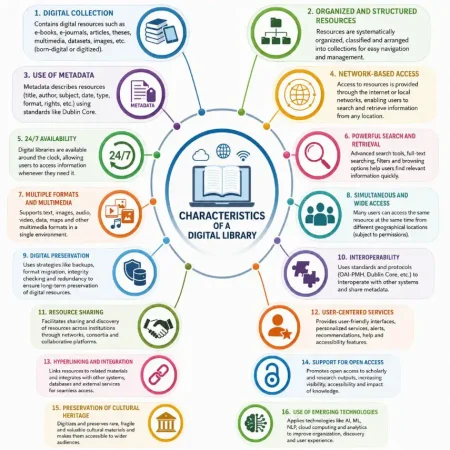
In the modern era of digitization, libraries have transitioned from traditional repositories of printed materials to dynamic digital content hubs. As they adapt to this digital transformation, libraries face the challenge of effectively managing access to digital resources while safeguarding the intellectual property rights of content creators. Digital Rights Management (DRM) systems serve as essential tools in this endeavor, offering libraries a framework to regulate access, enforce licensing agreements, and protect the integrity of their digital collections. This article explores the multifaceted ways libraries implement DRM systems to navigate the complexities of digital content management. From authentication protocols and access controls to digital watermarking and usage monitoring, each aspect of DRM implementation plays a crucial role in ensuring that libraries can provide patrons seamless access to digital materials while upholding legal and ethical standards. By examining the strategies and technologies libraries employ to manage digital rights, this article aims to shed light on the evolving landscape of digital content management in library settings and the importance of DRM in preserving the rights of content creators and consumers.
Libraries implement Digital Rights Management (DRM) systems to manage access to digital content in various ways, balancing protecting intellectual property with providing convenient access to library patrons. Here are several common methods:
- Licensing Agreements: Licensing agreements form how libraries acquire and manage access to digital content. These agreements are negotiated between libraries and publishers or content distributors and outline the terms and conditions under which the library can provide access to digital materials. They often specify parameters such as the duration of access, the number of simultaneous users allowed, lending periods, and usage restrictions. DRM systems are integral to enforcing these terms, as they regulate access based on the parameters outlined in the licensing agreements. For example, DRM may restrict access to a certain number of simultaneous users or limit the duration of access to digital materials borrowed from the library.
- Authentication and Access Controls: Authentication mechanisms are essential components of DRM systems used by libraries to verify the identity of users accessing digital content. Patrons may be required to authenticate themselves using library credentials, such as a library card number and PIN, or utilize authentication tokens provided by the library. Access controls are then enforced based on the user’s authentication status and the terms outlined in the licensing agreements. For instance, a library may restrict access to certain digital materials to registered patrons only while allowing unrestricted access to others.
- Digital Watermarking: Digital watermarking is a technique some libraries use to embed identifying information into digital content. These watermarks serve as unique identifiers that can help trace the origin of pirated copies and facilitate the tracking of content usage. By embedding watermarks into digital materials, libraries can deter unauthorized distribution and take appropriate measures to address copyright infringement. Watermarking adds a layer of protection to DRM systems, enhancing their effectiveness in preventing piracy and protecting intellectual property rights.
- Digital Rights Enforcement: DRM systems enable libraries to enforce digital rights associated with digital content, ensuring that users abide by the terms outlined in the licensing agreements. For example, DRM may restrict copying, printing, downloading, and sharing of content beyond the permitted terms. By implementing DRM controls, libraries can prevent the unauthorized distribution of digital materials and protect the intellectual property rights of content creators and publishers. Enforcement of digital rights helps maintain the integrity of the library’s digital collection and fosters compliance with copyright laws.
- Usage Monitoring and Reporting: Library DRM systems often include monitoring and reporting usage statistics features. These features allow libraries to track metrics such as the number of times a digital item has been accessed, the duration of usage, and the popularity of specific titles. Usage data provides valuable insights into patron behavior and preferences, enabling libraries to make informed decisions about collection development, resource allocation, and licensing negotiations with publishers. By analyzing usage patterns, libraries can optimize their digital collections to meet their patrons’ needs better and enhance the overall user experience.
Libraries implement DRM systems to strike a balance between providing access to digital content for their patrons and protecting the intellectual property rights of content creators and publishers. By leveraging DRM technologies, libraries can ensure compliance with licensing agreements, prevent unauthorized distribution of digital materials, and maintain the integrity of their digital collections.
1.6 How do libraries educate patrons about DRM restrictions and their impact on access to digital resources?
Libraries play a crucial role in providing access to digital resources and educating patrons about the complexities of Digital Rights Management (DRM) and its impact on accessing these resources. As digital content becomes increasingly prevalent in library collections, patrons must understand the restrictions imposed by DRM and how these limitations influence their ability to access and use digital materials. This article delves into the diverse approaches libraries employ to educate patrons about DRM restrictions, from informational materials and online tutorials to workshops and one-on-one assistance. By empowering patrons with knowledge about DRM and its implications, libraries aim to promote responsible use of digital resources while fostering digital literacy and compliance with copyright laws.
Libraries employ various strategies to educate patrons about Digital Rights Management (DRM) restrictions and their implications for accessing digital resources. Here are several approaches:
- Informational Materials: Libraries create informational materials, such as brochures, posters, and website content, to educate patrons about DRM restrictions and their impact on accessing digital resources. These materials explain concepts such as licensing agreements, access controls, and usage restrictions in clear and accessible language, helping patrons understand the limitations imposed by DRM.
- Online Tutorials and Guides: Libraries develop online tutorials and guides that provide step-by-step instructions on accessing digital resources while adhering to DRM restrictions. These resources may include video tutorials, written guides, or interactive modules that walk patrons through navigating DRM-protected content, accessing licensed materials, and understanding their rights and responsibilities as users.
- Workshops and Training Sessions: Libraries host workshops and training sessions to educate patrons about DRM restrictions and best practices for accessing digital resources. These sessions may cover copyright laws, fair use guidelines, and the ethical implications of circumventing DRM protections. By engaging patrons in interactive discussions and hands-on activities, libraries empower them to make informed decisions about accessing digital content responsibly.
- One-on-One Assistance: Libraries offer one-on-one assistance to patrons who require additional support navigating DRM restrictions and accessing digital resources. Librarians and staff members can answer questions, provide guidance, and troubleshoot technical issues related to DRM-protected content. This ensures patrons can access the necessary materials while complying with licensing agreements and copyright laws.
- Community Outreach Programs: Libraries engage in community outreach programs to raise awareness about DRM restrictions and their impact on access to digital resources. These programs may include presentations at local schools, community centers, or senior centers and collaborations with other organizations to promote digital literacy and responsible use of digital content.
By employing these educational strategies, libraries empower patrons to navigate DRM restrictions effectively, access digital resources responsibly, and make informed decisions about using digital content in compliance with legal and ethical standards.