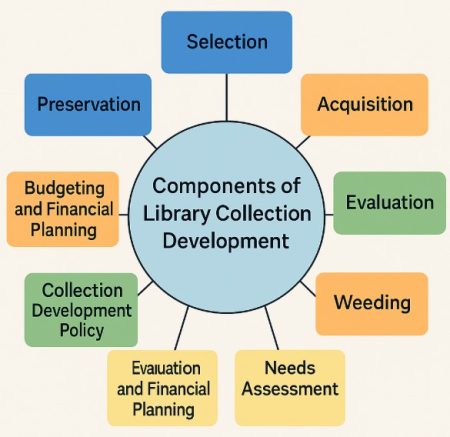
Collection development in libraries is a systematic and strategic process that involves the selection, acquisition, maintenance, and evaluation of library materials to meet the diverse informational, educational, and recreational needs of the community it serves. This process ensures that libraries build collections that are relevant, comprehensive, and reflective of the evolving needs of users, including students, faculty, and the general public. For instance, academic libraries may prioritize acquiring materials related to the latest research in fields such as artificial intelligence, while public libraries might focus on contemporary novels or resources for local history. It requires careful planning, consideration of the library’s mission and goals, as well as balancing the budgetary constraints and the rapidly changing landscape of information resources, such as new technologies, digital formats, and emerging fields of knowledge. For example, as e-books and digital journals become more prevalent, libraries must adapt by expanding their digital collections alongside traditional print materials.
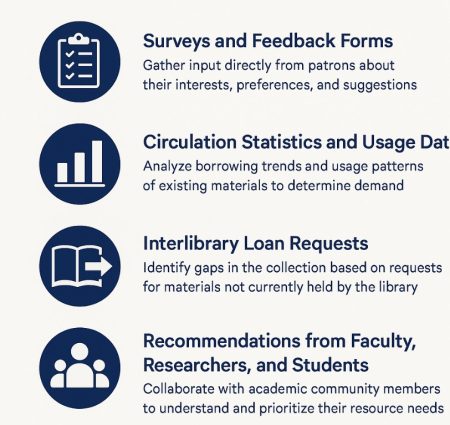
Collection development is not only about acquiring new materials, but also about regularly evaluating and weeding out outdated or underutilized resources to maintain a collection that is current, diverse, and useful. For example, academic libraries may remove outdated editions of textbooks that no longer reflect current academic standards or research findings. Public libraries may remove damaged or rarely checked-out books, making room for new titles. The success of a library’s collection development efforts depends on the expertise of librarians, who rely on selection criteria, user feedback, and an understanding of current trends to curate a collection that aligns with the needs and interests of its users. For instance, librarians may use surveys, circulation data, and consultations with faculty to decide on acquisitions, such as adding new educational resources on climate change or supporting local authors through specialized collections.
Main Goals of Collection Development in Libraries
Collection development is a cornerstone of library management that ensures libraries meet the diverse needs of their users. By carefully selecting, acquiring, organizing, and maintaining materials, libraries can provide users with the resources they need for research, learning, and personal growth. The main goals of collection development revolve around ensuring that collections are comprehensive, relevant, inclusive, and accessible. Let’s explore the primary goals of collection development in libraries and how these objectives guide the development and maintenance of library resources.
- Meeting the Needs of Library Users: The central goal of collection development is to meet the informational, educational, and recreational needs of library users. Libraries are entrusted with serving a broad range of patrons, from students and faculty in academic settings to the general public in community libraries. Academic libraries must ensure their collections support the curriculum, research, and scholarly pursuits of students and faculty. This means acquiring textbooks, research journals, databases, and academic books that directly contribute to the learning and teaching processes.
Public libraries, on the other hand, serve a more diverse user base, which includes children, seniors, professionals, and recreational readers. They aim to provide materials that support lifelong learning, personal development, and entertainment. For example, public libraries focus on offering popular fiction, non-fiction, reference materials, and local interest resources, among others. A well-developed collection reflects the interests and needs of its users, ensuring that the library remains an essential resource for the community. - Supporting Educational and Research Objectives: Another key goal of collection development is to support the educational and research objectives of the library’s users. In academic libraries, the collection is designed to facilitate both teaching and research. Libraries are essential to the academic experience, providing students and faculty with the resources they need to succeed in their studies and scholarly work. Collection development in academic libraries ensures the availability of scholarly journals, reference books, e-books, and digital archives that contribute to the academic mission of the institution.
Libraries also support research by ensuring access to specialized materials that may be essential for in-depth studies. For example, academic libraries may focus on providing materials for emerging fields of study or specific disciplines such as engineering, medicine, or the humanities. By aligning their collections with the research and educational priorities of the institution, academic libraries play a critical role in advancing knowledge and supporting academic excellence. - Ensuring a Diverse and Inclusive Collection: A crucial goal of collection development is to ensure that the library’s collection reflects the diversity of perspectives, cultures, and ideas within the community it serves. Libraries have a responsibility to create inclusive environments that provide equitable access to information for all users, regardless of their background. This involves acquiring materials that represent a wide range of voices, including those that are often marginalized or underrepresented in mainstream publishing.
For public libraries, this means acquiring books, films, and resources that reflect the cultural, social, and political diversity of the community. This could include works by authors from diverse racial, ethnic, and gender backgrounds, as well as materials that address issues such as social justice, diversity, and inclusion. Academic libraries also strive to ensure diversity by including resources that represent non-Western viewpoints, interdisciplinary approaches, and global perspectives. By building collections that represent a broad spectrum of ideas, libraries foster intellectual freedom and contribute to a more inclusive society. - Providing Access to Current and Accurate Information: In rapidly changing fields such as technology, science, medicine, and social studies, ensuring access to current and accurate information is one of the most important goals of collection development. Libraries must regularly update their collections to reflect new research, technological advancements, and emerging fields of study. For academic libraries, this means acquiring the latest editions of textbooks, journals, and research databases to support evolving academic programs and research initiatives.
Public libraries also need to keep their collections up-to-date with current events, technological trends, and popular topics. Access to the latest information allows patrons to remain informed about social, political, and scientific developments. By providing current materials, libraries ensure they remain relevant and responsive to the needs of their users, helping them make informed decisions and participate in contemporary conversations. - Balancing Print and Digital Resources: As technology continues to evolve, one of the ongoing goals of collection development is to strike a balance between print and digital resources. While print materials remain important, the increasing demand for digital content—such as e-books, online journals, and streaming media—has significantly transformed how libraries curate their collections. Digital resources offer greater accessibility, convenience, and flexibility, especially for users who need remote access.
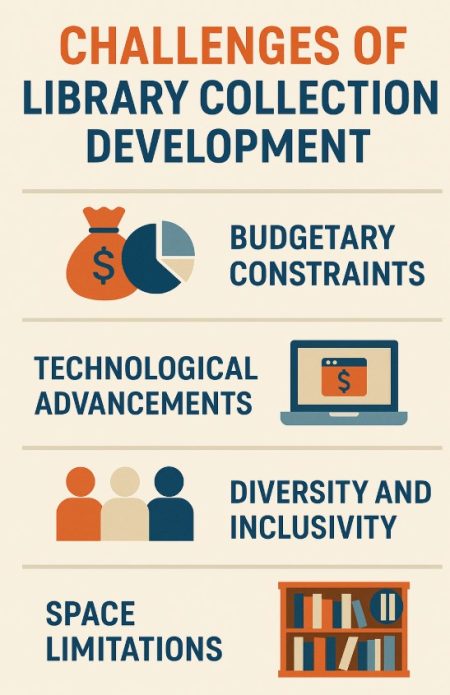
However, digital resources often come with high subscription fees and licensing costs, which can quickly consume a library’s budget. Libraries must carefully manage their resources, ensuring that both print and digital materials complement each other in a way that maximizes user access while adhering to financial constraints. Academic libraries, for instance, may continue to provide physical copies of foundational textbooks while shifting more focus to digital databases and journals to meet the growing demand for electronic resources. Public libraries must ensure that digital content, such as e-books and audiobooks, is available without neglecting the need for physical books and community-oriented materials. - Budget Management and Long-Term Sustainability: Budget management is a critical goal in collection development. Libraries must operate within financial constraints, and as a result, making strategic decisions about how to allocate funds is essential. Libraries must balance the acquisition of new materials with the ongoing costs of maintaining and preserving existing collections. This includes determining which materials are essential, which can be weeded or replaced, and how to invest in new resources that will support the library’s mission.
Long-term sustainability is also a key concern. Libraries need to plan for the future by acquiring materials that will remain relevant for years to come. This could involve investing in resources that will have lasting value, such as historical documents, foundational research, or digital content that can be easily updated and preserved. Sustainable collection development practices also include evaluating resources over time and ensuring that the library’s collection remains adaptable to future needs and trends. - Facilitating Access and Organization: Ensuring that library resources are easily accessible and well-organized is another important goal of collection development. Materials need to be categorized and indexed in a way that allows users to find them quickly and efficiently. Libraries use classification systems like the Dewey Decimal System or the Library of Congress Classification to organize physical resources, ensuring consistency and ease of use.
For digital resources, libraries need to have effective systems in place for indexing and accessing e-books, journals, databases, and other digital content. This involves providing user-friendly interfaces, effective search functions, and clear organization of online resources. Ensuring that users can easily navigate the collection is vital to improving access and supporting the library’s educational, informational, and recreational goals.
The main goals of collection development in libraries are fundamental to the library’s mission to serve its community. By focusing on meeting the needs of users, supporting educational and research objectives, ensuring diversity and inclusivity, providing current and accurate information, and balancing print and digital resources, libraries can create collections that are comprehensive, accessible, and relevant. Effective budget management and long-term sustainability also play crucial roles in building and maintaining a collection that remains vital and valuable for generations. Through thoughtful collection development, libraries can continue to foster intellectual growth, encourage lifelong learning, and support the diverse needs of their communities.