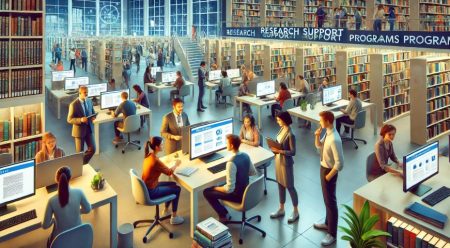
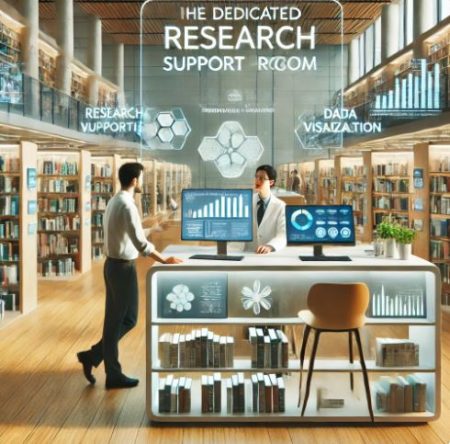
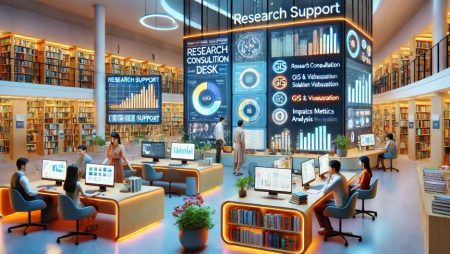
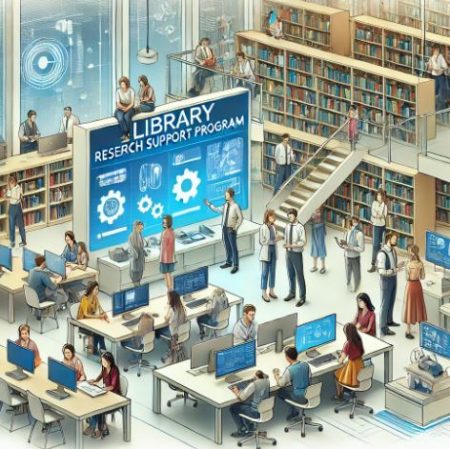
University libraries play a central role in fostering academic growth by providing not only access to knowledge resources but also opportunities for skill development and intellectual engagement. In today’s rapidly evolving academic landscape, libraries have transformed into dynamic learning spaces that extend beyond lending books or offering quiet study areas. They actively support students and faculty in developing essential academic and professional competencies through interactive programs and workshops.
For example, information literacy workshops teach students how to locate, evaluate, and use credible sources effectively when conducting research. Similarly, research skill sessions help participants learn advanced search strategies, database navigation, and citation management using tools such as Zotero or Mendeley. Libraries also host digital literacy workshops that introduce learners to online databases, open-access platforms, and emerging technologies, including AI-assisted research tools. These sessions not only enhance technical proficiency but also encourage ethical and responsible information use.
Top Library Workshop Ideas to Engage Students and Faculty
University libraries today serve as the academic heartbeat of their institutions. Beyond providing access to books and journals, they empower learners to navigate the digital world, conduct meaningful research, and develop lifelong learning habits. One of the most powerful tools libraries use to achieve this mission is the workshop. Library workshops are not just events – they are learning experiences that bridge gaps between theory and practice, helping both students and faculty gain essential information, digital, and research skills.
The following innovative workshop ideas are designed to inspire active learning, strengthen academic integrity, and create a dynamic connection between the library and its users.
1. AI Literacy and Research Innovation Workshops
Why It Matters: Artificial intelligence (AI) has rapidly transformed how students and researchers gather, analyze, and interpret information. Yet, many users lack the skills to use these tools responsibly and effectively. Libraries can help fill this knowledge gap by offering workshops that introduce AI-driven research tools and teach their ethical use.
Workshop Focus:
- Understanding the role of AI in modern research.
- Exploring tools such as ChatGPT, Elicit, Scite.ai, and ScholarAI.
- Discussing academic integrity and the responsible use of AI-generated content.
What Participants Learn: Participants learn how AI can assist in brainstorming topics, summarizing academic articles, identifying key references, and generating outlines – all while maintaining originality and ethical standards.
Learning Outcomes:
- Awareness of emerging AI tools and their research applications.
- Understanding ethical guidelines for AI-assisted work.
- Improved research efficiency and creativity.
2. Digital Storytelling and Research Communication
Why It Matters: Effective communication is a cornerstone of impactful research. Students often struggle to present their findings in engaging ways that connect with audiences beyond academia. Libraries can help by teaching digital storytelling, which blends creativity with scholarly communication.
Workshop Focus:
- Basics of narrative design and visual communication.
- Using free tools like Canva, Infogram, Audacity, or Adobe Express.
- Transforming complex data into compelling visual or audio stories.
What Participants Learn: Participants learn to simplify research concepts into accessible formats, such as podcasts, short videos, posters, or infographics, suitable for presentations, conferences, or outreach.
Learning Outcomes:
- Enhanced ability to communicate research effectively.
- Skills in designing visual or audio content for diverse audiences.
- Confidence in promoting one’s research through creative media.
3. Open Science and Research Visibility Workshops
Why It Matters: The open science movement is reshaping scholarly communication by emphasizing transparency, accessibility, and collaboration. Libraries play a vital role in guiding researchers to share their work openly and ethically.
Workshop Focus:
- Understanding open access publishing, research data sharing, and FAIR principles (Findable, Accessible, Interoperable, Reusable).
- Building online researcher profiles on ORCID, Google Scholar, and ResearchGate.
- Navigating open repositories and institutional archives.
What Participants Learn: Attendees discover how open science practices enhance citation visibility and facilitate the broader dissemination of research findings.
Learning Outcomes:
- Knowledge of open publishing models and repositories.
- Awareness of research visibility and academic impact metrics.
- Skills in maintaining professional online researcher identities.
4. Digital Wellness and Smart Information Habits
Why It Matters: Academic life today involves heavy digital engagement, which can lead to information overload and mental fatigue. Libraries can promote digital wellness, helping users strike a balance between productivity and well-being.
Workshop Focus:
- Managing digital distractions and screen time.
- Using productivity tools like Notion, Evernote, and Pomodoro apps.
- Practicing mindful searching and critical evaluation of online information.
What Participants Learn: Participants learn to maintain focus, organize their digital workloads, and critically evaluate online content to ensure academic credibility.
Learning Outcomes:
- Improved information management and focus.
- Awareness of mental well-being in digital environments.
- Development of healthy and mindful research habits.
5. Creative Commons and Academic Publishing Skills
Why It Matters: Many early-career researchers and students are unaware of publishing ethics, copyright issues, or predatory journals. Workshops in this area prepare them to publish responsibly and protect their intellectual property.
Workshop Focus:
- Understanding Creative Commons licenses and author rights.
- Differentiating between legitimate and predatory publishers.
- Navigating the submission and peer-review process.
What Participants Learn: Participants gain practical knowledge about selecting credible journals, handling author agreements, and maximizing the impact of their research through open publishing.
Learning Outcomes:
- Understanding of copyright and licensing in academic work.
- Ability to identify ethical publishing platforms.
- Skills to prepare manuscripts for peer-reviewed publication.
6. Digital Collaboration and Academic Networking
Why It Matters: Collaboration is the foundation of successful research projects. As more work moves online, the ability to collaborate digitally has become a key academic skill.
Workshop Focus:
- Using tools like Google Workspace, Notion, Microsoft Teams, or Trello for project collaboration.
- Building professional connections through LinkedIn and ResearchGate.
- Applying design thinking methods for team-based research.
What Participants Learn: Participants practice organizing shared research projects, co-authoring documents, and communicating efficiently in virtual teams.
Learning Outcomes:
- Mastery of digital collaboration tools.
- Improved communication and teamwork skills.
- Ability to co-manage research and writing projects remotely.
7. Data Literacy and Visualization for Research
Why It Matters: Data is the language of modern research, yet many students lack the ability to interpret and present data effectively. Libraries can close this gap by offering practical, tool-based data literacy sessions.
Workshop Focus:
- Basics of data organization, cleaning, and interpretation.
- Creating visualizations using Excel, SPSS, STATA, Tableau, or Power BI.
- Understanding data ethics and transparency.
What Participants Learn: Participants gain hands-on experience in analyzing datasets, producing infographics, and presenting data clearly in research papers or posters.
Learning Outcomes:
- Improved understanding of data visualization principles.
- Ability to communicate research through visual evidence.
- Awareness of ethical data use and reporting standards.
8. Research Writing Bootcamps and Academic Confidence Building
Why It Matters: Even the best ideas fail to shine without strong academic writing. Writing bootcamps guide participants through the entire writing process, from planning to publication.
Workshop Focus:
- Structuring academic papers, abstracts, and proposals.
- Overcoming writer’s block and managing time effectively.
- Editing for clarity, tone, and coherence.
What Participants Learn: Participants engage in practical exercises that help them draft abstracts, refine arguments, and improve writing flow.
Learning Outcomes:
- Mastery of academic writing principles.
- Greater confidence in expressing scholarly ideas.
- Readiness for journal submission or thesis defense.
9. Digital Creativity and Multimedia Learning
Why It Matters: Libraries are evolving into dynamic spaces that foster creativity and experimentation. Multimedia workshops introduce learners to creative design and digital production skills that complement academic work.
Workshop Focus:
- Creating e-posters, video essays, and digital exhibits.
- Using multimedia tools such as Canva, Powtoon, or Adobe Premiere Rush.
- Integrating media into teaching and research presentations.
What Participants Learn: Participants learn to express academic concepts visually and creatively, bridging the gap between research and communication.
Learning Outcomes:
- Increased digital creativity and design literacy.
- Ability to create academic media content.
- Broader engagement with multimedia learning platforms.
10. Critical Information and Media Literacy
Why It Matters: In an era of misinformation, libraries play a crucial role in teaching users to distinguish fact from fiction. Media literacy workshops equip students to critically evaluate information and use it responsibly.
Workshop Focus:
- Identifying credible vs. misleading sources.
- Understanding bias in media and digital content.
- Verifying facts using reliable databases and fact-checking tools.
What Participants Learn: Participants learn how to analyze online information, identify bias, and adopt a critical thinking mindset toward news and digital content.
Learning Outcomes:
- Strengthened critical thinking and media analysis skills.
- Responsible digital citizenship.
- Confidence in navigating the information ecosystem safely.
Library workshops are powerful catalysts for student engagement, faculty collaboration, and academic excellence. They transform libraries into living classrooms where technology, creativity, and scholarship intersect. By offering diverse, forward-looking workshops—ranging from AI literacy to digital storytelling-university libraries can nurture well-rounded learners who are informed, ethical, and innovative.