
Information is an essential component of our daily lives, and the need for information is pervasive across various domains. From personal growth to economic development, access to relevant and accurate information is critical to making informed decisions and achieving our goals. The need for information has become even more critical in today’s fast-paced and ever-changing world. Individuals and organizations need access to the latest research, trends, and ideas to stay competitive and relevant. In this article, we will explore the various information needs and how access to information can help individuals and organizations achieve their objectives.
What is Information?
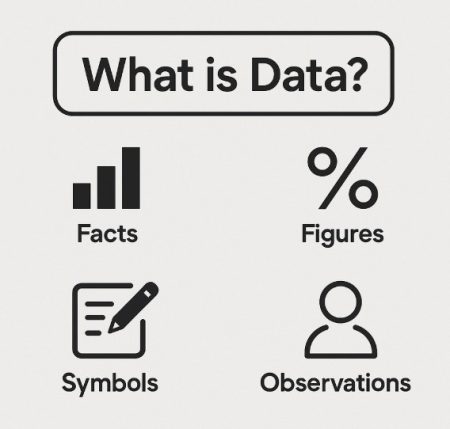
Information refers to data that is processed, organized, and structured in a way that it becomes meaningful and useful. It is more than just raw data; it is the result of interpreting, analyzing, and presenting facts in a manner that can inform decisions, actions, or understanding. In essence, information is knowledge in context. It helps individuals and organizations make informed choices, solve problems, and understand the world around them. Information can take various forms, from written text, numbers, and images to sounds, symbols, and digital formats.
In today’s digital age, information is abundant and constantly flowing through various channels, including the internet, media, and communication networks. It plays a critical role in almost every aspect of life, from business and education to healthcare and governance. Its importance cannot be overstated, as accurate and timely information is key to innovation, growth, and effective decision-making. Whether it’s for personal use, professional purposes, or societal benefits, information shapes our choices, influences our behavior, and ultimately impacts the development of the world around us.
The Need for Information
In our rapidly changing world, information has become one of the most vital resources for individuals, businesses, and societies. From the most basic decisions to complex global strategies, the need for accurate, timely, and relevant information is undeniable. Whether we are making personal choices, advancing technological innovations, or crafting government policies, the quality and availability of information directly influence the outcomes of our actions.
- Empowering Personal Decisions: On a personal level, the need for information is evident in the daily decisions we make. From choosing what to eat to understanding how to manage our finances or making health-related decisions, information is essential. For instance, when deciding what car to purchase, individuals gather information about prices, features, fuel efficiency, and consumer reviews. Similarly, health-conscious people often turn to medical information to learn about different exercise regimens, diets, or treatments. The accuracy and accessibility of this information can mean the difference between success and failure in achieving one’s goals.
- Enhancing Business Success: For businesses, the need for information is even more critical. In a highly competitive global market, companies rely on data to drive strategies, improve operations, and understand customer needs. Information guides business decisions at every level, from product development and marketing to human resources and customer service. A simple example is how companies use market research to understand consumer preferences, allowing them to tailor products and services to meet those demands. Financial data, competitive analysis, and performance metrics help businesses navigate uncertain economic landscapes and plan for future growth.
The global reach of digital platforms has further amplified the need for information in business. Companies must stay on top of real-time data, trends, and feedback to maintain a competitive edge. Information systems, including customer relationship management (CRM) and enterprise resource planning (ERP) tools, allow businesses to organize and analyze vast amounts of data to make informed decisions. - Information in Government and Policy Making: At a broader level, governments rely heavily on information to govern effectively and ensure the well-being of their citizens. Accurate demographic data, economic trends, and public health information help policymakers craft laws, allocate resources, and respond to emerging crises. For instance, during a public health emergency like a pandemic, the availability of up-to-date medical information, transmission rates, and vaccination coverage is critical to managing the situation.
Governments also depend on information to make decisions about infrastructure, education, public safety, and national security. Without reliable data, public policies may fail to address the real needs of society, and resources could be misallocated. Transparent, accessible information fosters trust and accountability between governments and the public. - The Role of Information in Education: In the realm of education, information is indispensable for learning and knowledge acquisition. Whether in formal education or self-directed learning, the need for information drives intellectual growth and innovation. Students rely on textbooks, research, and online resources to deepen their understanding of subjects. Similarly, educators require up-to-date information to deliver relevant and effective teaching strategies. Furthermore, in a globalized world, access to information allows individuals to continue learning throughout their lives, leading to personal empowerment and greater economic opportunities. The internet has revolutionized education by providing open access to a vast amount of knowledge, making learning more accessible and flexible than ever before.
- The Role of Technology in Information Accessibility: The digital age has transformed the way information is generated, stored, and shared. The proliferation of the internet, social media, and mobile technology has increased the availability of information on an unprecedented scale. Information flows continuously through various channels, from news outlets and blogs to social networks and online databases. However, while this explosion of data is beneficial, it also brings challenges, such as information overload and misinformation.
In the face of this overwhelming volume of information, individuals and organizations must develop critical information literacy skills to assess the reliability and relevance of sources. The ability to filter useful information from noise is essential in ensuring that decisions are based on accurate data. - The Need for Information in Crisis Management: The importance of information is especially highlighted in times of crisis. Whether in natural disasters, economic downturns, or political unrest, information is essential for effective response and recovery. Governments, humanitarian organizations, and businesses rely on real-time data to assess the situation, deploy resources, and communicate with the public. For example, during a natural disaster like a hurricane, timely information about weather conditions, evacuation routes, and safety measures can save lives. Similarly, in the aftermath of such a crisis, information about available aid, infrastructure damage, and recovery efforts is crucial for rebuilding communities.
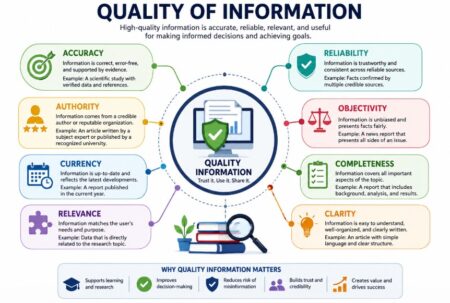
The need for information is integral to every facet of modern life. From making daily decisions to shaping national policies, information underpins our ability to understand and navigate the world. In business, education, healthcare, governance, and personal growth, the right information at the right time can make all the difference. As technology continues to evolve and the world becomes more interconnected, the demand for accessible, reliable, and meaningful information will only increase. The challenge, then, is not just to collect information but to ensure its quality, accuracy, and accessibility so it can be used effectively to improve lives and drive progress.
Importance of Information
Information is a cornerstone of human progress and a vital element in nearly every aspect of life. Whether it is for making decisions, improving efficiency, fostering creativity, or solving problems, information plays a critical role in shaping how individuals and organizations navigate the complexities of the world. In today’s fast-paced and interconnected society, the importance of information cannot be overstated. It is the fuel that drives industries, economies, governments, and personal growth.
- Enabling Informed Decision-Making: At the core of every decision-making process is the need for accurate and timely information. Whether individuals are deciding which career path to pursue, businesses are formulating strategies, or governments are drafting policies, having the right information ensures that decisions are made based on facts rather than assumptions or guesswork. In organizations, decision-makers use information to identify opportunities, anticipate risks, and optimize operations. Inaccurate or incomplete information can lead to poor decisions, which in turn can result in financial loss, inefficiencies, or even failure.
- Boosting Innovation and Problem-Solving: Information is essential for innovation and creative problem-solving. When individuals or teams face challenges, access to the right data allows them to explore solutions, evaluate alternatives, and design improvements. In fields like science, technology, and medicine, breakthrough innovations are often the result of collecting, analyzing, and interpreting information. For instance, scientific research depends heavily on the collection of data, the formation of hypotheses, and the testing of ideas—all of which are grounded in the use of information. Without it, progress in developing new technologies, medicines, or methodologies would be significantly hindered.
- Supporting Education and Knowledge Acquisition: The importance of information in education cannot be emphasized enough. Students, educators, and lifelong learners rely on information to acquire knowledge, develop skills, and expand their understanding of various subjects. In educational settings, teachers provide information that helps students grasp concepts, theories, and practical applications. In addition, the internet has revolutionized education by making vast amounts of information available to learners worldwide. This accessibility ensures that individuals have the tools they need to succeed academically and professionally. Furthermore, continuous access to up-to-date information allows people to remain competitive in an ever-changing job market.
- Enhancing Communication and Collaboration: In today’s interconnected world, communication relies heavily on information. Whether it’s a conversation between colleagues, a political debate, or an exchange between countries, the flow of information ensures that all parties are on the same page. Effective communication can lead to better collaboration and the pooling of ideas and resources, which can drive progress and innovation. In the workplace, sharing information enables teams to work more efficiently and achieve common goals. In global contexts, information is key to diplomacy, international trade, and cooperation between nations.
- Empowering Businesses and Organizations: Businesses across all industries rely on information to thrive. From understanding consumer behavior to monitoring supply chains, from tracking market trends to making strategic decisions, information is at the heart of business operations. Companies collect and analyze data to improve their products, enhance customer service, and develop marketing campaigns. Financial and operational data help businesses identify areas for cost-cutting, expansion, and growth. In the digital age, businesses that can effectively harness the power of information gain a significant competitive advantage, enabling them to respond quickly to changes in the market and make data-driven decisions.
- Facilitating Transparency and Accountability: In governance and public affairs, information is a critical tool for ensuring transparency and accountability. When governments make decisions, it is important for the public to have access to relevant information so they can understand the rationale behind those decisions and hold leaders accountable. Public access to information helps reduce corruption, fosters trust in institutions and ensures that policies are enacted for the benefit of the public. Similarly, in the corporate world, transparency about financial data, business practices, and company performance ensures that stakeholders, from employees to investors, can make informed judgments about an organization’s direction.
- Contributing to Economic Growth: On a macro level, information plays a central role in economic development. Economies thrive when accurate and reliable information is available to businesses, investors, policymakers, and citizens. Economic indicators, such as employment rates, inflation data, and trade statistics, help businesses and governments make informed decisions about investment, fiscal policy, and social welfare. In developing countries, access to information can significantly impact growth by improving access to education, healthcare, and market opportunities, contributing to higher standards of living and greater economic stability.
- Driving Global Connectivity: The importance of information extends beyond local or national contexts; it is a key enabler of global connectivity. The internet and modern communication technologies have made it easier than ever to share information across borders. Whether it’s in the form of news, research, entertainment, or educational content, the exchange of information has fostered a more interconnected world. This connectivity has facilitated international collaboration, accelerated technological advancements, and made it easier for individuals to share knowledge and experiences. As a result, access to information has become a key driver of globalization and the breaking down of cultural and geographic barriers.
- Protecting Personal and Public Safety: In times of crisis or emergency, the importance of information is especially apparent. Accurate and real-time information is crucial for protecting lives and ensuring safety during events like natural disasters, public health emergencies, or security threats. Governments, emergency responders, and individuals rely on information to take appropriate action and mitigate risks. For example, weather forecasts help people prepare for storms, while public health data informs responses to pandemics. In an interconnected world, information can help minimize the impact of disasters and guide recovery efforts.
The importance of information is profound and far-reaching. From guiding decisions and boosting innovation to supporting education, fostering communication, and driving economic growth, information is the lifeblood of progress. In every area of life, from personal growth to global governance, the need for accurate, timely, and relevant information is essential. As we continue to face new challenges and opportunities, the ability to gather, analyze, and use information effectively will remain a critical factor in shaping our future.
Why Information is Considered a Key Resource in Decision-Making Processes
Information is considered a key resource in decision-making because it provides the essential foundation for making well-informed, effective choices. In both personal and professional contexts, decisions are often complex, and the right information allows decision-makers to reduce uncertainty, evaluate alternatives, and foresee potential outcomes. Information enables individuals and organizations to make decisions that are grounded in facts, rather than assumptions or guesswork, thereby increasing the likelihood of successful outcomes.
For example, in business, a company like Apple uses market research and consumer behavior data to determine which new features to incorporate into their products. Information about customer preferences, buying patterns, and competitor strategies informs their decision to create innovative and competitive products that appeal to their target market. Similarly, a company analyzing its financial data will use information about past sales, operational costs, and profitability to decide where to allocate resources for the coming quarter, ensuring that the business remains profitable and sustainable.
In the healthcare sector, doctors rely on medical information to make treatment decisions. If a patient presents symptoms that suggest a potential health issue, the doctor will review the patient’s medical history, lab results, and current condition to diagnose the problem accurately and recommend the best course of action. Without such information, the doctor would be guessing, potentially leading to misdiagnosis or inappropriate treatments.
In government and public policy, accurate data is also crucial for making informed decisions. For instance, during a national election, political leaders and campaign teams use polling data, demographic information, and voter sentiment analysis to shape their messaging and focus their resources effectively. By having access to this information, they can better target their efforts to the issues that matter most to their constituents. Moreover, information helps in problem-solving by providing a clearer understanding of challenges and opportunities. By analyzing past data and patterns, decision-makers can anticipate future trends and make predictions about how different factors might play out. In retail, companies like Amazon use purchasing history and customer reviews to predict trends and adjust their inventory and supply chain operations. This foresight allows them to meet customer demand more efficiently and avoid stock shortages or excess inventory.
Information is a critical resource in decision-making because it empowers individuals and organizations to navigate uncertainty, explore options, and make choices that lead to favorable outcomes. It ensures that decisions are based on evidence, supporting more effective strategies and enhancing overall success. Whether in business, healthcare, or government, access to accurate and timely information ensures that decisions are made wisely and lead to better outcomes.
The Consequences of Having Incomplete or Incorrect Information in a Business or Academic Context
Having incomplete or incorrect information in business or academic contexts can lead to a range of negative consequences, which can be costly, damaging, and difficult to recover from. In both fields, decisions often rely heavily on accurate, comprehensive data. When that information is flawed or insufficient, the outcomes can be suboptimal at best or disastrous at worst.
In a business context, inaccurate or incomplete information can result in poor decision-making, financial loss, and reputational damage. For example, when a company makes strategic decisions based on incorrect market data, they may invest in products or services that do not meet consumer needs. This could lead to a loss of resources, declining sales, and, ultimately, a loss of market share. If a company misinterprets financial data or fails to account for hidden costs, it could lead to cash flow issues or even bankruptcy. Similarly, incomplete data about a competitor’s strategy could lead to misaligned pricing or marketing tactics, causing a business to fall behind in the market.
For instance, Blockbuster made the critical mistake of not recognizing the shift in consumer preference for digital streaming services, partly due to incomplete information about the future of digital media. In contrast, Netflix used accurate market research to understand changing customer demands, enabling them to evolve their business model and thrive. This failure to act on correct information led to Blockbuster’s downfall, while Netflix became a dominant player in the entertainment industry.
In an academic context, the consequences of incomplete or incorrect information can undermine the credibility of research, distort findings, and lead to flawed conclusions. For instance, if researchers base their studies on incomplete data or faulty methods, the results could be misleading, affecting not just their work but also future studies in the field. This can hinder scientific progress and misguide policy decisions, especially in critical areas like public health or environmental protection. Inaccurate or incomplete information in academic papers can also lead to reputational damage for scholars, loss of funding, or even legal repercussions if the error is significant enough to cause harm.
An example of this is seen in the research on climate change. For years, some companies and organizations have provided incomplete or misleading data about the impact of human activity on the environment. This has contributed to delays in addressing climate change effectively and has led to public confusion and policy stagnation. Incorrect or incomplete information in academic research has the potential to mislead governments, businesses, and individuals, resulting in misguided policies or actions.
Whether in business or academia, incomplete or incorrect information can have far-reaching consequences. It can lead to poor decision-making, lost opportunities, and even reputational damage. In business, it can result in financial loss, while in academia, it can distort research and impede knowledge advancement. Therefore, ensuring the accuracy, completeness, and reliability of information is crucial for achieving positive outcomes in both fields.
How Information Impacts Personal and Professional Development
Information plays a pivotal role in shaping both personal and professional development by providing the knowledge and insights necessary for growth, learning, and success. The right information can guide decisions, enhance skills, and open up new opportunities, helping individuals reach their full potential in various areas of their lives.
- Personal Development: In terms of personal development, information empowers individuals to make informed choices that contribute to their growth and well-being. For instance, access to educational resources allows people to expand their knowledge and improve their understanding of different subjects. Whether it’s learning a new language, developing new hobbies, or improving health and fitness, the information available through books, online platforms, or mentors plays a crucial role.
In addition, information about emotional intelligence, mental health, and personal finance helps individuals make better decisions in their personal lives. Understanding how to manage stress, build meaningful relationships, or budget effectively are all examples of how information can directly improve an individual’s quality of life and personal fulfillment. For example, someone who educates themselves about mindfulness and stress management techniques may experience improved mental health and well-being. - Professional Development: On the professional front, information is an essential resource for career advancement. Staying up-to-date with industry trends, acquiring new skills, and understanding the latest technological advancements are all critical for maintaining competitiveness in the workforce. Professionals who consistently seek new information and skills are better positioned for promotions, job changes, or entrepreneurial ventures.
For example, in the field of technology, professionals who regularly update their knowledge of programming languages, software tools, or IT systems are more likely to advance in their careers. In contrast, someone who fails to stay current with industry trends may find themselves at a disadvantage, risking stagnation in their career. Moreover, information about leadership, management practices, and networking strategies helps individuals build strong professional relationships and establish themselves as valuable assets within their organizations.
Information also influences career choices and transitions. Access to job market trends, salary data, and company reviews enables individuals to make more informed decisions about where to work, what roles to pursue, and how to negotiate better terms. Additionally, understanding how to tailor resumes or perform well in interviews is another way information directly impacts professional development. - Example of Professional Growth Through Information: An example of how information impacts professional development can be seen in the success of individuals in the field of digital marketing. Professionals who actively seek information about the latest SEO strategies, social media trends, and digital advertising tools are better equipped to adapt to the evolving digital landscape. As a result, they gain a competitive edge in the job market, increasing their chances of career advancement and success.
Information is the catalyst for growth and development in both personal and professional spheres. It allows individuals to learn, adapt, and make decisions that support their goals and aspirations. Whether it’s acquiring new skills, improving personal well-being, or advancing a career, the ability to access and utilize relevant information is key to continuous improvement and success. In today’s information-rich world, those who actively seek out and use information are more likely to thrive and achieve their full potential.
The Role of Information in Shaping Public Opinion and Policy
Information plays a central role in shaping both public opinion and policy by influencing how individuals perceive issues, make judgments, and take action. In the modern era, where the flow of information is constant and widespread through media, social platforms, and other channels, it has become a powerful tool for shaping societal views and guiding the decisions of policymakers.
In terms of public opinion, the information people receive shapes their understanding of current events, social issues, and political matters. Media outlets, news organizations, and social media platforms provide the data, facts, and narratives that influence how people view the world. For example, the way a news outlet frames a story about climate change, economic policy, or a public health issue can lead to varying interpretations among different segments of the population. Information, when presented with particular biases or in certain contexts, can sway public attitudes, either strengthening existing beliefs or challenging long-held opinions.
Social media platforms, in particular, play a significant role in shaping public opinion by enabling rapid information dissemination. The ability to share personal opinions, news stories, and experiences with a wide audience has transformed how people form views about political candidates, social movements, or national crises. Information from both reliable sources and misinformation can spread rapidly, often without proper verification, influencing public sentiment.
Regarding policy formation, information is crucial for guiding lawmakers and government officials in crafting effective and relevant laws and regulations. Policymakers rely on data, research, and expert opinions to understand the needs of the population, identify problems, and develop solutions. For instance, economic data on unemployment rates, inflation, or income inequality is essential for designing fiscal policies that address economic challenges. Similarly, public health data on disease prevalence, vaccination rates, and healthcare access informs policy decisions regarding public health initiatives and funding.
Public opinion also plays a significant role in shaping policy, as policymakers are often responsive to the needs and demands of the public. If a large portion of the population advocates for changes in policy—such as healthcare reform, environmental protection laws, or education funding—politicians and government officials may be more likely to introduce or amend legislation to reflect those views. Public opinion can, therefore, directly impact the direction of policy decisions as elected officials strive to align their actions with the interests of their constituents.
Why the Right Information, at the Right Time, is Crucial for Leadership Success
For effective leadership, having the right information at the right time is crucial because it directly impacts a leader’s ability to make informed decisions, guide their team, and drive success. Leadership involves navigating complex situations and managing diverse challenges, and the decisions leaders make can have significant consequences for their organization or team. The timing and accuracy of the information they rely on can determine whether they succeed or fail in achieving their goals.
Having timely, relevant information allows leaders to respond to emerging issues promptly and take proactive steps to mitigate risks. For instance, in a business context, a CEO who receives real-time financial reports and market trends can make swift adjustments to the company’s strategy in response to changes in the market. Without timely information, a leader may miss opportunities or fail to address problems until it is too late, resulting in negative outcomes like lost revenue or damaged reputation.
Accurate information enables leaders to make data-driven decisions that are aligned with the goals and vision of their organization. Whether it’s about resource allocation, team performance, or market conditions, the right information allows leaders to optimize their strategies, allocate resources efficiently, and align their team’s efforts with organizational objectives. For example, a leader in charge of a product launch needs to understand market demand, competitor strategies, and consumer preferences to guide their team’s efforts effectively. If they lack this information, they may end up investing in the wrong direction, leading to wasted time and resources.
Leaders also rely on information to communicate effectively with their teams and stakeholders. Transparent, accurate information fosters trust and ensures that everyone is on the same page. When leaders have access to the right information, they can provide clear direction and inspire confidence within their team. Conversely, if leaders are uninformed or receive inaccurate information, it can create confusion, erode trust, and undermine their authority.


11 Comments
Meaning of “when an old man dies a library burns”
I love the group and want to be part it as an under graduate of Library and Information Science.
I love to be part of this
The information is very importance in our life
I love to be part of this because information it has value
Information I can’t do without you
Good
I like
I l’île
write advantage of bank account
This blog post beautifully highlights the crucial role that information plays in our daily lives and the importance of Library and Information Science education. It’s enlightening to see how libraries not only preserve knowledge but also empower individuals to navigate the vast sea of information available today. I appreciate the insights shared here about the evolving responsibilities of librarians in the digital age. Great read!