The digitization of rare and fragile library resources has become an essential practice in the modern era of information management and preservation. Libraries house countless valuable materials, such as ancient manuscripts, rare books, historical documents, and unique archival collections, many of which are irreplaceable. For example, the Codex Sinaiticus, one of the oldest surviving manuscripts of the Christian Bible, is held in the British Library. This fragile manuscript, which dates back to the 4th century, is at risk due to its age and delicate condition. Digitizing this text not only preserves its content but also makes it accessible to scholars worldwide, facilitating ongoing research and study. Similarly, historical documents like the United States Declaration of Independence or ancient manuscripts from the Alexandrian Library represent irreplaceable pieces of human history that must be preserved.
These resources often face significant risks due to their age, physical deterioration, and vulnerability to environmental factors such as humidity, temperature fluctuations, and light exposure. As such, preserving them in their original form is becoming increasingly difficult. Digitization offers a powerful solution by creating high-quality digital copies that can be stored, accessed, and shared without compromising the integrity of the original items. For instance, the British Library’s Endangered Archives Programme has successfully digitized manuscripts from various parts of the world, allowing scholars to access these fragile texts remotely without jeopardizing their physical condition.
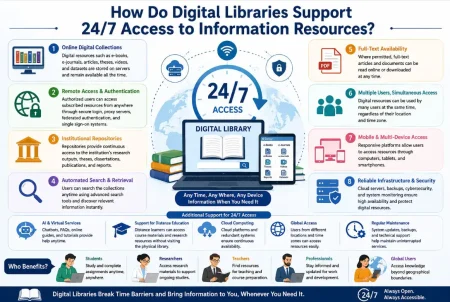
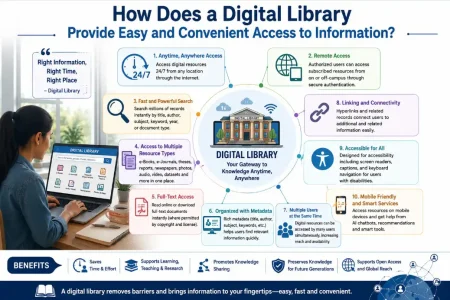
This not only ensures the long-term preservation of these materials but also enhances their accessibility, making them available to researchers, students, and the general public worldwide. For example, the Internet Archive has digitized millions of rare books, providing open access to these works online. Furthermore, digitizing fragile materials reduces the need for physical handling, which minimizes the risk of further damage. The Hemingway Letters Project, which digitized and transcribed Ernest Hemingway’s letters, serves as another example of how digitization can preserve important literary works while making them more accessible to a wider audience.
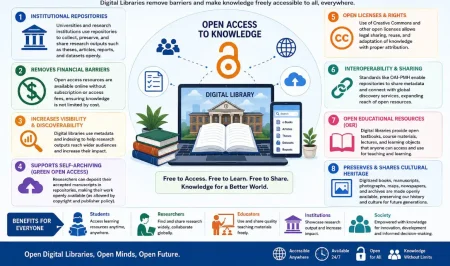
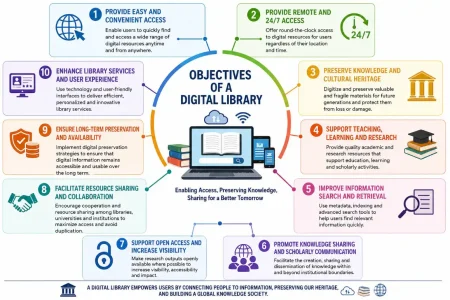
In addition to protecting and preserving cultural heritage, digitization plays a crucial role in democratizing access to knowledge, facilitating scholarly research, and supporting the continued relevance of rare resources in the digital age. The Gallica project by the National Library of France, which offers digital access to millions of French cultural materials, is an excellent example of how digitization can expand the reach of rare and fragile materials globally, enabling researchers and the public to engage with these works from anywhere in the world.
The Importance of Rare and Fragile Resources in Libraries
Libraries are vital institutions for preserving and sharing knowledge, and within their vast collections, rare and fragile resources stand out as some of the most irreplaceable and culturally significant materials. These resources encompass a wide range of items, including ancient manuscripts, first editions of books, rare maps, unique archival documents, and fragile historical records that offer a glimpse into the past. Their value is immeasurable, as they are not only windows to history but also critical tools for scholarly research, cultural preservation, and education.
- Cultural and Historical Significance: The cultural and historical importance of rare and fragile resources cannot be overstated. These materials often provide invaluable insights into the world’s history, languages, religious practices, and intellectual traditions. For example, the Codex Sinaiticus, one of the oldest surviving manuscripts of the Christian Bible, offers scholars a glimpse into early Christian texts that are crucial for understanding the origins of Christianity. These rare resources preserve not only the written word but the very essence of human civilization’s intellectual and cultural evolution.
In addition to their historical value, rare resources often serve as key documents that validate the authenticity of various events, discoveries, or periods. Early scientific texts, medieval manuscripts, and personal letters from historical figures can help researchers and historians reconstruct lost knowledge, verify facts, and fill gaps in our understanding of past societies. Through the careful preservation of these documents, libraries maintain a crucial part of our cultural heritage, ensuring that future generations can access and learn from the same resources. - Essential for Scholarly Research: Rare and fragile library resources are indispensable for academic and scholarly research. For scholars across various disciplines—history, literature, theology, archaeology, and the arts—these materials are a primary source of information that cannot be replaced by secondary sources or digital reproductions. Many research projects require direct access to original documents to maintain the authenticity and accuracy of findings. For instance, literary scholars often examine the original drafts or letters of famous authors to understand their creative process and thought evolution. Ernest Hemingway’s letters, preserved as part of The Hemingway Letters Project, provide invaluable insight into his life, struggles, and writing technique, enabling scholars to deepen their understanding of his works.
Moreover, rare resources allow researchers to engage with materials that have not been widely reproduced or digitized. Early books, handwritten manuscripts, and rare maps provide a unique perspective that helps scholars make original contributions to their fields. These resources hold knowledge that may be lost in time if not preserved, making them vital for future generations of researchers. - Preservation Challenges: Despite their immense value, rare and fragile resources face significant challenges in terms of preservation. Many of these items are centuries old and are at risk of deterioration due to the passage of time. Paper can become brittle, ink can fade, and bindings can crumble. Environmental factors such as light exposure, temperature, humidity, and pests can accelerate these processes, threatening the survival of these delicate materials. For example, a book from the 16th century, with its fragile pages, may be easily damaged by improper storage or handling. Without proper care, these invaluable resources could be lost forever.
Additionally, frequent handling by researchers or the public increases the risk of wear and tear. While the importance of direct access to these materials cannot be understated, every interaction with them can contribute to their eventual degradation. Libraries must, therefore, strike a delicate balance between providing access and protecting the integrity of the resources. Protective measures such as climate-controlled storage, limited handling, and digitization are essential for preserving the physical condition of rare materials. - Digitization: A Solution for Preservation and Access: One of the most effective ways to preserve rare and fragile resources is through digitization. By creating high-quality digital copies of these materials, libraries can protect the original documents from further damage while making them more accessible to a wider audience. Digitization allows scholars, students, and the general public to access rare resources remotely, without the need for physical interaction. Projects like the Internet Archive have made millions of books and documents available online, making it easier for researchers to study rare materials without risking their physical deterioration.
Digitization also enables libraries to store copies of rare resources in secure digital formats, safeguarding them against potential disasters such as fires, floods, or theft. For example, the British Library’s Endangered Archives Programme has digitized a range of fragile materials, including historical manuscripts from parts of Africa, Asia, and Latin America. These digital records not only help preserve the materials but also make them available to scholars worldwide, fostering greater collaboration and research.
While digitization is an important preservation tool, it is not without its challenges. Ensuring the digital reproduction is of the highest quality and accurately reflects the original material requires careful attention to detail, advanced technology, and specialized knowledge. Furthermore, not all rare materials can be fully captured in digital form, especially if they contain unique features such as textures, margins, or hand-written annotations. However, when combined with careful conservation practices, digitization provides a way to extend the life and accessibility of these priceless resources.
The preservation of rare and fragile resources is of paramount importance in libraries worldwide. These materials are vital not only for their historical and cultural significance but also for their role in supporting scholarly research and education. While these resources face numerous challenges related to physical deterioration and accessibility, advances in preservation techniques, particularly digitization, offer promising solutions to protect and share them with future generations. Libraries play a crucial role in ensuring that these irreplaceable treasures remain available for study, research, and the enrichment of human knowledge, culture, and history. The ongoing efforts to preserve rare and fragile materials are essential for maintaining the legacy of human achievement and ensuring that future generations can learn from the past.
The Most Significant Challenges in Preserving Rare and Fragile Library Resources
Preserving rare and fragile library resources is an ongoing challenge that libraries face worldwide. These resources, which often include ancient manuscripts, historical documents, rare books, and delicate archival materials, represent irreplaceable knowledge and cultural heritage. However, they are vulnerable to the passage of time, environmental factors, and physical wear. As a result, libraries must navigate a range of significant challenges to ensure that these invaluable resources are protected for future generations.
- Physical Deterioration Over Time: One of the most prominent challenges in preserving rare library materials is the natural process of physical deterioration. Many of these resources, especially those made of paper, experience gradual degradation due to aging. The fibers of paper break down over time, becoming brittle and fragile. Inks can fade, and bindings can weaken or fall apart. Materials such as parchment and vellum, while more durable, are still subject to wear. Historical manuscripts or early printed books, which are often centuries old, face particular risks in this regard. Over time, the very structure of these items becomes compromised, and their ability to withstand handling and environmental conditions diminishes.
- Environmental Stressors: Environmental factors play a significant role in the deterioration of rare and fragile resources. Libraries house vast collections of materials in spaces that can be subject to fluctuations in temperature, humidity, and light, all of which accelerate the decay process. High humidity can cause paper and leather to swell, leading to mold growth and staining, while dry conditions can lead to brittleness and cracking. Likewise, exposure to light, whether natural or artificial, can cause fading, discoloration, and irreversible damage to delicate items. For example, old maps, prints, and textiles often lose their vibrancy and clarity when exposed to excessive light. Maintaining an optimal, stable environment with controlled temperature and humidity is therefore essential, but it requires significant investment in climate control systems, and even then, the resources may be vulnerable to extreme weather conditions such as heatwaves or storms.
- Handling and Access: Another challenge in preserving rare materials is ensuring that these resources remain accessible to researchers and scholars without compromising their physical condition. Frequent handling of fragile materials increases the risk of physical damage, such as tears, stains, or abrasions. Even the oils and dirt from human hands can contribute to the degradation of delicate materials. Libraries often implement strict guidelines for the handling of rare resources, such as providing gloves for users and limiting the amount of direct contact. However, these measures can reduce accessibility, and researchers may find it difficult to access the materials they need without restrictions. While digital access through scanning and digitization can help mitigate some of these concerns, the need for physical handling still remains an issue for many libraries.
- Limited Storage and Protection: Proper storage is a critical component of preserving rare materials, but many libraries face significant challenges in providing suitable storage conditions. Rare books and manuscripts often need to be stored in specially designed environments, such as acid-free boxes or custom shelving that minimizes stress on the materials. Without these protective measures, rare resources are more likely to suffer from environmental exposure, improper handling, or physical damage. Moreover, many libraries struggle with limited space, and the sheer volume of rare items in need of protection can overwhelm available storage options. Improper storage, such as keeping materials on metal shelves that can corrode or placing items in environments with fluctuating humidity, can accelerate the deterioration of fragile materials.
- Financial Constraints and Resource Allocation: The preservation of rare and fragile library resources is an expensive undertaking, and many libraries face significant financial constraints that hinder their ability to carry out comprehensive preservation efforts. The costs of climate control, conservation treatments, specialized storage, and digital scanning can be prohibitively high. Additionally, maintaining a staff of skilled conservators, archivists, and technicians, who are trained in the preservation of rare materials, is a significant ongoing expense. As libraries compete for funding with other areas of academic and public services, preservation efforts often take a backseat to more pressing needs. Without proper funding, libraries may struggle to keep up with the growing demands of preserving and safeguarding their collections.
- Technological Limitations in Digitization: While digitization offers a promising solution for preserving and making rare materials accessible, it is not without its challenges. Creating high-quality digital reproductions of fragile resources requires specialized equipment, skilled personnel, and significant time investments. Additionally, not all materials can be easily digitized. Items that are highly fragile, such as documents with delicate inks, textured surfaces, or unique bindings, often present technical difficulties that make the digitization process complex. Even with the most advanced technology, capturing the full depth and nuance of a rare manuscript or piece of art can be difficult. Moreover, the cost of digitization projects can be prohibitively high, and libraries often struggle to secure the funding necessary to undertake large-scale digitization initiatives.
- Disaster Risk and Accidents: Natural disasters such as fires, floods, and earthquakes pose a severe threat to rare and fragile library materials. Despite careful preservation efforts, libraries remain vulnerable to unforeseen events that could destroy irreplaceable resources. Fires, for instance, can quickly devastate a library’s collection, and floods can ruin documents, especially those made of paper, beyond repair. The risk of theft, vandalism, and other accidents also remains ever-present, and libraries must continuously invest in security measures to protect their collections. While digitization and cloud storage offer a safety net, they cannot fully replace the physical preservation of rare materials. Libraries need comprehensive disaster preparedness plans and backup systems to ensure the protection of these resources in times of crisis.
- Legal and Ethical Considerations: Preserving rare resources also brings legal and ethical challenges, particularly in relation to access and copyright. Many rare items are subject to copyright laws, and there may be restrictions on their reproduction or distribution. Additionally, some rare materials, especially those related to indigenous cultures or sensitive historical events, may require careful consideration of privacy, ownership, and cultural sensitivity. Libraries must navigate these legal and ethical considerations when digitizing or making rare resources available to the public, ensuring that they do not infringe on rights or cause harm. Balancing the desire for broader access with the need to protect the rights of those who own or created the materials can be a delicate issue.
Preserving rare and fragile library resources is a multifaceted challenge that requires careful consideration of physical, environmental, financial, technological, and ethical factors. As libraries continue to care for these invaluable materials, they must adapt to evolving technologies and preservation techniques while grappling with limited resources. Addressing these challenges requires collaboration, innovation, and substantial investment to ensure that rare resources are protected for future generations and remain accessible to scholars and the public.
The Contribution of Digitization to the Long-Term Preservation of Historical and Cultural Materials
Digitization plays a crucial role in the long-term preservation of historical and cultural materials in libraries, ensuring that these invaluable resources remain accessible for future generations. Many rare and fragile materials, such as ancient manuscripts, early printed books, and delicate archival documents, are highly susceptible to deterioration due to age, environmental factors, and the wear and tear caused by frequent handling. Digitization provides a means to protect these materials by creating high-quality digital reproductions that capture the full content and detail of the originals without the risk of physical damage. By transferring fragile items to a digital format, libraries can reduce the need for direct interaction with the physical documents, thereby preserving them from further degradation caused by light exposure, fluctuations in temperature and humidity, and human contact.
In addition to protecting the physical integrity of the materials, digitization also ensures their long-term survival by creating secure digital copies that can be stored in various formats, such as cloud storage or institutional digital archives. These digital backups offer protection against potential disasters, such as fires, floods, or theft, which could otherwise result in the permanent loss of rare materials. As digital technologies continue to improve, these stored copies can be updated and preserved in newer formats, ensuring that they remain accessible even as technological platforms evolve over time. Moreover, digitization enhances the accessibility of historical and cultural materials by making them available to a wider audience. Researchers, students, and the general public can access digitized resources remotely, breaking down geographical and financial barriers that may have previously limited access to these materials. Digitized collections can be made available online, allowing for global access to rare texts, manuscripts, and archival materials that were once confined to the walls of a library. This expanded access not only promotes greater scholarly research and cultural engagement but also helps to preserve these materials in a way that is sustainable and broadly beneficial.
The Role of Digitization in Protecting Rare and Fragile Materials from Physical Deterioration
Digitization plays an essential role in protecting rare and fragile materials from the physical deterioration and damage that often threaten their survival. Over time, materials such as ancient manuscripts, rare books, and delicate archival documents are subject to wear and tear due to factors such as aging, environmental conditions, and frequent handling. Paper becomes brittle, ink fades, and bindings weaken, making these resources increasingly vulnerable to irreversible damage. Digitization provides a solution by creating high-quality digital copies that preserve the content of these materials in a format that is not affected by physical wear. These digital versions allow libraries to reduce the need for physical handling, which in turn minimizes the risk of tears, stains, and other forms of damage that occur when fragile materials are touched.
By transferring rare and fragile materials to a digital format, libraries can store and protect these items in controlled environments, such as secure servers or cloud-based systems. This digital storage provides protection against environmental stressors, such as fluctuations in temperature, humidity, and light exposure, which are common contributors to the degradation of physical materials. In contrast to physical documents, digital files are not susceptible to the same forms of deterioration, ensuring that the information contained in rare resources is preserved long-term. Additionally, digital copies can be backed up and replicated across various storage locations, providing an added layer of security against physical disasters like floods, fires, or theft that could otherwise destroy irreplaceable items.
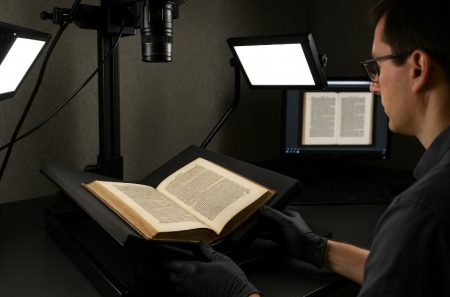
Digitization also enables the creation of high-resolution images that capture the fine details of fragile materials, preserving them in a way that can be accessed and studied without further exposing the originals to the risks of physical handling. For example, high-quality scans or digital photographs of rare documents can reveal intricate details, such as handwritten annotations or faded text, that might otherwise be lost due to degradation. In this way, digitization not only protects rare materials from further physical damage but also ensures that their value and historical significance are preserved for future research, study, and public engagement.
Key Technological Advancements in the Digitization of Rare Materials
In recent years, significant technological advancements have made the digitization of rare materials more feasible, efficient, and accessible. These innovations have played a pivotal role in the preservation and dissemination of historical and cultural resources, allowing libraries and archives to safeguard their collections while making them available to a global audience. One of the most important advancements has been in scanning technology, particularly the development of high-resolution scanners and specialized imaging equipment. These scanners can capture intricate details of rare and fragile materials, such as handwritten text, faded ink, and delicate illustrations, with precision that was previously unattainable. High-resolution digital scans ensure that every detail of the original document is preserved, enabling scholars to study these materials in depth without risking damage to the physical items.
Another key advancement has been in the development of non-contact imaging technologies, such as digital photography and 3D imaging. These technologies are especially valuable for fragile materials like ancient manuscripts, maps, and artwork, as they do not require direct contact with the items. Non-contact scanning methods, such as infrared and ultraviolet imaging, allow libraries to capture features of the materials that are invisible to the naked eye, such as faded text or hidden markings. This technology not only protects the materials from physical wear but also enhances the ability to capture more complex information, enriching the digitization process.
In addition to improved scanning technologies, advancements in software and data storage solutions have made digitization more efficient and secure. Software tools for image processing, such as Optical Character Recognition (OCR), enable digitized texts to be searchable, making it easier for users to find specific information within rare books or manuscripts. Furthermore, cloud storage and distributed digital repositories allow libraries to securely store large volumes of digitized materials, ensuring that they are protected from physical disasters while being easily accessible to a global audience. The ability to back up and replicate digital files across various platforms has also enhanced the long-term sustainability of digitized resources, ensuring they remain accessible as technology evolves.
The advent of artificial intelligence (AI) and machine learning has brought about innovations in digitization, particularly in the field of automated transcription, content recognition, and image enhancement. AI algorithms can now assist in transcribing handwritten texts, recognizing damaged portions of a manuscript, and even enhancing the quality of faded or deteriorated images. These developments significantly reduce the time and cost involved in digitization projects, making the preservation of rare materials more achievable for institutions with limited resources.
Overall, technological advancements in scanning, imaging, software, data storage, and AI have transformed the digitization process, making it more feasible, accurate, and secure. These innovations have not only improved the preservation of rare and fragile materials but also expanded access to these resources, democratizing knowledge and allowing future generations to engage with cultural heritage in ways that were once unimaginable.
How do Libraries Ensure the Quality and Authenticity of Digital Reproductions in Libraries
Libraries employ a range of strategies and technologies to ensure the quality and authenticity of digital reproductions of rare and fragile resources. Since these digital copies serve as both a preservation tool and a means of increasing access to irreplaceable materials, maintaining their accuracy and fidelity to the originals is paramount. One of the primary methods libraries use to ensure quality is by utilizing high-resolution scanning and imaging technologies. Advanced scanners and cameras are employed to capture even the most minute details of a rare resource, such as fine text, images, and textures, in high-quality digital formats. This ensures that the digital reproductions accurately reflect the appearance and content of the original materials, maintaining their visual and informational integrity.
In addition to using high-resolution equipment, libraries often implement standardized imaging protocols to ensure consistency across digitization projects. These protocols include detailed guidelines on factors such as lighting conditions, color accuracy, and image resolution, all of which contribute to producing faithful digital reproductions. For example, libraries may employ color calibration tools and standardized lighting setups to prevent color distortions in digitized images, especially when dealing with rare works of art, manuscripts, or historical maps where color fidelity is crucial. Furthermore, multiple test scans may be conducted to evaluate the quality and precision of the digital reproductions before the full digitization process begins.
To further ensure authenticity, libraries often collaborate with experts in the field, such as conservators, archivists, and specialists in the specific materials being digitized. These experts are responsible for overseeing the digitization process to ensure that the materials are handled properly and that the digital copies accurately represent the original content. In some cases, libraries may use metadata standards to document the provenance and history of the resource, providing contextual information about the item’s authenticity and significance. This metadata is crucial for verifying the identity and origin of the materials and ensuring that the digital reproductions are correctly cataloged and recognized as legitimate copies of the original objects.
Another important aspect of ensuring the quality and authenticity of digital reproductions is the use of secure storage systems and digital preservation techniques. Libraries store digitized resources in formats that ensure their long-term viability, using widely accepted and robust file formats, such as TIFF (Tagged Image File Format) or PDF/A, which are designed for archiving. Additionally, the use of cloud-based or distributed storage systems enables libraries to create multiple copies of the digital files, ensuring redundancy and protection against data loss. Libraries also engage in regular digital preservation practices, such as periodic checks for file integrity and migrating files to newer formats as technology evolves, ensuring that the digital reproductions remain accessible and usable over time.
Digital reproductions of rare materials are often made accessible with usage guidelines to prevent unauthorized manipulation or reproduction. Libraries implement secure access controls, watermarking, and digital rights management (DRM) systems to protect the authenticity and integrity of their digital copies, ensuring that the resources are used in accordance with ethical standards and legal requirements.
The Future of Digitization for Rare and Fragile Library Resources: Emerging Technologies and Opportunities
The future of digitization for rare and fragile library resources holds great promise, fueled by rapid advancements in technology that are set to enhance both the quality and efficiency of the digitization process. As libraries continue to face the challenges of preserving invaluable historical and cultural materials, emerging technologies are providing innovative solutions to make the preservation of rare resources more effective, scalable, and accessible. One of the most exciting developments is the continued evolution of scanning and imaging technologies. Future advancements in 3D scanning, for example, will enable libraries to capture not only the visual content of rare materials but also their physical structure, such as texture and depth. This will be especially valuable for materials like ancient manuscripts, sculptures, and rare maps, where preserving the tactile aspects of the original work is as important as documenting its visual features.
In addition to improvements in imaging, artificial intelligence (AI) and machine learning are poised to revolutionize the digitization of rare materials. AI algorithms can assist in transcribing handwritten texts, deciphering faded ink, and even recognizing and reconstructing missing or damaged portions of manuscripts. Machine learning models can be trained to detect patterns and anomalies in the materials, helping to automate the identification of unique features and enhancing the accuracy of digitization. For instance, AI-driven software can be used to restore damaged pages or improve the legibility of scanned texts, reducing the time and manual effort required by conservators. AI’s ability to rapidly process and analyze large volumes of data will also make large-scale digitization projects more feasible, allowing libraries to digitize vast collections more efficiently.
Emerging technologies in data storage and cloud computing will also play a significant role in the future of digitization. As more libraries digitize their collections, the need for secure, scalable, and accessible storage solutions will continue to grow. Cloud-based systems and decentralized digital archives will enable libraries to store and manage their digital resources with greater ease, ensuring that they are protected from data loss or hardware failure. Furthermore, these technologies will facilitate greater collaboration between libraries, museums, and other cultural institutions, allowing them to share digitized collections across borders and expand access to rare materials on a global scale. Open-access platforms and digital repositories will continue to democratize access to cultural heritage, ensuring that scholars, students, and the general public can engage with these resources from anywhere in the world.
Another area of innovation is in the development of augmented reality (AR) and virtual reality (VR) technologies, which will allow users to interact with digital reproductions of rare materials in immersive ways. For example, VR technology could allow researchers to “walk through” historical manuscripts or view rare objects in 3D, providing an unprecedented level of engagement and study. Such technologies could also be used for virtual exhibitions, offering global audiences the chance to explore digitized collections from renowned libraries and archives without the need for physical access.
As digital preservation continues to evolve, libraries will also benefit from advancements in blockchain technology. Blockchain could provide a secure, transparent way to document the provenance and authenticity of digital reproductions, ensuring that the ownership and history of rare resources are preserved in an immutable ledger. This would enhance trust in the digital preservation process and allow for better protection of intellectual property.
In conclusion, the future of digitization for rare and fragile library resources is brimming with possibilities. Emerging technologies such as AI, machine learning, 3D scanning, AR/VR, cloud computing, and blockchain are transforming the way libraries approach preservation and access. These innovations will make digitization more accurate, efficient, and accessible, ensuring that rare and fragile materials are preserved for generations to come while remaining available for global exploration and study. As technology continues to evolve, libraries will have even more powerful tools at their disposal to protect and share the cultural treasures that form the foundation of human knowledge and heritage.