In today’s rapidly evolving information landscape, the role of library professionals has expanded beyond traditional information management to embrace the digital age. Information and Communication Technology (ICT) skills have become essential to their expertise, enabling them to effectively manage, organize, and deliver resources in an increasingly digital environment. Library professionals must be proficient in using library management systems, digital cataloging tools, and various software platforms that aid in information retrieval, content management, and user interaction. Furthermore, they must possess a solid understanding of data security, digital preservation techniques, and metadata standards to ensure the integrity and accessibility of digital collections. As libraries increasingly integrate cloud-based services and online resources, proficiency in cloud computing, digital archiving, and system administration becomes vital. In addition to technical competencies, library professionals must also be equipped with strong digital literacy skills to support users in navigating digital resources, fostering a culture of information literacy. Knowledge Required for Library Professionals
The Role of ICT Professionals in Modern Library
In modern libraries, the role of ICT professionals has become increasingly critical as libraries evolve into dynamic centers of digital information and knowledge. These professionals are responsible for implementing, maintaining, and troubleshooting the technological infrastructure that supports a library’s digital resources, ensuring that both staff and users can access and manage information efficiently. One of their key roles is to oversee the installation and operation of library management systems (LMS), such as Koha or Ex Libris, which streamline the cataloging, circulation, and management of physical and digital collections. Through these systems, ICT professionals enable libraries to track resources, provide access to e-books and online journals, and enhance user experience through self-checkout kiosks and online catalogs.
ICT professionals are pivotal in ensuring the digital preservation of library collections. As more libraries move toward digitizing their archival materials, these professionals play a critical role in safeguarding historical records, rare manuscripts, and other valuable resources for future generations. They apply techniques for data migration, file format standardization, and managing digital repositories, ensuring that content remains accessible and readable as technology advances. For example, an ICT professional might oversee the digitization of local historical documents, making them available to the public through online archives.
In addition to technical duties, ICT professionals also train library staff and users on new technologies and systems. For example, when libraries implement new e-learning tools or introduce digital reading platforms, ICT professionals provide training on how to effectively use these resources, bridging the knowledge gap for users with varying levels of digital literacy. They also help in developing user-friendly interfaces for library websites and apps, making it easier for patrons to access services such as online book requests, remote access to resources, and virtual reference services. Furthermore, ICT professionals ensure the security and privacy of library systems and user data. With libraries handling a vast amount of personal information, ranging from library card details to user preferences, they implement cybersecurity measures like encryption and access control to protect sensitive data from unauthorized access or cyberattacks.
The role of ICT professionals in modern libraries is multifaceted and crucial to the success and accessibility of library services in the digital era. Their work ensures that libraries remain at the forefront of technological advancement, providing seamless access to both traditional and digital resources, safeguarding collections, and supporting the continuous growth of digital literacy among users.
What Technical Skills Are Essential for Library Professionals in an ICT-Based Library Environment?
As libraries transition into the digital age, the role of library professionals is rapidly evolving. In an ICT-based library environment, traditional library management tasks are increasingly dependent on technology, requiring professionals to develop a broad set of technical skills. These skills are necessary to manage the growing volume of digital content and ensure libraries remain relevant and accessible to the communities they serve. This article explores the essential technical skills library professionals need to thrive in today’s digital-first library landscape.
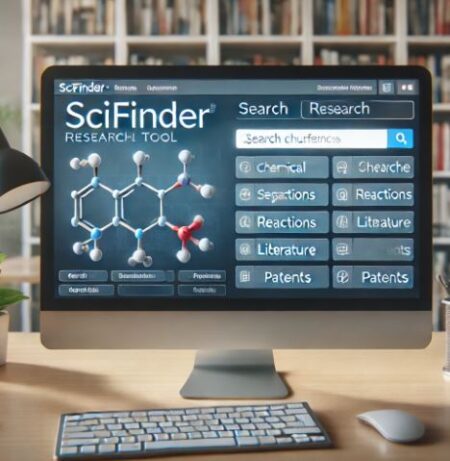
- Proficiency in Library Management Systems (LMS): Library Management Systems (LMS) are at the heart of modern libraries. These software platforms, such as Koha, Ex Libris, and Alma, facilitate the organization, cataloging, and circulation of both physical and digital resources. Library professionals must be adept at navigating these systems, understanding how they work, and utilizing their various features to track and manage library collections efficiently. Knowledge of LMS is foundational for a library professional, as it directly impacts day-to-day operations, from acquisitions to patron management.
- Metadata Standards and Cataloging Skills: As libraries embrace digital collections, the ability to manage and organize data efficiently becomes even more crucial. Library professionals must be familiar with metadata standards such as MARC (Machine-Readable Cataloging), Dublin Core, and RDA (Resource Description and Access). Metadata is the information that describes digital and physical resources, making it easier to retrieve and access them. Mastery of metadata standards ensures consistency in cataloging, enabling accurate search and retrieval of resources. With the increasing demand for digital content, expertise in cataloging and organizing digital materials is essential for maintaining a functional, accessible library.
- Database Management and Administration: In an ICT-based library, large amounts of data—ranging from bibliographic information to user data—are stored and managed in databases. Library professionals must understand how to administer and manage these databases effectively. Familiarity with relational database management systems (RDBMS) like MySQL or PostgreSQL, which allow the organization of large datasets and enable efficient querying, is vital. Additionally, understanding data integrity, backups, and optimization ensures that library systems remain reliable, fast, and secure.
- Digital Preservation Techniques: Digital preservation has become a critical aspect of modern libraries as more institutions digitize their historical and rare collections. Library professionals must be well-versed in digital preservation strategies, such as ensuring long-term access to digital files and mitigating the risk of data degradation over time. This involves knowledge of appropriate file formats, storage systems, and techniques for migrating digital content to newer formats as technology evolves. Digital preservation ensures that digital resources are accessible for future generations, making this an indispensable skill for library professionals working in ICT-based libraries.
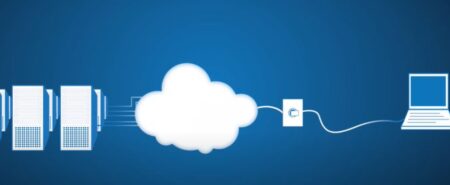
- Cloud Computing and Storage Solutions: As libraries expand their digital offerings, cloud computing has become an essential tool for managing and storing large volumes of data. Platforms like Amazon Web Services (AWS), Google Cloud, and Microsoft Azure enable libraries to store digital resources remotely, ensuring they are scalable and accessible from anywhere. Library professionals must be familiar with cloud storage solutions and understand how to leverage the cloud for hosting e-books, journals, and digital archives. Cloud-based systems offer enhanced collaboration, remote access, and more flexible storage options, making them invaluable to modern libraries.
- Networking and System Administration: The technical infrastructure of a library relies heavily on networks, hardware, and systems. Library professionals need to understand basic network management to ensure that users can access library resources without issues. They must also be able to troubleshoot connectivity problems, maintain stable Wi-Fi networks, and ensure that the library’s digital infrastructure is functioning properly. System administration knowledge is necessary for maintaining servers, ensuring the smooth operation of software, and resolving technical issues that may arise. Ensuring optimal network performance is crucial for providing uninterrupted access to digital resources.
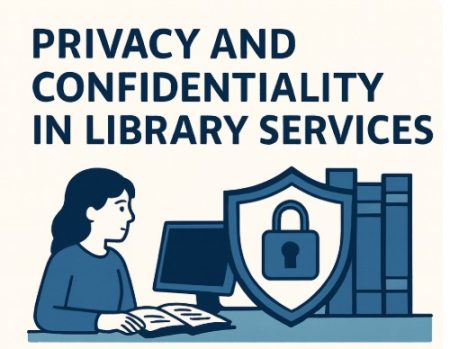
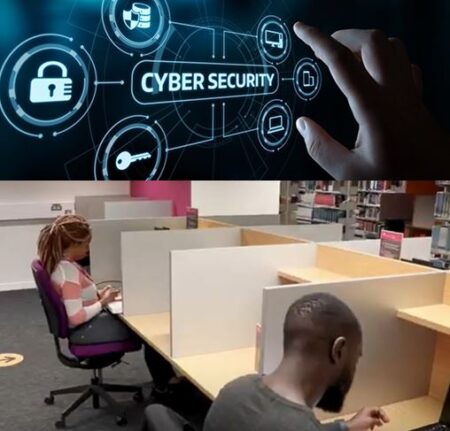
- Cybersecurity and Data Privacy: With the increased use of digital tools and platforms, libraries are more vulnerable to cybersecurity threats. Library professionals must have a strong understanding of data security practices to protect the library’s network and users’ sensitive information. This includes knowledge of encryption, firewalls, secure authentication methods, and data privacy regulations such as GDPR (General Data Protection Regulation). Implementing robust cybersecurity measures ensures that library systems remain secure and that user’s personal data is protected from unauthorized access and cyberattacks.
- Web Development and Content Management: Libraries now operate digital interfaces that facilitate access to resources, services, and information. Library professionals should possess basic web development skills, including knowledge of HTML, CSS, and JavaScript, to help design and manage the library’s website. Furthermore, familiarity with content management systems (CMS) such as WordPress or Drupal is valuable for updating web content, managing user interfaces, and ensuring the library’s online presence is user-friendly and accessible. These skills enable library professionals to enhance the user experience by maintaining modern, interactive, and informative web platforms.
- User Support and Troubleshooting: As libraries adopt more advanced digital resources, library professionals must be equipped to support users who may encounter technical difficulties. Troubleshooting issues related to accessing digital content, using online catalogs, or navigating library systems is an important aspect of a library professional’s role. They must be patient, resourceful, and knowledgeable enough to assist users with varying levels of technical expertise. Effective user support ensures that patrons can make the most of the library’s ICT services without frustration.
- E-Resource Management: Digital resources, such as e-books, online journals, and databases, are becoming increasingly central to library collections. Library professionals must be familiar with e-resource management systems, which involve handling licensing agreements, subscription management, and access control. Understanding the intricacies of digital rights management (DRM) and ensuring that e-resources are accessible to authorized users is a vital skill in an ICT-based library. Furthermore, professionals should be capable of troubleshooting access issues and ensuring the seamless integration of e-resources into the library’s catalog.
As libraries continue to evolve in response to the digital age, the role of library professionals is becoming more technology-dependent. The essential technical skills required for library professionals in an ICT-based environment include proficiency in library management systems, metadata standards, database management, digital preservation, cloud computing, network management, cybersecurity, web development, and user support. With these skills, library professionals can navigate the challenges of modern library systems, ensuring that libraries remain dynamic, efficient, and accessible in an increasingly digital world. Embracing these technical competencies will empower library professionals to deliver the best possible service to users and foster a culture of digital literacy and lifelong learning.
The Importance of Proficiency in Library Management Software for Library Professionals
Proficiency in library management software (LMS) is absolutely essential for library professionals in today’s digital age. As libraries shift from traditional manual systems to automated digital environments, the role of LMS becomes crucial in ensuring that libraries function efficiently and effectively. These systems are central to managing a wide array of library tasks, such as cataloging resources, managing circulation, handling acquisitions, and maintaining user records. Without a solid understanding of LMS, library professionals would struggle to keep up with the demands of modern library operations, which involve managing both physical and digital collections. Proficiency in LMS allows library staff to perform tasks more quickly, reduces errors, enhances user experience, and ensures that resources are accurately tracked and easily accessible to library users. Furthermore, LMS enables library professionals to automate routine tasks like inventory control, which frees up time for more value-added services, such as reference and instructional support.
Several LMS platforms are commonly used in libraries today, each offering unique features and functionalities suited to various library needs. Koha, an open-source system, is one of the most widely used LMS platforms. It is known for its flexibility and user-friendly interface, making it popular among libraries of all sizes. Alma by Ex Libris is another powerful LMS, which is particularly favored by academic and research libraries for its robust functionalities, including resource management, analytics, and integration with other tools. Symphony is another popular option that integrates seamlessly with other library services and is often chosen by larger library networks. Evergreen is another open-source platform used by many public libraries in North America, offering great customization options. Each of these systems has its strengths, but the underlying requirement is the same—library professionals must be proficient in whichever platform their library chooses to ensure smooth and efficient operations. Mastery of LMS not only enhances the internal efficiency of library services but also contributes to a better user experience, helping patrons access resources easily and quickly in a technology-driven world.
Staying Updated with Rapidly Evolving ICT Tools and Technologies
As the digital landscape continues to evolve, library professionals face the challenge of keeping up with rapidly changing Information and Communication Technology (ICT) tools and technologies. Staying updated is essential to manage the growing demand for digital resources and ensure that libraries remain relevant and accessible to their communities. To navigate this fast-paced technological environment, library professionals can adopt several strategies to stay informed and continuously enhance their technical skills.
One effective method for staying updated is through continuous professional development. Library professionals can take advantage of online courses, workshops, and certifications offered by various library associations, universities, and platforms like Coursera or LinkedIn Learning. These programs often focus on emerging technologies and provide a structured approach to learning new ICT tools, ranging from library management systems to advanced data analytics. Additionally, library conferences and seminars, such as those organized by the American Library Association (ALA) or the International Federation of Library Associations and Institutions (IFLA), provide excellent opportunities to learn from industry experts, network with peers, and stay abreast of the latest trends and technologies in the library sector.
Engaging in online communities and professional networks is another critical way to stay updated. Platforms like LinkedIn, Twitter, or specialized listservs create spaces where library professionals can discuss new ICT tools, share insights, and seek advice from others in the field. Blogs and forums dedicated to library technology also offer valuable resources and real-time updates about the latest tools and innovations. Following technology leaders in the library and information science field, such as experts on digital libraries, metadata management, and open-source software, allows library professionals to gain insights into current and future developments.
Hands-on experience plays a significant role in staying current with ICT tools. Library professionals can experiment with new technologies by participating in pilot programs, testing out new software, or using trial versions of tools before full implementation. This practical experience helps them become familiar with emerging technologies and better understand how to integrate them into their library systems. Many libraries also encourage staff to be part of user testing groups for new digital platforms, providing opportunities to gain firsthand knowledge of new systems and offer valuable feedback.
Another key strategy is collaborating with IT departments and vendors. Close cooperation with the library’s IT team ensures that library professionals are aware of any updates to existing systems and have a hand in selecting and implementing new technologies. IT professionals often have insights into the latest advancements in technology and can offer training or workshops to help library staff gain the necessary skills. Additionally, staying connected with vendors and developers of library management software or digital resources allows library professionals to receive product updates, training, and support for troubleshooting issues with newly adopted tools.