Introduction: Oral communication is the cornerstone of human interaction, encompassing the dynamic exchange of ideas, information, and emotions through spoken language. As a fundamental mode of expression, it underpins the fabric of society, enabling individuals to connect, collaborate, and share their thoughts with one another. From the earliest forms of storytelling passed down through generations to the modern-day realms of public speaking, interviews, and interpersonal dialogues, oral communication has been an intrinsic part of human civilization’s growth and progress. Its power lies not only in the words spoken but also in the nuances of voice modulation, facial expressions, and body language, all of which imbue messages with depth and meaning. Effective oral communication is not just a skill; it is an art that fosters understanding, builds relationships, and empowers individuals to engage confidently and persuasively in every aspect of their lives.
Meaning of Oral Communication
Oral communication refers to the process of transmitting information, ideas, or messages through spoken words, sounds, and vocal cues. It is a fundamental form of human communication and involves exchanging thoughts, feelings, and knowledge using verbal language. Oral communication can take place in various settings, such as face-to-face conversations, group discussions, presentations, interviews, speeches, phone calls, and video conferencing.
The effectiveness of oral communication relies on both the clarity of the speaker’s message and the listener’s ability to actively engage and comprehend the spoken information. In addition to spoken words, non-verbal cues, such as facial expressions, gestures, and body language, also play a crucial role in enhancing the meaning and impact of the message.
Oral communication is an integral part of everyday interactions, both in personal relationships and professional settings. Strong oral communication skills are essential for expressing ideas effectively, building relationships, resolving conflicts, collaborating with others, and succeeding in various aspects of life, including education, career, and social situations. Mastering oral communication empowers individuals to connect, persuade, and influence others in a profound and meaningful way.
Oral communication examples can be found in various aspects of daily life, professional settings, and social interactions. Here are some examples of oral communication in different contexts:
- Casual Conversation: Everyday conversations between friends, family members, or colleagues involve oral communication. Whether discussing weekend plans, sharing personal experiences, or catching up on news, casual conversations are an essential form of oral communication.
- Business Meetings: In the workplace, oral communication is prevalent during meetings. Participants discuss project updates, share ideas, propose solutions, and make decisions collaboratively. Effective oral communication in business meetings ensures clear understanding and fosters efficient teamwork.
- Classroom Discussions: In educational settings, oral communication is integral to classroom discussions. Students engage in debates, ask questions, and express their thoughts on various topics, promoting active learning and critical thinking.
- Public Speaking: Public speaking is a classic example of oral_communication. Whether giving a motivational speech, delivering a presentation, or addressing a large audience, effective public speaking involves captivating listeners and conveying the intended message persuasively.
- Job Interviews: During job interviews, candidates use oral communication to articulate their qualifications, skills, and experiences to potential employers. The ability to communicate confidently and clearly can significantly impact interview outcomes.
- Customer Service Interactions: In customer service roles, oral communication is essential for resolving inquiries, addressing complaints, and providing assistance. Customer service representatives need to communicate effectively to ensure customer satisfaction.
- Negotiations: Negotiations in various contexts, such as business deals or conflict resolution, heavily rely on oral communication. Effective negotiators use persuasive language and active listening skills to reach mutually beneficial outcomes.
- Phone Calls: Personal and professional phone calls are another form of oral communication. From catching up with loved ones to conducting business discussions, phone calls facilitate real-time conversations.
- Conference Calls: In the age of remote work and virtual collaboration, conference calls are prevalent for group discussions, brainstorming sessions, and decision-making processes.
- Social Media Live Streams: Social media platforms offer live streaming capabilities, allowing individuals and organizations to engage in real-time oral communication with their followers, answering questions or delivering announcements.
- Family Gatherings: Oral communication is essential during family gatherings, where relatives share stories, experiences, and news, strengthening family bonds.
- News Reporting and Broadcasting: Journalists and broadcasters use oral communication to convey news stories, keeping the public informed about current events.
These examples illustrate the diverse applications of oral_communication in different contexts, highlighting its significance in fostering understanding, building relationships, and driving progress in various spheres of life.
Importance of Oral Communication
Oral communication holds immense importance in our lives, playing a central role in how we connect, share information, and build relationships with others. From casual conversations with friends to formal business meetings and public speeches, oral communication shapes our interactions on a daily basis. Expressing ideas and thoughts verbally is essential for effective knowledge transfer, learning, and understanding. Through oral communication, we can articulate complex concepts, share personal experiences, and engage in discussions that expand our horizons and foster intellectual growth. Moreover, it allows us to connect with others emotionally, as the tone, pitch, and emphasis in our voices can convey our feelings and intentions, leading to stronger bonds and empathy.
In professional settings, the importance of oral communication cannot be overstated. It is a critical skill in advancing one’s career, as it influences job interviews, negotiations, and presentations. The ability to communicate clearly and persuasively enhances a professional’s credibility and leadership potential. In team environments, oral communication is vital for effective collaboration and efficient workflow. It enables team members to share ideas, resolve conflicts, and make decisions collectively, fostering a harmonious and productive work environment. Furthermore, effective communication is essential in client interactions, sales pitches, and networking, as it facilitates trust and fosters long-lasting business relationships.
Beyond the realm of work, oral communication plays a significant role in transmitting culture and preserving our traditions. Oral storytelling has been a primary method of passing down historical narratives, myths, and cultural values from generation to generation. It serves as a living repository of our collective memory, reinforcing our sense of identity and belonging. In social interactions, oral communication enables us to engage with others, express empathy, and share in each other’s joys and sorrows. The art of conversation nurtures our social skills, ensuring that we can navigate various social settings with confidence and ease.
Effective oral communication is also a cornerstone of leadership and advocacy. Influential leaders throughout history have utilized persuasive speaking to inspire change, galvanize movements, and lead their communities to progress. Politicians, activists, and educators use oral communication to rally support for their causes and disseminate information that shapes public opinion. In this way, oral communication becomes a force for positive change, driving societal advancements and addressing critical issues in our communities.
Furthermore, oral communication facilitates real-time feedback, allowing us to gauge the understanding and engagement of our audience. As we speak, we can observe their reactions and adjust our message to ensure clarity and relevance. Active listening, an integral part of oral communication, fosters mutual respect and understanding, encouraging open dialogue and promoting an inclusive and tolerant society.
Advantages of Oral Communication
Oral_communication offers numerous advantages in various aspects of life, both personally and professionally. Here are some key advantages of oral_communication:
- Immediate Feedback: When communicating orally, whether in a conversation, presentation, or public speech, speakers can receive instant feedback from their audience. This feedback is valuable as it allows speakers to gauge the audience’s comprehension, engagement, and emotional response to the message. Based on the feedback received, speakers can adjust their approach, rephrase points for clarity, or address any questions or concerns that arise, ensuring effective communication.
- Clarity and Emphasis: Oral_communication allows speakers to emphasize key points by using vocal variations like tone, pitch, and volume. These variations draw attention to essential information, making it easier for the audience to understand the central message. Moreover, verbal communication allows speakers to clarify points or elaborate on ideas, ensuring that the intended meaning is accurately conveyed.
- Non-Verbal Cues: In face-to-face oral_communication, non-verbal cues play a significant role in enhancing the message’s impact. Facial expressions, eye contact, gestures, and body language can convey emotions, attitudes, and intentions, providing additional context to the spoken words. Non-verbal cues also help establish rapport and trust between communicators, fostering a deeper connection.
- Spontaneity and Adaptability: Oral_communication is well-suited for spontaneous interactions and on-the-spot decision-making. In conversations and discussions, participants can respond in real-time, contributing to a dynamic exchange of ideas. The flexibility of oral_communication allows speakers to adapt their message based on the audience’s reactions, making the communication more relevant and relatable.
- Building Rapport and Relationships: Face-to-face oral_communication is particularly effective in building rapport and strengthening relationships. The presence of direct interaction fosters a sense of connection and humanizes the communication process. This personal touch encourages active listening and empathy, leading to more meaningful and authentic exchanges.
- Real-Time Interaction: Oral_communication facilitates immediate interaction, enabling real-time responses and feedback. This aspect is particularly valuable in group discussions, brainstorming sessions, and problem-solving activities, as participants can contribute and collaborate simultaneously.
- Persuasion and Influence: Skilled oral_communicators possess the ability to persuade and influence others effectively. By employing persuasive language, storytelling techniques, and emotional appeal, they can sway opinions, gain support, and inspire action, making oral communication a powerful tool in various professional contexts.
- Personal Touch: Oral_communication adds a personal touch to interactions, making the communication warmer and more engaging. The tone and inflection in the speaker’s voice can convey emotions and intentions, making the message more impactful and memorable.
- Enhancing Public Speaking Skills: Engaging in regular oral_communication, such as public speaking engagements or presentations, allows individuals to improve their public speaking skills over time. With practice, individuals can become more confident, articulate, and composed speakers, capable of delivering messages effectively to diverse audiences.
- Conflict Resolution: Oral_communication is essential in resolving conflicts and disagreements. By encouraging open dialogue, active listening, and empathetic understanding, parties involved in a conflict can express their concerns, find common ground, and work towards a resolution collaboratively.
- Team Collaboration: Effective oral_communication is vital for successful team collaboration. It allows team members to share information, exchange ideas, and contribute to discussions, fostering a cohesive and productive team environment.
Oral_communication offers a rich and interactive form of human interaction. It leverages the power of language, non-verbal cues, and immediate feedback to facilitate meaningful connections, effective collaboration, and successful communication across various personal and professional settings. By honing their oral communication skills, individuals can enhance their ability to express ideas, build relationships, and make a positive impact in both their personal and professional lives.
Disadvantages/Limitations of Oral Communication
While oral_communication offers many advantages, it also comes with some disadvantages and limitations. Understanding these drawbacks can help individuals become aware of potential challenges and work towards improving their communication effectiveness. Here are some disadvantages of oral communication:
- Lack of Record: One of the primary limitations of oral_communication is the absence of a tangible record. Unlike written communication, oral interactions do not leave behind a documented account of the conversation. This can lead to misunderstandings or discrepancies in recalling important details, making it challenging to refer back to specific information. To address this, individuals can follow up oral discussions with written summaries or use digital recording devices to maintain a record of crucial conversations.
- Limited Reach: Oral_communication is confined to those present during the interaction. It may not be practical for disseminating information to a wide audience, especially when dealing with remote or geographically dispersed individuals. To overcome this limitation, combining oral_communication with written materials, such as emails, memos, or presentations, can ensure information reaches a broader audience.
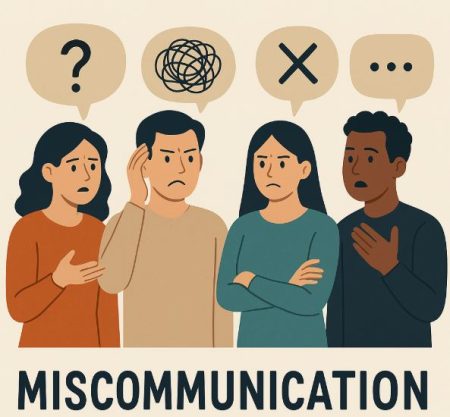
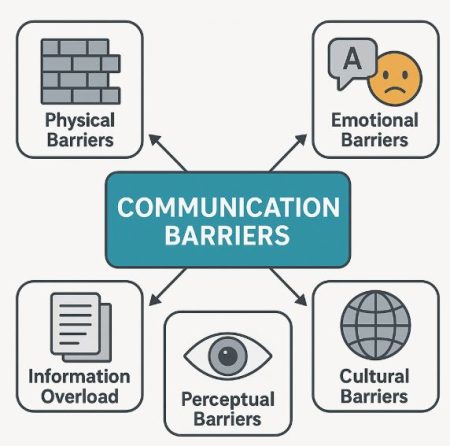
- Misinterpretation: The lack of written words or visual aids in oral communication can increase the risk of misinterpretation. Ambiguous language, cultural differences, or poor articulation can lead to misunderstandings and hinder effective communication. To mitigate this, speakers should strive for clarity, use visual aids when applicable, and encourage active listening to clarify any doubts or confusion.
- Memory and Recall: Listeners may struggle to retain and recall all the details shared during an oral_conversation, particularly in lengthy or information-heavy discussions. This can result in vital information being forgotten or misremembered. To address this limitation, speakers can reinforce key points, summarize important information, and provide written materials as supplementary resources.
- Time Constraints: In time-sensitive situations, such as meetings or presentations, oral communication may have inherent time limitations. This can limit the depth of discussion or hinder the opportunity for thorough elaboration. Practicing effective time management and structuring communication points can help speakers optimize their message delivery within the given time frame.
- Lack of Preparation: Spontaneous oral communication, such as impromptu speeches or unprepared responses, may lack structure and impact. To overcome this limitation, individuals can practice effective public speaking, enhance their subject knowledge, and prepare for anticipated discussions in advance.
- Language Barriers: Language differences in multicultural settings can pose significant barriers to effective oral_communication. Misunderstandings may arise due to language proficiency or unfamiliar expressions. Addressing this limitation involves employing simple and clear language, using visual aids, and encouraging open dialogue to ensure mutual understanding.
- Noise and Distractions: Background noise or distractions can disrupt oral_communication, making it challenging for listeners to focus on the message. Choosing appropriate environments and reducing distractions during conversations can enhance communication effectiveness.
While oral communication has its limitations, it remains an indispensable and powerful means of human interaction. By recognizing these disadvantages and adopting strategies to address them, individuals can enhance their oral communication skills, foster effective exchanges, and build stronger connections with others. Combining oral communication with other forms of communication, such as written or visual methods, can create a comprehensive and dynamic communication approach that leads to successful interactions in diverse personal and professional settings.
Elements of Oral Communication
Oral communication, as a dynamic and essential form of human interaction, comprises several interconnected elements that work together to facilitate the exchange of information and ideas through spoken words. These elements, namely the sender, message, channel, receiver, and feedback, form the fundamental structure of oral communication, influencing the effectiveness and impact of the interaction. Understanding and mastering these elements is crucial to becoming a skilled communicator, capable of expressing thoughts clearly, engaging with others empathetically, and fostering meaningful connections in various personal and professional contexts. In this exploration of the elements of oral communication, we will delve into the significance of each component and how they contribute to successful communication outcomes.
The five elements of oral communication are:
- Sender: The sender is the person or entity that initiates the communication process by conveying a message to the receiver. They are responsible for formulating the message and choosing the appropriate means of delivery to effectively communicate their ideas, information, or emotions.
- Message: The message is the content or information that the sender intends to communicate to the receiver. It can be conveyed through spoken words, gestures, facial expressions, or any other form of non-verbal communication. The clarity and effectiveness of the message are crucial for successful oral communication.
- Channel: The channel refers to the medium through which the message is transmitted from the sender to the receiver. In oral communication, the primary channel is spoken language, but it can also involve non-verbal cues like body language, facial expressions, and tone of voice. Other channels may include telephone calls, video conferencing, or live streaming.
- Receiver: The receiver is the person or audience who receives and interprets the message from the sender. They play a crucial role in the communication process as their understanding and response determine the success of the communication. Active listening and paying attention to non-verbal cues are vital for the effective reception of the message.
- Feedback: Feedback is the response or reaction given by the receiver to the sender after receiving and interpreting the message. It helps the sender gauge the effectiveness of their communication and whether the message was understood as intended. Feedback can be verbal or non-verbal, and it facilitates a continuous and interactive communication process.
These five elements are interconnected and work together in the process of oral communication. The sender formulates a message and delivers it through a chosen channel, which is received and interpreted by the receiver. The receiver then provides feedback, allowing the sender to adjust their message if necessary. Effective oral communication relies on the seamless interaction and alignment of these elements to convey information accurately and foster understanding between communicators.