Library Technical Services refers to the behind-the-scenes processes that ensure the proper acquisition, organization, and maintenance of library materials. These services form the backbone of a library’s operational efficiency and include tasks such as cataloguing, classification, acquisition, processing, and preservation of both physical and digital resources. For instance, cataloguing involves creating detailed records for each item, such as books, journals, or multimedia, using metadata standards like MARC (Machine-Readable Cataloguing). An example is a library cataloguing a newly acquired textbook on environmental science, where the bibliographic information, such as author, title, edition, and subject classification, is meticulously recorded.
Classification, another vital task, helps organize resources in a way that facilitates easy retrieval. A common example is using the Dewey Decimal Classification (DDC) system to arrange books in a public library or the Library of Congress Classification (LCC) system used by academic libraries. For example, books related to computer science may be classified under 004 in DDC, making it easier for users to find all related materials in one section.
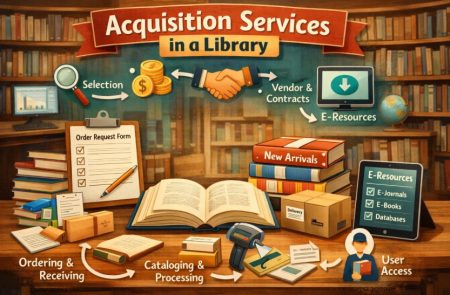
Acquisition processes in technical services involve selecting, ordering, and receiving library materials. This could include a library subscribing to an academic journal database like JSTOR or acquiring print books from a publisher. Processing involves tasks like labeling books with RFID tags or barcode stickers, which allow items to be tracked through the library’s circulation system. In addition to physical resources, managing digital collections and e-resources is a crucial responsibility of technical services. For instance, libraries often manage subscriptions to databases such as Scopus or PubMed. Technical services staff ensure that these databases are accessible to users by handling licensing agreements, creating user access systems (like OpenAthens for remote access), and troubleshooting any access issues.
Preservation is another key area, where materials are safeguarded from deterioration. This may involve repairing damaged books, digitizing fragile texts, or ensuring that older digital files are migrated to newer formats for continued access.
While much of the work in technical services occurs behind the scenes, its impact is evident in the seamless user experience libraries provide in accessing the vast array of information they house. This essential area of library work requires attention to detail, technical proficiency, and a deep understanding of information management standards. Without technical services, libraries would struggle to maintain the organized systems necessary to support their mission of providing users with easy access to knowledge.
What are Library Technical Services?
Library Technical Services refer to the essential behind-the-scenes functions that support the management, organization, and maintenance of library collections. These services ensure that library materials, whether print, digital, or multimedia, are systematically acquired, processed, organized, and preserved for efficient access by library users. Technical services encompass a wide range of activities, including cataloguing, classification, acquisition, processing, and preservation, which work together to make resources discoverable and accessible.
Cataloguing is one of the primary tasks in technical services, where detailed records are created for each library item. These records provide metadata such as the title, author, publisher, subject, and other relevant information to facilitate easy retrieval. Libraries often use standards like MARC (Machine-Readable Cataloguing) for organizing these records, enabling users to search and locate materials quickly. Classification, which involves grouping items by subject, is another critical aspect. Libraries typically use systems like Dewey Decimal Classification (DDC) or Library of Congress Classification (LCC) to organize resources in a logical and consistent manner, making it easier for users to find materials related to a specific topic.
In addition to cataloguing and classification, Library Technical Services handle the acquisition of new materials. This includes selecting, ordering, and receiving resources like books, journals, and electronic databases. For example, a library might subscribe to a digital journal or purchase textbooks relevant to current academic courses. Once acquired, materials undergo processing, which includes labeling items, adding RFID tags, or barcodes for tracking purposes, and entering them into the library’s circulation system.
Moreover, technical services manage the preservation of library materials, ensuring they remain in usable condition over time. This involves tasks such as repairing damaged books, digitizing fragile or rare items, and migrating digital files to newer formats to prevent obsolescence. Additionally, technical services play a significant role in managing digital resources and e-resources like e-books and databases, ensuring that access rights are maintained and that users can access these materials remotely, if applicable.
Ultimately, Library Technical Services are vital for the smooth operation of a library, as they ensure that collections are well-organized, accessible, and preserved. These services allow libraries to maintain efficient systems for managing resources, ensuring users have access to the information they need when they need it.
The Importance of Library Technical Services for Library Management
Library Technical Services are essential to the effective management and operation of any library, playing a critical role in the acquisition, organization, preservation, and accessibility of library resources. These services ensure that library collections, whether physical or digital, are systematically catalogued, classified, and maintained, making it easier for users to access the materials they need. Cataloguing is one of the core functions, where library staff create detailed records for each item in the collection, assigning metadata such as author, title, subject, and publication date. This organization is crucial for the smooth retrieval of materials, and established standards like MARC (Machine-Readable Cataloguing) are used to make the records accessible and compatible with library systems. Additionally, classification systems such as Dewey Decimal or Library of Congress Classification help group similar materials together by subject, enhancing the user experience by allowing them to easily locate related resources.
In addition to cataloguing and classification, Library Technical Services are responsible for acquiring new materials and managing the ongoing development of the collection. This includes purchasing books, subscribing to academic journals, and acquiring electronic resources like e-books and databases. Once new materials are acquired, technical services staff process them, labeling items with barcodes or RFID tags, entering them into the library’s circulation system, and ensuring they are ready for use. This process ensures that libraries continue to provide up-to-date and relevant resources to their users.
With the growing importance of digital resources, Library Technical Services also manage e-books, digital journals, and online databases. Staff ensure that users can access these resources remotely, often using systems like OpenAthens for secure off-campus access. Managing digital resources requires expertise in licensing agreements, access protocols, and digital preservation to ensure long-term usability. Preservation is another vital aspect of technical services, especially in libraries that hold rare or fragile materials. Whether it’s repairing physical books or digitizing old manuscripts, technical services help safeguard valuable resources for future generations. As libraries increasingly rely on digital formats, preserving digital collections also becomes a priority. Technical services staff work to ensure that files are backed up regularly and updated to newer formats, ensuring continued access to digital content.
By implementing efficient systems for cataloging, processing, and tracking materials, Library Technical Services also support the overall functioning of library operations. For example, barcode and RFID systems streamline circulation, helping staff manage borrowed and returned items with ease. These technologies reduce errors, improve efficiency, and enhance the user experience.
Ultimately, the work of Library Technical Services has a direct impact on the library’s ability to serve its users. By ensuring that resources are well-organized, current, and accessible, technical services play a fundamental role in making sure that library patrons can find and use the information they need. Whether supporting academic research, personal reading, or public knowledge, Library Technical Services are indispensable for the smooth operation and success of any library. As libraries continue to evolve, particularly with the increasing reliance on digital resources, the role of technical services will remain integral to their function and purpose.
What Specific Tasks Are Included in Library Technical Services?
Library Technical Services play a critical role in ensuring the smooth operation, management, and accessibility of library resources. These services cover a wide range of behind-the-scenes tasks, including cataloguing, classification, acquisition, processing, preservation, and managing digital resources. Additionally, the increasing use of technology has expanded the scope of technical services to include tasks like managing library websites, institutional repositories, and integrated library management systems (ILMS). These tasks are essential to maintaining a well-organized and accessible library system that meets the needs of its users. Below is an overview of key tasks within Library Technical Services, including those associated with modern technological tools.
- Cataloguing: Cataloguing remains one of the core tasks within Library Technical Services. It involves creating detailed records for library materials, including bibliographic information like author, title, publisher, publication date, and subject. By creating accurate catalog records, libraries ensure that their collections are discoverable and accessible to users. Cataloguing standards like MARC (Machine-Readable Cataloguing) or RDA (Resource Description and Access) are used to maintain consistency, allowing materials to be easily found through library catalogues or integrated systems. Proper cataloguing also aids in effective resource management, enhancing both physical and digital collections.
- Classification: Classification is another key task within technical services, where materials are organized by subject to make browsing and searching easier. Libraries use systems like Dewey Decimal Classification (DDC) or Library of Congress Classification (LCC) to group items by their subject matter. This helps ensure that related materials are placed together, making it easier for users to find all relevant resources on a particular topic. For instance, a book on environmental science in a university library might be classified under a specific subject number, allowing users to find all materials on that subject in one section.
- Acquisition: Acquisition refers to the process of acquiring new materials for the library’s collection. This includes selecting, ordering, and receiving resources such as books, journals, multimedia, and digital databases. Technical services staff assess the needs of library users, make purchasing decisions, manage budgets, and negotiate prices. Once materials are acquired, they are processed and entered into the catalogue, ensuring that the library’s collection is up-to-date and comprehensive. This is especially important for academic libraries, where the continuous acquisition of relevant, scholarly materials is crucial to supporting research and education.
- Processing: Once new materials are acquired, they must be processed to prepare them for use. Processing tasks include labeling materials with barcodes or RFID tags, checking the condition of items, and ensuring that they are properly catalogued. For example, books might be fitted with protective covers to preserve their physical condition, and media items like DVDs or CDs may be checked for proper labeling. Processing also includes ensuring that the library’s circulation system accurately tracks the materials, enabling easy borrowing and returning of items.
- Preservation: Preservation is a vital task in technical services, ensuring that materials—especially rare or fragile items—remain accessible for future generations. This task involves maintaining physical materials through proper storage, repair, and conservation techniques. For digital materials, preservation includes ensuring that files are regularly backed up, migrating old formats to newer ones, and ensuring continued access to digital resources. Libraries may also digitize old manuscripts, books, or archival materials to protect them from physical deterioration while providing easier access.
- Managing Digital Resources: As libraries increasingly transition to digital collections, managing digital resources becomes a key function within technical services. This includes acquiring, cataloguing, and maintaining e-books, online journals, databases, and multimedia files. Staff in technical services ensure that digital resources are easily accessible both on-site and remotely, using systems like OpenAthens for off-campus access. Proper management of digital resources involves dealing with licensing agreements, ensuring access rights, and providing users with the most current and relevant resources. Technical services are also responsible for ensuring the integrity and availability of digital content.
- Serials Management: Serials management involves overseeing periodicals, journals, and other serial publications, ensuring that new issues are received on time and properly catalogued. This task includes tracking subscriptions, handling renewals, and ensuring that materials are stored in an organized manner. Managing serials also requires monitoring usage statistics to ensure that the library’s journal collection aligns with user needs. This process ensures that library users have access to the most up-to-date and relevant research materials.
- Metadata Management: Metadata management is essential for making both physical and digital resources easily discoverable. Metadata refers to the descriptive, administrative, and technical information associated with library materials. Proper metadata management ensures that resources are indexed and accessible through library catalogs and digital repositories. Well-organized metadata improves searchability, helping users find the materials they need quickly and accurately. In the case of digital resources, metadata also supports the indexing of files for inclusion in databases and search engines.
- Collection Evaluation and Weeding: Over time, library collections may become outdated or underutilized. Collection evaluation and weeding are ongoing tasks within technical services to assess which materials should be retained and which should be removed. This ensures that the library’s collection remains relevant, up-to-date, and easy to navigate. Weeding may involve removing old editions, damaged materials, or resources that no longer serve the library’s mission. This process also provides an opportunity to identify gaps in the collection and make acquisitions accordingly.
- Library Website Management: With the growing importance of digital access, managing the library’s website is increasingly part of Library Technical Services. The library website serves as the primary interface between the library and its users, providing access to resources, services, and information about library hours and policies. Staff responsible for website management ensure that the site is user-friendly, up-to-date, and accessible. This includes maintaining links to digital resources, updating content, and ensuring that the website is optimized for mobile devices. The website often integrates the library catalogue, e-resources, and remote access services, providing a comprehensive gateway for users to access library materials from anywhere.
- Institutional Repository Management: Institutional repositories are digital archives that collect, preserve, and provide access to academic work produced by the institution’s faculty, students, and researchers. Library Technical Services are responsible for managing the institutional repository, including ingesting, organizing, and preserving institutional content such as theses, dissertations, research papers, and other scholarly works. This includes ensuring that the repository is well-organized and accessible through appropriate metadata, as well as maintaining its long-term preservation. Managing an institutional repository is particularly important in academic libraries, where the repository serves as a record of the institution’s intellectual output and enhances the visibility and impact of scholarly research.
- Integrated Library Management System (ILMS) Management: An Integrated Library Management System (ILMS) is a comprehensive tool used by libraries to manage both physical and digital collections. It integrates various library functions such as cataloguing, circulation, acquisitions, and reporting into a unified system. Library Technical Services is responsible for managing the ILMS, ensuring that it is regularly updated, optimized, and functioning properly. This includes troubleshooting system issues, implementing updates, training staff on the system, and ensuring that data within the system is accurate and consistent. The ILMS is the backbone of library operations, and its effective management is crucial to maintaining smooth library services.
Library Technical Services encompass a broad range of tasks that are essential for maintaining an efficient, organized, and user-friendly library environment. From cataloguing and acquisition to digital resource management, website management, and repository administration, these services ensure that libraries function smoothly and that users can access the resources they need. As libraries increasingly adopt new technologies, the role of Library Technical Services continues to expand, incorporating the management of integrated systems, digital collections, and institutional repositories. By carrying out these vital tasks, technical services ensure that libraries remain responsive to the changing needs of their users while preserving and enhancing the accessibility of their collections.
The Difference Between Technical Services and Public Services in Libraries
In a library, two primary categories of services—Technical Services and Public Services—work together to ensure effective management, organization, and delivery of resources to library users. While both are essential to the library’s operations, they focus on different aspects of library service. Technical Services handles the behind-the-scenes work involved in cataloguing, acquiring, processing, and preserving library materials, while Public Services directly engages with users, assisting them in accessing and utilizing these resources.
Technical Services is focused on the organization and maintenance of the library’s collections. It involves tasks such as cataloguing, where materials are carefully recorded with bibliographic details like author, title, subject, and publication date. Cataloguing ensures that library materials are discoverable through library catalogues, allowing users to find the resources they need efficiently. Another key task is classification, where materials are grouped by subject using systems like Dewey Decimal Classification or Library of Congress Classification. Technical Services also oversees acquisition, ensuring that new materials are added to the collection based on user needs, and processes them for availability. Once materials are acquired, they are labeled with barcodes or RFID tags, repaired if necessary, and checked for condition. Additionally, preservation tasks are performed to maintain the longevity of materials, including digitizing fragile items and ensuring proper storage conditions. The management of digital resources, such as e-books and online databases, is also an essential part of Technical Services, which ensures these materials are accessible both on-site and remotely.
In contrast, Public Services is the part of the library that interacts directly with users. The primary function of Public Services is to help users access and use library resources. This includes managing circulation services, where library staff assist users in borrowing and returning materials, tracking overdue items, and handling fines. Public Services staff also provide reference and research support by answering questions, guiding users in using library databases, and helping with research needs. Beyond resource access, Public Services offers educational programs such as information literacy workshops, teaching users how to search for and evaluate information effectively. Public Services also organizes outreach programs and events, such as author talks or educational seminars, to engage the library community and promote library resources. Public Services staff are the face of the library, directly assisting users in finding materials and supporting their research and educational activities.
The key difference between Technical Services and Public Services lies in their focus and tasks. Technical Services is largely behind the scenes, ensuring the library’s collections are well-organized, processed, and preserved. It involves specialized tasks like cataloguing, classification, and digital resource management. On the other hand, Public Services is highly visible, focused on user interaction and engagement, helping patrons find, use, and learn from the library’s resources. Public Services staff also provide customer service, answer queries, and facilitate the use of library tools and programs. While Technical Services staff need specialized knowledge in cataloguing, classification, and preservation, Public Services staff require strong interpersonal and instructional skills to effectively assist and guide library users.